LEARN
Pliability Team

Waking up the morning after a hard training session to find your legs barely cooperating is a familiar experience for most athletes. That deep, lingering ache known as delayed-onset muscle soreness raises a straightforward yet genuinely tricky question: should you work out with DOMS, or is rest the smarter call? Getting that decision right separates consistent progress from setbacks that can sideline training for weeks.
The answer depends on the severity of soreness, which muscles are affected, and the type of session you have planned. Light movement often helps, but loading already-damaged muscle tissue too aggressively can slow recovery rather than speed it up. Knowing how to read those signals and respond with the right kind of movement is where a mobility app like Pliability gives athletes a practical edge.
Table of Contents
Should You Work Out With DOMS?
What Is the Best Workout to Do With DOMS?
How Can You Recover From DOMS Faster?
When Is DOMS a Sign You Should Stop Exercising?
Don't Let DOMS Decide Your Next Workout. Take Action Today
Summary
Light exercise during DOMS actively accelerates recovery rather than slowing it down. Research shows that movement at approximately 40% of maximum effort can reduce DOMS soreness by up to 50%, meaning gentle, targeted activity does something passive rest cannot: it keeps circulation moving, clears metabolic waste, and maintains tissue extensibility while muscles are still repairing.
DOMS symptoms follow a predictable biological timeline, typically peaking between 24 and 72 hours after exercise, and during that window, muscle strength can drop by as much as 50%. This temporary reduction in force output is not a reason to stop moving entirely. It is a reason to match training intensity to where the body actually sits in the repair cycle, not where you want it to be.
Training around soreness is often more effective than training through it. Unaffected muscle groups remain fair game during a DOMS cycle, and the NSCA's recovery guidelines support rotating muscle-group emphasis to maintain training frequency without adding load to tissue that is still in the midst of repair. The exception is systemic fatigue, in which disrupted sleep, appetite, and resting heart rate signal that the whole system needs reduced demand.
Nutrition and sleep are two of the most underused recovery levers available. Consuming around 0.4 grams of protein per kilogram of body weight within a few hours of training accelerates muscle protein synthesis, while even a 90-minute reduction in sleep has been shown to measurably reduce anabolic hormone output. These factors directly influence how long soreness lasts, often stretching a 48-hour recovery window to 72 hours or beyond when neglected.
Distinguishing DOMS from injury requires looking at function, not just pain level. Normal soreness is dull, diffuse, and eases with gentle movement, while injury pain is sharp, localized to a joint, and worsens under load. Research published in PMC notes that DOMS intensity is commonly rated between 3 and 7 on a 10-point scale, but pain level alone is a less reliable indicator of training readiness than range of motion, movement quality, or the presence of compensation patterns.
Massage and structured mobility work offer modest but consistent recovery benefits, with one 2018 systematic review and meta-analysis finding that massage reduced DOMS by approximately 13.4% compared to passive recovery. The value of that margin compounds when the goal is returning to full performance in 48 hours rather than 72.
Pliability's mobility app addresses this directly by offering guided recovery and stretching routines built around movement quality assessment, giving athletes a structured way to stay active during the DOMS window without guessing whether their efforts are helping or delaying the repair process.
Should You Work Out With DOMS?

Soreness after a hard training session is not a warning sign. It's your body's repair process working exactly as it should — a sign that muscle adaptation is underway and your body is getting stronger.
"Delayed onset muscle soreness (DOMS) is a normal physiological response to unfamiliar or intense exercise — not an indicator of injury or damage."
💡 Tip: Feeling sore doesn't mean you're broken. It means your body is actively rebuilding — and that's the whole point of training.
⚠️ Warning: Confusing DOMS with a real injury can lead to unnecessary rest days. Learn to distinguish between productive soreness and sharp, acute pain — they are not the same thing.
Signal | What It Means | What To Do |
|---|---|---|
Dull, achy soreness | Normal DOMS — repair process active | Train smart, manage intensity |
Sharp or stabbing pain | Potential injury | Stop and assess immediately |
Localized swelling | Possible strain or tear | Seek medical advice |
What does DOMS actually mean for your muscles?
The common belief is that if you're sore, you need to stop completely. That logic misreads what DOMS actually is. According to the Cleveland Clinic, DOMS can cause up to a 50% reduction in muscle strength during peak soreness: your muscles are temporarily compromised, not broken. The tissue is inflamed, microscopic tears are being repaired, and force production is reduced for 24 to 72 hours. This is a biological process with a timeline, not a stop sign.
The failure point is treating soreness as binary: either push through everything or do nothing. Neither extreme serves the body well. Nick DiSarro, a board-certified orthopedic physical therapist, notes that soreness does not automatically indicate an effective workout or mean you overdid it. It signals that a load was applied, adaptation is underway, and the body needs smart input. The question shifts from "should I train?" to "what does my body need right now?"
Can light movement actually speed up recovery from DOMS?
Most people choose full rest because it feels safe, but the hidden cost is stiffness, reduced range of motion, and longer recovery time. Research from Sweat440 shows that light exercise at 40% of maximum effort can reduce DOMS soreness by up to 50%. Gentle, targeted movement speeds up recovery by keeping tissue flexible, maintaining circulation, and sustaining nervous system activity without stressing healing muscles.
How do you tell the difference between DOMS and an injury?
DOMS and injury are not the same thing, and confusing them causes real trouble. Megan Steele, an exercise physiologist and physical therapist, explains the difference: normal soreness is dull and achy, affects the whole muscle, feels better with movement, and goes away within 72 hours. Sharp pain at a joint, pain when resting, or worsening pain indicates a different problem and warrants seeing a licensed professional. If a light recovery session makes you feel worse, your body is signaling that you need a rest day.
What should actually guide your decision to train with soreness?
Soreness is a signal worth paying close attention to. The real question is not whether discomfort exists, but whether your movement quality remains good. Can you move through a full range of motion without changing your movement pattern? Does soreness ease as you warm up, or worsen? Those answers tell you far more about whether you are ready to train than the soreness itself.
Once you accept that the question is not whether to train but what kind of training fits where your body actually is, the answer becomes far more interesting.
Related Reading
What Is the Best Workout to Do With DOMS?

Choosing a workout when you have DOMS depends on where your body is in the repair cycle and which muscle groups are most affected — not simply pushing through the pain or avoiding the gym entirely.
"The best workout during DOMS is one that prioritizes active recovery while allowing undamaged muscle groups to continue training at full intensity." — Recovery Science Principle
Soreness Level | Recommended Workout Type | Muscle Groups |
|---|---|---|
Mild DOMS | Light cardio or reduced-intensity training | Affected muscles, low load |
Moderate DOMS | Active recovery, mobility, or stretching | Avoid primary sore muscles |
Severe DOMS | Full rest or gentle movement only | All groups — prioritize healing |
💡 Tip: If your legs are sore, shift focus to an upper-body session — this keeps your training momentum alive without compromising your recovery.
⚠️ Warning: Training directly through severe DOMS on the same muscle group can extend your repair cycle and increase your risk of overuse injury.
How does low-intensity movement reduce stiffness and soreness?
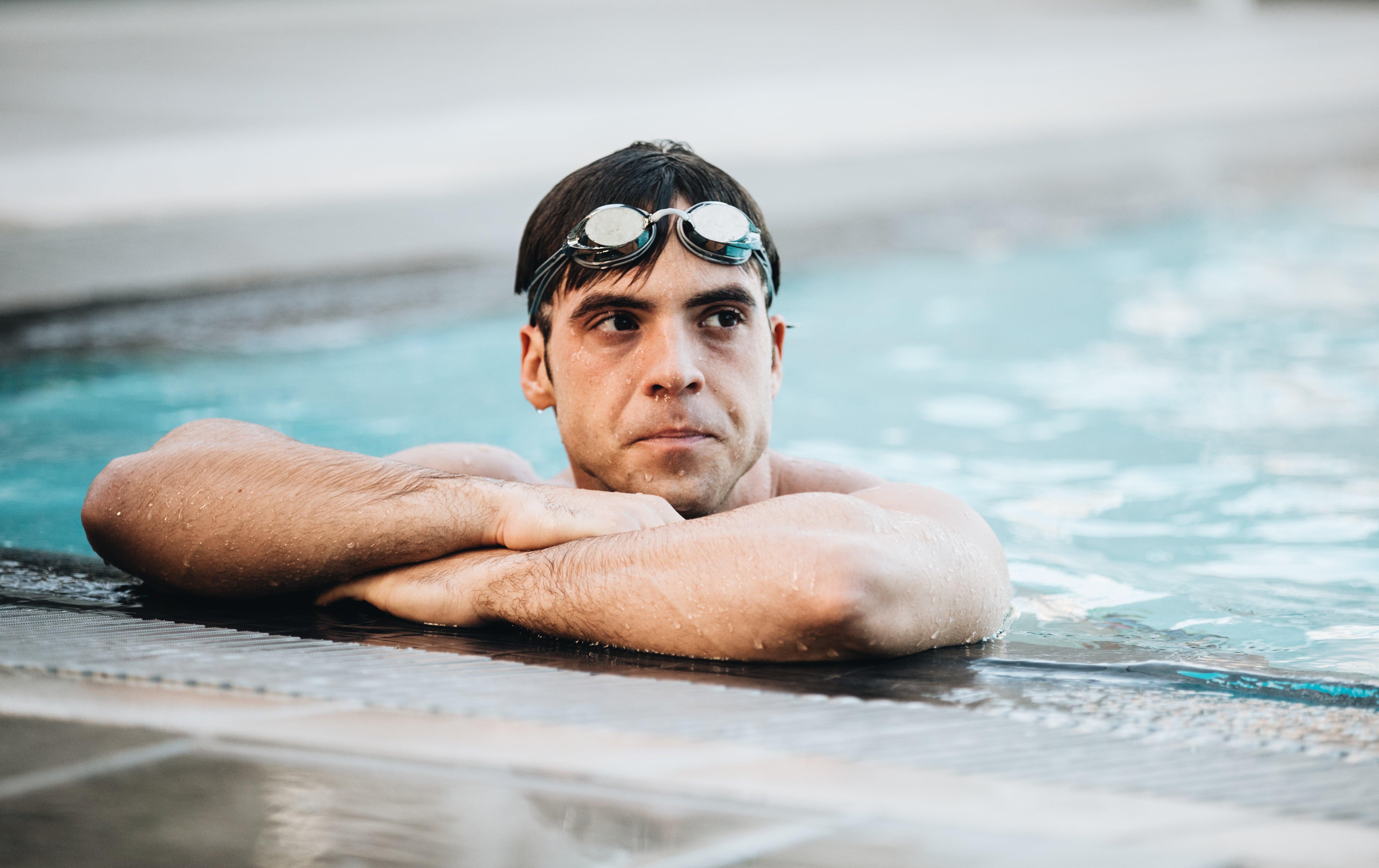
Low-intensity movement reduces stiffness by increasing blood flow. Swimming, walking, easy-paced cycling, or gentle yoga sends oxygen-rich blood to damaged tissue and removes waste products, such as lactate and inflammatory byproducts, that accumulate after hard training. According to a 2003 review published in PubMed, DOMS symptoms peak between 24 and 72 hours after exercise, when most people rest. The soreness easing during a 20-minute walk reflects your circulatory system working, not increased pain tolerance.
Why does repeating the same stress slow your recovery down?
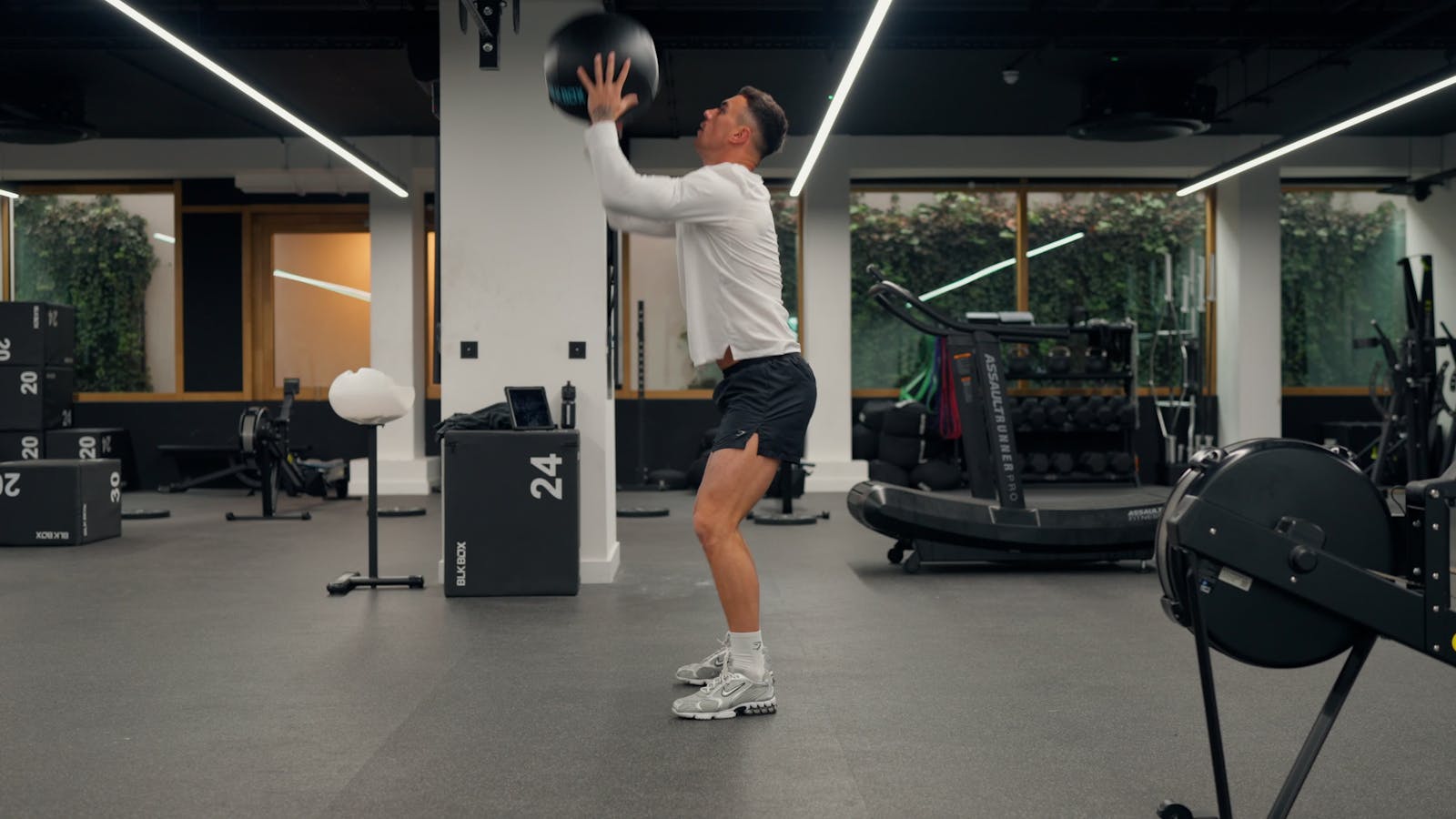
The failure point is reached when the same stress is repeated. If your quads are deep in a DOMS cycle from heavy squats, returning to high eccentric loading—downhill running, slow lowering phases, or plyometrics—does not speed up repair. Eccentric contractions generate the greatest mechanical tension and microtrauma per rep, which is why they initially produce DOMS. Adding more eccentric stress onto repairing tissue forces your body to split resources between finishing one job and starting another, resulting in longer recovery, not faster.
Training around soreness, not through it
Unaffected muscle groups are fair game. Sore legs do not mean sore shoulders. A hard upper-body push day after a brutal leg session is not "training through soreness"; it is intelligent programming. The NSCA's guidelines on recovery support this approach, noting that rotating muscle-group emphasis allows for systemic recovery while maintaining training frequency and volume. The only caveat is systemic fatigue: if soreness is widespread and your sleep, appetite, or resting heart rate is compromised, that signals the whole system is taxed, not just one region.
Why does structured mobility outperform full rest or repeating the same session?
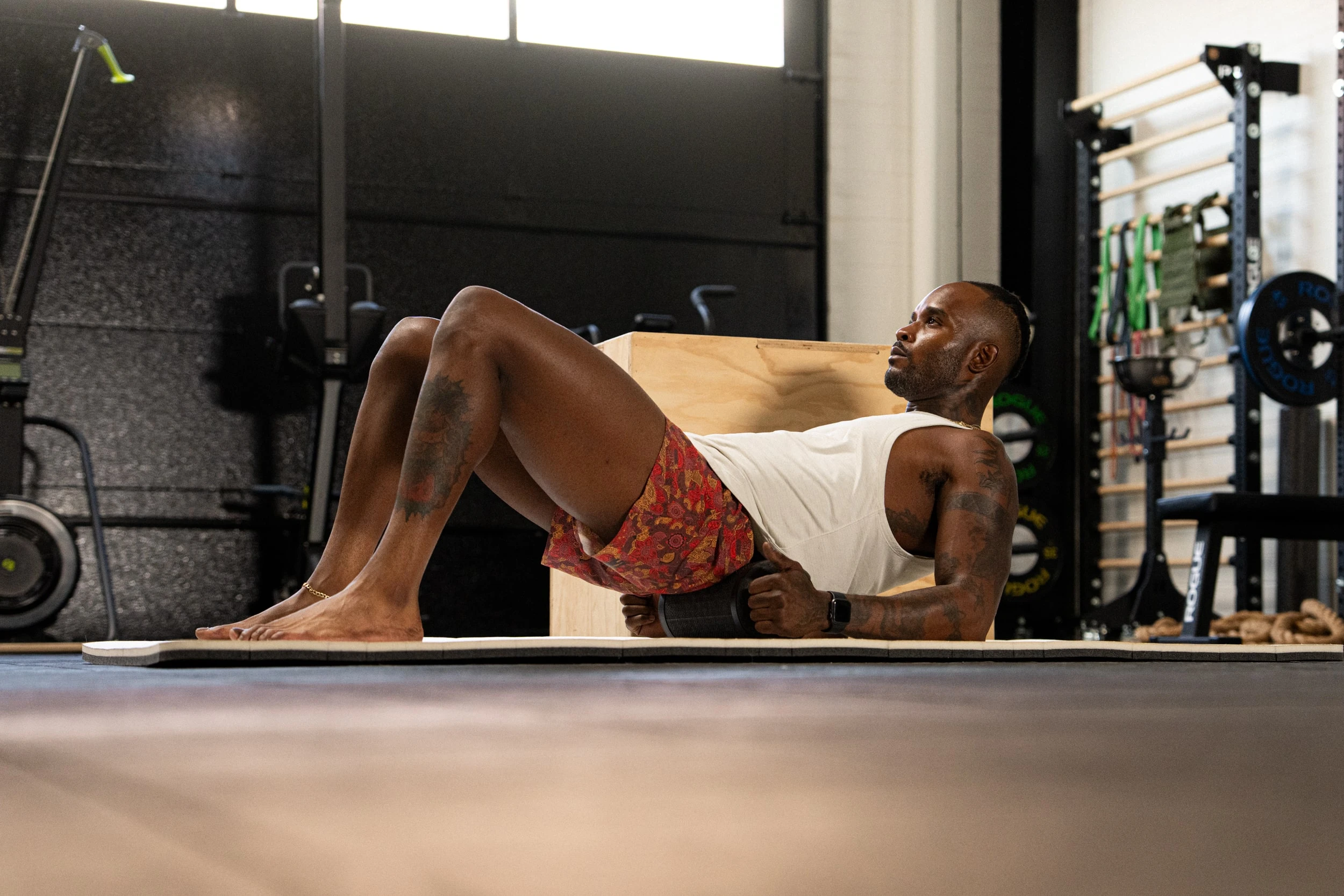
Most people choose either complete rest or repeating the workout that made them sore. Both create problems: complete rest stiffens tissue and slows blood flow that clears waste, while repeating the same high-load session prolongs inflammation. Structured mobility and recovery routines occupy the middle ground where real progress happens. A mobility app like Pliability offers guided stretching and breathwork routines built for active recovery days. Users who stretched at least three times per week saw a 30% increase in mobility in two weeks. Consistent, targeted movement builds faster than rest alone.
What the research actually recommends
Active recovery at low to moderate intensity outperforms passive rest in reducing soreness, improving mobility, and accelerating return to exercise. A meta-analysis found that active recovery reduced blood lactate and inflammatory markers more effectively than complete rest in the 24 to 48-hour period after exercise. The PubMed review notes that strength loss during DOMS can reach up to 50% of normal muscle force output, making training through heavy loads on compromised muscle mechanically unsound, not merely uncomfortable.
What kind of workout actually fits your recovery state?
The best workout to do with DOMS matches your recovery state: low-intensity cardio, mobility work, or training a fresh muscle group. But choosing the right workout is only half the battle.
What you do after that workout is where most people miss out on the most recovery.
Related Reading
How To Recover Muscles Faster
How To Relieve Sore Muscles
How To Activate the Parasympathetic Nervous System Quickly
Active Recovery
How To Get Rid Of Doms
Contrast Therapy Timing
How Many Rest Days Should I Have
How Can You Recover From DOMS Faster?

You cannot skip the biological repair sequence your body runs after hard training, but you can influence how efficiently it runs and how severe the soreness feels. The process has four moving parts: protein synthesis rebuilds damaged muscle fibers, the inflammatory response clears cellular debris, sleep drives the deepest tissue repair, and glycogen restoration refuels the muscle. Neglect any one and the others slow down. Support all four, and the window between "too sore to perform" and "ready to train again" shrinks noticeably.
Recovery Pillar | What It Does | If Neglected |
|---|---|---|
Protein Synthesis | Rebuilds damaged muscle fibers | Fibers repair more slowly, and soreness lingers |
Inflammatory Response | Clears cellular debris | Waste accumulates, and swelling worsens |
Sleep | Drives deepest tissue repair | The recovery window extends significantly |
Glycogen Restoration | Refuels depleted muscle | Energy deficits stall all other repair |
"The four pillars of DOMS recovery — protein synthesis, inflammation clearance, sleep, and glycogen restoration — are interdependent. Compromise one, and the entire sequence slows." — Exercise Physiology Research
💡 Pro Tip: Think of your four recovery pillars as a chain — it's only as strong as its weakest link. Prioritize all four simultaneously rather than focusing on just one for the fastest return to performance.
⚠️ Warning: The most common DOMS mistake is focusing only on protein intake while ignoring sleep quality and glycogen replenishment — this leaves two of the four repair mechanisms severely underpowered and dramatically extends your recovery window.
Protein, sleep, and the repair window
Protein intake is where most people leave the most recovery on the table. Research shows that consuming 0.4 grams of protein per kilogram of body weight within the first few hours after training speeds up muscle protein synthesis, the process by which your body builds new contractile tissue over damaged fibers. Without enough protein, the inflammatory phase takes longer because the body lacks the building blocks to resolve it cleanly. Sleep compounds this issue: growth hormone release peaks during slow-wave sleep, when structural tissue repair occurs. Cutting sleep short by even 90 minutes measurably reduces anabolic hormone output, extending soreness that should resolve in 48 hours to 72 hours or beyond.
What physical recovery actually does to soreness
Physical interventions matter, and the evidence is more specific than most realize. According to the Cleveland Clinic, light activity and massage may reduce DOMS soreness by up to 30%. Gently moving a sore muscle increases local blood flow, speeding the removal of inflammatory byproducts and reducing the pressure-driven pain that makes DOMS sharp. A 2018 systematic review and meta-analysis found that massage reduced DOMS by approximately 13.4% compared with passive recovery, with an effect size of -0.92. This consistency matters more than the effect size when training again in 48 hours rather than in 72 hours.
Why does complete rest slow down recovery?
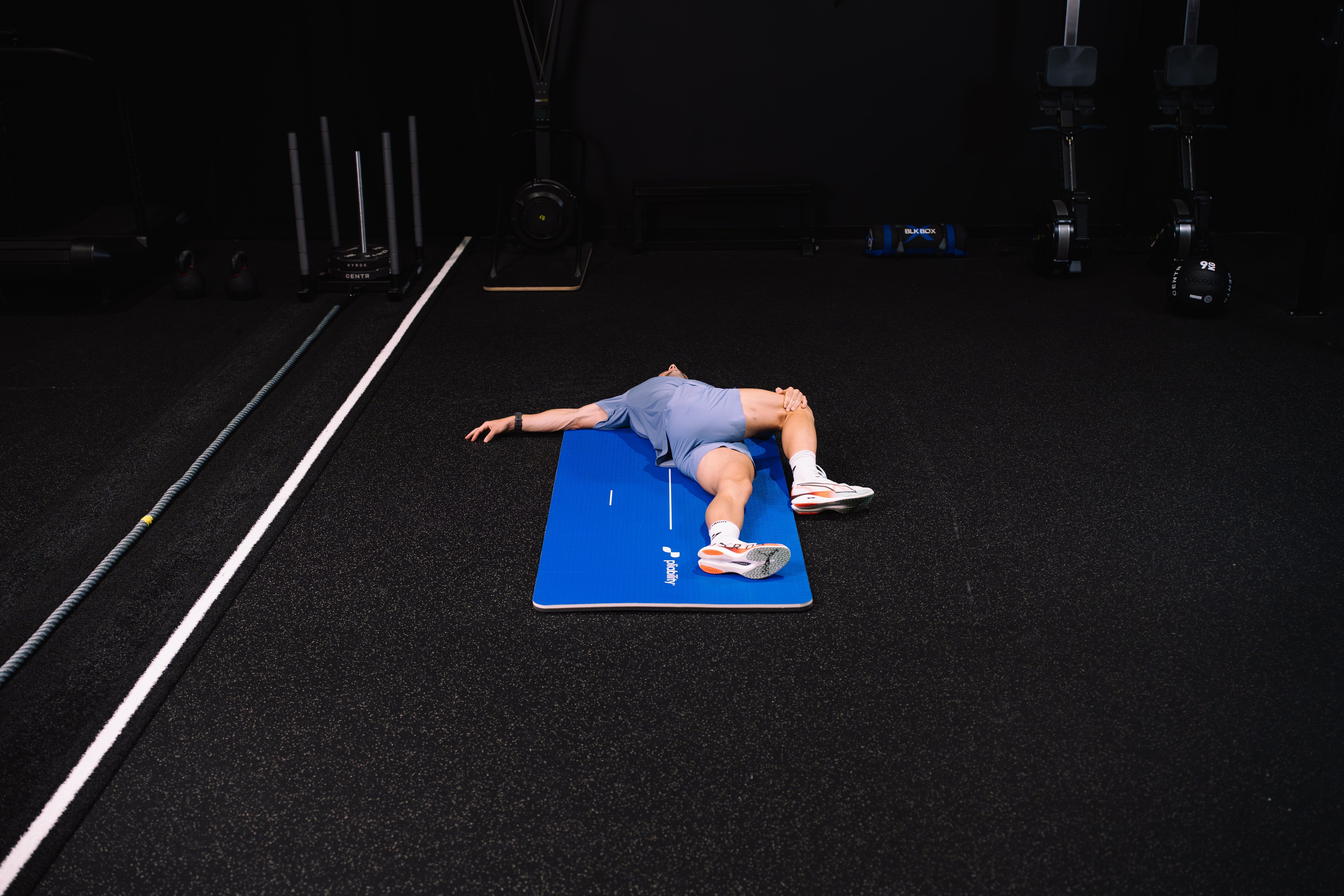
Complete rest slows your body's ability to clear inflammation and stiffens connective tissue. Structured mobility work—moving joints through their full range without loading damaged fibers under tension—increases circulation, maintains tissue extensibility, and signals safety to the nervous system. A targeted 20-minute routine focused on the affected area eliminates the guesswork about whether you're helping or worsening recovery. Apps like Pliability offer expert-led recovery routines designed for this gap.
Ice, heat, and contrast therapy
Using cold in the first 48 hours after training reduces swelling and numbs sensitive nerve endings, alleviating the worst pain from sore muscles. After that time, heat increases blood flow and helps sore muscles relax. Contrast therapy—alternating between cold and heat in 20-minute cycles or alternating showers—repeatedly expands and contracts blood vessels, creating a pumping effect that moves inflammatory fluid out faster than either temperature alone. The evidence is moderate, but the mechanism is sound, and the practical risk is negligible.
But one signal changes the entire calculation.
When Is DOMS a Sign You Should Stop Exercising?

That signal is pain that does not act like DOMS.
"Understanding the difference between normal soreness and injury pain is one of the most critical skills any athlete or gym-goer can develop." — Sports Medicine Consensus
⚠️ Warning: If your pain feels sharp, localized, or worsening, that is not DOMS. That is your body telling you to stop immediately.
Normal soreness shows up 24 to 72 hours after training, spreads across a muscle belly, and gets better with gentle movement. It does not focus sharply on a joint, get worse under load, or limit your full range of motion. Injury pain does the opposite.
Characteristic | DOMS (Normal) | Injury Pain (Stop) |
|---|---|---|
Onset | 24–72 hours after training | During or immediately after |
Location | Spreads across the muscle belly | Sharp, localized to a joint |
Response to movement | Improves with gentle motion | Gets worse under load |
Range of motion | Mostly unaffected | Noticeably limited |
💡 Tip: When in doubt, apply the gentle movement test — if light activity eases the discomfort, it's likely DOMS. If it worsens, treat it as a potential injury and rest.
🔑 Takeaway: The key distinction is where the pain lives and how it responds to movement — muscle soreness fades with activity, while injury pain demands you stop.
What separates muscle soreness from joint pain?
Muscle soreness is wide, bilateral, and dull. Joint pain is narrow, often one-sided, and sharp, especially under weight. The critical question after discomfort is not "how much does it hurt?" but "where exactly, and does it worsen with movement?" Soreness that improves after five minutes of gentle movement indicates adaptation. Pain that sharpens, catches, or radiates during movement signals a structural issue worth taking seriously.
When does discomfort cross the line into something serious?
According to research published in PMC, DOMS pain intensity typically ranges from 3 to 7 on a 10-point scale following unaccustomed strenuous exercise. If your discomfort consistently stays at 7 or above, does not improve with light movement, and is localized around a joint rather than a muscle group, you may need rest, assessment, or professional help.
A functional decision framework you can actually use
The most reliable test is not pain intensity but function. Ask yourself three questions before training: Can you move through the full range of motion without sharp pain? Has the soreness improved since it peaked? Are you compensating by shifting the load to another body part to avoid discomfort? If you answer no, no, and yes in that order, the rest is the right call. Compensation patterns breed secondary injuries.
Why is movement quality a more reliable indicator than pain level?
How well your body works, how far you can move, and how smoothly you move are better indicators of training readiness than pain alone. A mobility app like Pliability embodies this principle: guided stretching and recovery routines help you assess and improve movement quality when sore. You can then decide whether to train or rest based on how your body moves, not how it feels at rest.
Which red flags mean you should seek medical evaluation instead?
Red flags that warrant a doctor's visit include swelling around a joint, sharp pain that begins during exercise, pain that worsens with continued movement, loss of range of motion that persists after warmup, and discomfort lasting longer than 72 hours. Any of these signals means you should stop self-management and seek medical attention.
Knowing when to push yourself and when to stop is only half the battle. What you do next is where most people miss real progress.
Related Reading
What Are Doms In Weightlifting
How Often Should You Do Contrast Therapy
Benefits Of Contrast Therapy
Does Drinking Water Help With Sore Muscles
Ice Bath Vs Contrast Therapy
How Long Does Doms Last
Does Protein Help With Muscle Soreness
Workout Recovery Tips
Best Recovery Methods For Athletes
Don't Let DOMS Decide Your Next Workout. Take Action Today
Most people guess about soreness: either pushing through without thinking or sitting out completely. The smarter way is structured movement that targets what your body needs today, not a generic plan built for someone else.
"The smarter approach isn't guessing — it's structured movement that targets what your body actually needs today." — Pliability
💡 Tip: Don't let DOMS make your training decisions for you. A data-driven recovery approach outperforms random rest or blind effort.
⚠️ Warning: Pushing through soreness without a plan risks overtraining, while sitting out completely can stall your progress and mobility gains.
That's where Pliability changes things. Instead of guessing whether sore muscles need mobility work or rest, our personalized daily routines and body scan identify where your movement is most restricted. Users who stretched a minimum of three times per week saw a 30% increase in mobility in just two weeks. Start your free 7-day trial and build a recovery practice that adapts to your body.
Recovery Approach | Outcome |
|---|---|
❌ Guessing / No Plan | Inconsistent results, injury risk |
❌ Complete Rest Every Time | Stalled mobility, slower recovery |
✅ Pliability Personalized Routine | 30% mobility increase in 2 weeks |
🔑 Takeaway: Users stretching just 3x per week with Pliability's personalized routines unlocked a 30% improvement in mobility in as little as two weeks — proof that consistency beats guessing every time.
Move better in 10 minutes a day.
10,000+ five-star reviews.