Join thousands worldwide already moving with pliability.

#1 MOBILITY APP

10,000+

5 STAR

REVIEWS

Join thousands worldwide already moving with pliability.

#1 MOBILITY APP

10,000+

5 STAR

REVIEWS

LEARN

How to Get Rid of Lactic Acid in Muscles and Recover Faster

How to Get Rid of Lactic Acid in Muscles and Recover Faster

How to Get Rid of Lactic Acid in Muscles with practical recovery tips to reduce soreness, improve mobility, and recover faster.

How to Get Rid of Lactic Acid in Muscles with practical recovery tips to reduce soreness, improve mobility, and recover faster.

Pliability Team

person running - How to Get Rid of Lactic Acid in Muscles

Pushing hard in a workout often comes with a familiar price: heavy, stiff, and sore muscles that show up the next day. That burning sensation during exercise and the ache that follows are closely tied to muscle fatigue and lactic acid buildup. Knowing how to reduce lactic acid in muscles can meaningfully change how quickly the body bounces back and how consistently an athlete can train.

Practical recovery strategies, from active cooldowns to targeted stretching, help flush lactic acid, reduce soreness, and restore normal muscle function faster. Having the right support tools makes the process even more effective, and that's where Pliability comes in as a reliable mobility app for guided routines tailored to real recovery needs.

Table of Contents

  1. Is Lactic Acid Buildup Really What Causes Muscle Soreness After a Workout?

  2. Why Do Your Muscles Burn During Exercise?

  3. Is It Possible to Get Rid of Lactic Acid in Your Muscles?

  4. What Actually Helps Prevent Muscle Fatigue?

  5. Recover Better After Every Workout with Pliability

Summary

  • Lactic acid clears from the body within 30 to 60 minutes after exercise ends, which means it is not responsible for the soreness athletes feel the next day. The real cause of delayed-onset muscle soreness (DOMS) is microscopic muscle damage and the inflammation that follows, particularly from eccentric movements such as lowering a weight or running downhill. DOMS typically peaks 24 to 72 hours after exercise, a timeline that reflects inflammation rather than lactate clearance.

  • The burning sensation during intense exercise comes from hydrogen ions, not lactic acid itself. As muscles shift into anaerobic metabolism, hydrogen ions are released as a byproduct, temporarily dropping muscle pH from around 7.0 to as low as 6.2. That shift in acidity disrupts muscle contraction and creates the familiar burn, which fades quickly once intensity drops and blood flow helps restore the acid-base balance.

  • Lactate threshold varies significantly based on fitness level. In untrained individuals, the threshold occurs at roughly 50 to 60 percent of VO2 max, while trained athletes reach it at 70 to 80 percent. This explains why the same workout can feel effortless for one person and completely depleting for another. Consistent training raises that ceiling by improving the body's ability to buffer hydrogen ions more efficiently.

  • Active recovery after hard efforts meaningfully accelerates lactate clearance compared with sitting still. Research indicates that light movement after intense exercise can reduce lactate clearance time by up to 50 percent compared to passive rest. Controlled breathing during rest intervals also accelerates clearance by increasing oxygen delivery to tissues, supporting the aerobic system's ability to recycle lactate as fuel.

  • Nutrition plays a direct role in how quickly muscle fatigue sets in during prolonged exercise. Carbohydrate supplementation at 30 to 60 grams per hour helps maintain blood glucose and delay the onset of fatigue by keeping muscles on more efficient fuel pathways. Caffeine at doses of 3 to 6 mg per kilogram of body mass has also been shown to reduce perceived exertion and delay fatigue during endurance efforts.

  • Movement quality affects how fast fatigue accumulates in ways most athletes overlook. Poor mechanics force compensating muscles to work beyond their intended capacity, burning through energy faster and creating fatigue in tissues that should be conserving it. Athletes who practiced structured stretching at least three times per week saw a 30 percent increase in mobility in just two weeks, suggesting that consistent mobility work can meaningfully reduce the compensatory load that inefficient movement places on the body.

  • Pliability's mobility app addresses this directly by offering daily guided stretching and breathwork routines designed to fit around a training schedule, so recovery becomes a consistent practice rather than something athletes return to only when something hurts.

Is Lactic Acid Buildup Really What Causes Muscle Soreness After a Workout?

woman exercising - How to Get Rid of Lactic Acid in Muscles

Lactic acid does not cause the soreness you feel the day after a hard workout. This belief has circulated in gyms for decades, but science proved it wrong long ago.

"Lactic acid clears from the body within 30 to 60 minutes after exercise ends, making it an impossible culprit for next-day soreness." — Houston Methodist On Health, 2021

⚠️ Warning: Blaming lactic acid for post-workout soreness is one of the most persistent myths in fitness and can lead you to mismanage your recovery strategy entirely.

During intense exercise, your body breaks down glucose for energy through glycolysis, producing lactate as a byproduct. According to Houston Methodist On Health, lactic acid clears from the body within 30 to 60 minutes after exercise ends. When you sprint up stairs, your legs burn at the top — but the feeling goes away within minutes. Lactate is a fast-moving fuel source, not a slow-acting poison.

Substance

Role During Exercise

Clears From Body

Lactate

Byproduct of glycolysis; used as fuel

30–60 minutes post-exercise

Lactic Acid

Commonly blamed for soreness

30–60 minutes post-exercise

DOMS Cause

Micro-tears & inflammation

24–72 hours post-exercise

🔑 Takeaway: Lactate is not the villain — it's actually recycled as energy by the body almost immediately. The real cause of that next-day soreness is microscopic muscle damage and the inflammatory response that follows.

💡 Tip: If you're experiencing delayed muscle soreness, focus your recovery on inflammation management — think proper sleep, hydration, and active recoverynot on flushing out lactic acid.

What is lactic acid, really?

Exercise physiologist Mike Stack describes lactate as "metabolic exhaust," a byproduct of burning fuel quickly. Unlike car exhaust, lactate isn't wasted—your muscles, heart, and brain use it as fuel. At high intensities (roughly 70% of maximum heart rate), your body shifts into anaerobic mode and produces lactate faster than it can clear it. The hydrogen ions released lower your muscle's pH, creating that familiar burning sensation. Once effort stops and oxygen returns, lactate gets recycled into energy.

So why did lactic acid get the blame for soreness?

Lactate was present during the burn, so it took the blame for everything that followed. But correlation isn't causation. Experiments from the 1980s showed runners experienced post-workout muscle soreness without elevated blood lactate levels. The "lactic acid causes soreness" story was catchy enough to outlive the evidence—a pattern that defines how fitness myths survive: not because they're true, but because they're simple.

What actually causes that next-day soreness?

After you work out, soreness occurs due to tiny damage to your muscles and the resulting swelling. When you do movements your body isn't used to, especially lowering weights or running downhill, you get small tears in your muscle fibers. Your body repairs this damage by causing swelling, which creates the stiffness and soreness you feel hours later. According to the Cleveland Clinic, delayed-onset muscle soreness (DOMS) usually worsens 24 to 72 hours after exercise, which coincides with when swelling occurs, not when lactate clears.

Why does active recovery work better than complete rest?

Most people respond to DOMS by resting completely. Active recovery—including targeted mobility work and controlled movement—manages inflammation and restores blood flow to damaged tissue more effectively than stillness. Apps like Pliability offer guided stretching and recovery routines that support your body's repair process. Users who stretched a minimum of three times per week saw a 30 percent increase in mobility in two weeks, demonstrating that consistency in recovery drives measurable results.

But if lactic acid clears quickly and soreness stems from muscle damage, why does that burning sensation during exercise feel so intense?

Related Reading

Why Do Your Muscles Burn During Exercise?

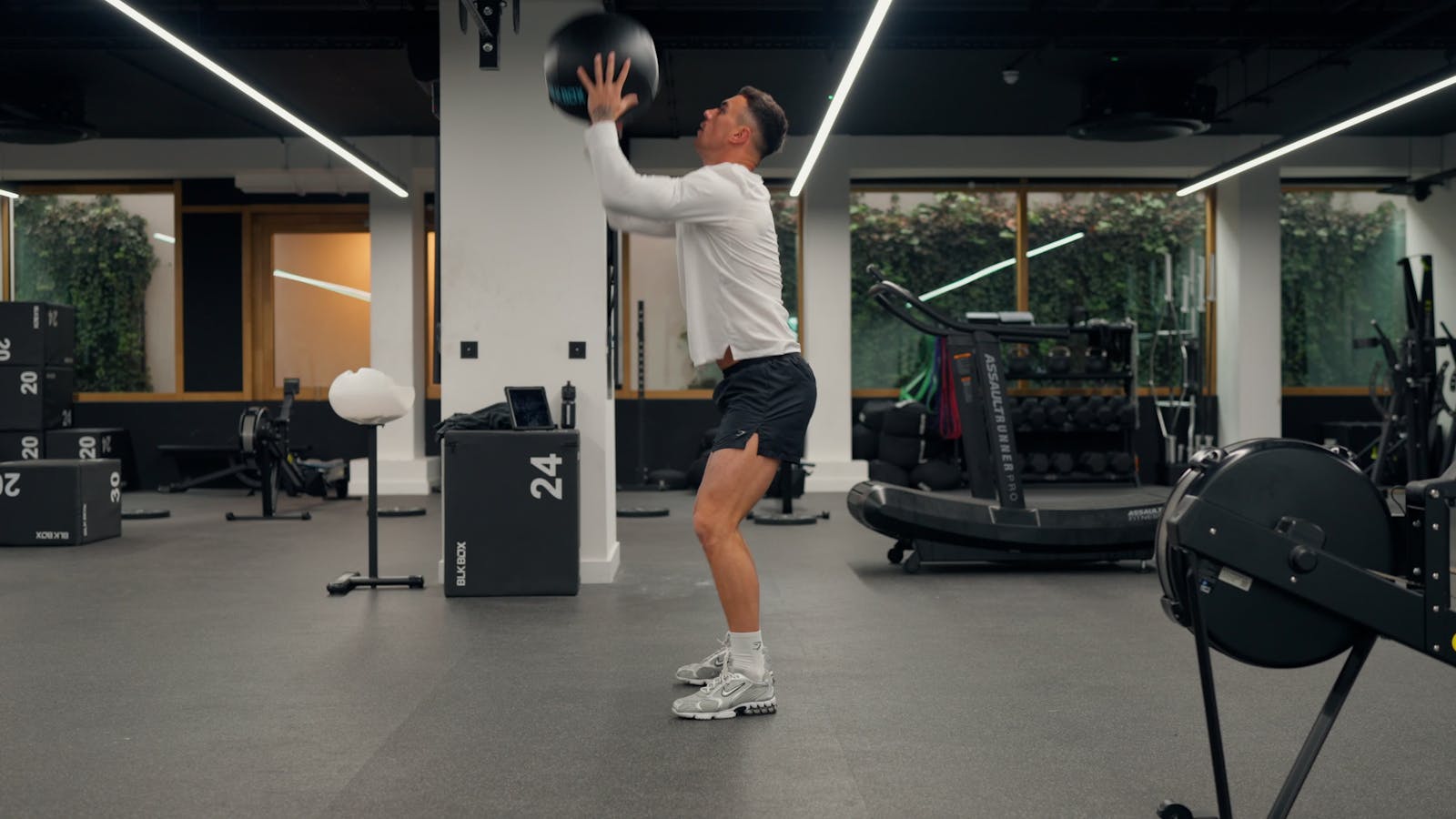
man exercising - How to Get Rid of Lactic Acid in Muscles

Why Do Your Muscles Burn During Exercise?

That burning feeling during hard exercise comes from specific chemistry. It's not lactic acid itself causing the problem, but what happens inside your muscle when energy production shifts into high gear.

What actually triggers the burn?

When you exercise intensely, your muscles switch to anaerobic energy production. This process breaks down glucose and creates lactate, which releases hydrogen ions as a byproduct. These hydrogen ions cause the burning feeling. According to Lactic Acid and Exercise Performance (Cairns SP, Sports Medicine, 2006), the pH level in muscles can drop from 7.0 to as low as 6.2 during intense exercise. This drop disrupts normal muscle function and interferes with the proteins that enable muscle contraction. "The burning sensation you feel comes from the hydrogen ions in lactic acid that temporarily enter your muscles during intense anaerobic exercise," explains Dr. Corbin Hedt, a physical therapist at Houston Methodist.

Does your fitness level change how much you feel the burn?

How intense the burn feels depends on how hard you're pushing compared to your fitness level. According to Runner's World, the lactate threshold occurs at about 50 to 60 percent of VO2 max in untrained people and 70 to 80 percent in trained athletes. The same hill that leaves a beginner breathless feels like a warm-up to an experienced runner because trained bodies handle hydrogen ions more efficiently, raising the threshold before acidity becomes problematic.

How can you train your body's response rather than just survive it?

Most people handle the burn by stopping or slowing down to let aerobic metabolism catch up. Apps like Pliability approach this differently, pairing structured breathwork with targeted recovery routines that support the body's natural buffering process after intense effort, helping athletes train the response rather than just survive it.

Why the burn fades so quickly

The feeling goes away quickly because your body efficiently removes hydrogen ions once you stop working hard. Blood flow increases, lactate moves to the liver and heart, where it is converted back into usable fuel, and your acid-base balance returns to normal within minutes. "I'm asked if lactic acid buildup causes sore muscles almost every single day," says Dr. Hedt. "It's something many of us heard from coaches growing up, so people want to know how to reduce this buildup so they never have to be sore at all. It's not true, however." The burn you feel during exercise and the ache two days later are completely separate biological events driven by different causes.

Is the burning sensation a warning sign or a useful signal?

The burning feeling is a signal worth paying attention to, not something to fear. It tells you that your muscles are working hard at the edge of their capacity, creating the stress that leads to real changes. The soreness that follows days later comes from a different process entirely, one that shaking out your legs during your workout will not stop.

But what happens inside your muscles after that burn subsides, and can you speed up recovery?

Related Reading

  • Aftercare For Doms

  • Doms In Calves

  • Crossfit Recovery

  • How To Recover Muscles Faster

  • How To Relieve Sore Muscles

  • How To Activate the Parasympathetic Nervous System Quickly

  • Active Recovery

  • How To Get Rid Of Doms

  • Contrast Therapy Timing

  • How Many Rest Days Should I Have

Is It Possible to Get Rid of Lactic Acid in Your Muscles?

woman exercising - How to Get Rid of Lactic Acid in Muscles

Your body clears lactate faster than most people think. According to the NASM Blog, lactic acid is cleared from the muscles within 30 to 60 minutes after exercise stops. The question is whether you're doing anything to help or slow down that process.

"Lactic acid is cleared from the muscles within 30 to 60 minutes after exercise stops." — NASM Blog

🔑 Takeaway: Your body is working to eliminate lactic acid. The window is short, but your post-workout behavior determines how efficiently that process runs.

💡 Tip: Active recovery — such as light walking or gentle stretching — can accelerate lactate clearance compared to sitting still after a hard workout.

⚠️ Warning: Skipping a cool-down routine may slow your body's natural lactate removal process, leaving you sore and fatigued longer than necessary.

How does active recovery speed up lactate clearance?

The most direct way to help yourself is through recovery between efforts. Orthopedic & Sports Medicine reports that active recovery—light movement after hard effort—can reduce lactate clearance time by up to 50% compared to passive rest. Light cycling, a slow walk, or easy movement keeps blood circulating without adding metabolic stress, moving lactate out of muscle tissue and into pathways where it gets recycled as fuel.

Can breathing and breath control help clear lactic acid?

Taking deep, intentional breaths during rest periods delivers more oxygen to your working muscles, helping your aerobic system clear lactate. A runner who keeps their effort at or below their aerobic threshold can speed up lactate clearance by controlling their breathing during recovery intervals. It costs nothing and works immediately.

What is the hidden cost of defaulting to passive recovery?

Most people choose passive recovery because it's what they know. The hidden cost accumulates over time: slower clearing between sets, reduced readiness for the next effort, and a longer recovery window. Structured active recovery—even five minutes of easy movement after a hard session—changes that equation. Apps like Pliability offer expert-led recovery routines that combine targeted movement and breathwork, making recovery a repeatable practice.

Can you prevent lactate buildup from happening in the first place?

Not entirely, and you shouldn't try to. Lactate production signals that your body is working hard enough to adapt. What you can do is raise the threshold at which buildup accelerates through long-term training. Gradually increasing training volume and intensity, incorporating structured rest days, and fuelling adequately all support the efficiency of the aerobic system. A well-fuelled, well-rested athlete reaches that threshold at higher output, meaning they can run faster or lift heavier before lactate accumulates faster than the body can clear it.

Does hydration affect how well your body clears lactate?

Hydration plays an underestimated supporting role. Staying adequately hydrated during exercise helps maintain blood volume, which directly affects how efficiently metabolic byproducts move through the system. Dehydration creates friction at every step of the clearance process. These consistent, unglamorous habits accumulate over weeks and months into a body that recovers faster and performs longer.

But knowing how to clear lactate is only part of the equation; what determines your ceiling might surprise you.

What Actually Helps Prevent Muscle Fatigue?

woman exercing - How to Get Rid of Lactic Acid in Muscles

Preventing muscle fatigue depends on training structure, nutrition before and during your workout, and long-term program designnot recovery alone. These factors determine your fatigue threshold and how quickly it rises.

"The key to managing muscle fatigue lies in proactive strategies—training structure, fueling, and program design—not just what you do after the workout is over."

💡 Tip: Don't wait until fatigue hits to address it. Proactive planning across your nutrition timing, session structure, and weekly program design is the most effective way to keep your fatigue threshold high.

Factor

Why It Matters

Impact on Fatigue

Training Structure

Controls volume and intensity distribution

Delays fatigue onset

Pre/During Workout Nutrition

Fuels working muscles in real time

Sustains energy output

Long-Term Program Design

Builds adaptation over time

Raises the overall fatigue threshold

🔑 Takeaway: Your fatigue threshold isn't fixed—it's directly shaped by the daily and weekly decisions you make around training and nutrition, not just your post-workout recovery habits.

How training progression changes your ceiling

Your body adapts only to demands that increase slowly over time. If you progress too quickly, you overload your neuromuscular system before it can develop the ability to handle higher intensities, compressing your performance window and bringing fatigue earlier in each session. Progressive overload trains muscles to sustain effort longer by increasing mitochondrial density, improving oxygen utilization, and raising the threshold at which hydrogen-ion accumulation impairs contraction. This physiological adaptation explains why two people doing the same workout experience different levels of burn.

Why your warm-up is doing more work than you think

A proper warm-up raises muscle temperature, which directly improves enzyme activity in the metabolic pathways that produce energy. Warmer muscles process fuel more efficiently, so you enter the hard part of your session with a metabolic system primed rather than playing catch-up. Skipping or shortening the warm-up compresses the window before fatigue onset because the body must divert resources to temperature regulation and tissue mobilization during the effort itself rather than beforehand.

Fueling the system that fights fatigue

Nutrition is where many athletes leave performance on the table. According to Experimental and Molecular Medicine, consuming 30 to 60 grams of carbohydrates per hour during prolonged exercise helps maintain blood glucose levels and delay muscle fatigue. When blood glucose drops, muscles rely on less efficient fuel pathways, hydrogen ions accumulate faster, and fatigue arrives sooner. Eating strategically during exercise directly alters the chemistry of fatigue rather than serving as a comfort choice. The same research found that caffeine at 3 to 6 mg per kilogram of body mass reduces perceived exertion and delays muscle fatigue during endurance exercise, making it one of the most consistently effective performance aids available.

Most athletes handle pre-session nutrition well but underestimate what happens during longer efforts. Mid-session fueling feels counterintuitive, yet running low creates a measurable shift in how your muscles manage metabolic stress for the remainder of the session and into recovery.

How do technique and movement quality affect fatigue?

Poor movement mechanics accelerate fatigue by forcing the wrong muscles to compensate, creating unnecessary metabolic demand in tissues never designed to carry that load. A runner with collapsed hip mechanics, for example, recruits stabilizing muscles far beyond their intended role, burning through available energy faster and accumulating fatigue in areas that should be conserving it. Technique is an energy management strategy. Structured mobility work targeting your specific movement patterns reduces the compensatory load that inefficient mechanics place on your system. Athletes who build consistent mobility practice into their weekly routine report that movements once labored become more automatic, directly reducing the energy cost of sustaining them under fatigue.

Can a structured mobility practice deliver measurable results?

This is where our mobility app, built around daily practice, becomes more than a recovery tool. Pliability users who stretched a minimum of three times per week saw a 30% increase in mobility in just two weeks. Improvements in movement quality that reduce compensatory fatigue are a measurable outcome of consistent, structured practice, not a long-term gamble.

Once you have prevention dialed in, how you structure your recovery sessions becomes the final piece that determines how much of that effort you retain.

Recover Better After Every Workout with Pliability

Structured recovery separates people who feel ready to train again from those who wait and hope. Without a clear, repeatable system, recovery becomes friction rather than practice.

"Without a clear, repeatable system, recovery becomes friction rather than practice — the difference between athletes who perform consistently and those who simply hope they feel better."

💡 Tip: Treat recovery as a non-negotiable part of your training schedulenot an afterthought you return to only when something goes wrong.

Recovery Approach

Outcome

Structured, daily system

Consistent readiness, reduced injury risk

Informal, occasional effort

Guesswork, slower return to training

No recovery practice

Accumulated fatigue, higher burnout risk

That is exactly where Pliability fits. Most people approach recovery only when something hurts. Our mobility app replaces that guesswork with daily expert-led mobility and breathwork routines built around your specific training schedule.

🎯 Key Point: Pliability transforms recovery from a reactive habit into a proactive, daily practice so you're always ready to perform at your best.

Best Practice: Start your free 7-day trial today on iPhone, iPad, Android, or the web and experience the difference a structured recovery system makes.

Related Reading

  • Does Protein Help With Muscle Soreness

  • What Are Doms In Weightlifting

  • Does Drinking Water Help With Sore Muscles

  • How Long Does Doms Last

  • Should You Workout With Doms

  • Ice Bath Vs Contrast Therapy

  • How Often Should You Do Contrast Therapy

  • Benefits Of Contrast Therapy

  • Best Recovery Methods For Athletes

  • Workout Recovery Tips

Related Reading

Trusted by 1,000+ Athletes Worldwide

Join thousands worldwide already moving with pliability.

#1 MOBILITY APP

10,000+

5 STAR

REVIEWS

First Week Free. Cancel Anytime.

Trusted by 1,000+ Athletes Worldwide

Join thousands worldwide already moving with pliability.

#1 MOBILITY APP

10,000+

5 STAR

REVIEWS

First Week Free. Cancel Anytime.

Trusted by 1,000+ Athletes Worldwide

Join thousands worldwide already moving with pliability.

#1 MOBILITY APP

10,000+

5 STAR

REVIEWS

First Week Free. Cancel Anytime.

Trusted by 1,000+ Athletes Worldwide

Join thousands worldwide already moving with pliability.

#1 MOBILITY APP

10,000+

5 STAR

REVIEWS

First Week Free. Cancel Anytime.

Move better in 10 minutes a day.
10,000+ five-star reviews.