


LEARN
Cody Mooney
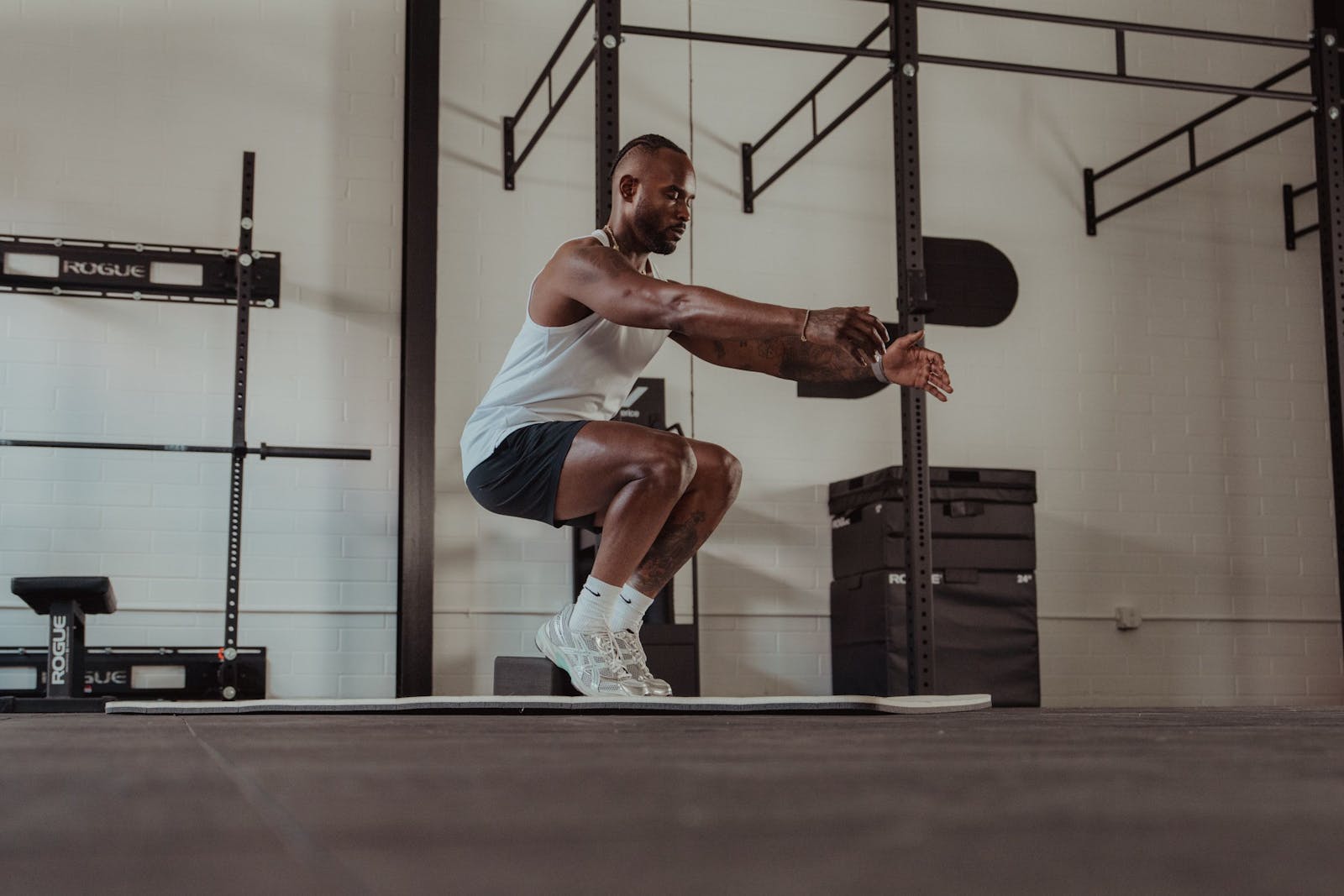
Range of motion sounds like a term reserved for physical therapists and clipboards. In reality it's one of the most honest measures of how well your body actually works, and most people are quietly losing it without noticing.
So let's define it plainly. Range of motion is how far a joint can travel through its natural path of movement, usually measured in degrees. Your shoulder has a range. So do your hips, your ankles, your spine. Every time you reach, rotate, bend, or step, you're spending range of motion. The question is how much you have available, and how much of it you can actually use.
active vs. passive range of motion
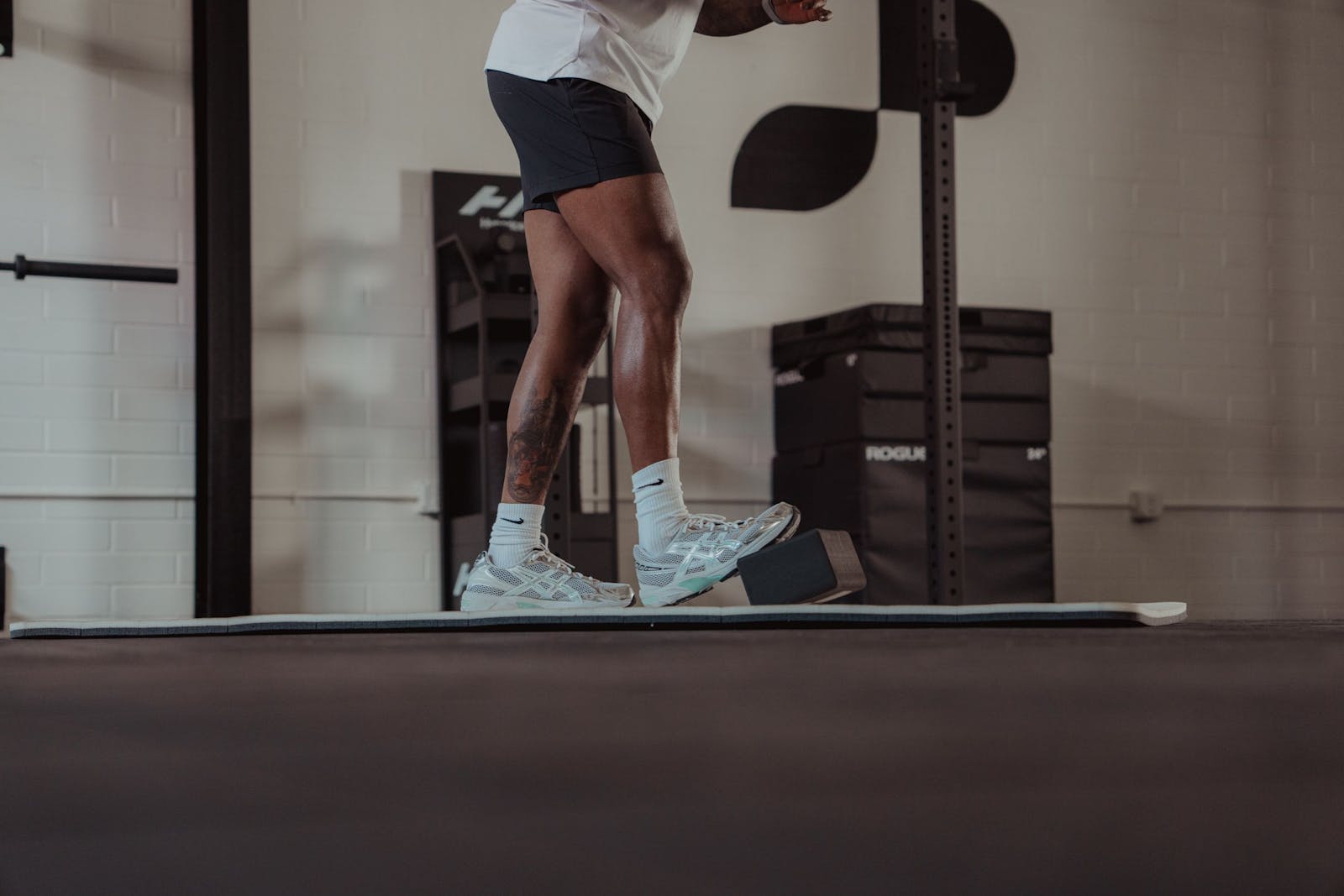
There are two versions worth knowing. Passive range of motion is how far a joint moves when something else does the work, like a therapist guiding your leg or gravity pulling you into a stretch. Active range of motion is how far you can move that joint on your own, under your own muscular control. The gap between the two tells a story: it's the range you technically have but can't yet command. Real, usable movement lives in your active range.
This distinction matters because life doesn't test your passive range. Standing up from the floor, reaching a high shelf, checking your blind spot while driving, squatting to lift a child: these are all active range of motion in action. It's also the same idea that sits at the heart of the difference between flexibility and mobility: flexibility is the range that's available, mobility is the range you control.
why range of motion quietly declines
Here's the uncomfortable part. Range of motion tends to shrink with age. One often cited pattern shows people losing roughly six degrees of motion per decade in major joints like the hips and shoulders after their fifties, and muscles weaken and tissues stiffen alongside it. Modern life speeds this up. Long hours seated shorten hip flexors, round the upper back, and stiffen the spine, and the joints you rarely move toward their end range slowly forget they ever went there.
The tricky thing is that the body is a master of compensation. When one joint loses range, another picks up the slack, usually one that wasn't designed for the job. Limited motion in one area places extra stress on neighboring joints and muscles, creating imbalance and raising the risk of pain and injury over time. This is why a stiff ankle can quietly become a knee problem, or tight hips can show up as an aching lower back. The pain often appears far from the joint that actually lost its range.
the evidence that range of motion matters
This isn't just intuition. Research consistently links range of motion to how well people function and, in older adults, to safety. Studies of hip and knee mobility have found that people with better joint range have a lower risk of falls, while limitations in range are associated with reduced ability to hold a stable posture while walking and standing. In clinical settings, structured range of motion programs have improved joint angles, daily activity function, and even reported pain and mood in vulnerable populations recovering from illness.
There's also a performance angle. Research using the Functional Movement Screen found that range of motion in the shoulder, knee, and ankle explained a meaningful share of the variation in how well adults moved overall. In other words, the range you carry into a movement shapes how cleanly you can execute it. We go deeper on the training and longevity case in why range of motion is important.
how to improve range of motion (it's trainable in both directions)
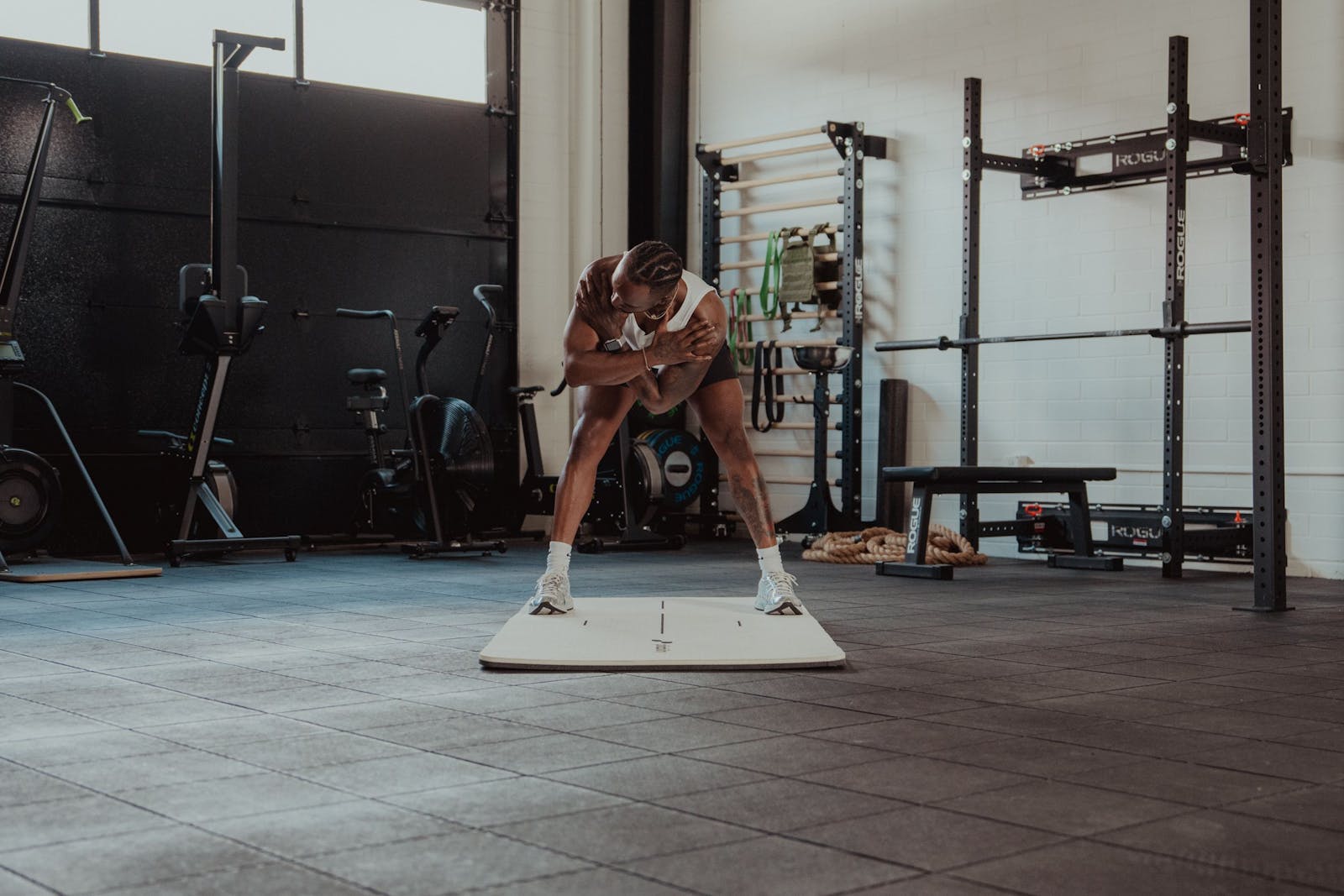
The encouraging news is that range of motion responds to what you do. It declines with disuse, but it also improves with consistent, deliberate work. Regular stretching, mobility exercises, and moving joints through their full available path all help preserve and even restore range. And critically, the goal isn't just to open up more passive range through stretching, but to build active control over that range so you can actually use it when it counts.
That's the shift worth making. Instead of asking only "how far can I bend?", start asking "how far can I move myself, with control?" Because the most useful range is the kind you own, not the kind that only appears when something else pushes you into it.
train your range of motion with pliability
This is exactly why range of motion sits at the center of how pliability is built. Rather than chasing extreme flexibility for its own sake, our guided sessions are designed to help you move each joint through its full path with control, restoring the range daily life and training quietly take away. The mobility assessment uses body scanning to show you exactly where your movement has narrowed, so you work on what your body actually needs rather than guessing. From there, Daily Sessions serve a fresh guided routine every day, Paths build toward a specific goal over a few weeks, and Build Your Program shapes the plan around your training and schedule.
Range of motion is a use it or lose it quality. The good part is that "using it" doesn't take much, just consistent, intentional movement through the ranges your body was built to travel. Start with 7 days free on iPhone, iPad, Android, or the web, and protect your ability to move freely for decades to come.
Related Reading




Move better in 10 minutes a day.
10,000+ five-star reviews.