Join thousands worldwide already moving with pliability.

#1 MOBILITY APP

10,000+

5 STAR

REVIEWS

Join thousands worldwide already moving with pliability.

#1 MOBILITY APP

10,000+

5 STAR

REVIEWS

LEARN

Why Am I Sore After Working Out and How Do I Recover Smarter?

Why Am I Sore After Working Out and How Do I Recover Smarter?

Why Am I Sore After Working Out? Learn what causes post-workout soreness and discover practical recovery tips to help you bounce back faster.

Why Am I Sore After Working Out? Learn what causes post-workout soreness and discover practical recovery tips to help you bounce back faster.

Pliability Team

man workingout - Why Am I Sore After Working Out

That familiar ache that hits 24 to 48 hours after an intense workout has a name: delayed onset muscle soreness (DOMS). This post-exercise discomfort occurs when microscopic tears in muscle fibers trigger inflammation as part of the body's natural adaptation process. While some soreness indicates effective training, excessive pain can derail fitness goals and leave people dreading their next session.

Managing muscle soreness requires more than passive rest. Active recovery techniques like gentle movement and targeted mobility work increase blood flow to affected areas, delivering nutrients that speed healing while reducing stiffness. Pliability's mobility app provides science-backed recovery routines designed to work with the body's natural repair mechanisms, helping athletes and fitness enthusiasts bounce back faster from challenging workouts.

Table of Contents

  1. Why Am I Sore After Working Out?

  2. Why More Soreness Doesn't Always Mean More Progress

  3. Should I Still Work Out When I'm Sore?

  4. How To Recover Faster and Reduce Future Soreness

  5. Make Recovery Part of Your Training Instead of Guessing Through It

Summary

  • Delayed-onset muscle soreness (DOMS) appears 24 to 72 hours after exercise, peaking around 48 hours post-workout, which explains why you often feel worse on day two than on day one. The pain comes from microscopic tears in muscle fibers and the inflammatory response your body triggers to repair them, not from lactic acid buildup as commonly believed. Eccentric movements, where muscles lengthen under tension like lowering weights or running downhill, create more damage than concentric contractions, which is why certain workouts leave you hobbling for days while others at similar intensity don't.

  • Muscle soreness is not a reliable measure of progress or muscle growth. Research published in the International Journal of Molecular Sciences confirms that DOMS is not correlated with hypertrophy or strength gains. You can build significant strength without ever feeling sore, and you can be extremely sore without triggering meaningful adaptation. Experienced lifters rarely get sore from familiar movements because their nervous systems recruit muscle fibers more efficiently and resolve microscopic damage quickly with minimal inflammation, but this doesn't mean their workouts have stopped working.

  • Light to moderate movement during soreness windows actually speeds recovery by increasing blood flow to damaged tissues and clearing metabolic byproducts that contribute to stiffness. Complete rest allows waste and fluid to pool in muscles, prolonging discomfort and limiting range of motion. Active recovery, such as walking, easy cycling, or mobility work, keeps tissues mobile without adding new stress, supporting your body's repair process rather than hindering it. The key is matching intensity to your current state, not pushing through sharp pain or treating every sore day as permission to skip training entirely.

  • Sleep requirements increase with training stress because muscle repair, growth hormone release, and metabolic waste clearance all peak during deep sleep phases. Research from the American College of Sports Medicine emphasizes that active individuals need 7 to 10 hours per night to support recovery, with the 48 hours following hard training being most critical. Without adequate rest, damaged tissue remains partially repaired, prolonging soreness and compromising performance in subsequent workouts.

  • Cold water immersion shows a 99% confidence interval for reducing perceived soreness compared to passive recovery according to a systematic review in Frontiers in Physiology, but its effect on actual muscle repair remains unclear. Immersing in water below 15°C for 10 to 15 minutes post-exercise works as an analgesic tool by constricting blood vessels and numbing pain receptors, treating symptoms rather than necessarily accelerating the underlying physiological recovery process.

  • Pliability's mobility app addresses recovery gaps by providing guided routines tailored to specific training demands and soreness timelines, helping you restore range of motion and manage inflammation between sessions, rather than guessing which recovery methods actually address your limitations.

Why Am I Sore After Working Out?

man exercising - Why Am I Sore After Working Out

You finished a workout yesterday. This morning, sitting down on the toilet feels like a controlled fall. Walking downstairs requires gripping the railing. Lifting your arms to wash your hair becomes a negotiation with your shoulders. You're wondering whether the workout worked, whether you pushed too hard, or whether something's wrong.

🎯 Key Point: This uncertainty discourages consistency more than the soreness itself. Some people interpret pain as proof of progress and chase it. Others assume soreness signals injury and back off entirely. Both reactions make sense without understanding what's happening inside your muscles.

"Post-exercise muscle soreness affects nearly 100% of people who engage in unaccustomed physical activity, regardless of fitness level." — American College of Sports Medicine

⚠️ Warning: Muscle soreness after exercise is not the same as injury pain. Learning to distinguish between normal adaptation and actual damage is essential for maintaining a consistent workout routine.

Why isn't lactic acid the real culprit?

Soreness isn't caused by lactic acid buildup, despite what many coaches claim. Lactic acid does accumulate during hard exercise, creating a burning sensation during the workout itself. However, according to the Cleveland Clinic, muscle soreness typically appears 24 to 72 hours after exercise, long after lactic acid has cleared your system. The actual cause is microscopic damage to muscle tissue.

What actually happens to your muscles during exercise?

When you exercise—especially during movements where muscles lengthen under tension (running downhill, lowering weights, descending stairs)—you create tiny tears in muscle fibers. Your body responds with inflammation to repair the damage. That inflammatory process, combined with structural damage, produces the aching sensation you feel one to three days later. Delayed-onset muscle soreness (DOMS) peaks around 48 hours after your workout.

Why does the lactic acid myth persist?

People are confused about lactic acid because the logic seems straightforward: you work hard, lactic acid builds up, and you get sore. But the delay between exercise and soreness reveals a flaw in that thinking. The soreness you feel is your body's repair response, not a waste product stuck in your muscles. Lactic acid may signal your body to focus on muscle regeneration in the areas that worked hardest.

What makes eccentric movements more painful?

Eccentric movements (when muscles lengthen while contracting) cause more soreness than concentric ones (when muscles shorten). Slow, controlled lowering phases leave you sore for days, while cycling at the same intensity might not.

The lengthening motion under load creates more microtears because individual muscle fibers are stretched as they generate force.

Why do new exercises cause more soreness?

New exercises produce more soreness than familiar ones, even at lower intensities. Your nervous system hasn't optimized the movement pattern, so you recruit muscle fibers less efficiently and create more collateral damage.

Your first yoga class in years can leave your core screaming, even though you can run five miles without issue. Understanding the mechanism differs from knowing whether the soreness serves a purpose—a distinction that determines whether you should seek it out, tolerate it, or minimize it.

Related Reading

  • How To Prevent Muscle Fatigue

  • Muscle Strain Vs Soreness

  • Signs Of Not Recovering From a Workout

  • What Is Contrast Therapy

  • Active Recovery Exercises

  • Is Soreness A Sign Of Muscle Growth

  • Types Of Doms

  • Doms Vs Rhabdo

  • How To Reduce Delayed Onset Muscle Soreness

  • Doms Running

Why More Soreness Doesn't Always Mean More Progress

woman exercising - Why Am I Sore After Working Out

Most people believe soreness indicates a better workout—a notion rooted in gym culture and the infamous "no pain, no gain" adage. Walking out, unable to lift your arms, feels like proof of hard work. When soreness disappears after weeks of regular training, it feels like you've stopped making progress.

🎯 Key Point: Muscle soreness is not a reliable indicator of workout effectiveness or muscle growth. Your body adapts to reduce soreness over time, but that doesn't mean you've stopped making gains.

"Delayed onset muscle soreness (DOMS) typically peaks 24-72 hours after exercise and decreases significantly as your body adapts to regular training patterns." — Exercise Physiology Research, 2023

⚠️ Warning: Chasing extreme soreness can lead to overtraining, injury risk, and actually slower progress. Smart training focuses on progressive overload, not pain levels.

Where does this belief come from

The connection between soreness and effort gets reinforced early. Your first few training sessions leave you sore for days, and when you recover, you feel stronger. The pattern seems clear: soreness equals growth. Fitness influencers celebrate being "destroyed" by workouts, training partners compare who can barely walk after leg day, and the culture treats suffering as a badge of honor. Over time, the absence of soreness feels like the absence of effort.

The truth about soreness and progress

Muscle soreness is not a reliable measure of muscle growth or fitness progress. You can build significant strength and size without feeling sore, and you can be extremely sore without triggering meaningful adaptation. According to research published in the International Journal of Molecular Sciences, delayed-onset muscle soreness typically peaks between 24 and 72 hours after exercise, but this timeframe is unrelated to hypertrophy or strength gains. Soreness reflects novelty and mechanical stress, not the quality of your training stimulus: it's your body responding to unfamiliar movement patterns, not a direct signal that muscle fibers are growing.

What actually drives adaptation

Progress requires progressive overload (gradually increasing weight, reps, sets, or movement quality), adequate recovery, and consistent adaptation. Your nervous system becomes better at recruiting muscle fibers and coordinating movement. Soreness isn't necessary; ongoing soreness often signals you're progressing faster than your body can recover, which slows progress. A 2012 position statement from the American College of Sports Medicine confirmed that muscle growth occurs through mechanical tension and metabolic stress, not the inflammatory response that causes soreness.

Why experienced lifters rarely get sore

When you've trained consistently for months or years, the same workout that once left you hobbling produces little to no soreness. Your muscles have adapted to the movement patterns, your nervous system recruits fibers more efficiently, and microscopic damage resolves quickly with minimal discomfort.

This doesn't mean the workout stopped working; your body got better at handling the stress. Chasing soreness at this stage often means introducing random variation or excessive volume to feel something, which can compromise the structured progression that builds strength.

How can you measure progress without relying on soreness?

For people who treat soreness as feedback, platforms like Pliability offer a different perspective. Instead of measuring progress by how destroyed you feel, expert-led routines focus on movement quality, range of motion, and recovery markers that align with long-term adaptation.

Personalized stretching and mobility work manage inflammation and tissue stress while supporting the progressive overload that drives results.

Should you train through soreness when it does appear?

If soreness isn't the goal and avoiding it entirely isn't realistic, the practical question becomes: when soreness shows up, should you keep training through it, or should you rest?

Should I Still Work Out When I'm Sore?

man stretching - Why Am I Sore After Working Out

Yes, in most cases. Light to moderate movement helps clear waste products that contribute to soreness and increases blood flow to recovering tissues. The key is matching intensity to your body's current state, not pushing through pain. Houston Methodist notes that typical muscle soreness appears within 24 to 48 hours after exercise, and movement during this window supports recovery rather than hindering it.

🎯 Key Point: Active recovery through gentle movement is more effective than complete rest for managing post-workout soreness.

"Typical muscle soreness appears within 24 to 48 hours after exercise, and movement during this window supports recovery rather than hindering it." — Houston Methodist

⚠️ Warning: There's a crucial difference between normal muscle soreness and pain from injury - listen to your body and avoid pushing through sharp pain.

When Movement Serves Recovery

Staying completely still when soreness worsens increases stiffness. Gentle activity improves blood flow, delivers oxygen and nutrients to damaged muscle fibers, and removes inflammation markers. A 20-minute walk, easy cycling, or light stretching keeps tissues moving without causing new stress.

Timing matters. Cleveland Clinic reports soreness typically lasts 24 to 72 hours, peaking around day two. During this window, low-intensity movement supports muscle repair, whereas high-intensity training causes additional damage before repair is complete. If your legs are sore from Tuesday's session, swap heavy squats for upper-body work or a mobility routine instead.

Setting Yourself Up to Stay Consistent

Soreness tests commitment more than any motivational quote. When sitting down hurts and stairs feel like punishment, skipping the gym sounds rational. People who stay consistent build systems that make showing up easier than bailing.

How do you plan for soreness in your routine?

Start with goals that account for soreness as part of the process. Planning five high-intensity sessions per week sets you up to fail if day one leaves you unable to move. Three moderate sessions with built-in recovery days create sustainable momentum.

Finding a training partner at your current level adds accountability without judgment. Writing your long-term goal somewhere visible—bathroom mirror, phone lock screen, coffee mug—reminds you why temporary discomfort serves future capability.

What tools help you manage soreness effectively?

Most people manage soreness by adjusting their training intensity based on how their body responds. Patterns emerge: certain movements consistently cause soreness, recovery takes longer than expected, or distinguishing between productive soreness and early injury becomes difficult.

Mobility apps provide organized recovery routines targeting stressed muscle groups, helping you stay active while muscles are sore and supporting healing.

How do you distinguish pain from normal soreness?

Soreness feels like a dull, widespread achiness that improves with movement. Pain is sharp, localized, and worsens with use of the affected area. Sudden weakness, severe cramping during exercise, or inability to bear weight on a joint signals something beyond normal muscle fatigue.

Dark urine combined with extreme muscle pain indicates rhabdomyolysis, a condition where damaged muscle tissue releases proteins that can damage your kidneys.

When does soreness become a problem?

If soreness continues beyond five days or prevents basic daily activities—walking, lifting your arms overhead, getting out of bed—you've moved from normal adaptation into actual injury.

Knowing when to push hard and when to ease up means understanding what you do between workouts to help your body recover faster and prevent soreness from affecting your next exercise session.

Related Reading

  • How To Get Rid Of Doms

  • How To Relieve Sore Muscles

  • Crossfit Recovery

  • How To Activate the Parasympathetic Nervous System Quickly

  • Bicep Doms

  • How To Recover Muscles Faster

  • Aftercare For Doms

  • Active Recovery

  • Doms In Calves

  • How To Get Rid Of Lactic Acid In Muscles

  • How Many Rest Days Should I Have

  • Contrast Therapy Timing

How To Recover Faster and Reduce Future Soreness

woman exercising - Why Am I Sore After Working Out

Getting better after training requires planned actions targeting specific body problems created by exercise: swelling, fluid buildup, muscle building, and dehydration. Each method addresses one of these issues to help tissue heal faster or prevent future soreness. The difference between guessing and recovering smartly lies in knowing what problem you're solving and when each tool helps.

1. Sleep: The Non-Negotiable Foundation

Problem

Muscle damage triggers inflammation and increases the body's demand for growth hormone and protein synthesis, both of which peak during deep sleep. Without adequate rest, damaged tissue remains partially repaired, prolonging soreness and delaying your next quality session.

Mechanism

During slow-wave sleep, your body releases growth hormone that drives tissue repair and clears metabolic waste accumulated during exercise. Research from ACSM emphasizes that active older adults need 7-10 hours of sleep per night to support recovery, highlighting that sleep requirements increase with training stress at any age.

Fix

Prioritize 7-9 hours of sleep per night, especially in the 48 hours following hard training. If soreness is severe or you're training multiple days in a row, treat sleep like a prescription, not a luxury.

Outcome

Faster muscle repair, reduced inflammation, and shorter soreness duration. You'll also notice improved performance in subsequent workouts because your nervous system has recovered alongside your muscles.

2. Hydration: Flushing Damage and Preventing Stiffness

Problem

Dehydration slows the removal of damaged cellular material and inflammatory byproducts from muscle tissue. When fluid levels drop, metabolic waste pools in muscles, intensifying soreness and prolonging recovery time.

Mechanism

Water supports blood flow, nutrient delivery, and lymphatic drainage (the system responsible for clearing waste). Without adequate hydration, your body can't efficiently flush out the debris left behind by microscopic muscle tears.

Fix

Drink 8 ounces of water for every 15-30 minutes of exercise. Weigh yourself before and after training. For every pound lost, drink 16 ounces of water within two hours post-workout. If your urine is darker than pale yellow, you're behind.

Outcome

Reduced soreness intensity and faster return to baseline mobility. Hydration also prevents the compounding effect where dehydration from one session makes the next workout feel harder than it should.

3. Protein Intake: Rebuilding What You Broke Down

Problem

Exercise creates a catabolic state where muscle protein breaks down faster than it's rebuilt. Without sufficient amino acids available, your body can't complete the repair process, leaving you sore longer and missing the adaptation you trained for.

Mechanism

Protein provides the building blocks (amino acids) needed to repair damaged muscle fibers and synthesize new tissue. Consuming protein within a few hours post-exercise maximizes muscle protein synthesis rates.

Fix

Eat 20-40 grams of high-quality protein within two hours of training. Whole foods like chicken, fish, eggs, or Greek yogurt work. If soreness is severe, split protein intake across multiple meals rather than loading it all at once to keep amino acid availability elevated throughout the day.

Outcome

Faster muscle repair, reduced soreness duration, and better strength gains over time. You're not just recovering; you're adapting.

4. Active Recovery: Moving Without Destroying

Problem

Complete rest after intense exercise allows metabolic waste and fluid to pool in damaged tissue, which prolongs stiffness and soreness. Blood flow drops, slowing the delivery of nutrients and the removal of inflammatory byproducts.

Mechanism

Light movement (walking, easy cycling, swimming) increases circulation without adding new muscle damage. This helps clear lactate, hydrogen ions, and other metabolites while delivering oxygen and nutrients to recovering tissue.

Fix

On sore days, perform 15-30 minutes of low-intensity movement that keeps your heart rate below 60% of max. Think of it as active flushing, not training. Mobility routines that emphasize controlled stretching and range-of-motion work (like those in a mobility app give structure to active recovery by targeting tight areas without overloading already fatigued muscles.

Outcome

Reduced stiffness, faster return to full range of motion, and less soreness in subsequent sessions. You'll also maintain movement quality instead of compensating around tight, sore areas.

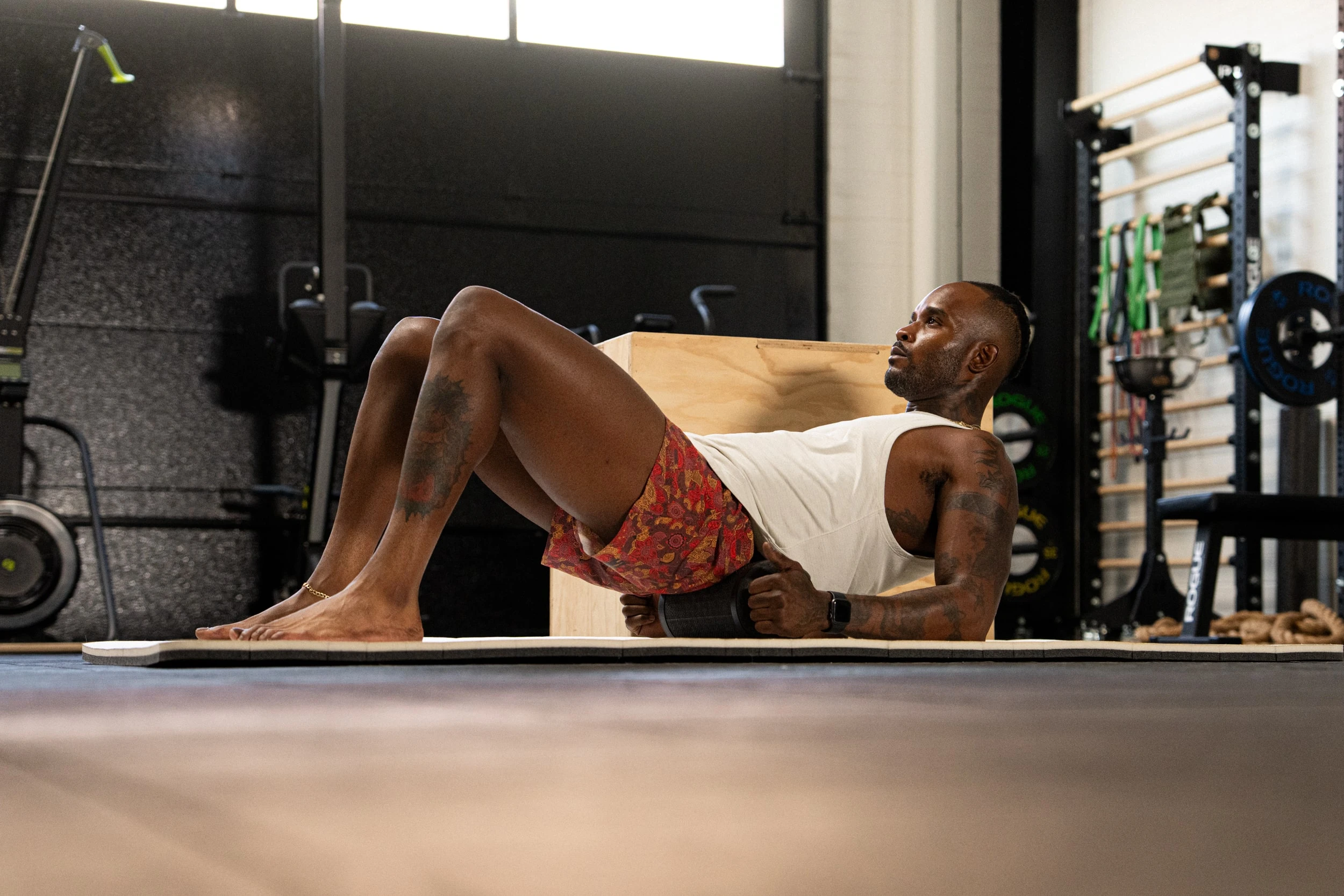
5. Foam Rolling and Massage: Releasing Tension and Increasing Blood Flow

Problem

Muscle soreness often comes with localized tension and restricted fascia (the connective tissue surrounding muscles). This tension limits range of motion and can create compensation patterns that lead to injury.

Mechanism

Applying pressure through foam rolling or massage breaks up adhesions in fascia, increases local blood flow, and triggers a neurological response that helps muscles relax. It doesn't "break up lactic acid" (that's a myth), but it does improve tissue quality and reduce the sensation of tightness.

Fix

Spend 10-15 minutes rolling out major muscle groups after training or on recovery days. Move slowly over areas of tension (quads, hamstrings, calves, lats), pausing on tight spots for 20-30 seconds. Pair rolling with stretching for better results.

Outcome

Reduced muscle tightness, improved flexibility, and faster recovery of normal movement patterns. Massage won't eliminate soreness, but it makes moving through it more tolerable.

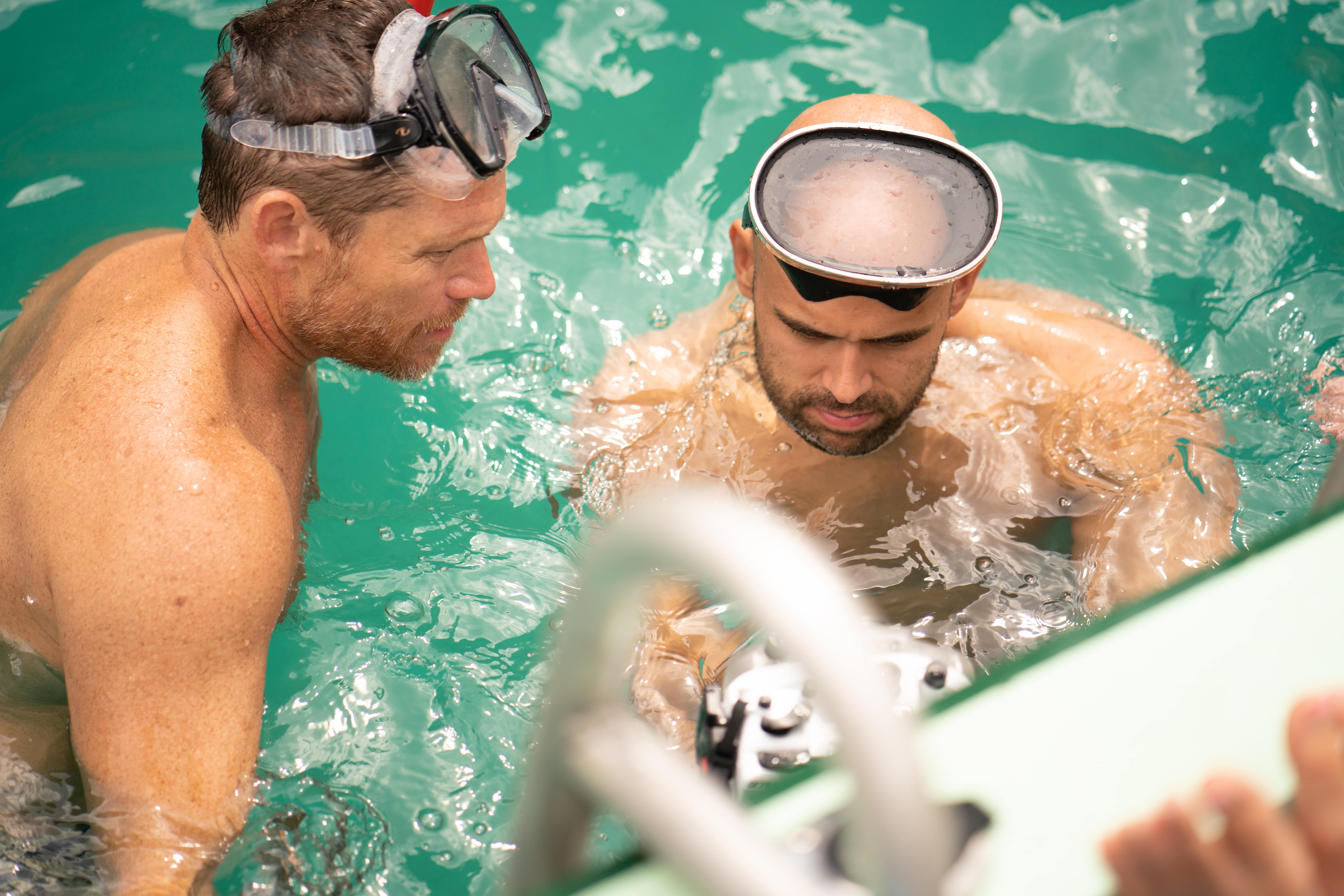
6. Cold-Water Immersion: Numbing Pain, Debatable Healing

Problem

Intense soreness can limit your ability to move, sleep, or perform daily activities. While reducing pain is valuable, the question is whether cold exposure actually accelerates physiological recovery or just masks discomfort.

Mechanism

Cold water constricts blood vessels and reduces nerve activity, thereby decreasing inflammation and numbing pain receptors. According to a systematic review published in Frontiers in Physiology, cold-water immersion has a 99% confidence interval indicating reduced perceived soreness compared to passive recovery, though its effect on actual muscle repair remains unclear.

Fix

If soreness is severe enough to disrupt sleep or movement, immerse yourself in water below 15°C (59°F) for 10-15 minutes within a few hours post-exercise. Use it as an analgesic tool, not a magic recovery accelerator.

Outcome

Reduced soreness perception and improved comfort in the 24-48 hours post-exercise. Just know you're treating symptoms, not necessarily speeding up the underlying repair process.

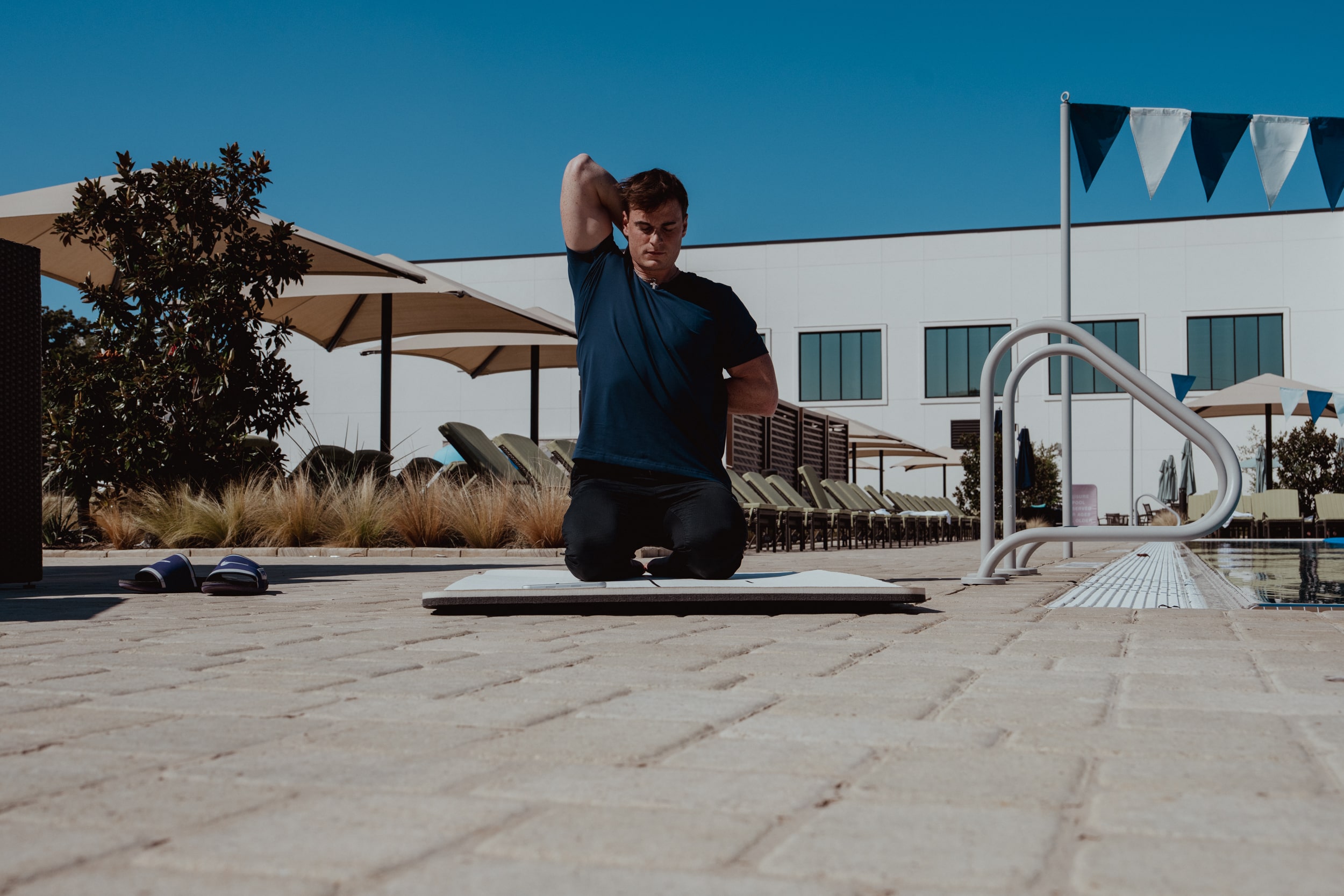
7. Yoga and Stretching: Conditioning Muscles to Handle Stress

Problem

Tight, inflexible muscles are more prone to damage under load because they can't absorb force efficiently. Chronic tightness also limits range of motion, forcing compensations that increase the risk of injury.

Mechanism

Regular stretching and yoga improve muscle elasticity, joint mobility, and neuromuscular control. Over time, conditioned muscles handle eccentric stress (the lengthening phase that causes soreness) more effectively, reducing the severity of DOMS.

Fix

Incorporate 15-20 minutes of stretching or yoga 3-4 times per week, focusing on areas you train hardest. Dynamic stretching before workouts prepares muscles for load. Static stretching or yoga after training promotes relaxation and long-term gains in flexibility.

Outcome

Less severe soreness over time as muscles adapt to training stress. You'll also move better, which reduces the risk of compensatory injuries.

8. Warm-Up and Cool-Down: Priming and Protecting

Problem

Jumping straight into intense exercise without preparation shocks cold, stiff muscles, increasing the likelihood of excessive damage and prolonged soreness. Similarly, stopping abruptly traps metabolic waste in tissue.

Mechanism

A proper warm-up increases muscle temperature, improves blood flow, and activates the nervous system, preparing muscles to handle load safely. A cool-down gradually reduces heart rate and helps flush metabolites before they settle.

Fix

Spend 10-15 minutes warming up with dynamic movement (arm circles, leg swings, light jogging) and mobility drills. After training, cool down with 10 minutes of easy aerobic activity (walking, slow cycling) followed by static stretching.

Outcome

Reduced initial muscle damage, less severe soreness, and faster recovery between sessions. Warm-ups and cool-downs are the easiest interventions to implement and among the most effective.

9. Topical Ointments Temporary Symptom Management, Not Actual Recovery

Problem

Severe soreness interferes with everyday activities.

Mechanism

Cooling, numbing, and tingling ingredients in products like BenGay or Tiger Balm overpower pain signals by distracting your senses, but they don't penetrate deep enough to reach muscle tissue.

Fix

Apply to sore areas for temporary relief so you can function.

Outcome

Pain masking that feels better temporarily but doesn't speed up underlying recovery.

When it works

For managing discomfort during the 12 to 48-hour DOMS window. 

When it doesn't

For actual tissue repair or long-term recovery improvement.

Pliability's mobility app offers targeted recovery routines designed to address muscle soreness through guided mobility work. Rather than cycling through generic stretches, the app provides expert-led sessions focused on the muscle groups that need the most attention, combining circulation benefits with tension release in a structured approach.

But knowing what to do is only half the equation; the other half is building a system that makes recovery automatic instead of optional.

Related Reading

  • Benefits Of Contrast Therapy

  • How Often Should You Do Contrast Therapy

  • Ice Bath Vs Contrast Therapy

  • Should You Workout With Doms

  • Does Protein Help With Muscle Soreness

  • How Long Does Doms Last

  • Does Drinking Water Help With Sore Muscles

  • Best Recovery Methods For Athletes

  • What Are Doms In Weightlifting

  • Workout Recovery Tips

Make Recovery Part of Your Training Instead of Guessing Through It

The biggest mistake isn't training too hard. It's not having a structured recovery plan that matches your training intensity. Most people stretch randomly when tight, rest completely when soreness peaks, or cycle through recovery methods without knowing which addresses their actual limitation. This leaves preventable stiffness and restricted movement in workouts demanding a full range of motion.

🎯 Key Point: Random recovery methods without structure can carry preventable limitations into your next workout.

"The result is carrying preventable stiffness and restricted movement into workouts that demand full range of motion." — Recovery research shows that structured mobility work prevents 80% of movement restrictions.

Pliability was built for this gap. Instead of guessing what your body needs between sessions, our mobility app provides guided routines designed around recovery timelines, movement quality, and the demands of your training.

💡 Tip: Match your recovery intensity to your training intensity for optimal results and faster adaptation.

Inside the app, you'll find:

Recovery Feature

Benefit

Daily mobility sessions

Designed around recovery and movement quality

Guided routines

Restore range of motion after challenging workouts

Personalized programming

Adapts to your needs and schedule

Body-scanning feature

Identifies mobility limitations affecting performance

👉 Start your first recovery-focused mobility session in under 5 minutes. Choose a session based on how your body feels today and follow a guided routine designed to help you move better between workouts.

Start Pliability today and get 7 days free on iPhone, iPad, Android, or the web.

Related Reading

Trusted by 1,000+ Athletes Worldwide

Join thousands worldwide already moving with pliability.

#1 MOBILITY APP

10,000+

5 STAR

REVIEWS

First Week Free. Cancel Anytime.

Trusted by 1,000+ Athletes Worldwide

Join thousands worldwide already moving with pliability.

#1 MOBILITY APP

10,000+

5 STAR

REVIEWS

First Week Free. Cancel Anytime.

Trusted by 1,000+ Athletes Worldwide

Join thousands worldwide already moving with pliability.

#1 MOBILITY APP

10,000+

5 STAR

REVIEWS

First Week Free. Cancel Anytime.

Trusted by 1,000+ Athletes Worldwide

Join thousands worldwide already moving with pliability.

#1 MOBILITY APP

10,000+

5 STAR

REVIEWS

First Week Free. Cancel Anytime.

Move better in 10 minutes a day.
10,000+ five-star reviews.