


LEARN
pliability

Pushing hard in a workout and waking up barely able to walk the next day is familiar to most athletes. What matters is knowing whether that soreness signals healthy adaptation or something far more serious. Delayed-onset muscle soreness and rhabdomyolysis sit at opposite ends of the post-workout spectrum, and correctly distinguishing the difference can mean the gap between smart recovery and an emergency room visit.
Understanding what is actually happening inside the muscles helps athletes train with confidence and act quickly when the body sends a real warning. Search doms vs rhabdo on Reddit or Google and you'll find no shortage of lifters asking whether their post-leg-day soreness is normal, and the answer matters more than any single search result: knowing the difference is what keeps a rough week of soreness from turning into a hospital visit.
table of contents
Is Extreme Muscle Soreness After Exercise Normal?
What DOMS Actually Feels Like vs Dangerous Muscle Damage
Is It Rhabdomyolysis? When to Contact a Doctor for Muscle Soreness
How Sore is Too Sore? Comparing DOMS vs Rhabdo
What To Do If You're Unsure: Safe Recovery vs Emergency Response
Build a Recovery Routine That Helps You Tell the Difference
summary
Delayed onset muscle soreness (DOMS) is a normal byproduct of exercise, not a sign of injury. It results from microscopic tears in muscle fibers during eccentric loading, which trigger a localized inflammatory response. Symptoms typically peak 24 to 72 hours after exercise and resolve within 3 to 5 days, often with a temporary drop in muscle strength that recovers as the tissue repairs.
Rhabdomyolysis is a fundamentally different condition that affects the body systemically. When muscle breakdown becomes severe enough, ruptured muscle cells release myoglobin directly into the bloodstream, placing the kidneys under serious filtration stress. A meaningful share of rhabdo cases progress to acute kidney injury, which is why early recognition is critical rather than optional.
The two conditions share enough early overlap to create a genuine diagnostic blind spot. Both produce delayed soreness, both feel worse in the 24 to 48-hour window after exercise, and both can seem like a reasonable consequence of hard training. The key differentiators are symptom behavior over time and whether the damage stays localized or becomes systemic, not how intense the pain feels.
Dark or cola-colored urine is the clearest clinical threshold separating DOMS from rhabdo. It signals that myoglobin has reached dangerous concentrations in the kidneys, meaning the condition has progressed beyond early warning. Combined with worsening pain past the 48-hour mark and systemic fatigue, this presentation requires same-day medical evaluation, not rest and hydration.
The "no pain, no gain" culture creates real harm by normalizing extreme post-workout suffering without providing any reference point for what abnormal muscle breakdown actually looks like. Athletes who lack a consistent recovery baseline are more likely to rationalize escalating symptoms as earned soreness, which delays care in situations where timing matters most.
Rhabdomyolysis is not limited to elite athletes in extreme conditions. The condition has been documented in military training cohorts, high-intensity group fitness programs, and cases involving relatively modest exercise volume in unaccustomed individuals. Novelty, sudden increases in training volume, and the absence of structured recovery all contribute to risk, independent of overall fitness level.
is extreme muscle soreness after exercise normal?
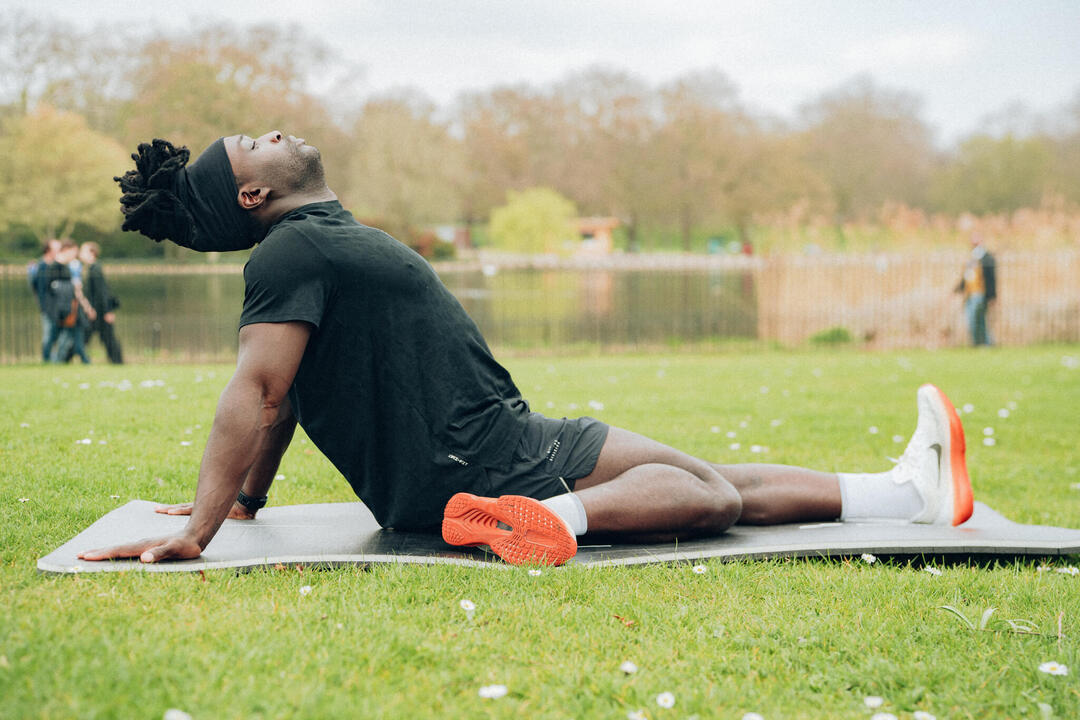
Most people walk out of a hard training session feeling proud of the effort. Then they wake up two mornings later, barely able to lower themselves onto a chair. Gym culture has spent decades reinforcing the belief that soreness intensity equals training quality: the infamous "no pain, no gain" mentality supposedly proves you pushed hard enough. That belief measures damage, not progress, and in certain situations, acting on it is dangerous.
Tip: Feeling sore 2 days after training is a classic sign of Delayed Onset Muscle Soreness (DOMS), a normal response to a new or intense exercise stimulus.
Warning: Extreme soreness is not a reliable indicator of a good workout. Chasing pain can lead to overtraining, injury, and prolonged recovery setbacks that stall your progress.
why does soreness intensity mislead so many people?
How sore you feel does not reliably indicate whether your muscles are adapting normally or signaling a need for medical attention. DOMS symptoms typically peak 24 to 72 hours after exercise. This lag normalizes even severe delayed pain as a natural consequence rather than a signal worth examining, creating a blind spot.
when soreness becomes something else
Delayed onset muscle soreness results from tiny tears in muscle fibers, a normal inflammatory response that helps your body adapt and build strength. Rhabdomyolysis is fundamentally different: muscle breakdown becomes so severe that damaged muscle cells release myoglobin into the bloodstream, overwhelming the kidneys and potentially causing permanent organ damage. Early symptoms, deep muscle pain, stiffness, and swelling, can feel deceptively similar to aggressive DOMS. Most people assume they trained hard and wait for soreness to pass, unaware of the overlap that makes rhabdo dangerous.
Why does fitness culture make this distinction harder to see?
The "no pain, no gain" culture discourages athletes from questioning whether their pain is appropriate. Fitness influencers normalize extreme post-workout suffering as a sign of effort, leaving athletes unable to distinguish between normal breakdown and dangerous breakdown. Some push through warning signs that deserve immediate attention; others worry over normal DOMS and pull back from effective training.
What signals reveal that rhabdo is developing rather than normal soreness?
Most athletes rest, hydrate, and wait, an approach that works for DOMS but fails when rhabdo is developing. Rhabdo does not improve with rest the way normal soreness does. A key clinical marker is an elevation in blood creatine kinase, detectable only through blood tests. Dark or cola-colored urine indicates that myoglobin is reaching the kidneys. If pain persists longer than a week after a workout, it is worth checking in with a doctor rather than waiting it out. Normal DOMS resolves; rhabdo worsens. That trajectory is the clearest signal.
Since soreness alone cannot reveal what is happening inside your muscles, the real question becomes: what does each condition feel like, and where exactly is the line between them?
what DOMS actually feels like vs dangerous muscle damage

Both conditions start the same way, which causes significant confusion. Soreness shows up, and you think it's deserved. But the body's story underneath each one is completely different, and that difference separates productive training from a medical emergency.
Signal | Normal DOMS | Rhabdomyolysis |
|---|---|---|
Onset | 24 to 72 hours after exercise | Often the same window, sometimes sooner, then keeps escalating instead of fading |
Pain type | Dull, achy, diffuse soreness | Severe, sharp pain that's disproportionate to the workout |
Response to movement | Eases with light movement and gentle stretching | Persists or worsens at rest and with movement alike |
Swelling | Mild or none | Significant, rapid swelling |
Urine color | Normal | Dark, brown, or cola-colored |
Systemic symptoms | None | Fever, nausea, confusion, or unusual fatigue |
Kidney risk | None | Real, can progress to acute kidney injury |
Duration | Resolves in 3 to 5 days | Persists or worsens without treatment |
What to do | Rest, hydrate, light activity | Seek medical care the same day |
Takeaway: If your pain is sharp, worsening, or accompanied by dark urine or severe swelling, stop training and consult a doctor, this is not normal DOMS.
Warning: Never dismiss extreme localized pain as "just soreness." Conditions like rhabdomyolysis can develop rapidly and become life-threatening if left untreated.
the DOMS pathway is localized, functional, and predictable
Eccentric loading, downhill running, heavy squats, or the lowering phase of a bicep curl, creates tiny tears in muscle fibers. These trigger an inflammatory response: immune cells flood the area, fluid builds up, and tissue swells. That swelling presses on nerve endings, causing the stiffness and deep ache you feel. Soreness peaks between 24 and 72 hours after exercise, then gradually resolves over three to seven days as tissue repairs. DOMS also causes a temporary reduction in muscle strength, which explains why your legs feel unreliable on stairs two days after a hard run despite no structural damage. The damage remains localized to where the work occurred.
what happens inside the body during rhabdomyolysis?
Rhabdomyolysis operates on a different mechanism. Muscle cell membranes rupture, releasing myoglobin directly into the bloodstream. The kidneys become overwhelmed filtering myoglobin, which normally doesn't circulate freely. Creatine kinase (CK) levels exceed 5,000 U/L in rhabdo cases, compared to small increases with normal DOMS. Dark or cola-colored urine signals dangerous myoglobin accumulation in the kidneys. This is a whole-body chemical injury with genuine kidney failure risk.
Most people handle soreness with rest and ibuprofen, an approach that works for DOMS but delays recognition of rhabdo, where waiting is dangerous.
why do the two conditions feel deceptively similar?
Both DOMS and rhabdomyolysis involve delayed soreness that peaks 24 to 48 hours after exercise, making them feel like reasonable consequences of hard training. Beginners are especially vulnerable because they lack a reference point for normal post-exercise discomfort. Experienced athletes face the same trap when dramatically increasing volume or switching modalities, both of which reset their baseline.
What actually separates the two conditions at a deeper level?
The critical difference is not how much pain you feel, but what is breaking down in your body: DOMS is localized, functional soreness that leaves the system intact, whereas rhabdomyolysis is systemic biochemical injury that stresses the entire body. One resolves on its own. The other can land you in a hospital.
The real danger is missing the progression from normal discomfort to clinical warning signs: not knowing which signals matter when it counts.
is it rhabdomyolysis? when to contact a doctor for muscle soreness
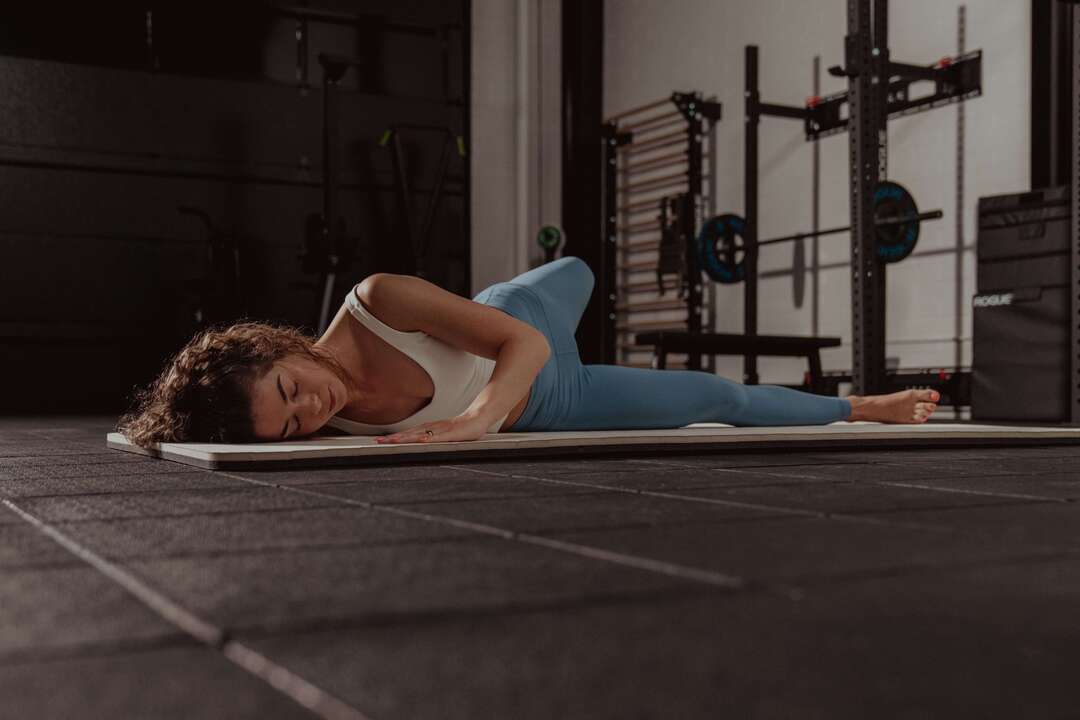
Most soreness after working out is not dangerous. But rhabdomyolysis is a serious medical condition, and recognizing it early is the difference between getting clinical help and preventing a crisis. Rhabdomyolysis occurs when damaged muscle tissue releases proteins into the bloodstream, potentially leading to kidney failure if left untreated.
Warning: Not all muscle soreness is created equal, rhabdomyolysis symptoms like dark or cola-colored urine, severe swelling, and extreme muscle weakness require immediate medical attention.
Tip: If your soreness feels dramatically different from typical post-workout fatigue, especially alongside decreased urination or unusual discoloration, contact a doctor right away. When in doubt, always err on the side of caution.
what are the defining symptoms that separate rhabdo from normal soreness?
Your body gives clear signals when muscle breakdown crosses into dangerous territory. The CDC's occupational health guidance on rhabdomyolysis points to three defining symptoms: severe muscle pain, significant weakness, and dark tea- or cola-colored urine. Dark urine indicates that myoglobin, the oxygen-carrying protein released from ruptured muscle cells, is circulating in your bloodstream and filtering through your kidneys, not dehydration. By the time you see it, the condition has already progressed.
The kidney burden is where rhabdo becomes dangerous. Myoglobin is toxic to kidney tissue at high concentrations. Creatine kinase levels above 5,000 U/L signal serious stress, and higher levels increase the filtration burden. A meaningful share of rhabdo cases progress to acute kidney injury. Delayed care risks permanent organ damage; the kidneys do not recover the way muscles do.
why does the timeline of rhabdo symptoms create a dangerous comfort zone?
The failure point is usually misreading the timeline. Most people expect a medical emergency to feel sudden. Rhabdo symptoms typically peak between 24 and 72 hours after the triggering event, the exact same window as severe DOMS. That overlap creates a dangerous comfort zone where athletes rationalize extreme soreness, weakness that makes climbing stairs difficult, or localized swelling as a hard training effect.
Weakness affecting basic movement is not normal soreness. Fever, nausea, or confusion alongside muscle pain indicates a systemic injury requiring emergency care.
when should you actually contact a doctor about muscle soreness?
The deciding factors are symptom severity, which symptoms occur together, and how they change over time. One sore muscle group that hasn't improved after 48 to 72 hours, combined with reduced or darkened urine output, warrants same-day medical attention. Soreness spread across your whole body after a hard workout with normal urine is almost certainly DOMS.
Knowing which signals matter is the skill: the line between manageable and dangerous is more specific than most people expect.
how sore is too sore? comparing DOMS vs rhabdo
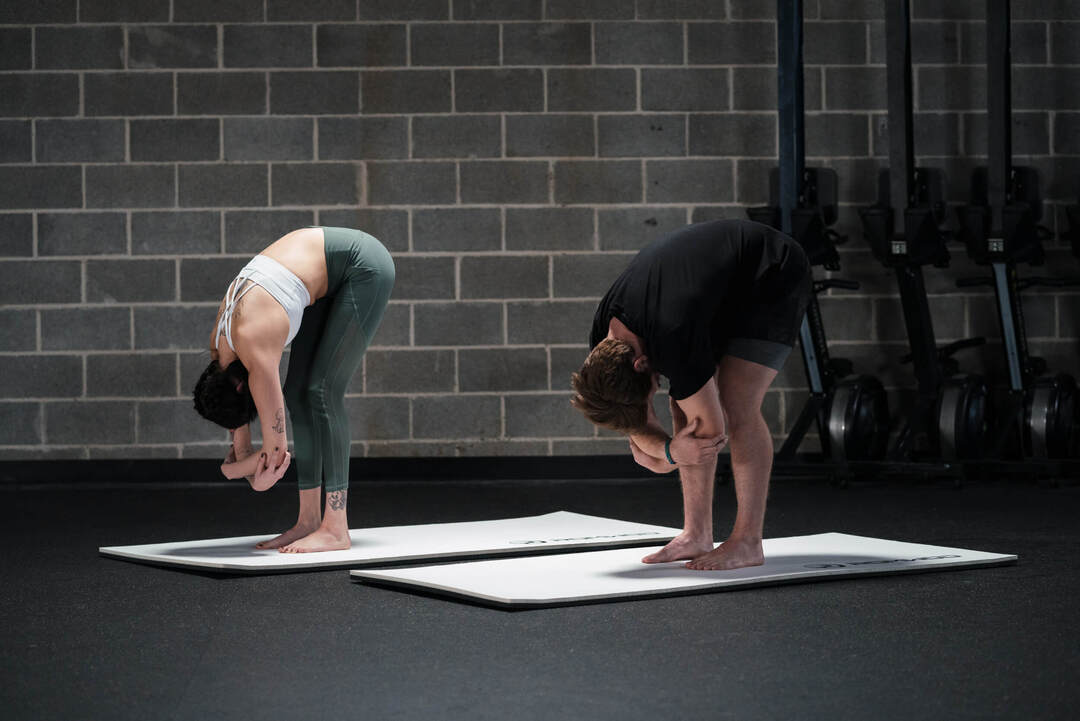
The challenge isn't understanding DOMS or rhabdomyolysis, it's knowing exactly where normal soreness ends and medical risk begins. Both involve exercise and muscle pain, but one gets better with rest and light movement, while the other can shut down your kidneys within days.
why timing tells you more than intensity
DOMS typically peaks 24 to 72 hours after exercise and lasts 3 to 5 days. Rhabdo differs: symptoms appear within hours and worsen rapidly over the next day or two rather than plateau. If your pain worsens instead of leveling off, that pattern signals a serious problem.
how symptoms behave under pressure
The second axis is symptom behavior. DOMS responds to light movement, a short walk, gentle stretch, or blood flow through affected tissue softens the stiffness. The soreness is symmetrical, localized to trained muscle groups, and eases at rest. Rhabdo does the opposite: pain persists at rest, worsens over time rather than improving with gentle activity, and may involve extreme tenderness or visible swelling beyond normal post-workout tightness. Pain at rest versus pain with movement is one of the clearest behavioral separators between the two conditions.
what separates an uncomfortable week from a medical emergency?
Systemic involvement separates an uncomfortable week from a medical emergency. DOMS stays local, no fever, nausea, urine discoloration, or confusion. Rhabdo crosses into the rest of your body: dark, cola-colored urine from myoglobin flooding the kidneys faster than they can process it, systemic fatigue that feels categorically different from ordinary tiredness, low-grade fever, or unexplained nausea. When soreness produces signals from other body systems, the clinical threshold has shifted.
why the confusion is almost inevitable
Both conditions start after exercise, creating a causal trap: your brain links soreness to the workout and labels it "normal." The "no pain, no gain" culture reinforces this instinct. Early rhabdo is especially deceptive because its first hours feel almost identical to aggressive DOMS before systemic signs emerge.
Why can't you feel the difference without a blood test?
People lack a numeric anchor for severity. A CK level above 5,000 U/L is the clinical threshold for concern, and rhabdo can push that number to ten times normal or beyond, but without a blood test, you cannot feel the difference between elevated and critically elevated. How the condition progresses and affects the body matters more than symptom intensity for diagnosis.
What actually separates the two conditions in practice?
The real difference is whether symptoms are moving in the right direction and staying in your muscles. Knowing the framework is one thing. Applying it to how your body feels after your specific workout is where most people get stuck.
what to do if you're unsure: safe recovery vs emergency response
Knowing the difference between DOMS and rhabdomyolysis only matters if it actually changes what you do next. Move through the decision framework honestly, without letting discomfort bias your judgment. The line between safe recovery and a medical emergency is crossed when symptoms shift from expected soreness to warning signs your body cannot ignore.
Warning: Never let wishful thinking override physical warning signs. If you are unsure, always err on the side of emergency response, the cost of acting too late is far greater than a precautionary ER visit.
step 1: classify what you're actually feeling
Start with timing and behavior. DOMS arrives 24 to 72 hours after exercise, feels localized to the muscles you worked, and improves with gentle movement. Light activity helps because increased circulation clears metabolic waste from the tissue. If a 10-minute walk or gentle mobility session reduces soreness within minutes, your body is functioning as designed.
step 2: watch for escalation, not just intensity
The failure point is usually misreading "a lot of pain" as the same thing as "getting worse pain." They are not the same. If your soreness worsens past the 48-hour mark, if swelling increases rather than plateaus, or if fatigue seems disproportionate to your effort, these are warning signs consistent with how rhabdomyolysis typically progresses. Rhabdo doesn't plateau the way DOMS does; it continues to escalate.
step 3: recognize the non-negotiable triggers
Dark urine, severe weakness that prevents normal activities, fever, or confusion require immediate medical evaluation. DOMS is an inflammatory adaptation confined to muscle tissue, while rhabdo is muscle breakdown that exceeds your body's ability to clear it safely. When myoglobin floods the bloodstream in large amounts, the kidneys sustain collateral damage.
the decision rule that simplifies everything
If symptoms improve with movement and time, treat it as DOMS. If they worsen, spread throughout your body, or produce dark urine, treat them as a medical situation until a doctor tells you otherwise. This removes guesswork: local and improving indicates recovery, while systemic and escalating indicates the need for care.
How does treatment for rhabdomyolysis protect the body?
Treatment for confirmed rhabdomyolysis centers on aggressive fluid intake to keep myoglobin soluble and protect kidney function, typically 1 to 2 liters per hour under medical supervision, with IV fluids used in severe cases. Excessive fluid carries risks, particularly electrolyte imbalance, necessitating medical oversight.
Most people are surprised by how much simpler their next decision becomes once they can tell the difference between the two in real time.
build a recovery routine that helps you tell the difference
Body awareness is your most useful tool for sorting out soreness quickly. The practical question is always: is this getting better or worse? DOMS and rhabdomyolysis can start with similar symptoms, but they diverge based on progression, systemic involvement, and functional decline, not simply pain level. If you train hard enough to wonder whether today's soreness is normal, the fix isn't guesswork, it's a recovery routine you actually stick to and a real baseline for what your body normally feels like.
pliability turns structured recovery work into guided video sessions: Daily Sessions give you a fresh routine every day, Paths run a multi-week progression for building a real recovery habit, and Build Your Program shapes a plan around your own training load. Take the mobility assessment to see where you're actually restricted, and if you're coming back from a hard training block, the Rebuild hub has session series built for that. None of this replaces medical care: if you ever see dark or cola-colored urine, severe swelling, or pain that keeps getting worse instead of easing, stop training and call a doctor. For everyday training soreness, start with 7 days free on iPhone, iPad, Android, or the web.
Related Reading




Move better in 10 minutes a day.
10,000+ five-star reviews.