


LEARN
pliability

Muscle soreness can slow you down after an intense workout or competition as you try to recover and return to peak performance. You want to get back on track quickly to avoid losing your edge. Rest and recovery are crucial to preventing injuries, reducing muscle soreness, and enhancing performance. So, what's the best recovery tool for athletes? If you're like most athletes, you've probably heard that using a sauna can help. A sauna can be beneficial for muscle recovery. In this article, we'll explore the science behind sauna use for recovery to help you understand how to use the sauna effectively to reduce muscle soreness and accelerate recovery.
is sauna good for muscle recovery?

Saunas have been used for centuries as a form of:
Relaxation
Rejuvenation
In recent years, saunas have gained popularity among athletes and fitness enthusiasts for their potential benefits in muscle recovery. But how exactly do saunas impact muscle recovery?
heat therapy
Understanding saunas and their physiological effects is key to answering this question. Saunas are typically heated to temperatures between 170 and 212 degrees Fahrenheit, which causes the body to:
Sweat
Increase blood flow
This increase in blood flow can potentially aid in muscle recovery by delivering more oxygen and nutrients to the muscles. The heat from the sauna can help relax muscles and reduce muscle tension, which can also aid in recovery.
relaxation and stress relief
When you're in a sauna, you get hot, and you sweat. As your core temperature rises, you may experience an increased skin temperature, elevated pulse rate, and dilated blood vessels. This happens as your heart begins to pump more blood, and you start to sweat.
Relaxation
Saunas have traditionally been used to help people feel calm and to relax muscles. As your heart rate goes up and your blood vessels dilate, blood flow to the skin increases, which may cause some people to feel relaxed. Your sympathetic nervous system becomes more active to maintain a temperature balance in your body.
Your endocrine glands begin to get involved in this response, and your body's reaction to heat may lead to positive feelings. In some countries like Finland, using the sauna is also a social experience, and the shared, communal nature of a sauna session is part of why people report feeling good afterward.
pain relief
Some studies suggest that people who have used a sauna report a reduction in pain. In a sauna, blood vessels relax and dilate, blood flow increases, and the experience can:
Help reduce joint tension
Relieve sore muscles
Trial Sessions
This may contribute to pain relief. Saunas may also help reduce chronic pain. One 2019 study found that saunas helped ease lower back pain, though the improvements participants reported were not statistically significant.
If you're managing a chronic pain condition, it's worth treating the sauna as a trial: try a couple of sessions and see whether it improves your symptoms before building it into your routine.
improved blood circulation
Some people report improved circulation and cardiovascular health from using a sauna. In a 2022 case-control study, sedentary adults were randomly assigned to an exercise group or a group with exercise and a sauna.
The group assigned exercise combined with sauna bathing saw:
Improved cardiorespiratory fitness
Decreased systolic blood pressure
Lowered total cholesterol levels
Future Research
More research is needed to pin down how often you'd need to use a sauna to see these benefits. Since the study combined sauna use with exercise, it's difficult to know how much of the benefit came from:
The increased exercise itself
The sauna exposure on its own
increases cardiorespiratory health
Adapting to sauna heat over time can increase plasma volume, which in turn supports better cardiorespiratory fitness.
Fitness Impact
Cardiorespiratory fitness is the capacity of your circulatory and respiratory systems to supply oxygen to your muscles, heart, and lungs when you work out. A small study published in 2015 found that sauna bathing after normal training expanded plasma volume in cyclists after four sessions.
Researchers were uncertain about the effects on heart rate, and the study didn't measure performance benefits directly.
helps preserve muscle mass
Regular sauna use may help support your broader fitness goals. A 2021 study on how saunas might extend healthspan, meaning the number of years you live with vitality, found that sauna use may help preserve muscle mass and guard against inflammation.
enhances VO2 max
If you want to improve your cardiovascular fitness, evidence published in the American Journal of Physiology found that using the sauna for 15 minutes after exercise three times per week for 8 weeks improves VO2 max more than exercise alone.
When sauna was combined with exercise, blood pressure and total cholesterol levels improved as well.
how to use the sauna for recovery

Sauna use falls into the stimulation category of recovery because it drives your heart rate and core temperature up, meaning it's a form of stress that activates your stress response system. That makes it particularly useful during intense training periods, when you start to see heart rate variability consistently higher than normal.
This can happen during prolonged periods where you're under more stress than you can effectively recover from. When this happens, your parasympathetic rest-and-recover system can become burnt out from constantly trying to kick your body into a recovery state. This is often called parasympathetic overreaching or overtraining.
recovery stimulation
When you get to this point, it's common to notice signs during training, sleep, and daily life such as:
General fatigue
Lack of motivation to train
Heart rate variability changes
A lower resting heart rate
The sauna works because it provides a very mild sympathetic stimulus that triggers the body's adaptive mechanisms without placing physical stress on the body. It's akin to jump-starting a car; it gets things going again. This is pretty much how all stimulation recovery techniques work.
why you shouldn't use the sauna all the time for recovery
It's easy to think that using the sauna or other types of stimulation methods all the time is a good way to turbocharge your recovery. The problem with this idea is that you need a certain amount of daily and weekly stress to force the body to adapt to it and get more fit. If you're constantly using these types of recovery methods to promote recovery all the time, you may lose the benefits of the loading.
Stress Management
Stress itself isn't bad. Without it, you'd never improve. It's too much stress for too long, more than your body can recover from, that's what you need to avoid.
If you feel like you have to use the sauna or other recovery methods constantly, you'd probably be better off dialing back the level of stress in the first place. Knowing when to use the sauna and getting the dose right is key.
the ultimate sauna recovery method
This method is an old-school Russian sauna method. It takes some time, but it is an effective line of defense against chronic stress when needed. Try to follow these specific guidelines as closely as possible for the greatest recovery benefit:
1. Preheat the sauna to the highest temperature possible. At least 200 degrees Fahrenheit (93.3 degrees Celsius) is preferable.
2. Get in the sauna and stay until you break a sweat, then get out.
3. Rinse off in lukewarm water for 5–10 seconds, then get out of the shower, pat yourself off, wrap a towel around yourself, and sit down for 2–3 minutes.
4. Return to the sauna and stay for 5–10 minutes. The original method calls for staying in until 150 drops of sweat have dripped off your face, which is 5–10 minutes for most people.
5. Take another shower. This time, make it as cold as possible and stay in it for 30 seconds. Let the water cover your head completely the entire time.
6. Get out of the shower, pat yourself dry, wrap a towel around yourself, and sit down and relax until you stop sweating entirely and your skin is dry. This typically takes anywhere from 3–10 minutes.
7. Return to the sauna and stay in for 10–15 minutes, then get out.
8. Repeat steps 5 and 6.
9. Return to the sauna for 10–15 minutes, then get out.
10. Take another shower. Make it reasonably warm this time, and stay in for 1-2 minutes.
11. Dry completely off, lay down, and relax for 5-10 minutes.
This method is effective because it manipulates heat and body temperature to stimulate both the sympathetic and parasympathetic systems in sequence. Used correctly, it can be a genuinely effective way to boost recovery.
risks of sauna use
Using a sauna can have risks, especially if you're doing it wrong or going too often. If you have any kind of chronic health condition, it's best to talk to your doctor before trying out the sauna. Here are some of the most significant risks:
Dehydration
Because you're sweating, you may be at risk for dehydration. That's why it's essential to hydrate before hitting the sauna and refrain from alcohol, or take water into the sauna with you.
Before using the sauna, make sure you're hydrated enough that your urine is a pale yellow.
You need 12 to 16 ounces of fluids to rehydrate from your exercise session and maintain hydration while in the sauna.
Use the sauna on your off days when you can. If you use it after exercise, add electrolyte powder or sip on an electrolyte drink before hopping in.
Dizziness
If you're dizzy or lightheaded, it's time to get out. Before you step into the sauna, discussing your plans with your doctor, particularly if you have any preexisting conditions, is also a good idea. Other potential sauna risks include:
Low blood pressure
Airway irritation
Temporary Low Sperm Count
There may be reason to avoid frequent sauna visits if you're trying to conceive: some studies have found that sauna use may reduce sperm count, although the effect is temporary.
Blood Pressure Issues
If you've experienced low or high blood pressure or have had a heart attack, talk to your doctor before using a sauna.
If you have low blood pressure and do get the OK, keep your sauna session short.
Stay hydrated while you're in there, and get out if you start to feel lightheaded.
The same is true if you take blood pressure medication. It lowers your blood pressure, and so does heat exposure, which could put you at risk of passing out or getting lightheaded.
methods to combine with sauna for muscle recovery

A helpful order for stacking recovery methods:
Drinking
Snacking
Active recovery
Stretching (including foam-rolling)
Infrared sauna
Check with your doctor to get the go-ahead, then begin making time for recovery.
replenish fluids and fuel after exercise
When you finish a tough workout, your body needs fluids and nutrients to kickstart recovery. Hydrating and eating before a sauna session can help you feel better and get more out of it. If your session was long and taxing and you sweated a lot, a sports drink or coconut water can help replenish electrolytes like:
Sodium chloride
Potassium
Magnesium
Calcium
A common sports-medicine guideline is to drink roughly eight ounces every 30 to 60 minutes in temperate conditions, and about 12 ounces every 30 to 60 minutes in hot and humid conditions. Then, within 90 minutes of exercise, aim for a snack with both protein and carbohydrates.
Protein helps repair and rebuild muscle tissue, while carbohydrates replenish glycogen, the glucose stored in your muscles and liver. Chocolate milk, a ham or turkey sandwich, or a whole-grain roll with hard-boiled eggs all work.
foam rolling: the other recovery tool
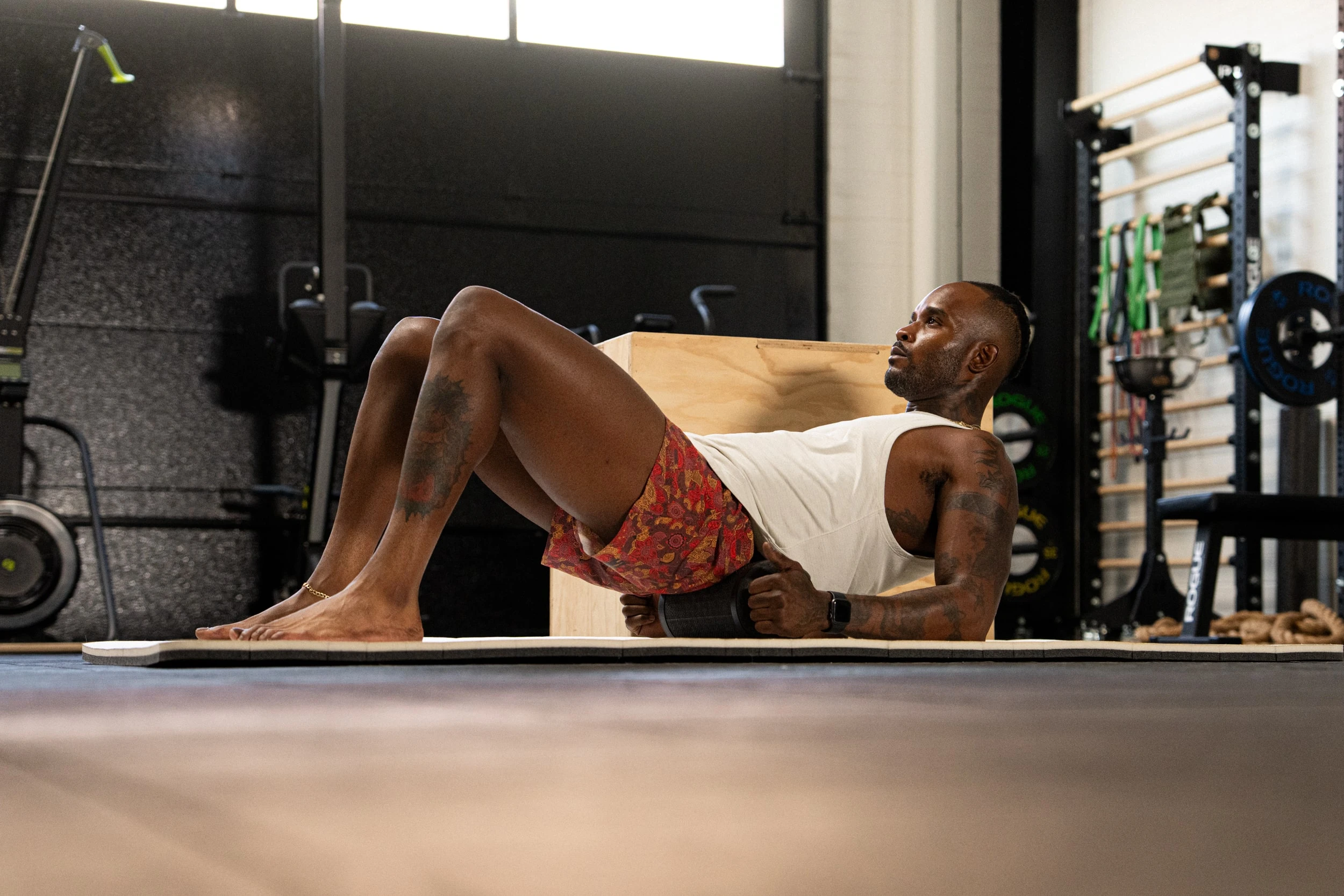
Foam rolling, also known as self-myofascial release, helps release muscle trigger points, or knots and adhesions, decreasing pain and tightness. Maintaining pressure on a trigger point with the foam roller encourages the muscle fibers under it to stretch, unknot, and realign.
To try this form of stretching, slowly roll, holding the foam roller on the most tender areas for 30-90 seconds each.
stretch out to enhance recovery
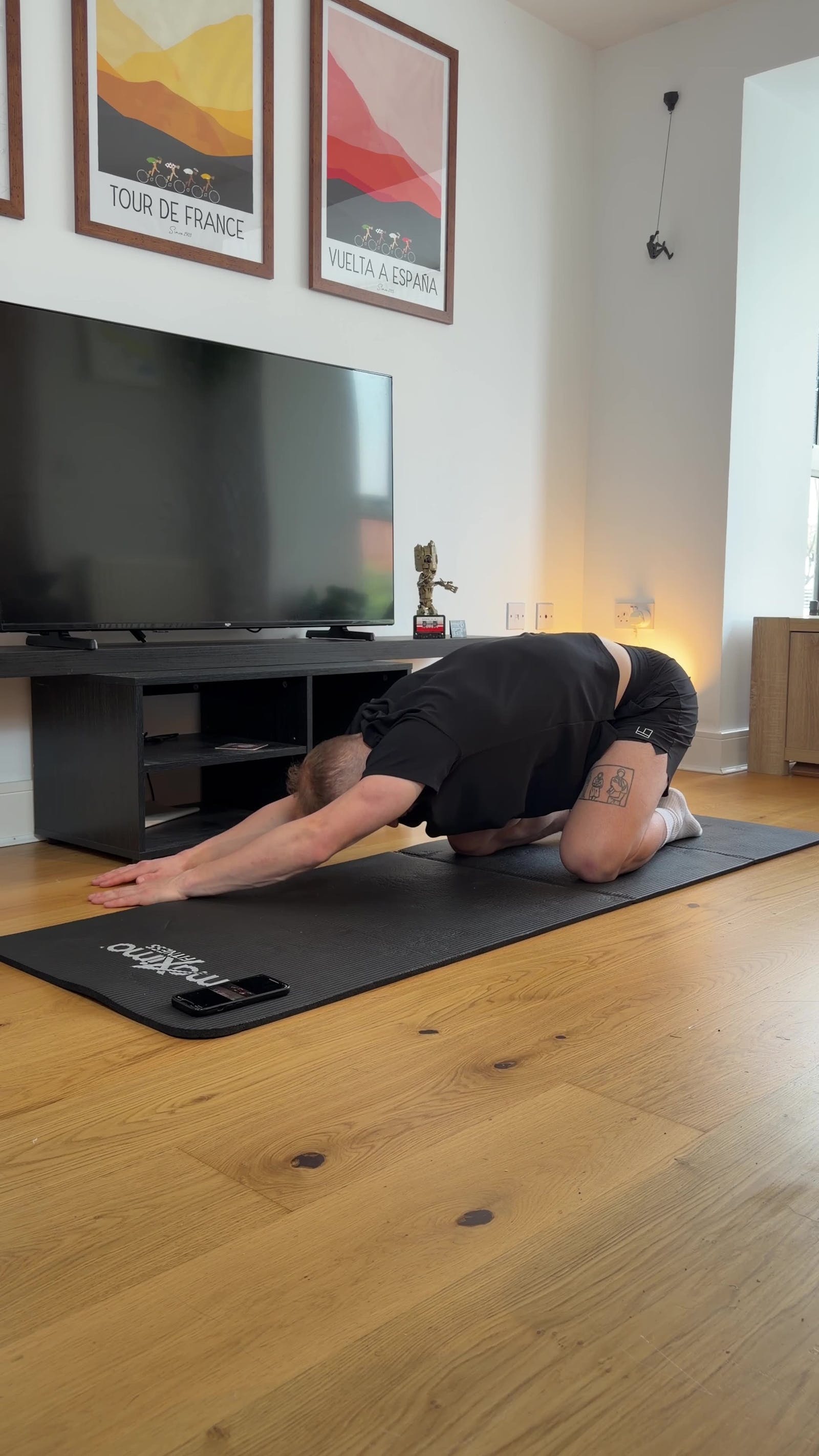
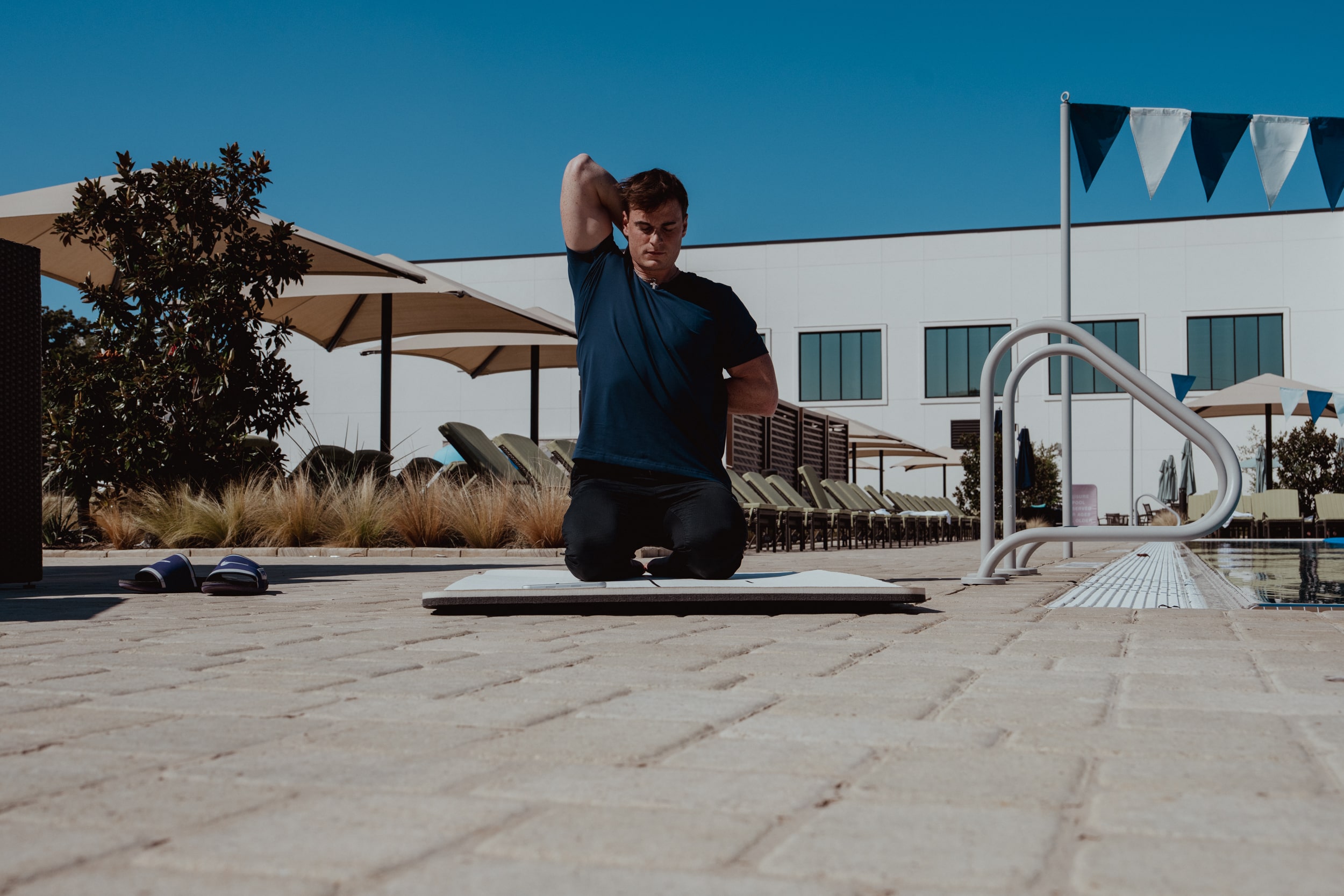
Studies show that static stretching after exercise helps improve recovery. Stretching decreases muscle tension and increases blood flow, and better blood flow supports recovery by increasing the rate nutrients travel through the body. Try five to 10 minutes of static stretches, meaning poses you hold over time.
Think: Seated butterfly stretches or forward bends. As a side benefit, many of these stretches, like legs up the wall or child's pose, help improve sleep quality too. While you stretch, add some slow breathing to further your relaxation.
prioritize sleep
Sleep is one of the most effective, and most overlooked, recovery tools available to you. Restful sleep is critical to recovery and usually all that's needed alongside hydration and nutrition. Skimp on sleep for long enough and the stress hormone cortisol can build up in your system, which gets in the way of recovery. The effects of sleep and nutrition aren't always visible right away, but they matter for performance over the long run.
Sleep Recovery
Prioritize sleep even more after intense exercise. Both major stages of sleep matter for recovery. During non-rapid eye movement (NREM) sleep, which makes up most of the night, your muscles and tissues repair and your energy stores replenish.
During rapid eye movement (REM) sleep, a smaller share of the night, your brain does its own recovery work. Cut that phase short and your reaction time, effort, intensity, and motivation all tend to suffer.
improve your flexibility with our mobility app today | get 7 days for free on any platform
pliability is a mobility app built for performance-oriented people and athletes, and it fits naturally into a recovery stack like the one above. Use a short Daily Session as your stretching step, pick a Path built around the sport or problem area you're managing, and take the in-app mobility assessment to see where you're tightest before you plan your next sauna or recovery day. If you're working around pain or an injury, the Rebuild hub is built for that.
Sign up today for 7 days free on iPhone, iPad, Android, or the web to improve flexibility, aid recovery, reduce pain, and enhance range of motion.
Related Reading




Move better in 10 minutes a day.
10,000+ five-star reviews.