


LEARN
pliability

You’re sticking to your workout routine but aren’t seeing the desired results. While you may think you need to push harder, you might benefit from backing off. Recovery time is a critical component of any workout program, but it’s often overlooked. In this article, we’ll explore why it’s important to include recovery time in a workout program and how using the best recovery tools for athletes can help you recover faster, avoid injuries, and maximize muscle growth and performance, so every workout leads to better results.
pliability’s mobility app can help you achieve your recovery goals by providing targeted routines to help you recover faster, avoid injuries, and maximize muscle growth and performance.
why is it important to include recovery time in a workout program?

Most fitness advice urges people to get more exercise. That’s reasonable, considering government data show that only about a quarter of American adults meet the current guidelines for adequate physical activity:
150 minutes of moderate
75 minutes of vigorous aerobic activity per week
Plus two bouts of muscle-strengthening exercise
Meeting these guidelines is crucial since getting enough exercise can improve an individual’s physical and mental health. But it is possible to have too much of a good thing when it comes to exercise. Research suggests that taking strategic time off from your workout routine can maximize the benefits of physical activity and minimize the risks.
the Goldilocks zone of exercise
Rest and recovery are necessary. Fatigue, to a degree, is beneficial because it signifies progress, but there comes a point where fatigue can accumulate and overwhelm the body.
Studies back that up. One published in 2018 argues that there’s a “Goldilocks Zone” for exercise: that is, a sweet spot between getting too little physical activity (which is linked to a higher risk of heart disease and cancer, among other chronic illnesses) and too much (which, especially for middle-aged and older adults, can increase the risk for heart issues and premature death by placing too much strain on the body).
The paper advises against doing more than four or five hours of vigorous exercise per week and recommends at least one rest day.
the risks of overtraining
Other research from 2017 suggests that taking days off can protect against bone loss (particularly for women) and excess inflammation, a risk factor for many chronic diseases. One 2016 study suggests that working out too much could even make you sick.
In the small study, athletes who did intense workouts on back-to-back days saw a drop in proteins that help the immune system fight disease. Over-training also robs your muscles of the time they need to recover.
personalized recovery for optimal performance
There’s no one-size-fits-all prescription for rest. An Olympic-level athlete will have different recovery needs than someone who walks for exercise; similarly, some people might feel best when they take an entire day off, while others may prefer active recovery (like stretching or lower-intensity exercise) to keep their momentum going.
Rather than rigid rules, it helps to take stock of how you’re feeling physically and mentally, things like fatigue, soreness, and drops in performance, and use that information to decide honestly whether more exercise will help or hurt.
intentional recovery for better performance
It’s also essential to recover with intention. It’s possible to rest and recover while exercising, and it’s just as possible to be neither exercising nor resting and recovering.
For example, skipping a workout to wake up extra early and run errands might not help an athlete regain energy. Trading a high-impact workout for yoga might help gym-goers return to their routine feeling loose and refreshed.
redefining exercise for better health
Serial exercisers who feel guilty or restless on days off may benefit from reframing their definition of physical activity.
Numerous studies show that activities not traditionally considered “exercise” (such as walking, cleaning, gardening, and taking the stairs) can help prolong a person’s lifespan and reduce their risk of chronic disease. Even a minute spent walking to the water cooler counts toward that.
why are rest and recovery days important?
Muscle regeneration happens when we rest. Every time you exercise, microscopic tears are created in the muscle. If you’re trying to build muscle, this is a good thing. Fibroblasts repair the microscopic tears.
Cells around the torn fibers work to knit together the damaged fibers. As the muscle heals, the tissue becomes more vigorous, increasing muscle mass.
rest fuels muscle growth and energy replenishment
Without rest, this regenerative process is inhibited. Work and rest will be equally crucial to your workout if you want muscle gain. It’s important to note that muscle repair is performed during recovery, not during the actual exercise.
Rest also replenishes the body's glycogen energy stores. Glycogen is the stored form of glucose that’s made up of many connected glucose molecules. Glucose is the body’s primary source of energy. You get glucose (sugar) from eating carbohydrates.
recovery prevents fatigue and supports muscle repair
If your body doesn’t need glucose immediately, it stores it as glycogen in your liver and muscles. Not allowing your body to recover can deplete muscle glycogen and trigger the body to use protein for energy.
This may cause fatigue, exhaustion, and injury. You must give yourself enough time to replenish your glycogen stores so that damaged muscle can recover.
rest and recovery days help you avoid injury
People who habitually push themselves past their rest days are likelier to make mistakes while training. Since overtraining can cause mental exhaustion, exercise form may be compromised, leading to injury. Overuse injuries are familiar to those who work out obsessively.
the dangers of overtraining and mental fatigue
The continual strain on the body and stress on the muscles doesn’t allow for repair to take place. Overexercising can also fatigue the mind. Tiredness can lead to poor decision-making while exercising and increase the likelihood of injury.
Continual exercise without rest can overwork the nervous and endocrine systems, leading to high cortisol levels. This increased stress can cause poor sleep, low energy, moodiness, and burnout.
rest and recovery days help you make fitness progress
As stated, overtraining can have many adverse side effects on your body and mind. If you have lofty fitness goals and you refuse to rest, expect your fitness progress to grind to a halt. To get the most out of your workouts, the type of exercise and level of intensity should vary.
Periodization is the “planned manipulation of training variables (load, sets, and repetitions) to maximize training adaptations and prevent the onset of overtraining syndrome.” Structuring your workouts in this way will allow for proper rest between high, moderate, and low-intensity days. Rest days ensure your body can participate in physical activity and exercise continuously.
how to maximize your rest days and get better results

While sitting on the couch can be super enticing (hello, Netflix!), there's a lot your body needs on a rest day that can't be solved by sitting still. Muscle stiffness, metabolic waste (acid build-up in the body), delayed onset muscle soreness, and hydration are all factors to consider on a rest day. Just sitting on the couch alone will only address your dehydration, not the rest.
active recovery: boost circulation and reduce stiffness
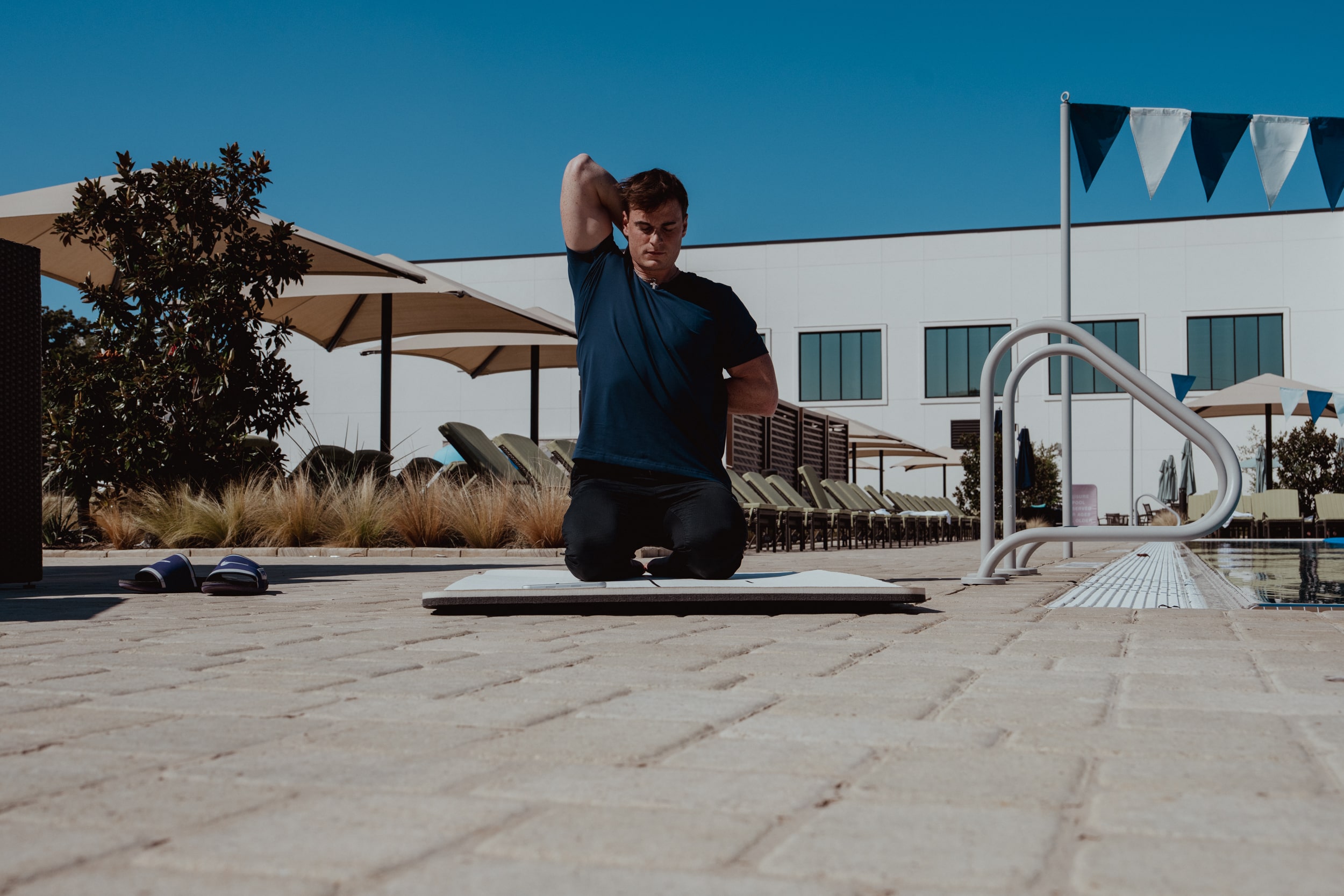
Therefore, it's key to get active recovery workouts to increase circulation on your day off from your usual regimen. This movement will bring blood flow and oxygen to the parts of your body that need it, which will, in turn, help alleviate all the tightness you feel from stiffness and lactic acid buildup in your muscles.
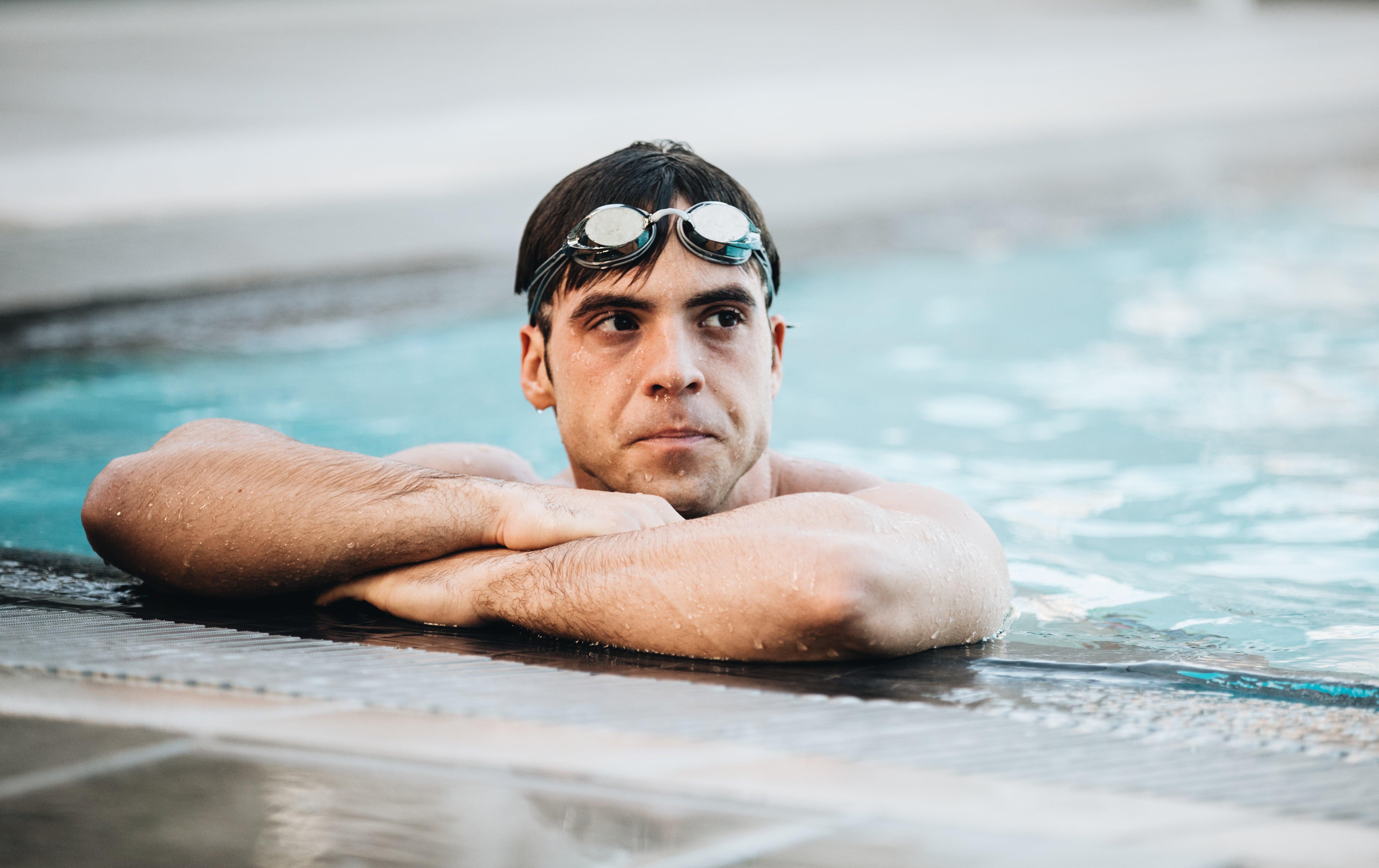
Try doing some light exercise for 20 to 30 minutes, such as swimming, low-intensity cycling, gentle yoga, or other bodyweight movement practices, at a difficulty of six or less out of 10.
sports massage: the best way to recover from muscle soreness
Your rest day is an excellent opportunity to give yourself a sports massage. Target areas that are tight from running and sitting, which typically need attention every day but especially on rest days.
Effective Muscle Relief Techniques\
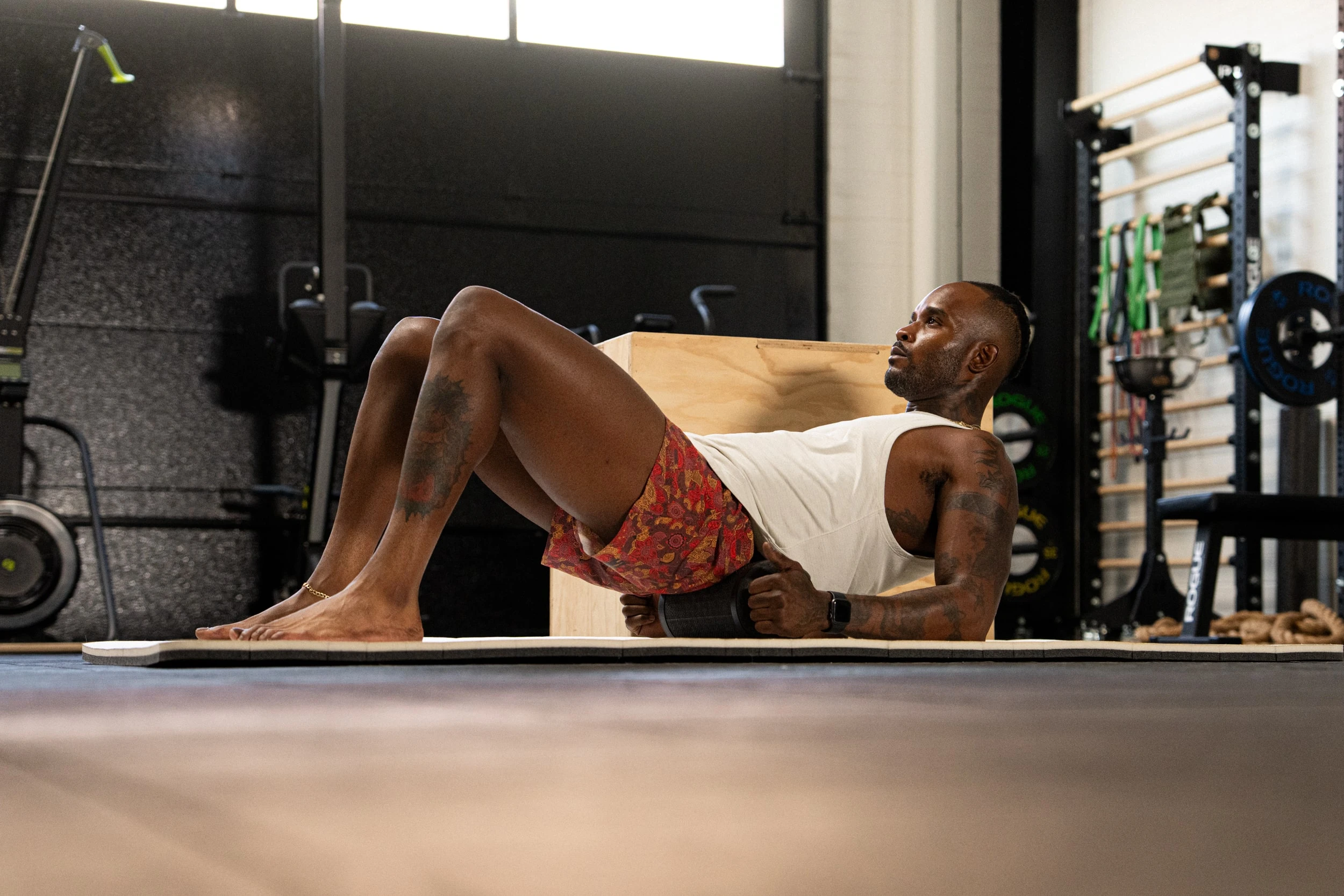
Good targets include the upper glutes, piriformis (where you feel a pigeon stretch), and the upper thoracic spine between the shoulder blades. But don't just lie on the sore spots.
Instead, use a foam roller or lacrosse ball to put pressure on the areas for about 10 seconds, then move the roller or ball around or mobilize the muscle. Passively lounging on the roller without any movement won't create the same change.
nutrition strategies for recovery days
Remember that rest days don't equate to significant cheat-meal days if you're working toward a fitness or weight-loss goal. It's best to eat similarly on your days off as you would on a regular day, but perhaps a little less.
Working out can increase your hunger, so if on your rest days you're not feeling quite as hungry, or you're not having a hankering for an afternoon sweet, it's fine to listen to your body. Either way, you should be eating to fuel your muscles all the time, recovering or on workout days.
Nutrition and Hydration for Muscle Recovery
Some research suggests that eating blueberries, tart cherries, and other dark-colored fruits can help offset delayed-onset muscle soreness (DOMS).
Leafy greens and cruciferous vegetables (broccoli, Brussels sprouts, cauliflower) can also improve metabolic processes, keep you hydrated, and reduce inflammation. Hydration is key. It contributes to so many cellular processes in the body, everything from metabolism to digestion.
take a warm bath
Not only is this a great stress reliever, but an Epsom salt bath is an entirely relaxing way to soothe your sore, screaming muscles, thanks to its combination of magnesium and sulfate.
Bonus points go to magnesium, which has been shown to help lower cortisol, the hormone you can blame for all of your pent-up stress. Plus, there's some colloquial evidence that Epsom salt baths can help reduce bloating. Baths have earned a lot of attention for their health benefits.
A Surprising Boost for Recovery
Specifically, one study published in the journal Temperature revealed that a hot bath can burn about 140 calories an hour and lower blood sugar by about 10 percent more than exercise.
The research is still pretty fresh (plus, they only studied 14 men), so don't sub your workout for a bath, but do enjoy one on your recovery days to relax, unwind, and soak up (literally) the benefits.
get a massage
Treat yourself to a massage if you're a little over that foam roller or lacrosse ball. It will allow you and your muscles to chill out. A massage on a rest day is a great time to physically sort out muscles that have been hard at work at the gym or hunched over a desk.
There's also a neurological benefit to massage. It affects your nervous system in a way that puts your body in a mode to heal and rest, ridding itself of metabolic waste. Whether weekly or monthly, a regular massage can help someone target their fitness goals, depending on schedule and budget.
Maximizing Massage Benefits for Recovery
To make the most of a massage, it helps to pick a goal the same way you'd like a goal for the workout. Make sure you know what you want to get out of it and communicate that clearly to your therapist, whether you're looking for stress release, relaxation, intense muscular release, or stretching.
If you're paying a premium for a 60 minute massage, every minute should count, so it needs to be worth it.
improve your flexibility with our mobility app today | get 7 days for free on any platform

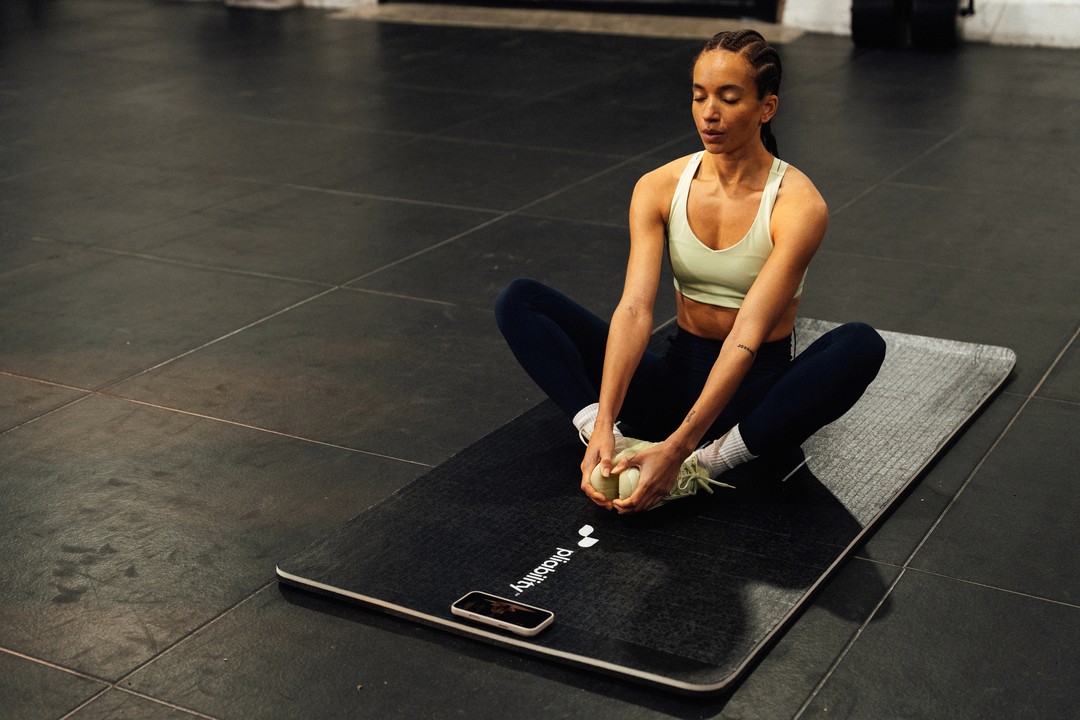
pliability offers a fresh take on yoga tailored for performance-oriented individuals and athletes. Our app features a vast library of high-quality videos designed to improve flexibility, aid recovery, reduce pain, and enhance range of motion. pliability provides daily-updated custom mobility programs for those interested in optimizing their health and fitness.
It also includes a mobility assessment to pinpoint mobility issues. If you're feeling limited by pain or your ability to move, pliability aims to complement your fitness routine and help you move better.
Sign up today for 7 days free on iPhone, iPad, Android, or our website to use our mobility app to improve flexibility, aid recovery, reduce pain, and enhance range of motion.
Related Reading



Move better in 10 minutes a day.
10,000+ five-star reviews.