


LEARN
pliability

Rest and recovery are essential for athletes and fitness enthusiasts committed to enhancing performance. Despite this knowledge, many struggle to prioritize rest days and recovery. Instead, they push through fatigue and soreness, thinking this is the only way to improve. However, not only can this mindset lead to burnout and injuries, but it can also derail an athlete's progress. Incorporating the best recovery tools for athletes, such as massage guns, compression therapy, and cold plunges, can speed up muscle repair and reduce soreness. Activities like cross-training, foam rolling, and stretching can also help build strength and endurance so athletes can get back to training faster and perform better when they do. This article explains how to recover on recovery days while building long-term strength and endurance.
why are recovery days so important?

Exercise is stressful for the body. When you work out, whether cycling or lifting weights, your muscle fibers tear, and your heart rate, blood pressure, and temperature all rise. The body adapts to a stimulus, and a bigger stimulus prompts a bigger adaptation. But if you keep piling on stress without a break, the body eventually starts breaking down instead of building up, which is when aches, pains, and injury risk creep in.
Some stress, followed by proper recovery, is what actually makes you stronger. After a workout, torn muscle fibers begin rebuilding, which is how muscles get bigger over time. Recovery is what lets those fibers heal and muscle proteins resynthesize so the muscle can grow and be ready for the next session. Most of the adaptation happens during recovery, not during the workout itself.
your body can repair itself
When you work out, your muscle fibers get tiny, microscopic tears. Unlike an injury, these tears are nothing to be alarmed by; your body repairs them on its own, and that repair process is what leads to muscle growth.
But your body can't take on those repairs if you constantly ride, cycle, or lift with no breaks. If you're training as hard as possible but not seeing the gains you want, try taking a rest day, which may be the key to improving your mile time or PR.
you'll prevent injuries
You might joke that you're addicted to chasing new PRs, but training as hard as possible every day has a cumulative wearing effect on your body. By ignoring rest days, you risk two types of injuries: overuse and acute injuries.
Overuse injuries stem from training nonstop, without any time for recovery. You'll experience an overuse injury in the muscle group doing most of the work in your fitness activity of choice. Runners, for example, may be prone to shin splints, plantar fasciitis, or stress fractures, while cyclists may deal with cyclist's knee or tendinitis. The only real prevention is more rest.
Acute injuries happen suddenly, rather than building up over time the way overuse injuries do, and are often tied to muscle fatigue and an inability to maintain good form. Once your muscles are exhausted, they can no longer perform how you want them to, and poor form leads to injuries such as tearing a muscle or spraining an ankle from landing improperly. Taking a few rest days regularly helps your body reset so you can tackle the next workout with full strength.
you'll perform even better
You know that feeling when you've had a great night of sleep and are bounding out of bed ready to take on the world? Rest days are like that but for your muscles. After a real rest day, you'll feel the benefits of being fully recovered: more energy, a slower path to fatigue, and better access to your fast-twitch muscles.
Just as important as physical performance, your mental performance improves after a rest day, too. You'll avoid burnout by taking a break from your usual workout schedule, and you'll be more excited to train again once it's time. Deliberately taking time to reflect on what you've already achieved is part of what makes a recovery day valuable; seeing your own progress makes it easier to get back at it the next day.
you'll improve your sleep
It seems counterintuitive, since wearing yourself out through exercise can help you sleep well. But while a single hard session can affect sleep, the real benefit comes from regular, moderate-intensity exercise over the long term.
Rest days factor into this because exercise raises cortisol and adrenaline, both stress hormones. Training regularly is good for you, but overdoing it can push those hormones too high, leading to restlessness, agitation, or more stress than usual, which makes it harder to get quality sleep at night. A rest day lets those hormones settle back toward their normal, balanced levels so you can sleep well.
support mental health
Time off also gives your mind a break from strenuous training. You can use rest days to relax, clear your head, and focus on other forms of self-care that help relieve stress, whether that means a hobby, a massage, or time with loved ones.
Rest days are a good distraction from the grind of routine training. They help you beat boredom and stay motivated, and after a break, you'll be mentally prepared for your next session. With more focus, energy, and strength to devote to your workouts, you can perform closer to your best and stay on track toward your fitness goals.
exactly what to do on your recovery days

Rest days and recovery days are not the same. Rest days are exactly what they sound like: no exercise at all. Recovery days involve low-intensity exercise, such as walking, to help promote healing. It helps to think of these days like a good night's sleep: the point is to give your muscles a break on a molecular and cellular level, the same way your body needs a full night of sleep to function properly. Time away from hard training allows the muscles to repair themselves, giving you more capacity on the other side.
what's an active recovery day?
An active recovery day is more like a short nap than a full night's sleep. It includes lower-intensity activities that get blood flowing to your muscles to help them recover. Active recovery can include any kind of cross-training, like walking, hiking, cycling, swimming, or light strength training, that lets your body move differently. This can benefit your primary sport and help prevent injury without adding more strain to the muscles you've already worked hard.
Think about walking compared to running: it's a similar movement pattern, but you use your muscles differently, stress your ligaments and tendons in other ways, and expose your body to less impact. The key with active recovery workouts is to keep the intensity low, roughly 30 to 60 percent of your maximum heart rate. That's enough to warm the body, loosen it up, and get things moving, without putting real recovery demands on your system. Because every athlete is different, the amount of rest and active recovery someone needs will vary.
what should you do on full rest days?
A rest day can mean melting into your couch for 24 hours. The whole point is not physically taxing your body, so if that's what works best for you, go for it. Culturally, some of us have trouble doing nothing, but it's completely fine and healthy to do nothing on a rest day. If you struggle to switch out of a go-go-go mindset, mindfulness or meditation practices can help you relax more quickly.
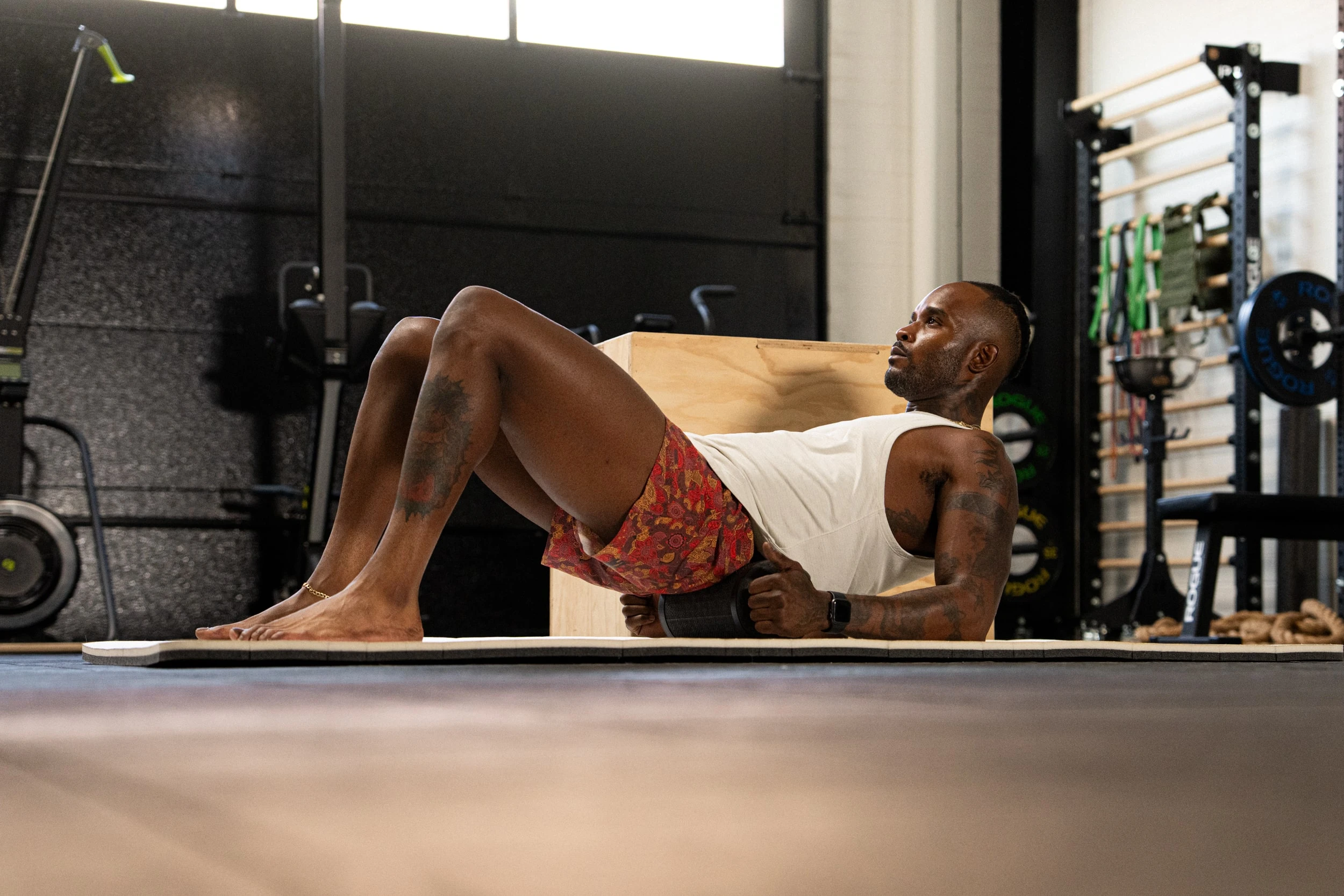
A more intentional way to spend a rest day is to build in some deliberate recovery work: a foam roller, lacrosse ball, stretch strap, massage gun, or any other tool that helps your muscles.
how to enhance recovery days
Foam rolling after intense workouts can ease soreness over the following day or two, and using a massage gun soon after a workout may help reduce delayed-onset muscle soreness (DOMS) as well.
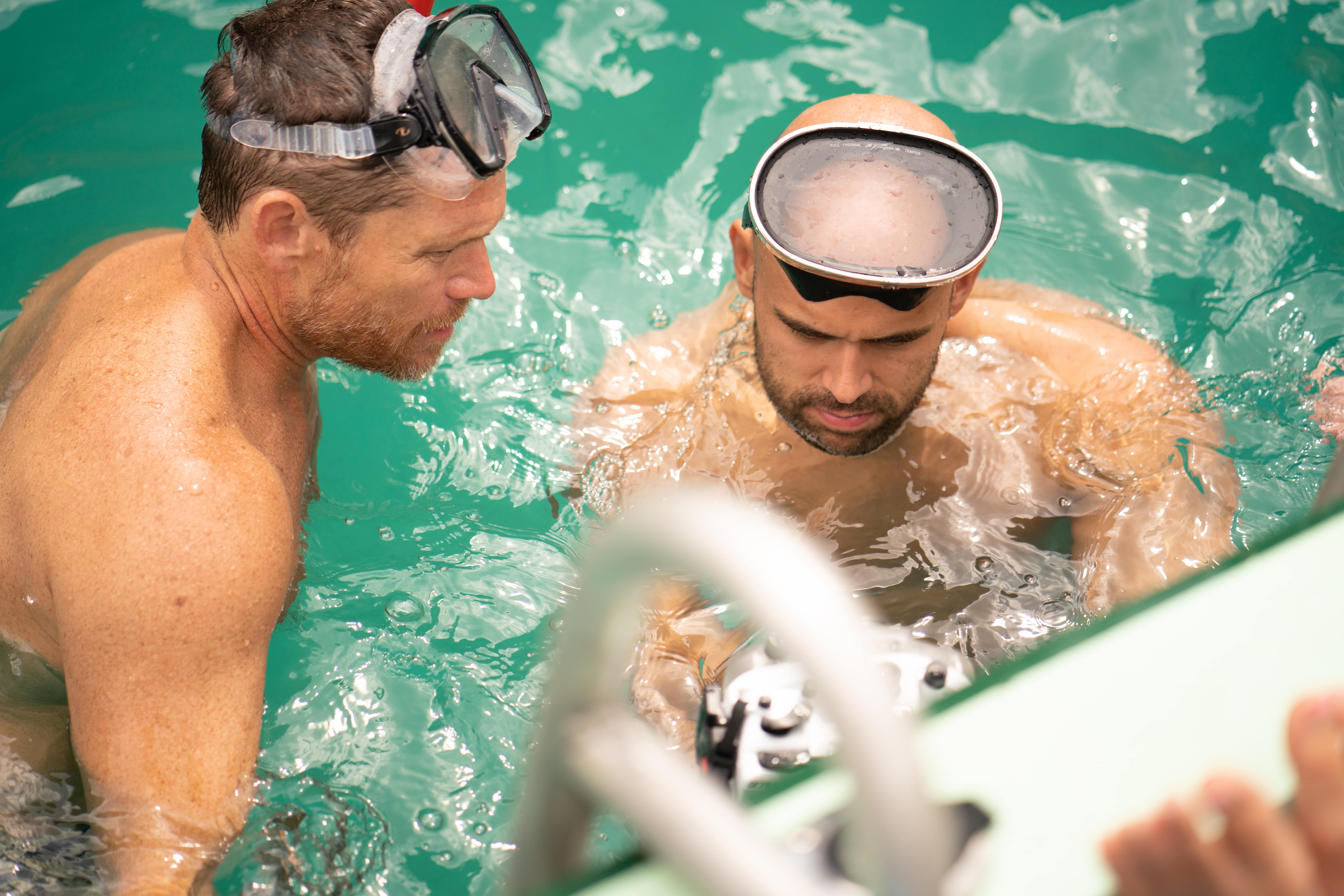
On full recovery days, many people find real value in a massage, an ice bath, or time in a hot tub. Massage is one of the more consistently supported recovery techniques for reducing DOMS and perceived fatigue. Cold-water immersion has also been shown to help with DOMS, while a warm bath can increase circulation to fatigued muscles and joints.
The biggest thing is to pick something not because you think it's good for you, but because you feel good doing it. A considerable part of rest and recovery is mental, so choosing something you genuinely enjoy, whether that's a massage or an evening on the couch, is what will actually help you feel your best.
more recovery methods for athletes to rotate in
Beyond foam rolling, massage, and baths, a few other recovery techniques for athletes are worth rotating into recovery days when they fit your preferences:
Compression garments: Graduated compression, tightest at the extremity and easing toward the body, is thought to improve venous return and limit the space available for swelling. Studies in runners have found reduced delayed-onset muscle soreness in the 24 hours after wearing them during exercise, and while the performance benefits look small, they do not appear to impede recovery, so they are a low-effort addition to a recovery day.
Dialed-in water immersion: If cold plunges or hot soaks are already part of your routine, the protocol details matter. Cold water between 52 and 59 degrees F for 11 to 15 minutes tends to work well for muscle soreness, and less intense exposures are recommended for female, youth, masters, and very lean athletes. Hot water immersion, above about 96 degrees F for up to 20 minutes, is best for relaxation and easing muscle tension; skip it right after overheating workouts or when a fresh soft-tissue injury is suspected, since the extra blood flow can worsen swelling.
Red-light therapy (photobiomodulation): Therapeutic exposure to red and near-infrared light targets the mitochondria, the cell's energy producers. Sessions may support faster recovery, better sleep quality, and reduced inflammation, which makes a quiet recovery afternoon a natural slot for it.
Saltwater float tank: Floating in a shallow pool of high-density Epsom salt water creates a sense of weightlessness that eases muscle and joint tension, and the sensory-deprivation environment doubles as dedicated time to quiet the mind, so it pairs well with the mindfulness side of a rest day.
Good recovery for athletes does not require every gadget; pick one or two methods you will actually repeat. And if you are managing a suspected injury rather than ordinary soreness, the priority is rest, ice, compression, and elevation plus a clinician's assessment, not a recovery-day menu.
a sample recovery day

There's no single right way to structure a recovery day, but a simple rhythm works well for most people.
morning
Prioritize a full night's sleep going into and coming out of a recovery day; this is when your body repairs muscle fibers, restores energy, and regulates hormones like cortisol. A few minutes of quiet time, whether that's meditation or just sitting with a cup of coffee, can help lower stress and set the tone for the day. For breakfast, aim for something with fiber and protein, like oatmeal with nut butter and fruit, to keep you full and support muscle repair.
midday
Movement still matters on a recovery day, just at a lower intensity. Don't feel pressure to hit your usual step count, but don't let activity drop to nearly nothing either. A slightly longer walk, taking the stairs, or parking farther away all count. Keep lunch protein-rich too, such as a salad with lean protein, healthy fats, and vegetables.
afternoon
Light cardio, kept to roughly 30 to 50 percent of your usual intensity, helps get blood moving to support repair without adding new fatigue to muscles that are still rebuilding. This is also a good window for foam rolling or another self-myofascial release tool to relieve tension in the connective tissue around your muscles.
evening
Fill your plate with whole grains, protein, and produce for dinner, and don't be afraid to enjoy a treat in moderation. If a warm bath or shower appeals to you, use it as a chance to slow down and rehydrate afterward. Wind down with a calming routine, whether that's tea, light reading, or gentle stretching, so you go into tomorrow's training rested and ready.
improve your recovery with our mobility app today | get 7 days for free on any platform
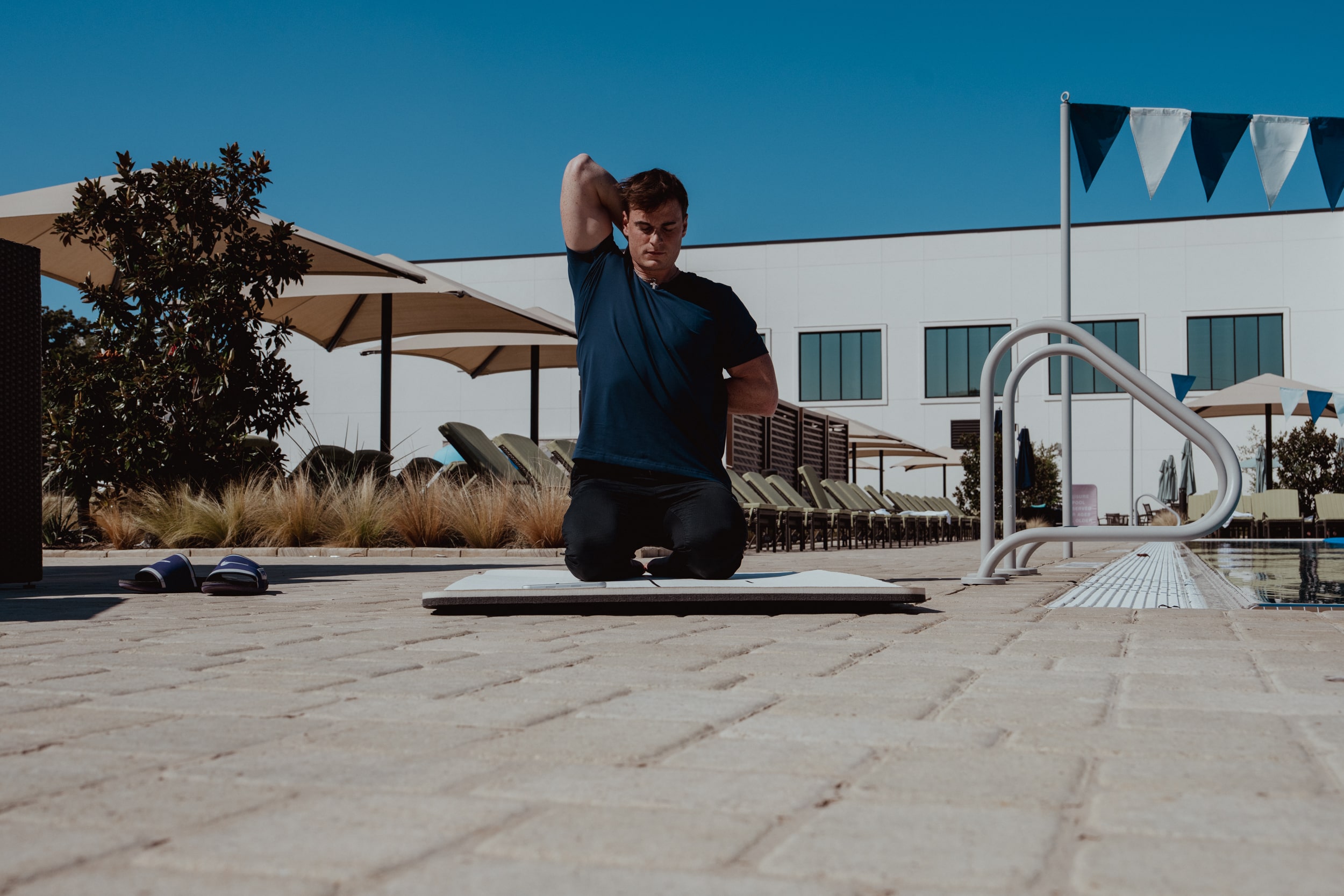
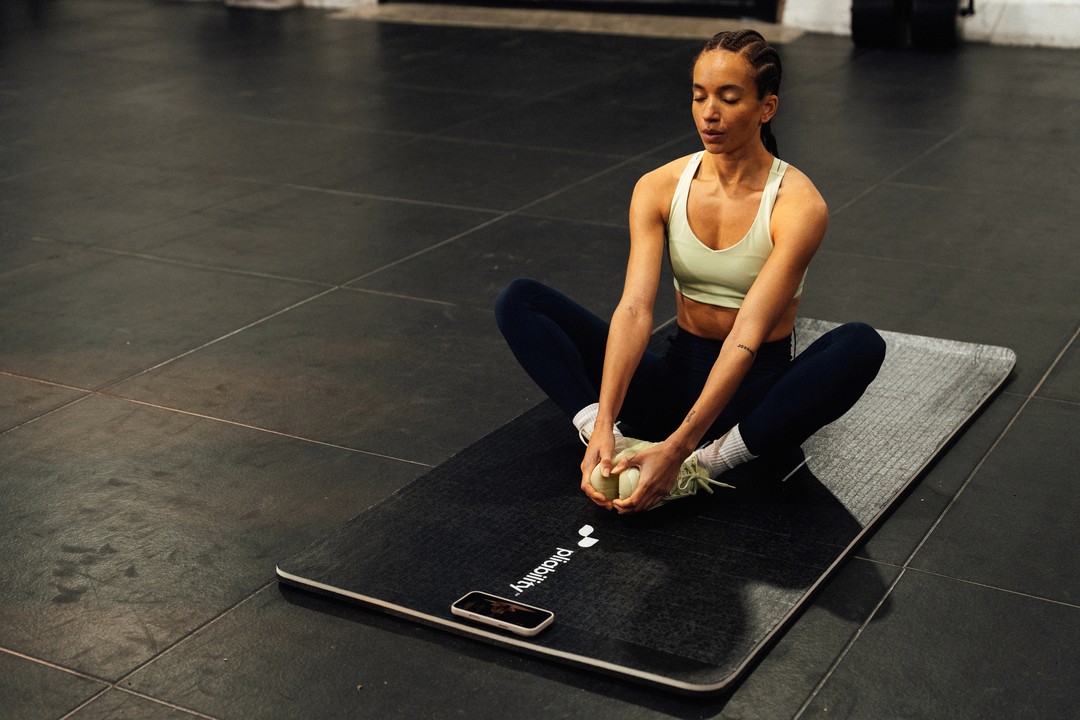
pliability is a mobility app built for performance-oriented individuals and athletes, and it's built around exactly this kind of recovery day. Use a Daily Session as your low-key movement for the day, follow a Path built for your sport or a problem area, or use Build Your Program to shape routines around your training week. Take the in-app mobility assessment to pinpoint the tight spots slowing your recovery, and if you're working around pain or an injury, the Rebuild hub is built for that.
Sign up today for 7 days free on iPhone, iPad, Android, or the web to recover faster, reduce pain, and get back to training feeling ready.
Related Reading


Move better in 10 minutes a day.
10,000+ five-star reviews.