


LEARN
pliability

After an intense workout, do you ever feel sore or stiff? Does it take days or even weeks before you feel back to normal? Muscle soreness and stiffness can interfere with your performance and motivation to stay active. So, what can you do to help avoid the adverse effects of muscle damage and get back to your routine? Exploring the best recovery tools for athletes can make a significant difference in reducing soreness and improving recovery time. Learning about muscle recovery can help you train more efficiently and maximize muscle growth without overtraining or injury. In this article, we'll break down which muscles recover the fastest to help you return to your workout routine sooner.
which muscles recover the fastest and why?

Ever notice how your quads feel sore for days after a workout while smaller muscles like your biceps bounce back much faster? Muscle recovery depends on more than just how often you work a given body part. Three factors dictate how fast a muscle can recover:
Size
Function
Attachments (aka what body parts it's connected to)
muscle recovery: the importance of immobilization
To understand what happens when your body recovers from exertion, know that the key function is to isolate the muscle: your body wants that muscle to stay still so it has a chance to heal. With an injury in particular, your body tries to keep the muscle from moving while the tissue repairs itself. Moving it again too soon can re-injure the muscle, and the whole process starts over.
muscle size
Muscle size is part of why your largest muscles can be sore for days on end. Muscles like your quadriceps or glutes are relatively big and involved in many different sitting and standing motions, so these take more time to recover.
That doesn't mean smaller muscles always recover quickly. In some cases, a small muscle that has to handle a lot of different activities can actually take longer to repair, simply because it's harder to isolate and let rest, which brings us to muscle function.
muscle function
Muscles you use daily will prolong the recovery process, and the more a muscle is worked or injured, the longer that process could be. This is why muscle groups that bear weight take longer to recover, regardless of how hard you went in your bicep or back workout compared to a lower body one.
A muscle's recovery time comes down to the job it's doing, how frequently it does it, and how big it is. Plantar fasciitis and tennis elbow are good examples: both involve small but heavily used, commonly strained tissue.
muscle attachments
How a muscle is attached to the rest of your body also affects its repair time. The general rule is that the better the blood supply to a muscle, the faster it heals. The fleshy part of a muscle has plenty of blood flow, so strains there tend to heal fairly routinely. But the tendon that attaches the muscle to bone usually has much less blood flow through it, which is why injuries to that part are slower to recover.
The calf is a good example: pulling the calf muscle itself heals much faster than an injury to the Achilles tendon that attaches it to the heel.
how can you speed up your muscle recovery?

Learning and using the right strategies is all it takes to speed up recovery, promote muscle repair and perform at your peak.
active recovery: how low-intensity exercise can help you recover faster
Active recovery is the last thing you want to do after an intense workout. Engaging in low-intensity activities, such as:
Gentle Yoga
Walking
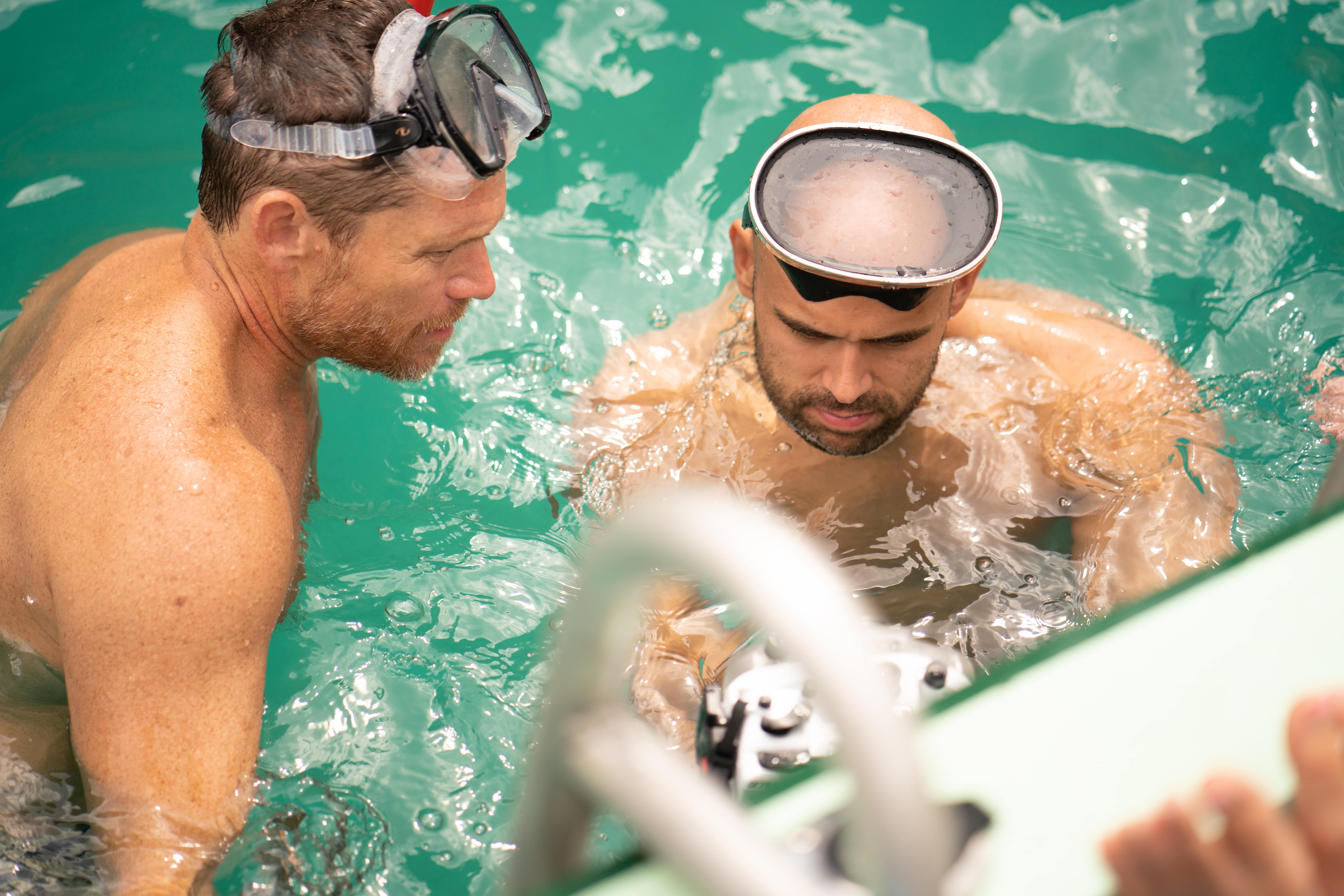
Swimming
The day after a challenging workout can enhance blood flow to muscles, reducing soreness and facilitating faster recovery.
hot and cold therapy: the surprising benefits of switching temperatures
Switching between hot and cold treatments, like contrast baths or showers, can work wonders for sore muscles. Cold therapy helps reduce inflammation and numbs pain, while heat therapy loosens tight muscles and improves circulation. Some athletes even swear by cryotherapy, a quick blast of super-cold air to speed up recovery.
supplements and vitamins for muscle repair: what works?
Proper nutrition plays a pivotal role in muscle recovery. Consuming carbohydrates and proteins post-workout replenishes glycogen stores and provides amino acids necessary for muscle repair. Supplements like branched-chain amino acids (BCAAs) may reduce muscle soreness and support recovery.
Vitamin C, known for its antioxidant properties, can aid tissue repair and reduce muscle soreness, while omega-3 fatty acids are thought to decrease muscle soreness after high-intensity exercise.
stretching and foam rolling: why these techniques are key for recovery
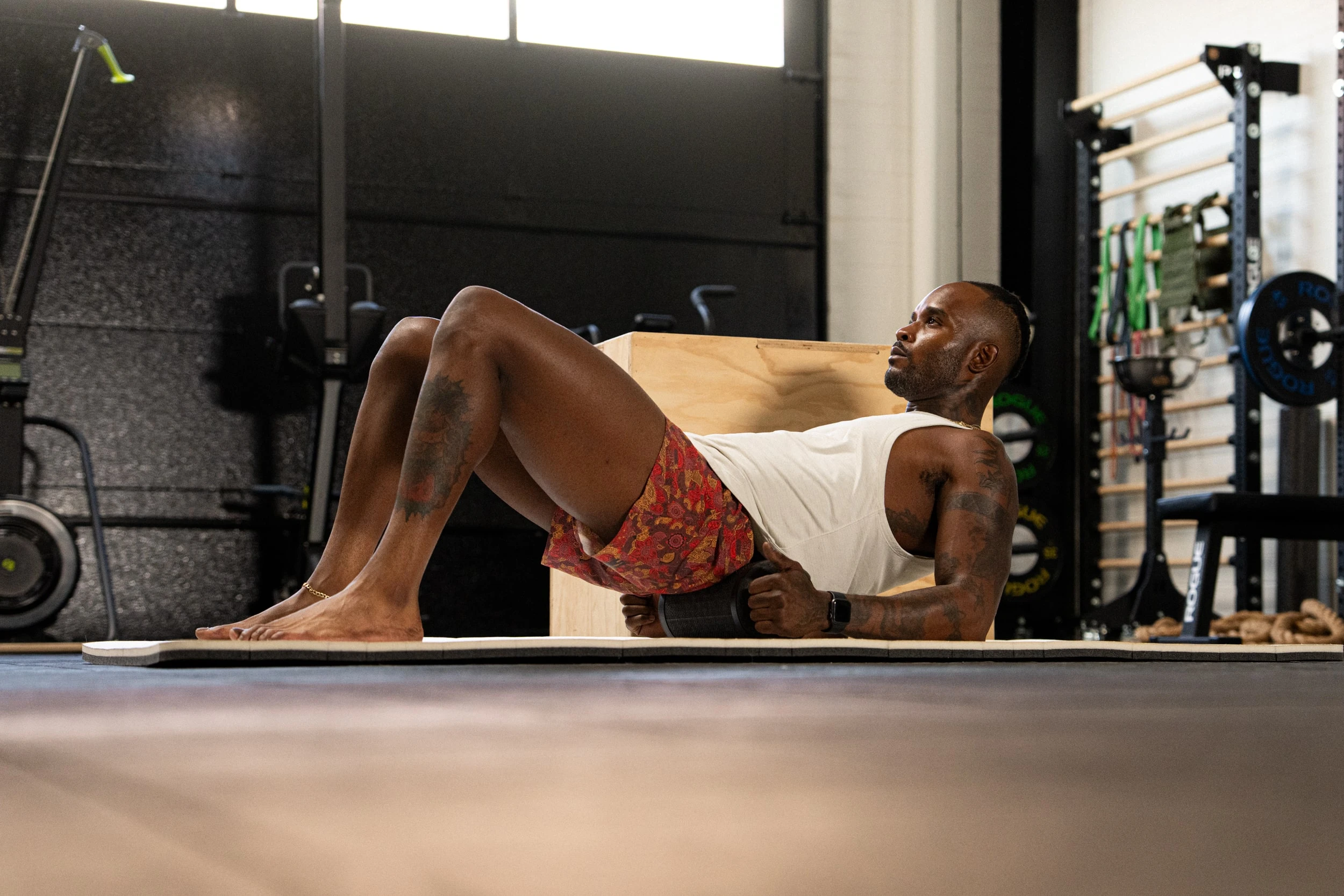
Incorporating stretching and foam rolling into your routine can alleviate muscle tightness and improve flexibility. Foam rolling before and after workouts has been shown to enhance performance and help recovery by increasing blood flow to muscles and reducing adhesions in muscle tissues.
7 common mistakes to avoid during muscle recovery

1. skipping rest days: the mistake that could stall your gains
Pushing your body without adequate rest may seem like dedication, but it can lead to overtraining, muscle fatigue and even injuries. Every workout causes micro-tears in your muscle fibers, but rest is when your body repairs and strengthens them. Aim for at least one or two weekly rest days, especially after high-intensity sessions.
2. poor post-workout nutrition: what to avoid after exercise
What you eat after exercise plays a significant role in recovery. Choosing sugary or processed snacks deprives your body of the nutrients needed for muscle repair. Instead, focus on protein-rich meals paired with complex carbohydrates to replenish muscle glycogen stores and promote recovery.
3. neglecting stretching and mobility work: why you shouldn't skip post-workout recovery
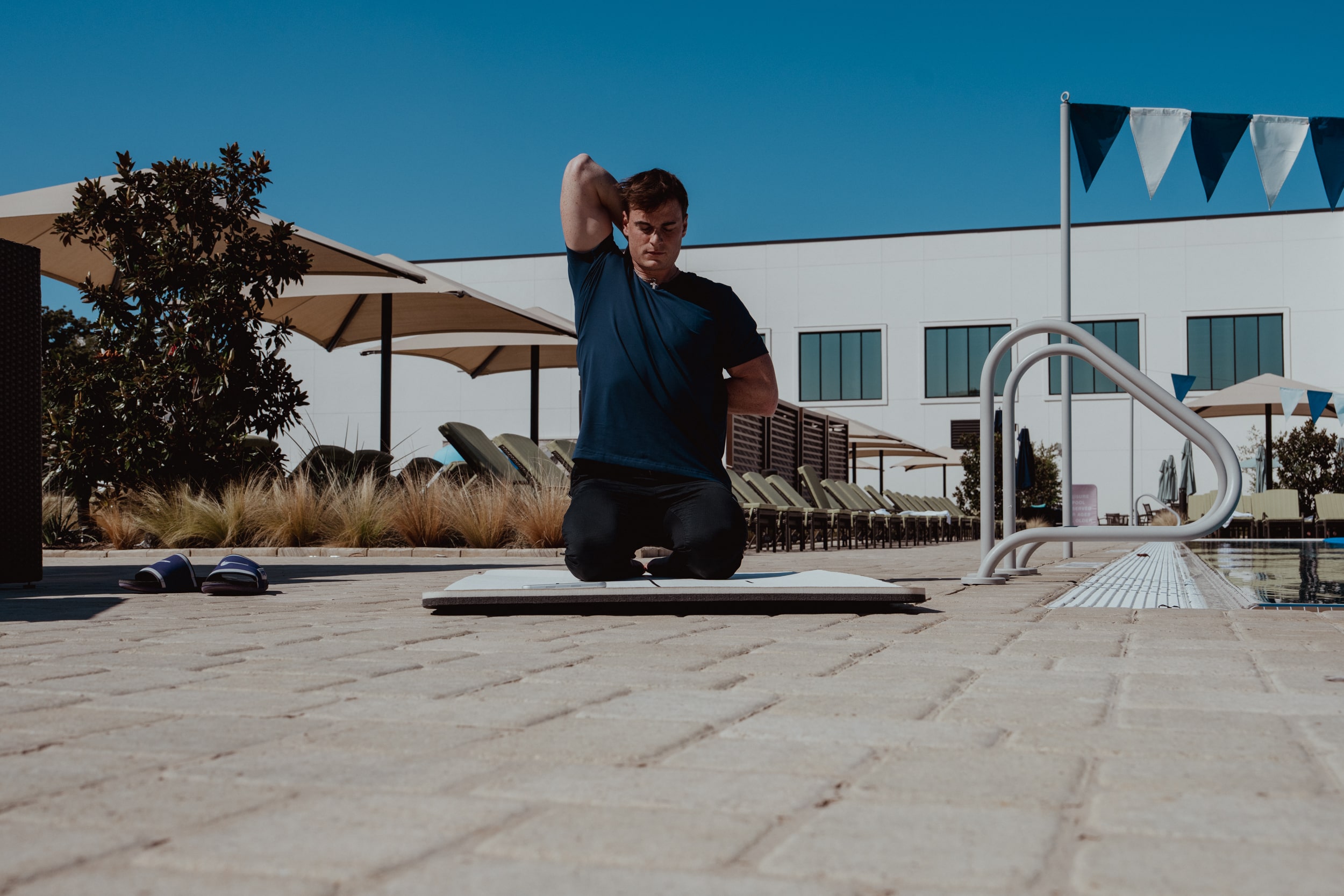
Skipping a post-workout stretch might save a few minutes but can leave your muscles stiff and prone to injury. Stretching and foam rolling improve flexibility, reduce muscle tightness and support a full range of motion. Adding 10 minutes of mobility work into your routine can significantly improve recovery.
4. inconsistent sleep patterns: the hidden enemy of muscle recovery
Sleep is your body's natural recovery tool, and inadequate or inconsistent sleep can disrupt muscle repair, slow recovery and even affect performance. Strive for 7-9 hours of quality sleep every night to ensure your body gets the necessary downtime to rebuild and recharge.
5. overtraining without active recovery: why it's okay to take it easy
Pushing through soreness without active recovery can slow progress and lead to burnout. Active recovery exercises, like gentle yoga, walking or swimming, increase blood flow to your muscles and promote healing. Balance intense workouts with lighter activities to stay consistent without overloading your body.
6. overlooking hydration: how it impacts muscle recovery
Dehydration can impair the transport of nutrients and waste removal, leaving your muscles sluggish and sore. Make hydration a priority during workouts and throughout the day, and add water-rich foods or electrolyte drinks into your diet to support muscle recovery after intense sessions.
7. consuming alcohol post-workout: why it slows recovery
Alcohol interferes with the body's recovery mechanisms by disrupting sleep and slowing muscle repair. While occasional drinks won't derail your progress, avoiding alcohol immediately after workouts ensures your body can focus on healing and rebuilding.
recover smarter, not just longer
Knowing which muscles recover fastest is useful, but doing something about the slow ones matters more. pliability's Daily Sessions give you guided mobility and recovery work to run between hard training days, and the Rebuild hub offers structured programs for specific problem areas. Take the mobility assessment to find out where your own recovery is lagging, then follow a personalized Path built around it.
Sign up today for a 7-day free trial on iPhone, iPad, Android, or the web, and start recovering as deliberately as you train.
Related Reading



Move better in 10 minutes a day.
10,000+ five-star reviews.