


LEARN
pliability

Athletes often get caught up in the relentless pursuit of success and performance. While pushing limits and breaking barriers are essential to excel in sports, recovery is equally important, if not more. Incorporating best recovery tools for athletes into your routine can enhance muscle recovery, improve mobility, and reduce the risk of injuries. Recovery helps athletes bounce back from training and competition physically and mentally, and it can make all the difference in their performance. If you're wondering, “Why is recovery important for athletes?” you're not alone. In this article, we'll explore the ins and outs of recovery and how it can help you perform better, avoid injuries, and get back to peak performance like elite athletes.
One tool that can help you to recover faster and perform better is pliability's mobility app. The app is designed to help athletes improve their muscle recovery and performance through targeted routines that relieve soreness, improve mobility, and prevent injuries.
why is recovery important for athletes?

Exercise training prepares athletes for peak performance and improvement. But rest and recovery are equally essential. They give the body time to repair, rebuild, and strengthen between workouts. There’s not a one-size-fits-all answer about what recovery means for an athlete; the nuances will be a little different for everyone depending on their age, sport, and level of participation and development. But one general principle applies to all athletes: participating in sports breaks down the body, taxing it and pushing it beyond its current fitness level.
Exercise, especially intense exercise, creates tiny tears in the muscles. Over time, as muscles heal, they grow bigger and stronger. It’s important to remember that this process occurs during rest and recovery, not during the exercise session. To see gains in fitness, the body needs enough rest to repair itself, which for an athlete means taking time away from their usual sport.
two types of recovery: active and passive
There are two main types of recovery: active and passive. Both help progress an athlete’s performance and recovery. Short-term or active recovery occurs in the hours soon after intense exercise.
Research shows that low-intensity exercise during the cool-down phase of your workout is associated with performance benefits. Short-term recovery is essentially what you do on the day of the workout itself, like what you do after a morning run to help your body and mind recover from that single bout of exercise. Active recovery increases blood circulation, which helps remove waste products from soft tissue broken down by intense exercise.
Fresh blood flow then delivers nutrients that help:
Repairing and rebuilding muscles
Tendons
Ligaments
effective active recovery strategies for athletes
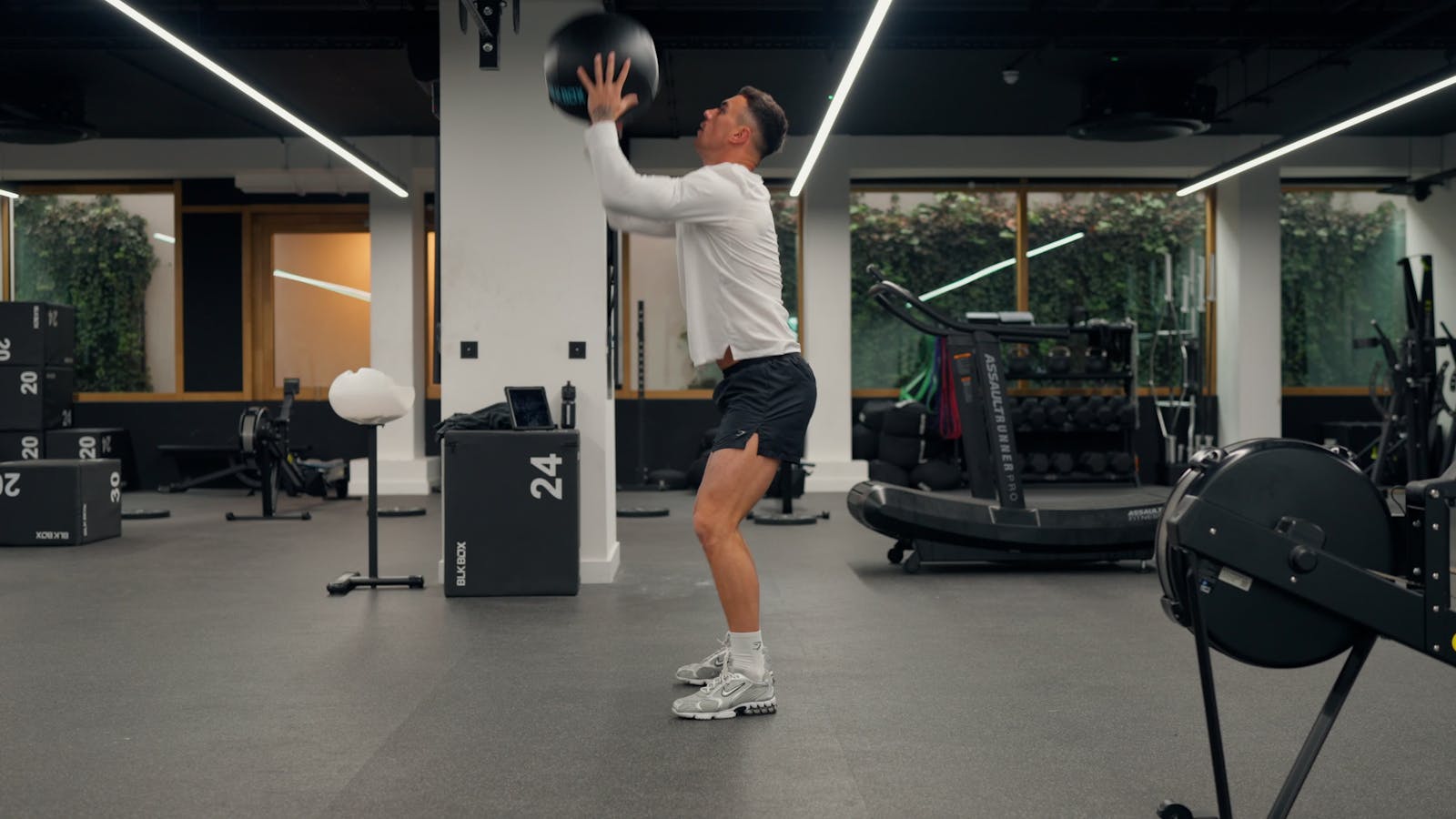
During active recovery, athletes should engage in light physical activity that raises the heart rate above resting. However, they should avoid the same repetitive movements they performed during training or an event. It’s good for athletes to do something else, ideally an activity with a different movement pattern, just for fun. Examples of active recovery exercises include walking, brisk walking and jogging, swimming or other aquatic activities, cycling or stationary cycling, elliptical or rowing machine, and light weightlifting (30%-40% less weight than usual).
Active recovery is ideal for stretching and massage because the muscles are already warm. This provides more effective stretches to increase range of motion. It also reduces the risk of injury. That could involve some foam rolling or other recovery practices like yoga. Nutrition is also important for short-term recovery, including getting the right amount of calories and a good balance of macronutrients to replenish protein and carbohydrate stores.
what’s involved with long-term recovery?
Long-term recovery involves rest and recovery periods built into a seasonal training schedule. It also may include days or weeks of rest and recovery incorporated into an annual athletic program.
Runners and other endurance athletes tend to get into trouble when they go from one big training block to another to yet another without taking several weeks off in between.
signs of overtraining syndrome
Studies suggest that overtraining syndrome affects roughly 60% of elite athletes and 30% of non-elite endurance athletes. The ill effects of overtraining syndrome include increased body fat, a higher risk of dehydration, lower libido, and mood disturbances. Once overtraining syndrome sets in, it can be difficult to reverse.
People who overtrain often have trouble with performance. They may get a lot more fatigued from sports activities that used to be easy for them, and may even get tired in their regular lives outside of sports. They may also deal with mental burnout or a lack of interest in a sport they used to enjoy.
signs that athletes need a rest day
Listening closely to your body will tell you when you need to skip your usual workout and take a rest day. When researchers surveyed 605 competitive athletes, they found that general fatigue, an unexplained decrease in performance (generally lasting between one week and one month), and musculoskeletal aches and pains were the top reasons to take a rest day.
Other indicators of overdue rest and recovery included agitation, moodiness, sleeplessness, poor appetite, increased illness, and feelings of stress and depression. Athletes may notice that their sport takes more effort, with perceived exertion running a lot higher, and some may even notice an increase in their resting or exertional heart rate. When these later signs of overtraining show up, it doesn’t just mean taking a few weeks of rest a few times a year, it may mean taking even longer to catch up on the recovery that’s been missed.
how long should a recovery period last?
The duration of a recovery period depends on factors such as your age, sport, and training regimen. A younger athlete who plays basketball may need to rest for a few days after a challenging game. In comparison, an adult who engages in recreational trail running may need more time off after completing a long-distance race. Taking time off in the fall looks very different for a casual recreational runner than for someone who runs two marathons over the summer; a lot of it comes down to the level of intensity and the volume of the training itself.
the importance of rest days and periodization in athletic training

The American Council on Exercise (ACE) suggests that athletes who engage in high-intensity exercise should schedule a rest day every seven to 10 days. But that’s not a hard and fast rule. Some athletes may need more frequent rest days, like two per week.
Athletes who follow a seasonal training program may need to adopt a periodization process, which incorporates pre-scheduled recovery days and even recovery weeks throughout the year. Periodization requires changes in training programs that include modifying workout types, adding cross-training, and changing exercise intensity, time, and distance.
why is recovery important for athletes?
It’s essential to give your body enough time away from training to replenish energy (glycogen) stores and allow damaged muscles to recover. Otherwise, performance is compromised and chronic muscle soreness and pain can set in.
On a long-term scale, rest and recovery are essential for injury prevention. This includes acute injuries that occur in fatigued and deconditioned people, especially those who play basketball or soccer, as well as overuse injuries such as chronic soft tissue injury, chronic tendon injury, and bone stress injury.
what happens if I don’t rest enough?
Timing your rest and recovery also helps prevent overtraining syndrome, a state where your whole body can’t keep up with what you’re asking it to do.
what’s your opinion of passive recovery?
Days of doing nothing are critical, and it’s healthy for most athletes to take a full rest day every week. There are also a lot of misconceptions about passive recovery. It’s common for athletes to count a couple of weeks of easy running after a big race as their time off, but that’s actually a form of active recovery, not true rest. It’s just as important to give the body some completely unstructured time off.
do older athletes need more rest and recovery?
Generally, the older people get, the more time they need for rest and recovery. But younger athletes also need to be cognizant of their rest and recovery time in very specific ways. In pediatric sports medicine, more and more kids and young athletes are diving full time into one sport at an early age, and good data shows that committing full time to a single sport increases the risk of burnout and injury while decreasing performance.
Research shows that young athletes who compete in multiple sports and take off a reasonable amount of time multiple times a year are healthier, happier, and more successful. There’s less data on this in adults, but the athletes who tend to be happiest and least likely to experience injury or burnout are generally those who do multiple sports throughout the year. It’s better for the body to move in multiple different ways, and it’s good for the mind to switch things up too.
should athletes keep a daily training log to track their progress or lack thereof?
For most people, keeping a log is a good idea. Especially for those training for something specific, it helps to track what you’re doing, what recovery looks like, anything special about nutrition, and how you felt. Keeping a log is also useful for making sure you don’t let things slip, that you remember to take rest days, and that you keep up proper fueling and rest habits.
Some everyday recreational athletes may not need to keep a log, preferring to base their activities on how they feel and the conditions on a given day. But other recreational athletes may find a log essential, since it’s easy to accidentally slide into overtraining syndrome when you like doing so many things that you forget to give yourself any rest days. A log can help people be more intentional and mindful about what they’re doing.
how to recover properly

Adequate recovery is essential for athletes looking to improve performance and reduce injury risk. Many athletes may not prioritize recovery or overlook it to focus on training. But, insufficient recovery can hurt performance and even lead to burnout. Understanding the signs of inadequate recovery is vital so you can take action and get back on track if you start to notice them. Here are some common indicators:
rest and sleep for athlete recovery
Sleep is hugely important, since most muscle repair and growth occurs during sleep. Sleep deprivation is linked to decreased aerobic endurance and other performance measures in athletes. It’s also associated with adverse changes in hormone balance, including higher levels of the stress hormone cortisol and lower levels of the human growth hormone, which is active during tissue repair. When sleep deprivation results in fatigue, low energy, and poor focus, it can increase the risk of serious injury.
the importance of sleep duration and quality for children and athletes
To promote optimal health, the American Academy of Pediatrics Childhood Sleep Guidelines recommend that children ages 6-12 get 9-12 hours of sleep every night and teenagers ages 13-18 sleep 8-10 hours.
Sleep duration is only part of the equation. Good sleep quality matters too: an inconsistent sleep routine or frequent nighttime waking undercuts the benefits. Sleep hygiene is essential for athletes as well, which means staying off the phone right before bed, not doing work or watching television in bed, and establishing good habits and routines that prepare the mind as well as the body for sleep.
nutrition and hydration for athlete recovery
Refueling after training is another critical aspect of recovery. Just as you wouldn’t expect a petrol car to function when you put diesel in it, we shouldn’t expect our bodies to function when we fill them with toxins that don’t positively affect our recovery.
Carbohydrates and protein are essential nutrients for recovery. If you have been participating in endurance sports, refuelling your carbohydrate stores should be the first goal, followed by protein. Protein should be prioritized for muscle growth and recovery if you have been participating in more weightlifting-based sports.
Some rough guidelines to follow are:
5-7g of carbohydrate per 1kg/bw 1.6-2g of protein per 1kg/bw
For most recreational athletes, ensuring a balanced diet of meat, fruit, vegetables, and carbohydrates should suffice. Below are less precise guidelines for the food composition of a balanced diet, and more detail can be read here.
how do you know if you are dehydrated?
Some signs of dehydration are muscle cramps, fatigue, and dizziness, so it is vital to hydrate pre- and post-exercise. It can be challenging to monitor how much fluid is required for different types of exercise.
A rough guide:
Urine colour is a simple and easy way to assess hydration status. Clear urine indicates adequate hydration.
what else can I do for athlete recovery?
Active recovery is another essential aspect of recovery. There are many options, and it comes down to personal preference. So try out some of the strategies below, see what works for you, and implement them regularly as part of your recovery plan.
massage
Massage is a widely used recovery strategy among athletes. The science world is divided on its benefits, but we can’t deny that it feels good and massively benefits many athletes. It can improve muscle soreness and increase blood flow, which helps with recovery.
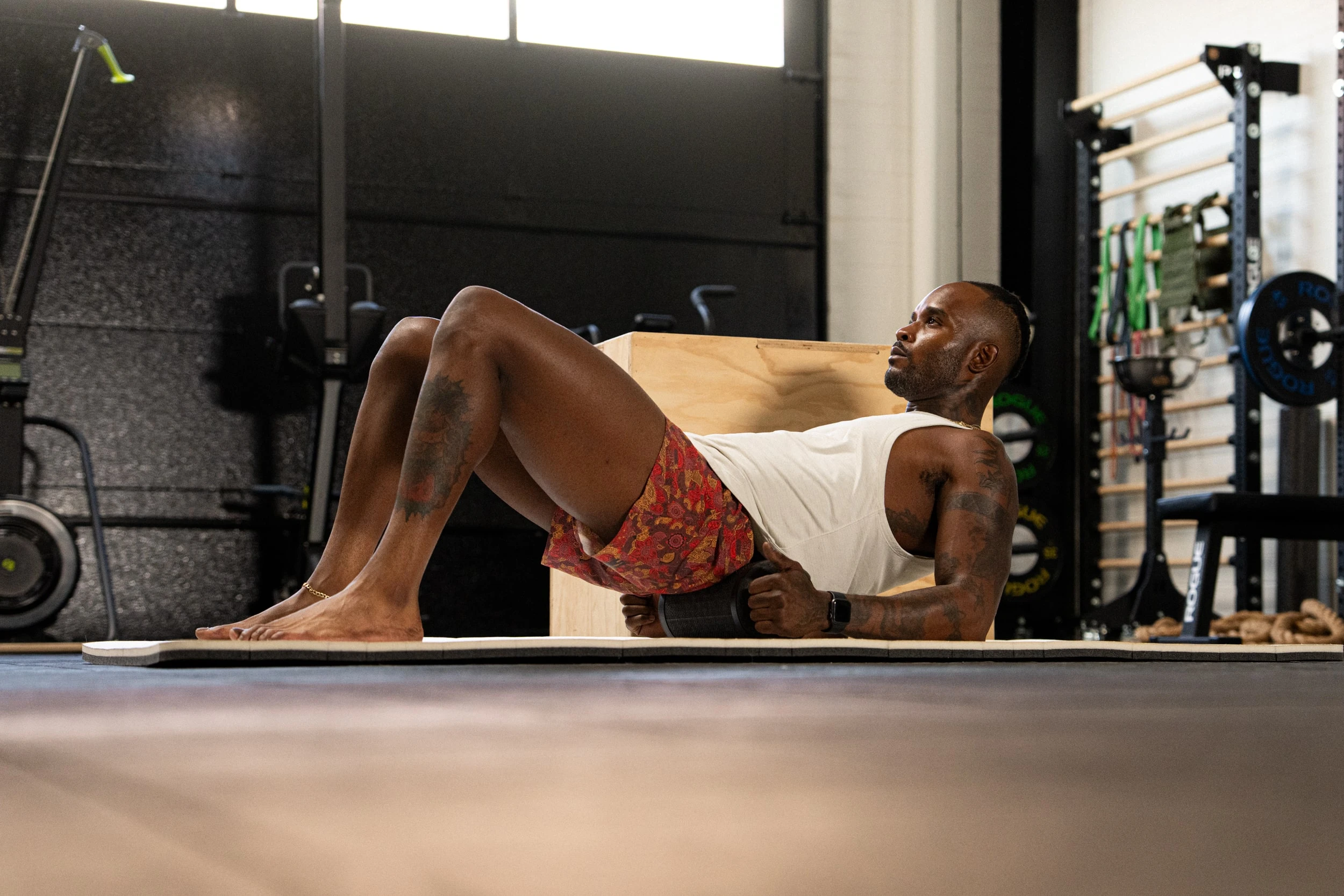
foam rolling
It is similar to massage but known as self-myofascial release. It can help relieve muscle tightness, soreness, and inflammation and increase joint range of motion.
ice bath or sea swim
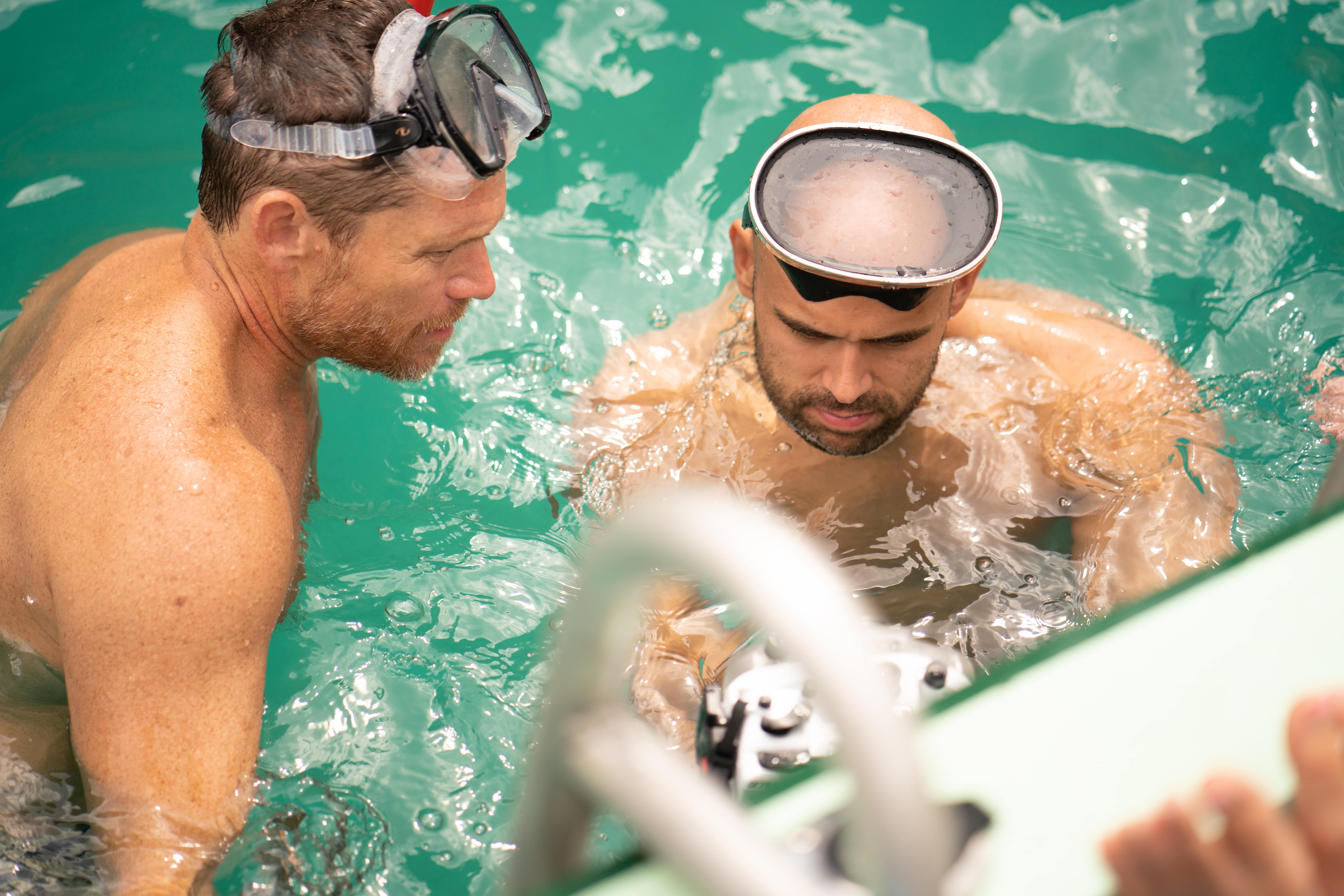
Cold water immersion changes skin, core, and muscle temperature, increases blood flow, and releases certain hormones like dopamine. These changes in blood flow and temperature can affect muscle soreness, inflammation, and fatigue, all crucial to control during recovery.
low intensity exercise such as an easy cycle or swimming
Active recovery is thought to help remove lactate (which builds up in muscle and causes cramps), while no detrimental effects on performance have been demonstrated.
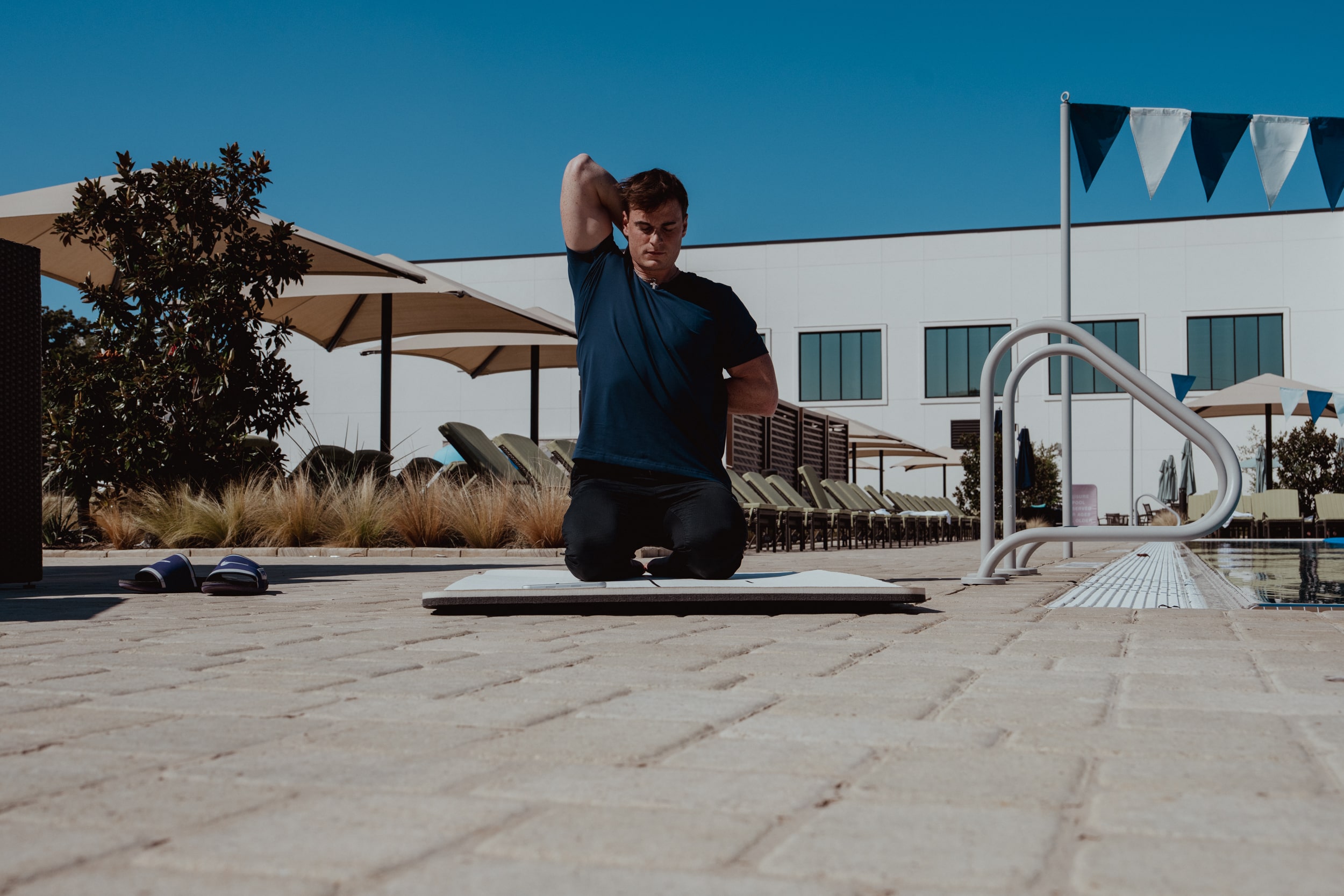
Stretching
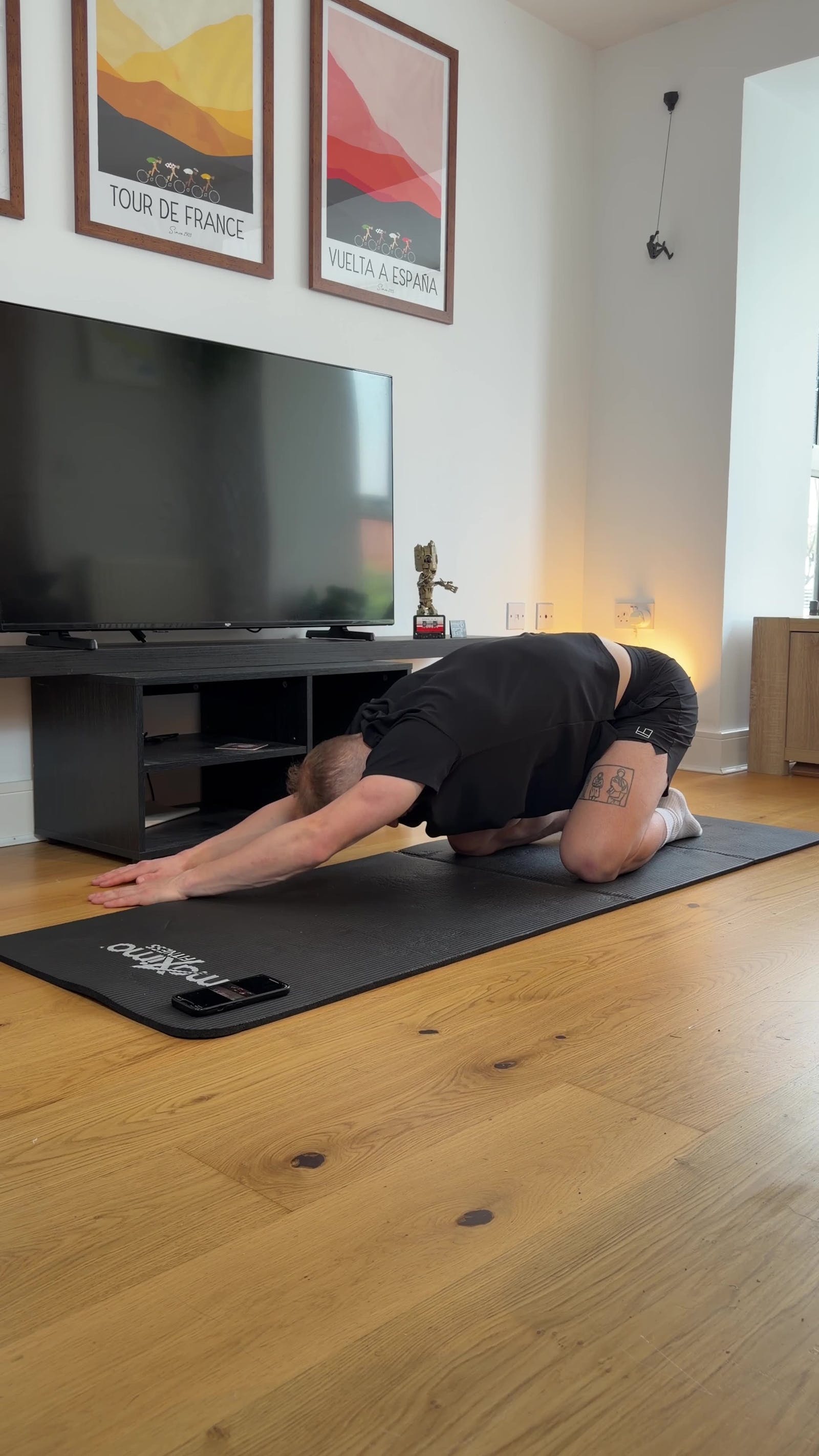
There have been mixed reports regarding the benefit of stretching as a recovery strategy. Like active recovery, post-exercise stretching has not been associated with any detrimental effects on performance, so if it helps you, incorporate it as part of your recovery routine.
sauna
Saunas are becoming increasingly popular, particularly when combined with ice baths or sea swims. They provide many benefits, such as:
Relieving stress
Improving sleep
Helping to flush out toxins
Improving heart health
Just generally feeling nice!
compression garments
Compression is widely seen in elite athletes these days. The compression aspect of these garments is thought to improve circulation, which helps to remove toxins and increase blood flow to muscles. This can subsequently reduce muscle soreness and inflammation.
improve your flexibility with our mobility app today | get 7 days for free on any platform
pliability offers a fresh take on yoga, tailored for performance-oriented individuals and athletes. Our app features a vast library of high-quality videos designed to improve flexibility, aid recovery, reduce pain, and enhance range of motion.
pliability provides daily updated custom mobility programs for those interested in optimizing their health and fitness. It also includes a mobility assessment to pinpoint mobility issues. If you're feeling limited by pain or your ability to move, pliability aims to complement your fitness routine and help you move better.
Sign up today to get 7 days absolutely for free, on:
iPhone
iPad
Android
On our website
To improve flexibility, aid recovery, reduce pain, and enhance range of motion with our mobility app.
Related Reading




Move better in 10 minutes a day.
10,000+ five-star reviews.