


LEARN
pliability

After an intense workout, you might feel sore, worn down, or even exhausted. It's tempting to take a break and lounge on the couch until your next workout. But active recovery is a better option. Active recovery keeps blood flowing to your muscles, which helps relieve soreness and speeds up healing to help you bounce back faster for your next workout. Incorporating the best recovery tools for athletes, such as foam rollers and massage guns, can further enhance muscle recovery and reduce stiffness. Yoga is one of the best ways to recover actively. It's gentle yet engages your muscles to help them heal, improving mobility and flexibility to relieve soreness and prevent injuries. But is yoga active recovery? This article explores how yoga can help you recover from your workouts and covers the best yoga flows and poses for active recovery.
what is yoga? is it active recovery?

Do you think yoga equals stretching? Not exactly. While it's true that yoga improves mobility, its impact extends well beyond stretching. Yoga is an effective active recovery workout for the body and mind and can make you a better athlete. You're not alone in thinking yoga is just stretching. Even some fitness pros and athletes believe so. When they hear the word yoga, some of their first thoughts are: "I'm not flexible enough," "I can't even touch my toes," or "I'll never be able to do that crazy-looking yoga pose I saw on Instagram."
the science behind yoga
Here's a secret: yoga is less about the flexibility of your muscles and more about the flexibility of your mind. As an active recovery practice, it can work as therapy for both body and mind, supporting a more holistic recovery.
what is yoga?
The word yoga means union. Its primary purpose is to move the body and generate good energy. That energy doesn't move through stretching that tenses the muscles, since that creates blockages. Instead, it moves by enhancing blood flow through the channels of the body, including:
Blood vessels
Lymphatic vessels
Nerves
Acupuncture meridians
Connective tissues
Healing from Within
Think about the painful DOMS (delayed-onset muscle soreness) you sometimes experience after a hefty training session. That's a sign of an internal blockage restricting a smooth flow of energy. Yoga isn't really a workout, it's a work-in: what others see from the outside isn't what matters. It's what you feel inside.
traditional yoga vs. modern yoga
Today we live in the age of Modern Yoga, but the practice goes back to ancient times. Yoga gained wider recognition when the Indian sage Patañjali wrote the Yoga Sutra, a collection of 196 statements on the theory and practice of yoga. It remains a vital guide today, since modern yogis base their practice on some of Patañjali's writings. The book outlines the eight limbs of yoga:
Yama (ethical principles of what we should not do)
Niyama (ethical tenets of what we should do)
Asana (physical exercise and posture)
Pranayama (breath control)
Pratyahara (sensory control)
Dharana (concentration)
Dhyana (visualization and meditation)
Samadhi (pure consciousness)
The Misconception of Yoga: Why Instagram-Driven Perceptions Only Scrape the Surface
Even though all eight limbs are essential, most people associate yoga with only the third limb, physical exercise and posture (asana). That's because regular physical exercise generates the most visible results, such as increased muscle strength, stamina, mobility, and balance, not only flexibility. Another reason is the rise of modern yoga influencers on social media, especially Instagram, where followers see only the visual part of advanced physical yoga practices and not the inner work. That's part of why many people assume yoga is just a set of challenging postures that only very flexible people can do.
why yoga can be considered active recovery
The short answer is yes, yoga can be considered active recovery under the right conditions. Here's why:
Low-Intensity Movements
Yoga, especially styles like yin or hatha, involves low-intensity movements that don't strain your body excessively. These practices focus on long, gentle stretches that improve range of motion and relieve tight connective tissue. For those recovering from an intense workout, this can help reduce soreness while keeping your body moving.
Enhanced Circulation and Flexibility
Certain yoga poses, such as the downward-facing dog, stimulate circulation by engaging different muscle groups without overexertion. This increase in circulation helps transport oxygen and nutrients to your muscles, aiding faster recovery in a way that feels more restorative than high-impact activities.
Stretching and Muscle Relief
Yoga serves a similar purpose to other post-exercise recovery techniques, like foam rolling or dynamic stretching. It helps prevent injury and reduce muscle fatigue after a challenging workout by focusing on flexibility and releasing tight muscles. The emphasis on deep stretching also supports muscular repair and muscle fiber recovery.
Mental Recovery and Mindfulness
Mental recovery is an often overlooked part of the recovery process. Incorporating yoga after a workout supports mental clarity and relaxation alongside physical healing. The mindfulness and breathwork practiced in yoga help reduce stress and improve overall well-being after a challenging workout.
which yoga styles actually count as active recovery

Not all yoga is created equal when it comes to recovery. Depending on the style and intensity, yoga can serve as either active or passive recovery. Active recovery, like gentler forms of yoga, helps you move through muscle soreness instead of just resting: it gets you moving, boosts blood flow, and helps alleviate aches and pains.
yoga that works for active recovery
Active recovery is anything that gets you moving while allowing for managed output, not an intense workout, though it can still raise your heart rate a little. Soreness needs circulation to move through: if you don't move your muscles and get your blood flowing, soreness lingers longer than it needs to. Good active-recovery options include low-impact cycling, a moderate hike, swimming, or a gentler yoga class.
Restorative yoga, built around slower movements focused on healing, is especially well suited to muscle soreness. Even basic poses can be fiery and intense or calming and meditative depending on your approach. Sequences with longer holds, slower movements, and props for support and alignment give you a chance to deepen your breath, drop your shoulders, and reset. Yin yoga, a form of restorative yoga that involves holding poses (most commonly on the floor) that target deeper connective tissue and ligaments, works well too. It's a more passive practice, with each pose usually held as a relaxed stretch for a few minutes, and it can be tailored to wherever you're sore.
yoga to skip when you're trying to recover
Avoid Vinyasa or power yoga when you're seeking active recovery, since those styles are more of a workout. Vinyasa is a strength-focused style with flowing sequences that can include handstands and advanced postures aimed at strengthening and toning the body. You can usually tell which classes will be more advanced by reading the name: anything billed as "Power," "Hot," or "Level 3+" will likely be more of a workout, while slower classes geared toward recovery tend to use words like "restorative," "slow," or "gentle."
when to skip yoga altogether
Reevaluate whether you should do yoga at all if you're physically injured, pregnant, or sick. If you're experienced and know how to modify your practice safely, it can still be worthwhile; if you don't know the right modifications, ask a yoga teacher first. Always listen to your body, and consult a doctor before beginning any new exercise regimen, especially yoga, if you have injuries or conditions that might conflict with your practice.
6 effective yoga poses perfect for active recovery

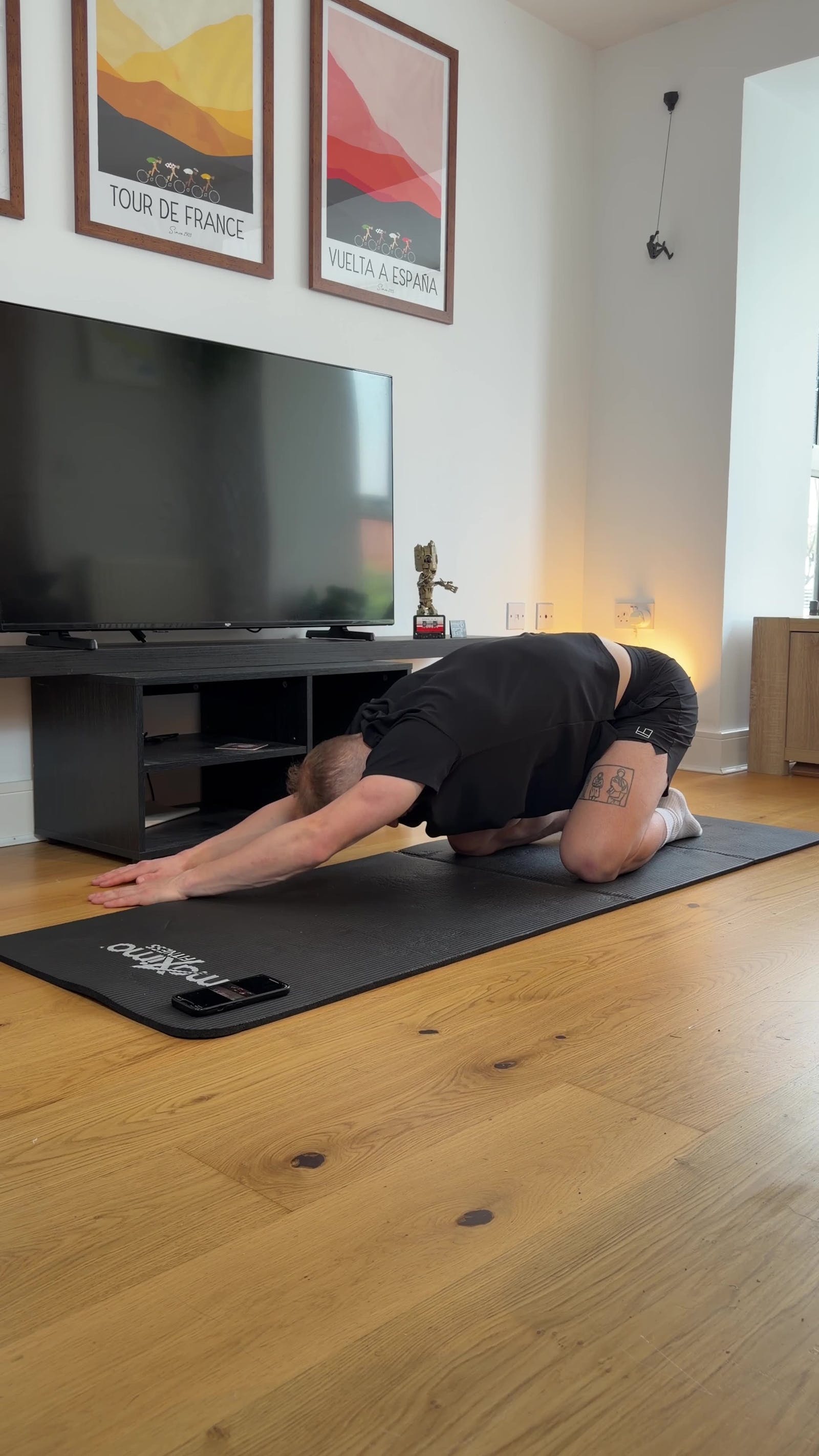
1. child's pose (balasana)
Child's pose is a gentle forward fold that allows the body to relax and unwind. This restorative pose stretches the back, hips, and thighs, relieving tension built up during workouts, and encourages relaxation. The position lets you focus on breathing, calming the mind, and reducing stress, while gently stretching the spine and hips.
How to do it:
Kneel on the floor and sit back on your heels.
Fold forward, extending your arms in front of you or resting them by your sides.
Relax your forehead on the mat, taking deep breaths to feel the stretch in your back and hips.
2. downward-facing dog (adho mukha svanasana)
The downward-facing dog is a classic pose that stretches the entire body and is often used to transition between poses in yoga sequences. This pose stretches the hamstrings, calves, shoulders, and spine, promoting overall flexibility. The inversion also enhances circulation, allowing fresh oxygen to reach your muscles.
How to do it:
Start on your hands and knees, with your wrists aligned under your shoulders and knees under your hips.
Tuck your toes and lift your hips up and back, straightening your legs and forming an inverted "V" shape.
Keep your head between your arms, gazing towards your navel, and hold the pose while breathing deeply.
3. legs-up-the-wall (viparita karani)
This restorative pose involves lying on your back and extending your legs against a wall, promoting relaxation and circulation. The gentle inversion calms the nervous system and helps reduce fatigue. This pose can alleviate muscle soreness and speed up recovery after vigorous workouts.
How to do it:
Sit next to a wall and lie back, swinging your legs up the wall while keeping your back flat on the floor.
Allow your arms to rest comfortably, palms facing up at your sides.
Close your eyes and breathe deeply, holding the pose for several minutes.
4. seated forward bend (paschimottanasana)
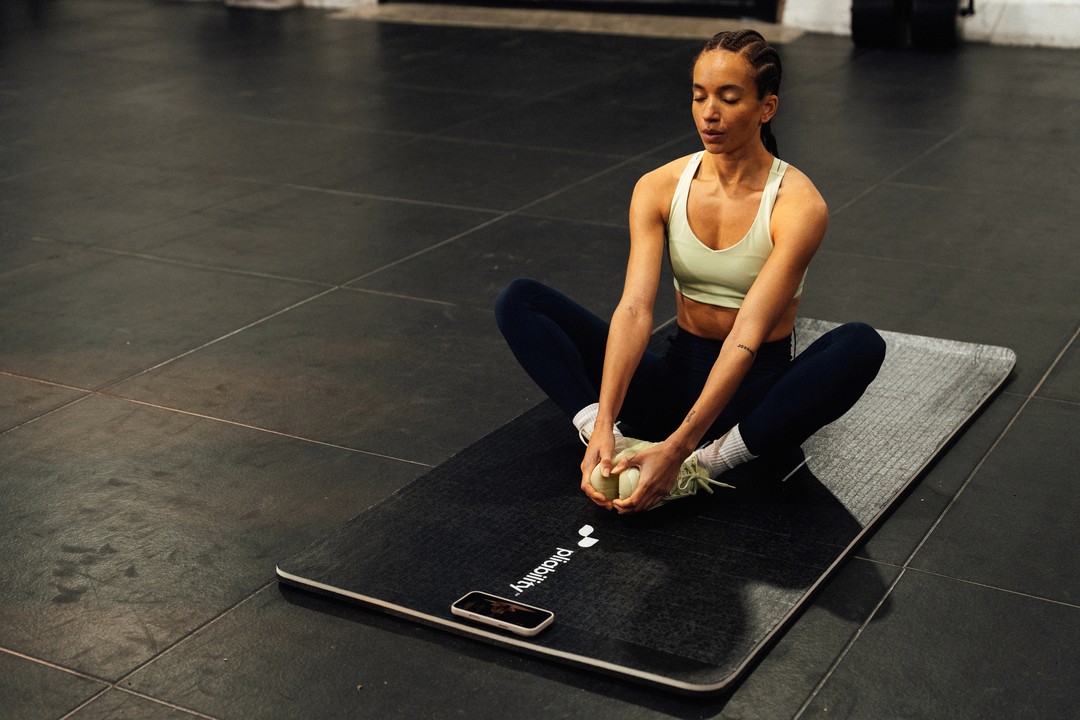
This seated pose stretches the entire back body from the heels to the head. The forward fold stretches the spine and hamstrings, relieving tightness in the back, and promotes relaxation and a calm mind.
How to do it:
Sit on the floor with your legs extended straight before you.
Inhale to lengthen your spine, and as you exhale, hinge at the hips to fold forward, reaching for your feet or shins.
Keep your spine straight and relax your neck. Hold the pose for several breaths.
5. cat-cow stretch (marjaryasana-bitilasana)
The cat-cow stretch warms up the spine and increases flexibility. Alternating between arching and rounding the back helps improve spinal mobility, and this stretch is excellent for releasing tension in the neck and back, common after strenuous workouts.
How to do it:
Begin on your hands and knees, with wrists aligned under your shoulders and knees under your hips.
Inhale as you arch your back (cow pose), lifting your head and tailbone toward the ceiling.
Exhale as you round your back (cat pose), tucking your chin to your chest and drawing your belly button toward your spine.
Continue to flow between these two positions for several rounds of breath.
6. pigeon pose (eka pada rajakapotasana)
The pigeon pose focuses on stretching the hips and glutes, which are often tightened during workouts. This pose targets the hip flexors and glutes, promoting better mobility, and can help relieve discomfort caused by tightness in the lower body.
How to do it:
Start in a downward dog pose. Bring your right knee forward and place it behind your right wrist, with your right foot angled toward your left hip.
Extend your left leg straight back, keeping the hips squared.
Lower your upper body to the ground, resting on your forearms or extending your arms forward. Hold for several breaths, then switch sides.
recover smarter with pliability
pliability focuses on the type of mobility work that benefits athletes and active people, including yoga-based recovery flows. Use our mobility test to identify where you're tight or restricted, then follow a personalized Path built around those results, or use Build Your Program to design your own recovery routine. Daily Sessions make it simple to fit active recovery like the poses above into your week, and our Rebuild hub supports longer-term mobility and recovery goals.
Sign up today for a 7-day free trial on iPhone, iPad, Android, or the web, and see how guided recovery routines help you move better and bounce back faster.
Related Reading


Move better in 10 minutes a day.
10,000+ five-star reviews.