


LEARN
pliability

After an intense workout, your muscles ache and feel tight, especially where you pushed your limits. You want to recover quickly to return to your training routine and tackle your next challenge. But should you rest and let your body heal, or is there something else you should do to get back on track? Active recovery vs rest day has become a hot topic among athletes, and for a good reason. This article will help you determine which approach is best for you to recover faster, reduce soreness, and improve performance while avoiding injury, so you can stay consistent and maximize your workouts. Along the way, it also helps to know the best recovery tools for athletes.
is active recovery better than a rest day?

Neither one is better across the board. Active recovery is the stronger choice when you are sore but not exhausted and want to keep moving; a full rest day is the better call when fatigue, stress, or injury are in the picture. According to the American Council on Exercise (ACE), active recovery involves engaging in lighter activity during or after a higher-intensity workout to promote recovery. Think of it as light, feel-good movement that helps you bounce back stronger.
active recovery: benefits & examples
Active recovery often appears during a high-intensity workout (think: a cooldown walk after a strenuous run). It can also serve as a standalone workout to balance out higher-intensity days.
Common forms of active recovery include:
Walking
Jogging
Light biking
Yoga
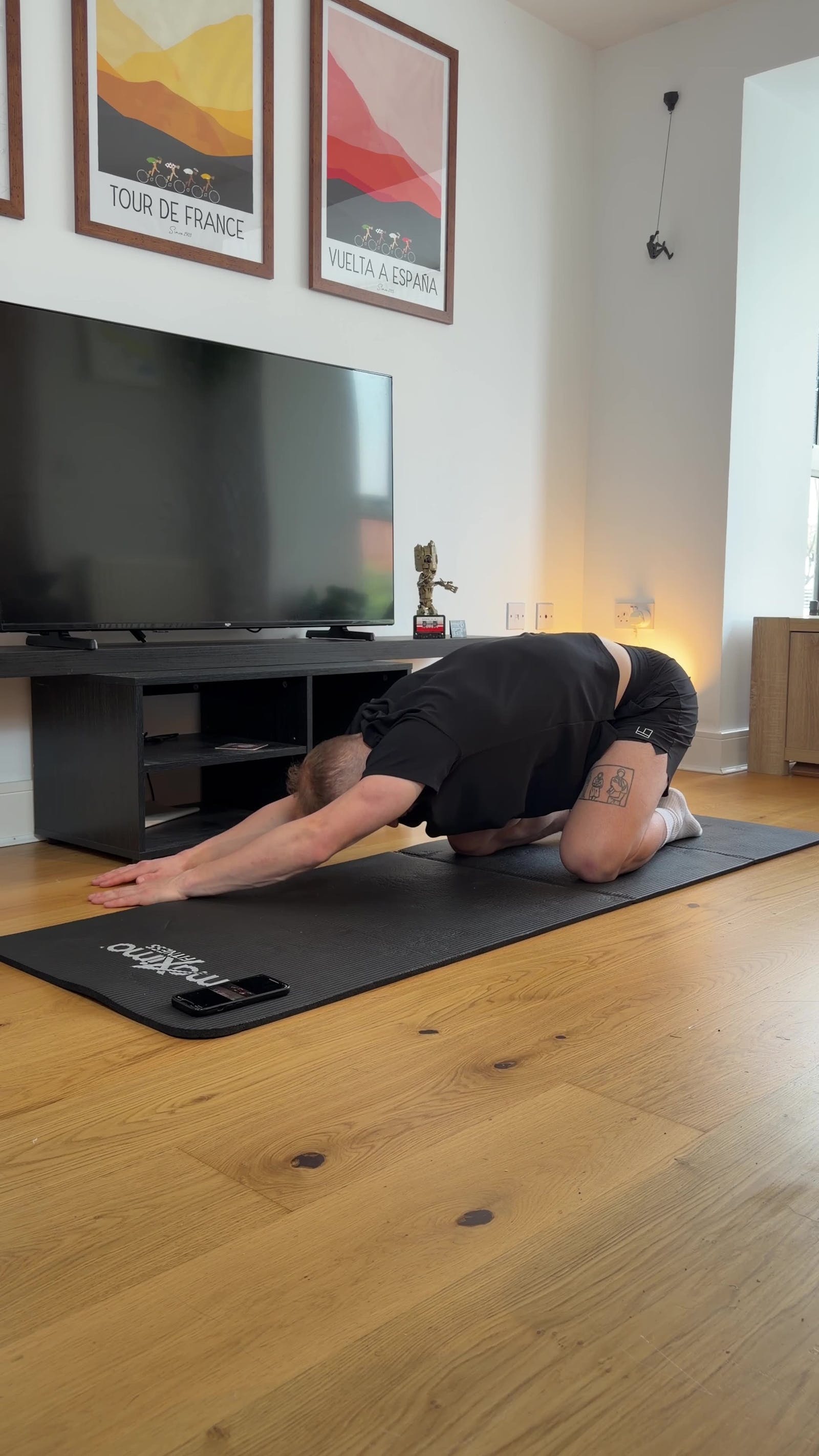
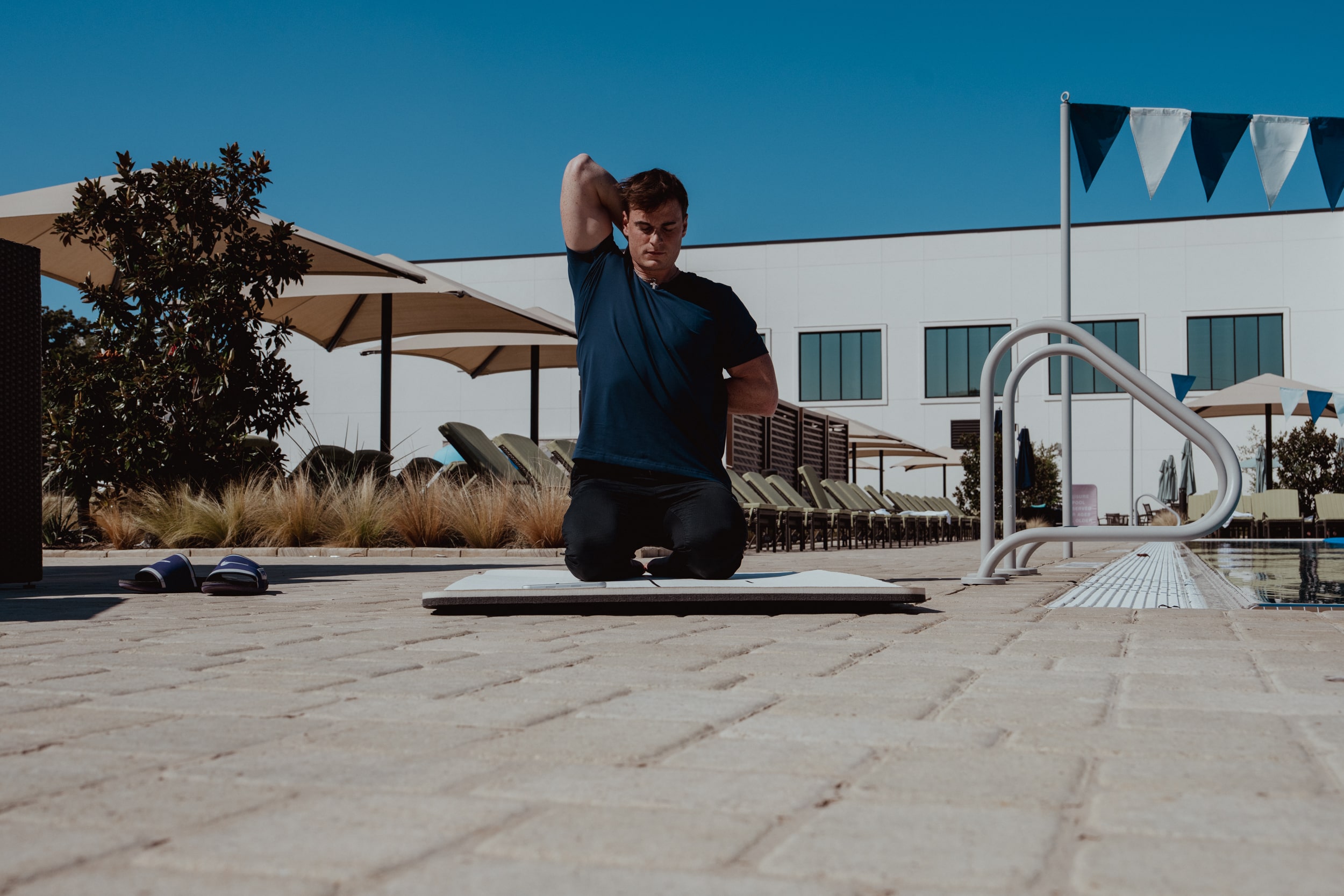
Mobility exercises
Low-intensity activities help your muscles recover and stay healthy without adding extra strain. The goal of active recovery is to promote blood flow, reduce muscle soreness, and maintain mobility without putting additional stress on the body.
the benefits of active recovery
Active recovery offers several benefits, including:
Better circulation: Light activity keeps your blood circulating so it can deliver oxygen and nutrients to your muscles to help them repair.
Reduced muscle stiffness and soreness: Giving your muscles the care they need to recover optimally can also decrease post-exercise soreness.
Improved flexibility: Nourishing and allowing muscles to recover properly can also support flexibility.
Maintained fitness levels: Incorporating active recovery into your fitness routine can help you stay consistent without overexerting or burning out.
Improved mental wellbeing: Exercise helps decrease stress, and active recovery workouts are no different. These lighter activities also allow you to rest and refresh.
the drawbacks of active recovery
Overdoing active recovery can hinder muscle repair, which is why keeping the intensity low matters. Going too hard during active recovery can lead to drawbacks like:
Overexerting: Active recovery is meant to feel light. But some people can tempt themselves to push too hard, turning a recovery session into a full-blown workout.
Overtraining: That overexertion can sometimes lead to unnecessary exercise burnout or injury.
Insufficient rest: Active recovery may not provide enough rest if you’re experiencing significant fatigue or injury.
what is a rest day?
Exercise is a stressor, and rest days are crucial for allowing your body to recover, rest, and reset for workouts to come. A rest day involves abstaining from all intense physical activities, allowing the body time to fully recover and repair. It’s especially crucial for preventing burnout and injuries. Rest days can take two forms:
Light-activity rest days: This is a break from intense exercise while still engaging in light movement like:
Foam rolling
Stretching
Core-focused practices
Total rest days: This is a total break from exercise, no matter the type or intensity.
the benefits of rest days
Rest days are essential for:
Enhanced muscle repair: The process of getting stronger and building muscle actually takes place during rest. You need rest days to let the body recover, repair, and recharge.
Injury prevention or recovery: Rest days reduce the risk of overuse injuries by giving the body time to repair. If you have an injury, rest days are also essential to the healing process.
Enhanced energy: Pushing too hard can lead to burnout. Taking rest days replenishes your energy stores to help you avoid exhaustion and improve your future performance.
Improved mental wellbeing: Sufficient rest is also crucial for reducing stress and promoting relaxation.
the drawbacks of rest days
While rest days are vital, there are some potential drawbacks, including:
Loss of motivation: Inconsistent rest days may lead to losing momentum and disrupt your fitness routine.
Decreased fitness levels: Taking too many rest days without any physical activity can hinder progress. Our bodies need the regular challenge of exercise to stay strong physically, mentally, cardiovascularly, and neurologically.
comparing active recovery vs rest day for peak performance & muscle repair

The primary difference between active recovery and rest days is the activity level. Active recovery involves light movement aimed at promoting circulation and mobility. You can incorporate it into higher-intensity workouts to warm up or cool down, or use it as a more leisurely, standalone fitness session.
In contrast, rest days prioritize complete or near-complete physical rest. Active recovery might involve light activities like walking, jogging, or biking, whereas rest days typically focus on even gentler options like stretching or foam rolling. Both contribute to recovery, but their applications differ depending on your body’s needs.
active vs passive recovery: two names for the same choice
In training research, this same comparison usually goes by the names active recovery and passive recovery. Passive recovery is a rest day in its purest form: the body is under no training stress beyond normal daily movement. That can be as simple as staying off your feet, and it can also include restorative extras like massage, foam rolling, compression boots, meditation, or reading. Active recovery is the opposite approach, using easy, low-impact movement such as walking, swimming, cycling, or yoga to keep blood flowing to worked muscles, delivering nutrients that help repair tissue and clearing exercise byproducts that contribute to soreness. So if you see a plan calling for a passive recovery day, read it as a rest day, and treat an active recovery prescription as a light movement day.
what the research says about active vs passive recovery
A series of studies sponsored by the American Council on Exercise compared the two strategies directly. Between repeated efforts, endurance performance dropped nearly three times more with passive recovery than with active recovery, and in back-to-back power tests, peak power was virtually maintained with active recovery while it fell several times further with complete rest. Intensity mattered, too: easy-to-moderate active recovery, around 55 to 60 percent of heart-rate reserve, cleared blood lactate faster and preserved performance better than pushing the recovery work too hard. The takeaway is that recovery does not just take care of itself; it should be a planned element of your training, with light movement doing most of the work between efforts and true rest days reserved for when your body shows it needs them.
who benefits from each type of recovery?
Active recovery is ideal after tough workouts when your body isn’t too fatigued. Rest days, on the other hand, are essential when you’re feeling overworked, stressed, or dealing with injuries. Which should you choose and when?
Active recovery and rest days can both be crucial to a well-rounded fitness routine. The type of rest needed depends on the person's activity level, fitness goals, and lifestyle. Sprinkling in rest and active recovery days is optimal for achieving any fitness, health, or wellness goal.
when should I choose active recovery?
Deciding when to engage in active recovery versus rest depends on factors like:
Workout intensity
Overall fatigue
Personal goals
Active recovery makes sense when you’re not too tired and still want to maintain your routine.
It is ideal for those who want to stay engaged in their fitness routine while allowing their body to recover. It’s best after tough workouts when the body isn’t too fatigued, or for individuals focusing on maintaining consistency and mobility.
when should I choose rest days?
Rest days, on the other hand, are crucial for long-term sustainability during particularly grueling training weeks, when you’re injured, or when you need a mental break.
Both are important. By listening to your body and tailoring your recovery approach, you can maximize your fitness potential while minimizing burnout and injuries. After all, recovery isn’t just about taking breaks; it’s about giving your body what it needs to thrive.
does active recovery include cross-training?
Optimal recovery includes both complete rest and active recovery. Cross-training (performing any exercise that isn’t running) can be part of that, but it doesn’t have to be, and more strenuous cross-training is too taxing to count as active recovery.
If you’re building up your training to reach a goal (a first-time finish at a new distance or a PR) or just getting back into running, you should only cross-train at easy to moderate effort levels to balance the demands of your running workouts. If you’re using running as active recovery, keep the duration and intensity easy.
Balanced Training: Mixing Intensity & Recovery
If you’re running for fitness, you have more flexibility. For example, if you run three times per week, three to five miles at a time, for the health of it, you could make one run a high-intensity interval workout, one a short, easy effort, and one a long, steady effort.
You can fill in the gaps with cross-training at different effort levels because you’re not building intensity and volume each week to work toward a race. You might do a hill workout on the bike or go to a challenging yoga or strength class. The key is to include two or three harder workouts each week with plenty of easy and moderate activity to balance them out.
improve your flexibility with our mobility app today | get 7 days for free on any platform
Whichever way you recover, make the light-movement days count. pliability is a mobility app built for performance-oriented individuals and athletes, and it fits both sides of this debate: follow a short Daily Session as your active recovery, or use gentle stretching work on a light-activity rest day. Pick a Path for your sport or a problem area, use Build Your Program to shape routines around your training week, and take the in-app mobility test to pinpoint the tight spots that slow your recovery. If you are working around pain or an injury, the Rebuild hub is built for that.
Sign up today for 7 days free on iPhone, iPad, Android, or the web to improve flexibility, aid recovery, reduce pain, and enhance range of motion.
Related Reading








Move better in 10 minutes a day.
10,000+ five-star reviews.