


LEARN
pliability

Performance training is a structured method for improving how your body performs under real conditions like sprinting, cutting, and absorbing impact, not how you look. General fitness asks how much weight you can lift; performance training asks whether you can turn that strength into speed, power, and control when it actually counts, in competition, under fatigue, at the end of the game.
what is sports performance training and why does it matter?

Performance training targets function over appearance: the explosive first step, the ability to change direction without losing speed, and the power you can still generate in the final minutes of competition when your body wants to quit. Most fitness programs optimize for general conditioning or how you look; performance training optimizes for movement quality that matters when the game is on the line.
Sport-specific demands vary more than most training programs account for. A runner needs different hip mobility and eccentric strength than a basketball player, and a fighter needs different rotational power and recovery than a swimmer. General fitness builds baseline conditioning, but it doesn't prepare your body for the precise, repetitive, high-intensity movements a specific sport requires, which is why weekend warriors who lift regularly still pull hamstrings during pickup games: strength without sport-specific movement patterns leaves gaps that only show up under real conditions.
Training hard without addressing movement quality creates a predictable chain: stiffness limits range of motion, limited range compromises technique, and poor technique reduces power transfer while raising injury risk. Recovery and mobility aren't optional add-ons here; they determine whether you sustain high performance or break down trying. To understand why, it helps to look at what happens inside your body when you train for speed, power, and endurance under stress.
what's the science behind sports performance training?
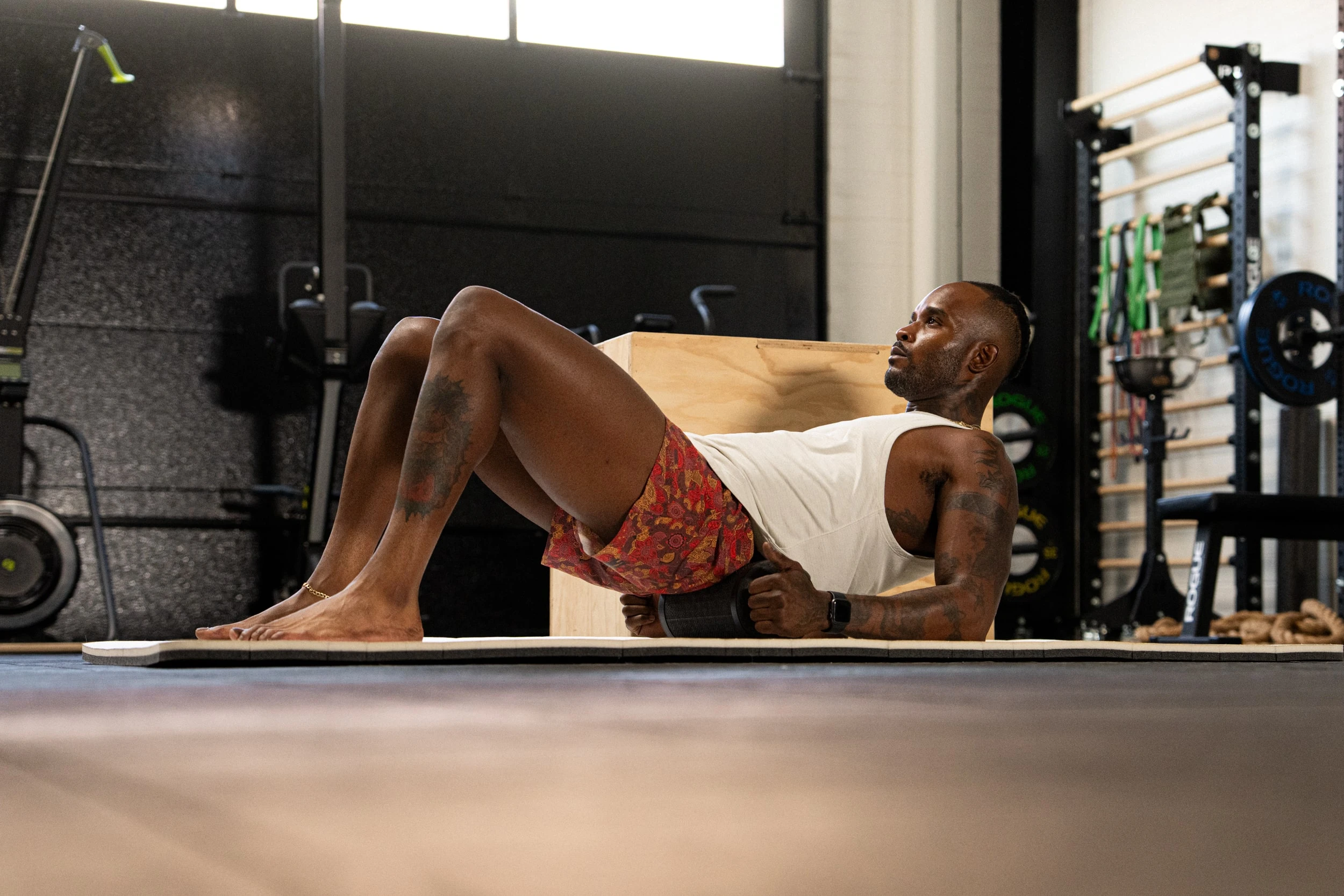
Performance training works because it targets the neuromuscular system, energy pathways, and movement coordination under load, not isolated muscle groups. It teaches your nervous system to recruit muscle fibers faster, your energy systems to sustain output longer, and your joints to stabilize under unpredictable forces, which is why a powerlifter who can squat 500 pounds can still blow out a knee in casual soccer: the weight room built strength but never taught deceleration, direction changes, or force absorption through multiple planes of motion.
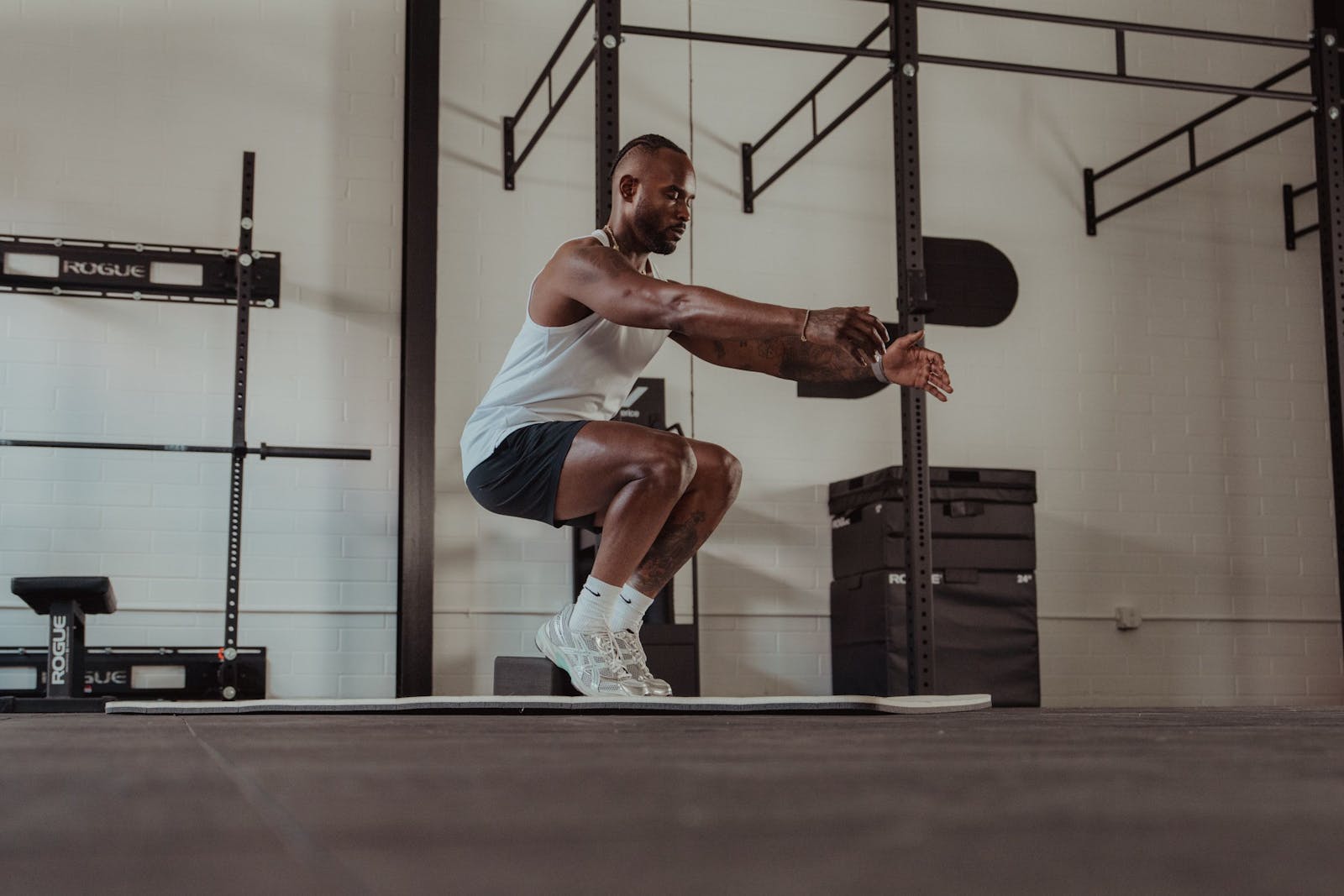
Jumping higher isn't just about stronger legs; it's about how well your muscles store and release elastic energy through the stretch-shortening cycle. Landing quickly loads your muscles and tendons like a compressed spring, and your nervous system has milliseconds to convert that stored energy into an explosive contraction. Traditional bodybuilding splits, training each muscle in slow, controlled tempos once a week, never teach this, and leave athletes who move like separate parts instead of a coordinated kinetic chain, where force moves from the ground through your hips, core, and limbs in sequence. Proper periodization respects these neuromuscular adaptations instead of overloading them, which is part of why it meaningfully reduces injury risk.
Your body also runs on three energy systems: phosphagen for explosive efforts under 10 seconds, glycolytic for high-intensity work lasting 30 seconds to 2 minutes, and oxidative for anything sustained beyond that. A lineman needs his phosphagen system to recover between bursts; a marathoner needs his oxidative system to hold steady output for hours. Performance training matches intensity, duration, and rest to whichever system the sport actually demands, which is why a well-conditioned sprinter can look gassed after jogging a single mile.
Strength without mobility is a powerful engine with a rusty steering wheel: you can generate force but not direct it safely. Hips that can't reach squat depth force the lower back to round under load; stiff ankles force the knees to cave during jumps. Those compensations are what turn into chronic injuries, which is why guided mobility work targeting specific joint restrictions has to be a daily practice, not an occasional stretch.
what performance training actually improves
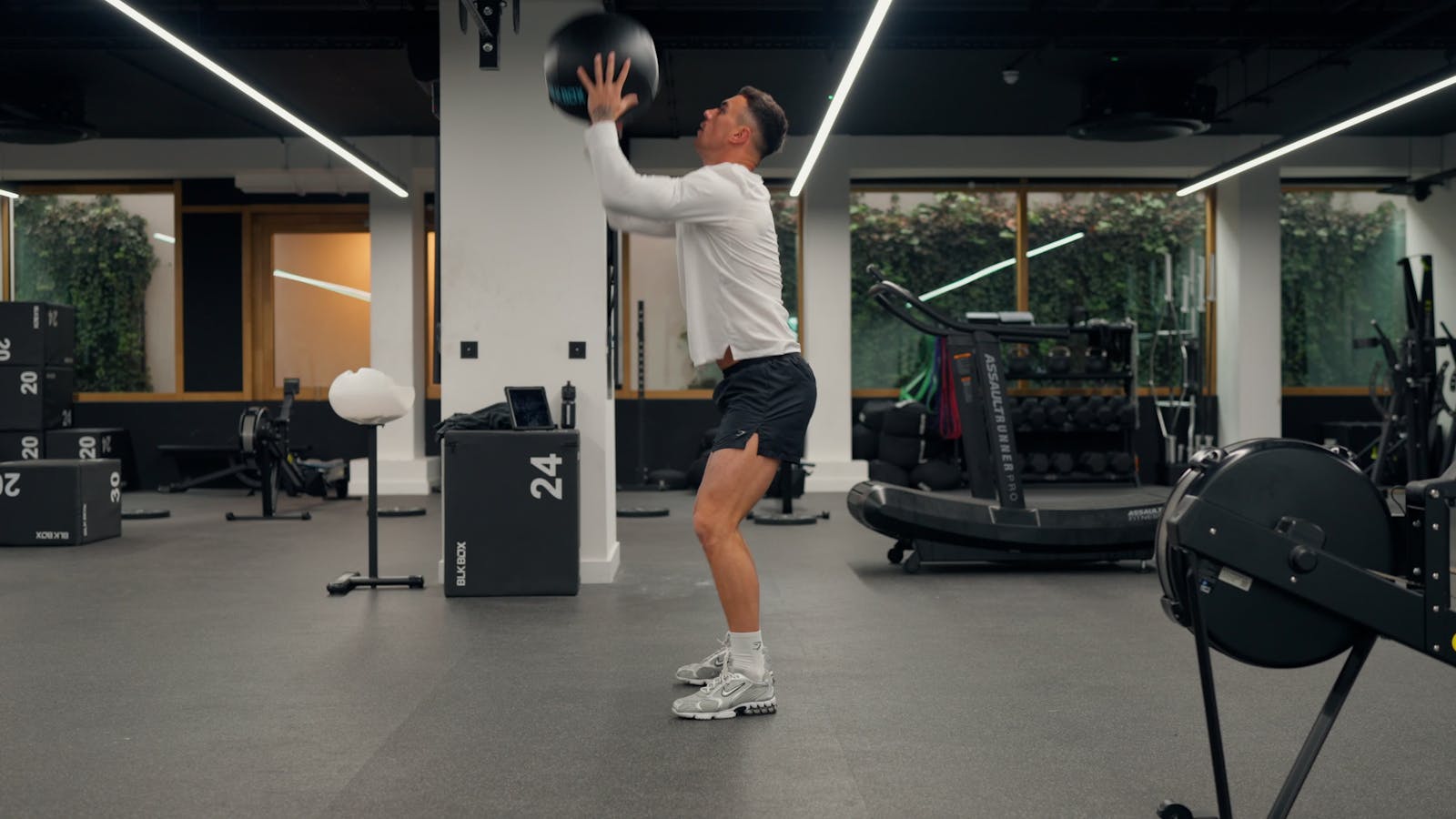
Speed comes from eliminating wasted motion, not moving your legs faster: energy should transfer from foot strike through your hips into forward momentum, and weak glutes or tight hip flexors leak that power into labored effort instead. Training the posterior chain through plyometric drills teaches your body to load and release energy in milliseconds, which is why a trained sprinter looks smooth at top speed while an untrained person looks like they're fighting gravity. Power is that same speed applied under load: box jumps, med ball slams, and broad jumps train the stretch-shortening cycle in ways that show up everywhere, lifting your kid into a car seat without tweaking your back, or accelerating past someone on a bike path without your legs turning to cement.
Endurance training in this context teaches your aerobic and anaerobic systems to switch efficiently under fatigue: a basketball player has to sprint, recover during a timeout, then sprint again without cramping, which means conditioning the phosphagen and glycolytic pathways to clear lactate and replenish ATP fast. Interval work, 30-second sprints with 90-second recovery, builds this better than steady-state cardio because it mirrors the start-stop rhythm of most sports.
Balance training strengthens the feedback loop between your joints and stabilizing muscles through single-leg work, unstable-surface drills, and multidirectional movement, so you stop feeling unsure on uneven ground and trust your body to catch you when you stumble.
how to start performance training without getting injured
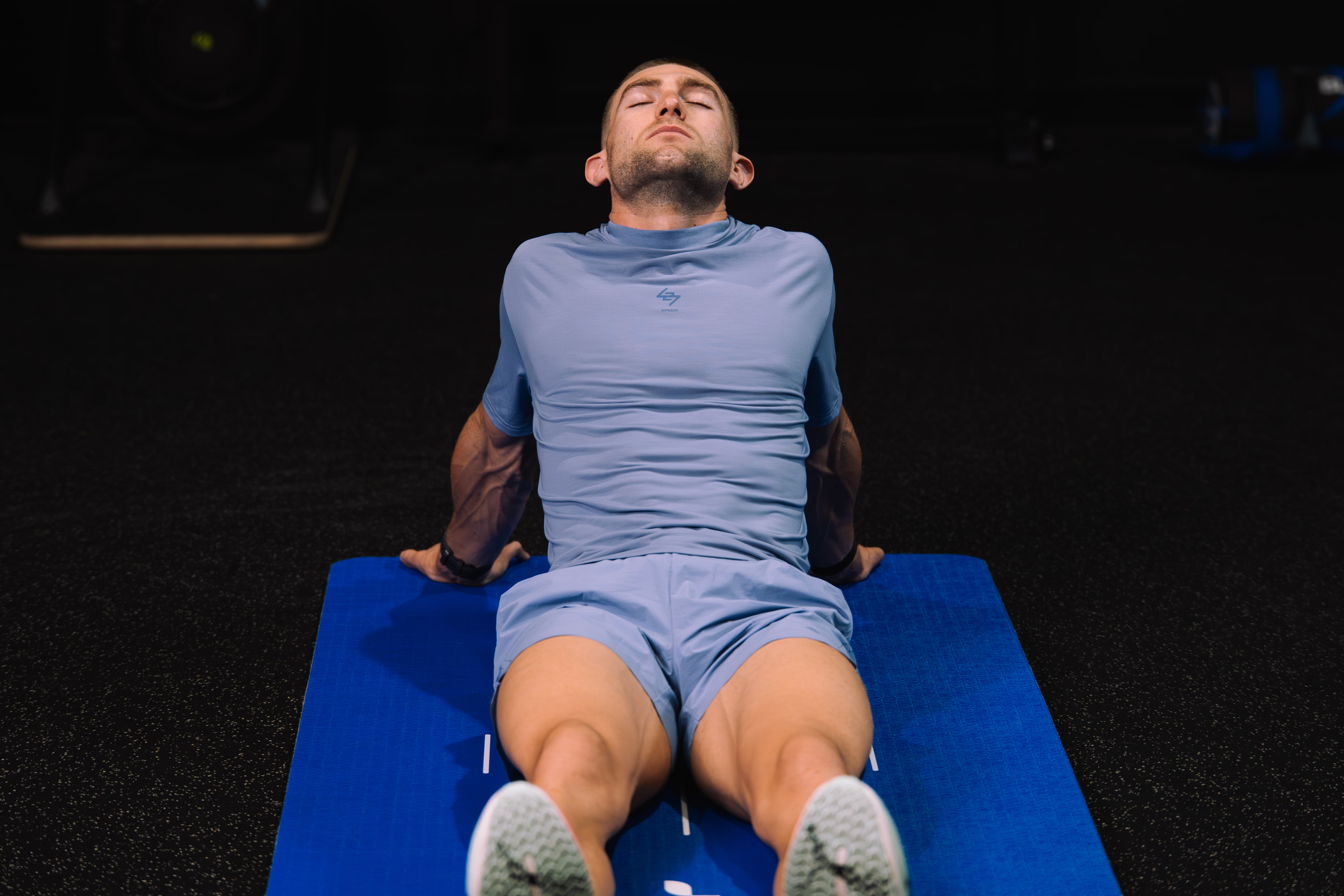
Start with what you already have, not what you lack. Can you squat to parallel without your heels lifting? Reach overhead without arching your lower back? Film yourself on your phone: knees caving during a lunge or shoulders hiking during a press show exactly where your body compensates, and compensation is where injury lives. A large share of sports injuries are preventable with the right training protocol.
Foundational strength means controlling your own bodyweight through a full range of motion before adding external resistance. If you can't perform 15 controlled bodyweight squats without your form breaking down, a barbell will expose that weak link through pain instead of progress. Start with split squats, single-leg deadlifts, and plank variations that guard against compensation, and only add complexity once both sides move equally well under control. Progress through constraint, single-leg versions, eyes closed, explosive then controlled tempo, rather than simply piling on reps or weight; three quality sessions a week spaced 48 hours apart beats six mediocre ones where fatigue wrecks your form and compounds injury risk.
You don't need a coach to start, but you need feedback to progress safely, since the gap between how a movement feels and what it actually looks like on video is usually bigger than people expect. If discomfort repeats in the same spot or progress stalls for more than two weeks, get a professional assessment. Mobility work follows the same logic: it isn't stretching before a workout, it's targeted preparation for whatever your ankles, hips, or thoracic spine are restricting, and guided routines that target those specific restrictions build cleaner recovery and the confidence to keep progressing.
turn performance training into daily movement results
Performance training works when mobility, recovery, and movement quality become as consistent as the strength and speed work itself. Skip these and small restrictions compound quietly: limited ankle dorsiflexion caps squat depth, tight hip flexors alter your stride, a stiff thoracic spine forces shoulder compensation overhead, until the pattern is fully ingrained.
The pliability app turns mobility into a structured daily practice rather than guesswork. Daily Sessions and Paths target specific movement systems, hip mobility for runners, shoulder range for overhead athletes, Build Your Program lets you structure that work around your training week, a mobility assessment uses body scanning to identify actual movement limitations instead of random stretching, and the Rebuild hub keeps recovery protocols in one place for high-volume training blocks. You can try it with a free 7-day trial on iPhone, iPad, Android, or web, or start at pliability.com.
Related Reading
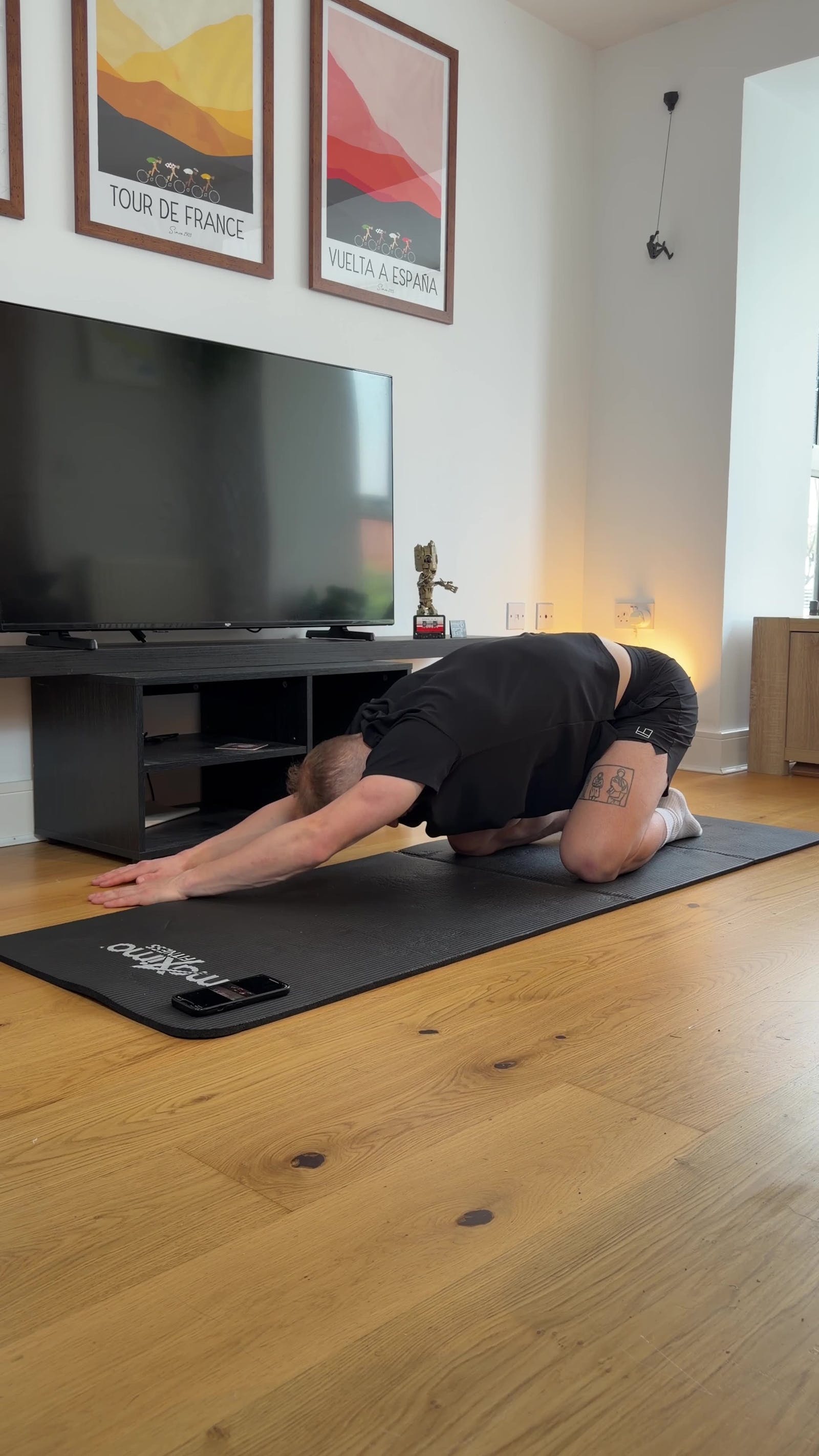


Move better in 10 minutes a day.
10,000+ five-star reviews.