


LEARN
pliability

Athletes and fitness enthusiasts often wonder whether to perform plyometrics (sometimes shortened to "plyos") before or after weight training. The timing of explosive movements like jumps, bounds, and hops relative to strength work directly impacts power output, recovery, and injury risk. For most people training for speed, power, or athletic performance, plyometrics should come first: your nervous system works best when fresh, and heavy lifting beforehand blunts the explosive output the drills are meant to build. Bodybuilders and pure-strength athletes chasing maximum load are the exception, since plyometrics fatigue the stabilizer muscles a heavy lift depends on.
Sequencing matters, but movement quality is the foundation both plyometric and strength training rely on. When joints move freely and muscles fire correctly, you generate more force during box jumps and Olympic lifts alike.
table of contents
Why Strength and Plyometrics Both Matter
Why Exercise Order Changes Performance and Results
Should You Do Plyometrics Before or After Weights?
How to Combine Plyometrics and Weight Training Safely
Improve Recovery and Movement Quality Between Training Sessions
summary
Performing plyometric training first preserves neural efficiency for explosive movements requiring maximum power output. Plyometric training can improve power output by 10 to 30 percent under optimal conditions, but these gains disappear when heavy lifting creates residual fatigue beforehand. Explosive movements demand a nervous system that is fully fresh, ready to activate high-threshold motor units within milliseconds of ground contact.
Strength training builds force production capacity, but doesn't automatically translate to speed or explosiveness. Loading a barbell until your muscles shake doesn't teach your body to use that strength quickly. The stretch-shortening cycle that generates explosive power requires distinct neural adaptations that maximal strength training alone cannot provide.
Exercise order affects performance quality and injury risk through fatigue patterns that most people ignore until something breaks. Research on exercise sequencing found that order significantly affects strength performance and markers of muscle damage in trained individuals. Heavy squats deplete phosphocreatine stores and create metabolic byproducts that interfere with the rapid force production plyometrics demand, while plyometrics performed first compromise the stabilizer coordination and proprioceptive feedback needed to safely control heavy loads.
Connective tissue adapts more slowly than muscle, which makes training frequency the most critical variable when combining plyometrics and weights. Tendons and ligaments need adequate recovery windows between high-impact sessions, typically two to three plyometric sessions weekly. Combined strength and plyometric training produces measurable improvements in power output and movement efficiency when intensity is carefully calibrated, but only when progression focuses on one variable at a time rather than increasing load and cutting rest simultaneously.
Overtraining shows up through subtle performance declines before it forces you to stop. Jump height decreases despite increased effort, resting heart rate creeps upward, and sessions that felt manageable two weeks ago leave you depleted for days. These patterns mean your nervous system cannot absorb the current training load, and the fix is reducing volume or taking a full deload week at 40 to 50 percent intensity, not adding more recovery modalities on top of existing work.
why strength and plyometrics both matter

Most athletes want to move faster, jump higher, and build explosive power. Strength training alone isn't enough: you can load a barbell until your legs shake, but if you don't teach your body to use that strength quickly, you're building an engine without learning how to drive it. Raw strength without speed application sits unused when you need it most, which is why athletes chasing explosiveness need more than heavy lifting. Rate of force development, not maximum load, is what separates explosive athletes from those who are simply strong.
what does strength training actually build?
Strength training builds force production, the ability of your muscles to create tension against resistance. It improves muscle size, tendon strength, joint stability, and motor unit recruitment. You become stronger, but not necessarily faster or more explosive.
how does plyometric training transform that strength into speed?
Plyometric training builds power through the stretch-shortening cycle, which uses elastic energy and reflexes to produce explosive movement. This yields faster ground contact times, better force transmission, and a sharper neuromuscular system. Strength creates power; plyometrics teaches you to express that power rapidly. Combined intelligently, the two produce better results than either method alone.
what does research show about combining strength and plyometric training?
Maximum strength training, plyometric training, and muscular endurance training each create distinct improvements in sport-specific performance. These benefits extend to everyday life too: playing five-a-side, chasing after children, or building confidence in your own body. The ability to generate and control force quickly matters, since it's what makes clients not just strong, but fast, reactive, and agile: better at changing direction, accelerating from a stop, or powering up stairs without effort.
How do strength and plyometric training work differently?
Strength training teaches muscles to contract with more force, but not necessarily more speed. Plyometric training teaches the nervous system to fire quickly, using stored elastic energy in tendons and soft tissue. Together, you get a more complete picture of performance: getting stronger doesn't automatically make you faster or more explosive. Both methods place different demands on the nervous system and muscles, which is why programming them together matters.
Why does training order matter for effectiveness?
Both approaches create fatigue in different ways, and that fatigue changes how well your body performs the other type of training. The order you choose affects whether you can maintain the quality of movement that makes each method work.
why exercise order changes performance and results

Most people think the order of exercises doesn't matter as long as both workouts get done. This assumption falls apart when you try to maintain explosive movement quality after heavy squats, or attempt a one-rep max deadlift with legs fatigued from box jumps. Exercise sequencing directly affects your ability to maintain proper form, power output, and overall training effectiveness throughout a session. Performing high-skill movements or maximum-effort lifts while already fatigued from earlier exercises leads to compromised technique and higher injury risk.
how does heavy lifting first reduce explosive performance?
Heavy lifting done first reduces explosive output during plyometrics because tired muscles generate force more slowly and less efficiently. A heavy, near-maximal lifting set depletes phosphocreatine stores and accumulates metabolic byproducts that impair the rapid force production plyometrics require. Your nervous system also experiences central fatigue: the signal from your brain to your muscles weakens, and fast-twitch motor unit recruitment measurably drops, which directly impairs explosive movement.
What problems occur when plyometrics come first?
Doing plyometric training first creates a different problem. High-speed muscle contractions and eccentric loading tire your nervous system and pre-fatigue stabilizer muscles, impairing the proprioceptive feedback that keeps joints controlled. Research on exercise order confirms that sequence significantly affects strength performance and markers of muscle damage in trained individuals. Movement quality suffers as the precision and control protecting joints and connective tissue deteriorate.
what determines the best training sequence for your goals?
The deciding factor is what you're training for. If your priority is athletic power for sprinting, jumping, or throwing, explosive work demands a fresh nervous system. Fatigue doesn't just reduce how high you jump, it changes how you land, increasing injury risk by compromising mechanics.
If your goal is building muscle size or maximal strength, heavy compound lifts require optimal motor unit recruitment and technique, which means performing them before metabolic fatigue sets in.
How can you maintain consistency when life gets messy?
Many people restart their plans because the plan doesn't survive a normal, imperfect week. Missing one workout triggers the thought "I've messed it up again, I'll restart Monday," turning a single bad day into three weeks of inactivity. Treating mobility work as an adaptive third pillar alongside strength and explosive training, one that fits into short sessions regardless of schedule, helps keep both methods on track without needing a perfect week.
The real question is how to structure your training week so both methods reinforce each other instead of competing for the same recovery resources.
should you do plyometrics before or after weights?

For most people training for explosiveness, speed, or athletic performance, plyometrics should come before heavy weight training. Your nervous system works best when fresh, and explosive movements require maximum neural drive to generate force quickly. Heavy lifting first fatigues motor units, which impairs your ability to generate force rapidly, and once your nervous system is fatigued from heavy weights, your plyometric performance suffers.
why your nervous system demands this sequence
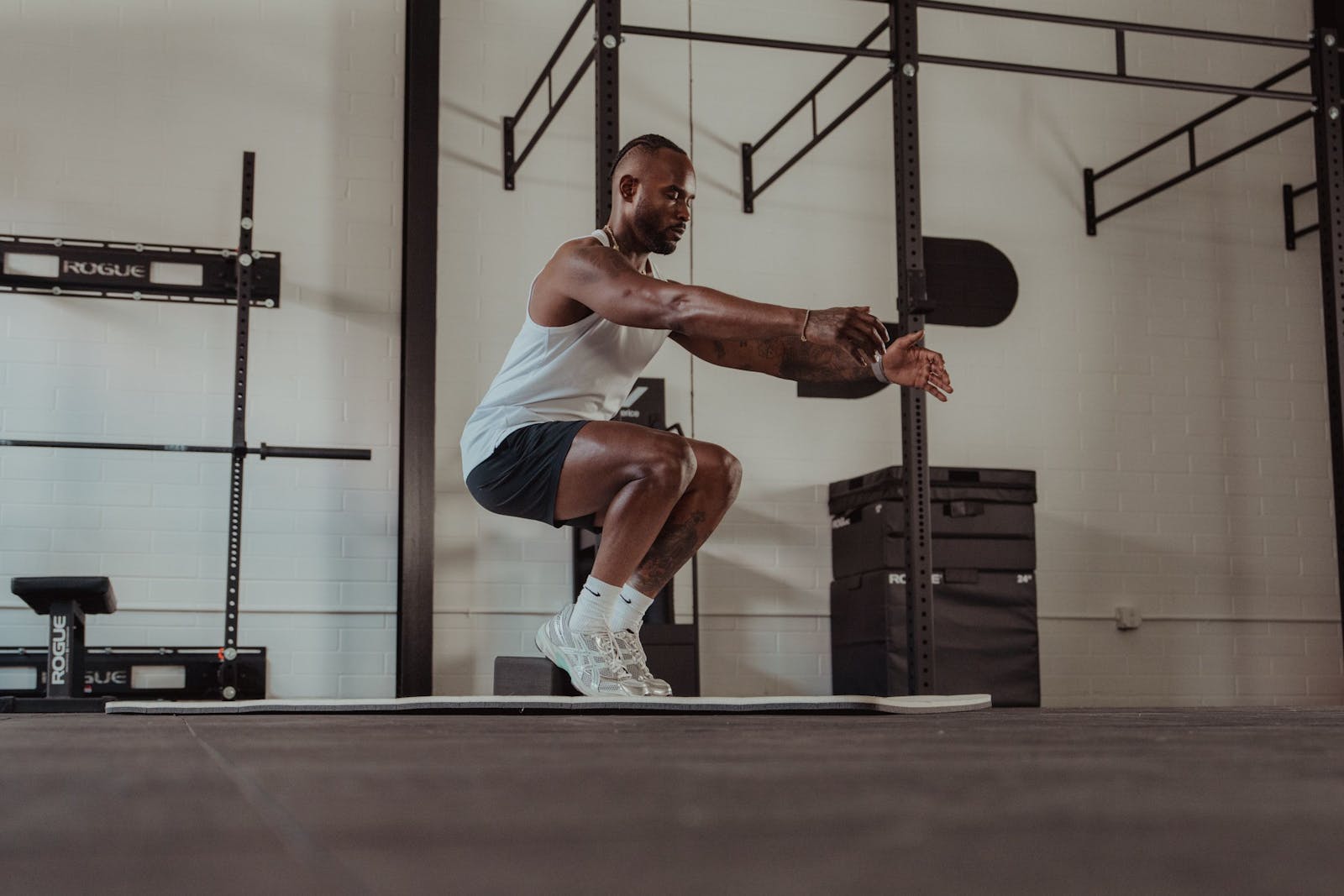
The fast-to-slow principle explains how your body generates different types of force. Plyometric exercises like depth jumps or box hops recruit high-threshold motor units within milliseconds of landing, generating explosive power. Research shows plyometric training can improve power output by 10 to 30 percent under optimal conditions. Heavy squats performed beforehand deplete phosphocreatine stores and create residual fatigue that prevents you from reaching those power thresholds, undermining the session's explosive potential.
when weights should come first instead
Bodybuilders and pure-strength athletes should focus on heavy resistance training rather than plyometrics. Plyometrics cause neural fatigue that impairs your ability to safely stabilize heavy loads. A powerlifter attempting a new squat personal record needs full proprioceptive feedback and stabilizer coordination, not the depletion of fifty box jumps ten minutes earlier. Ask yourself: what matters more today, your one-rep max or your vertical jump height?
how should different athletes structure their training sessions?
A sprint athlete's session might look like depth drops (3 sets of 5), followed by power cleans (4 sets of 3 at 80 percent), finishing with back squats (3 sets of 5 at 75 percent). Each movement slows as fatigue accumulates, but the fastest, most neurally demanding work happens first.
A basketball player during the season might perform lateral bounds (3 sets of 8 per side), then trap bar deadlifts (3 sets of 6), protecting their nervous system while maintaining lower-body strength. Someone focused purely on building muscle could skip plyometrics on leg day entirely, or save them for a separate speed-focused session, since muscle damage and metabolic stress, not power output, drive their progress.
What training split patterns work best for combining different methods?
Blocked training splits, where speed work happens Monday, strength Tuesday, and muscle-building Wednesday, tend to fail because missing one day erases an entire stimulus for that week. A better pattern combines high and low days within the same week: pair plyometrics with heavy lifting on high days, then dedicate low days to muscle-building work and mobility.
Getting the sequence right only matters if you can execute both methods safely without your body breaking down under cumulative load.
how to combine plyometrics and weight training safely

Combining plyometrics and weights means managing three variables: frequency, intensity, and recovery time. Most programs fail by maximizing one while neglecting the others. The goal is a sustainable rhythm where each training stimulus produces adaptation before the next arrives. The sweet spot for most athletes is 2 to 3 plyometric sessions per week with 48 to 72 hours between high-intensity sessions, enough for the nervous system to recover while maintaining the training effect. Never perform maximum plyometric jumps immediately after heavy squats or deadlifts: a fatigued neuromuscular system dramatically increases injury risk and reduces power output.
Training Variable | Recommended Range | Recovery Impact |
|---|---|---|
Plyometric Frequency | 2-3 sessions/week | High |
Weight Training Intensity | 70-85% 1RM | Moderate |
Rest Between Sessions | 48-72 hours | Critical |
Session Duration | 45-60 minutes | Low |
start with frequency and build from there
Do plyometrics two to three times a week to give your nervous system and connective tissue enough time to recover. Tendons and ligaments adapt more slowly than muscle tissue, and plyometric loading stresses these structures significantly; adding weight training compounds the demand on the same recovery system. A general fitness client might perform two full-body strength sessions plus one low-intensity plyometric circuit weekly. An athletic client training for sport might structure it differently: one contrast session pairing heavy lifts with explosive jumps, one upper-lower strength split, and one conditioning session. Each session should feel sharp, not like you're dragging yourself through movements while still sore from two days prior.
manage intensity through load, not just volume
Intensity in plyometrics doesn't mean jumping higher or faster alone. You can increase intensity by adding weight to jump squats, reducing rest periods between sets, or progressing from bilateral to unilateral movements. Combined strength and plyometric training produces measurable improvements in both power output and movement efficiency when intensity is carefully calibrated. Progress one variable at a time: if you're increasing load on weighted box jumps, keep rest periods consistent; if you're shortening rest, keep the same weight for at least two weeks before adjusting again.
watch for the signs your body is breaking down
Overtraining creeps in through small signals most people ignore until forced to stop: jump height decreases despite greater effort, resting heart rate drifts upward, irritability and poor sleep emerge, appetite changes, and strength sessions that felt manageable two weeks ago now leave you wiped for days. These aren't character flaws, they're your nervous system signaling it can't absorb the current training load. The fix isn't another recovery method: reduce volume, increase rest between sessions, or take a full deload week where you cut training intensity by 40 to 50 percent while maintaining movement patterns.
common mistakes that sabotage progress
The biggest programming error is performing high-impact plyometrics while already exhausted from heavy lifting. Stabilizer muscles are fatigued, proprioceptive feedback is compromised, and landing mechanics deteriorate: ankles roll, knees collapse inward. Another mistake is treating every session as a test; some sessions exist to maintain movement quality and reinforce patterns rather than push limits. Beginners often skip warm-ups or rush through five minutes before jumping into box jumps. A proper warm-up should prepare your nervous system for explosive work through dynamic stretching, activation drills for glutes and core, and progressive intensity, starting with low pogos or skips before full-effort jumps.
how does beginner programming differ from advanced training?
A beginner needs foundational strength and movement skills before adding complex plyometrics. This might mean goblet squats paired with step-ups, focusing on controlled landings rather than depth jumps off tall boxes. Keep box height low, prioritize soft, quiet landings, and limit volume to three sets of five reps rather than high-repetition circuits.
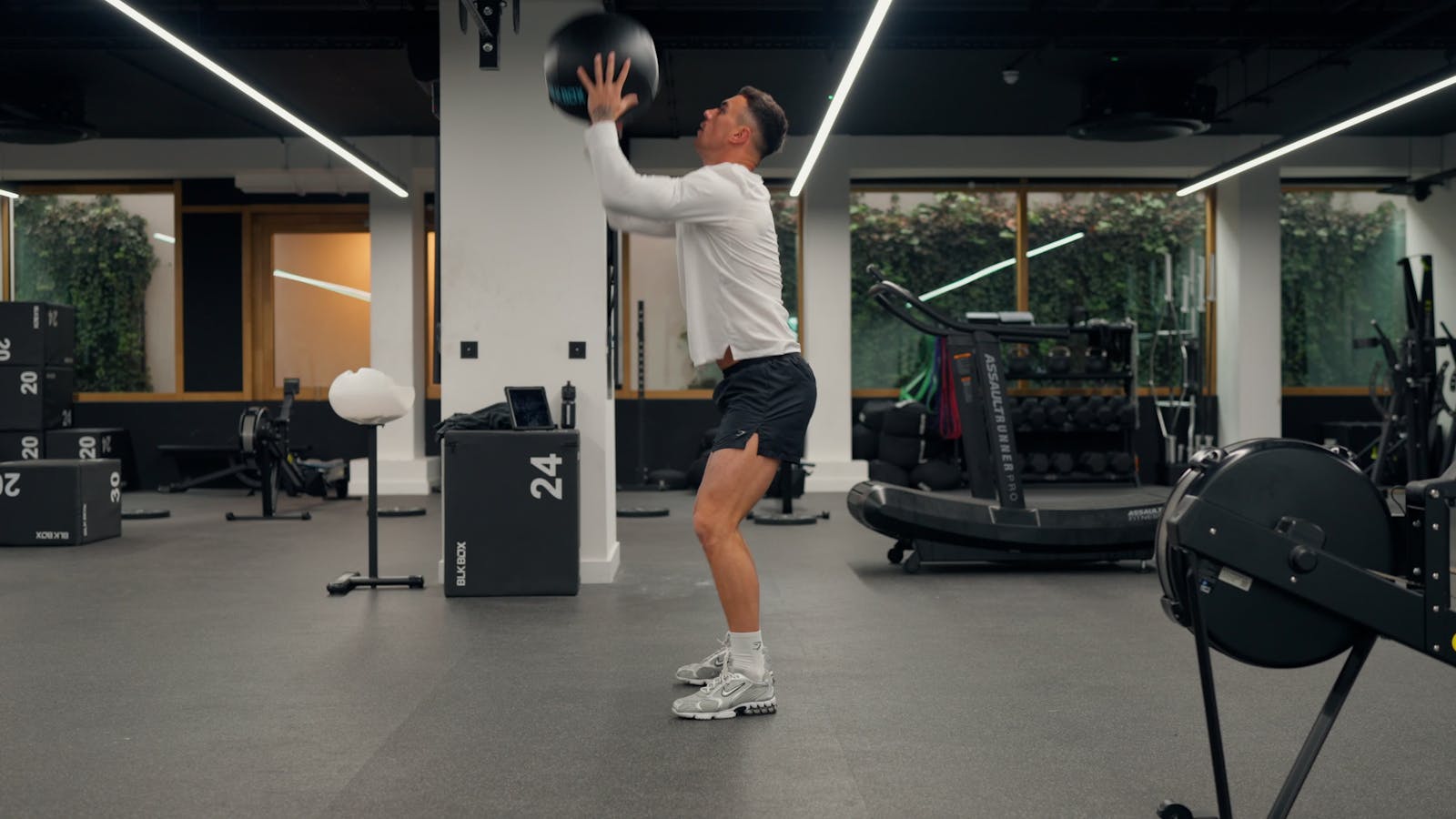
An advanced athlete with years of training can handle contrast protocols: trap bar deadlifts at a high percentage of one-rep max followed by broad jumps after 90 seconds of rest. Their adapted tissues tolerate lateral bounds, single-leg hops, and rotational medicine ball throws.
The difference isn't fitness level, it's tissue resilience, movement literacy, and nervous system capacity. Jumping levels speeds up injury, not progress.
Why is mobility and recovery work essential?
But even perfect programming falls apart without addressing the third pillar most people treat as optional: the mobility and recovery work that keeps tissues healthy and able to bounce back between sessions.
improve recovery and movement quality between training sessions
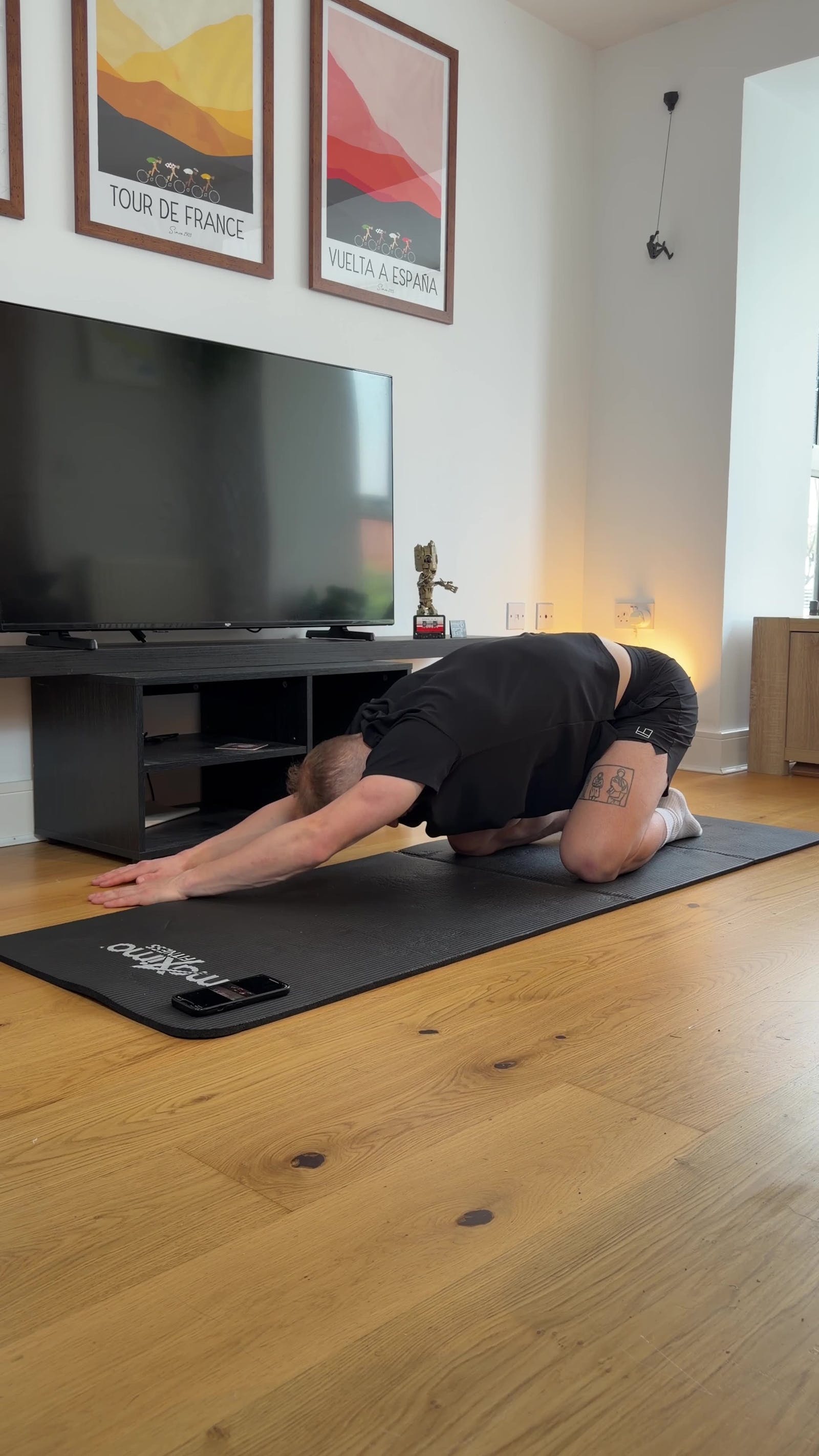
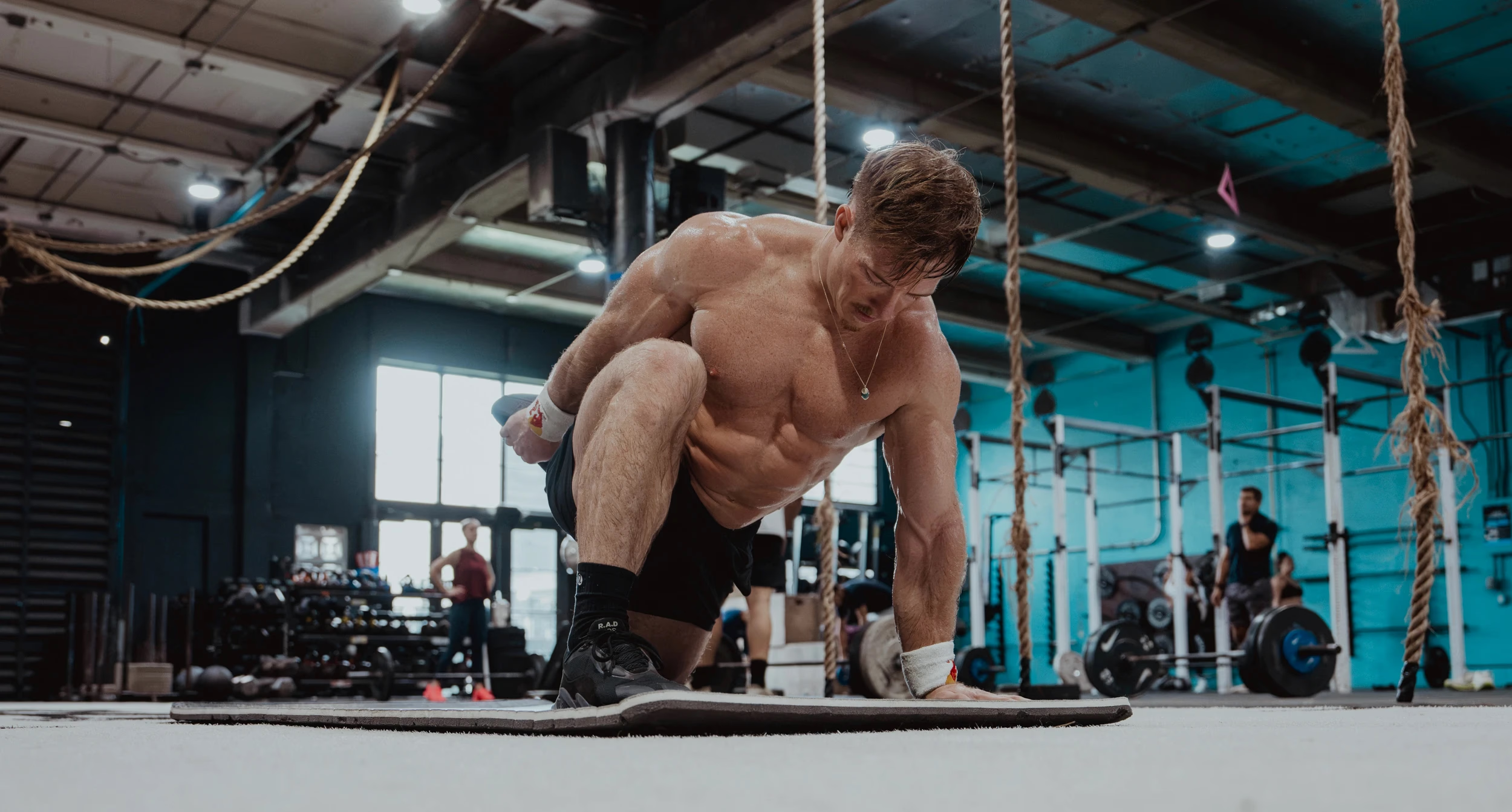
Plyometrics and heavy lifting stress the same connective tissues, nervous system, and joint structures that need to stay mobile and resilient for your next session. Limited range of motion and accumulated stiffness change how you land, how you brace, and how much force you can safely produce. Tissue quality gets worse faster than strength does: if ankle dorsiflexion is restricted or a hip capsule is tight, landing mechanics shift and power output drops. The nervous system compensates by recruiting different muscles or changing joint angles, and over time that compensation becomes the new pattern, which is when performance plateaus and injury risk climbs.
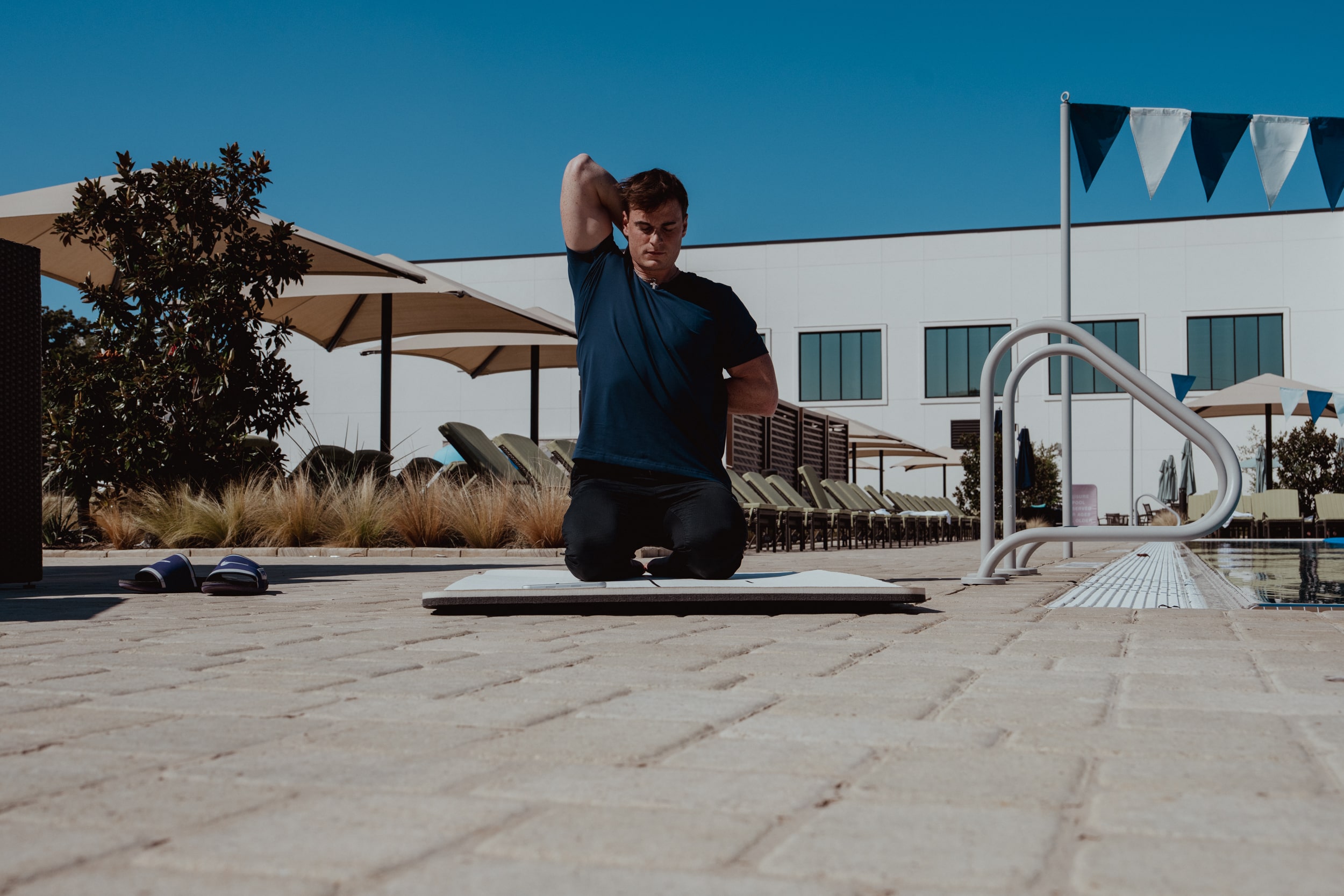
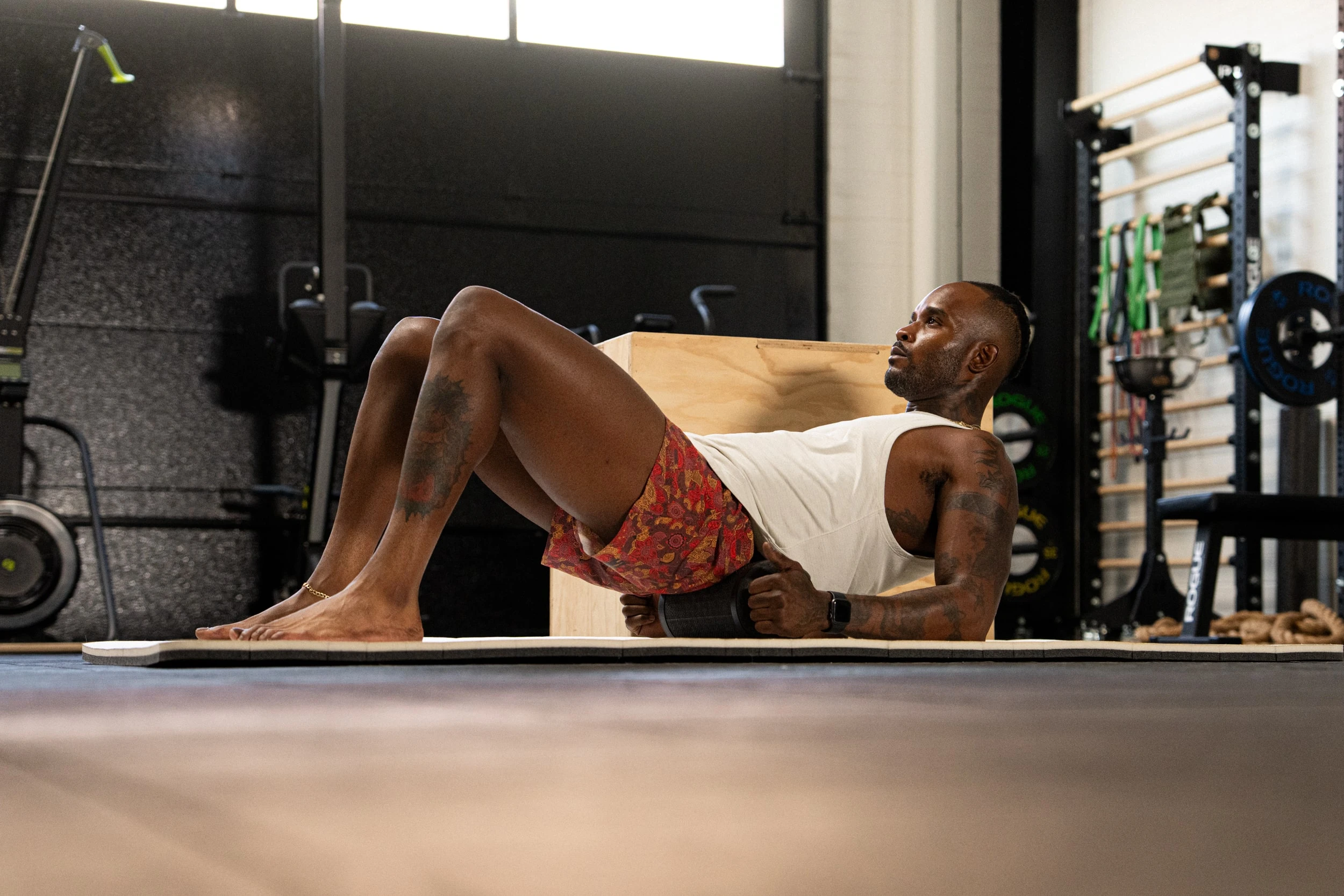
The pliability app's Daily Sessions build this kind of recovery work into your week, so you're not guessing which mobility routine to run between plyometric and lifting days. Paths and Build Your Program let you structure that work around your training split, a mobility test flags restrictions in ankle or hip range of motion before they alter your landing mechanics, and the Rebuild hub keeps recovery-focused sessions in one place. Sessions run about 12 minutes, short enough to fit before or after a training day.
You can try it with a free 7-day trial on iPhone, iPad, Android, or web, or start at pliability.com.
Related Reading



Move better in 10 minutes a day.
10,000+ five-star reviews.