


LEARN
pliability

Plyometrics and isometrics build two different qualities, and neither replaces the other. Plyometric exercises harness the stretch-shortening cycle, a rapid stretch into a rapid contraction, to develop explosive power and speed. Isometric holds create maximum tension without any joint movement, building rock-solid stability and strength at the exact joint angles where you're weakest. The two aren't different intensities of the same adaptation; they train different qualities entirely, and confusing one for the other is why so many training plans build strength that never shows up as speed, or speed that keeps breaking down under load. If your first step feels heavy or your vertical hasn't budged despite getting stronger in the gym, that's usually a plyometric gap: your nervous system hasn't learned to produce force fast. If you feel unstable at end ranges or notice tendon discomfort under load, that's an isometric gap. Most athletes need both, programmed with purpose instead of guesswork.
what plyometrics actually train
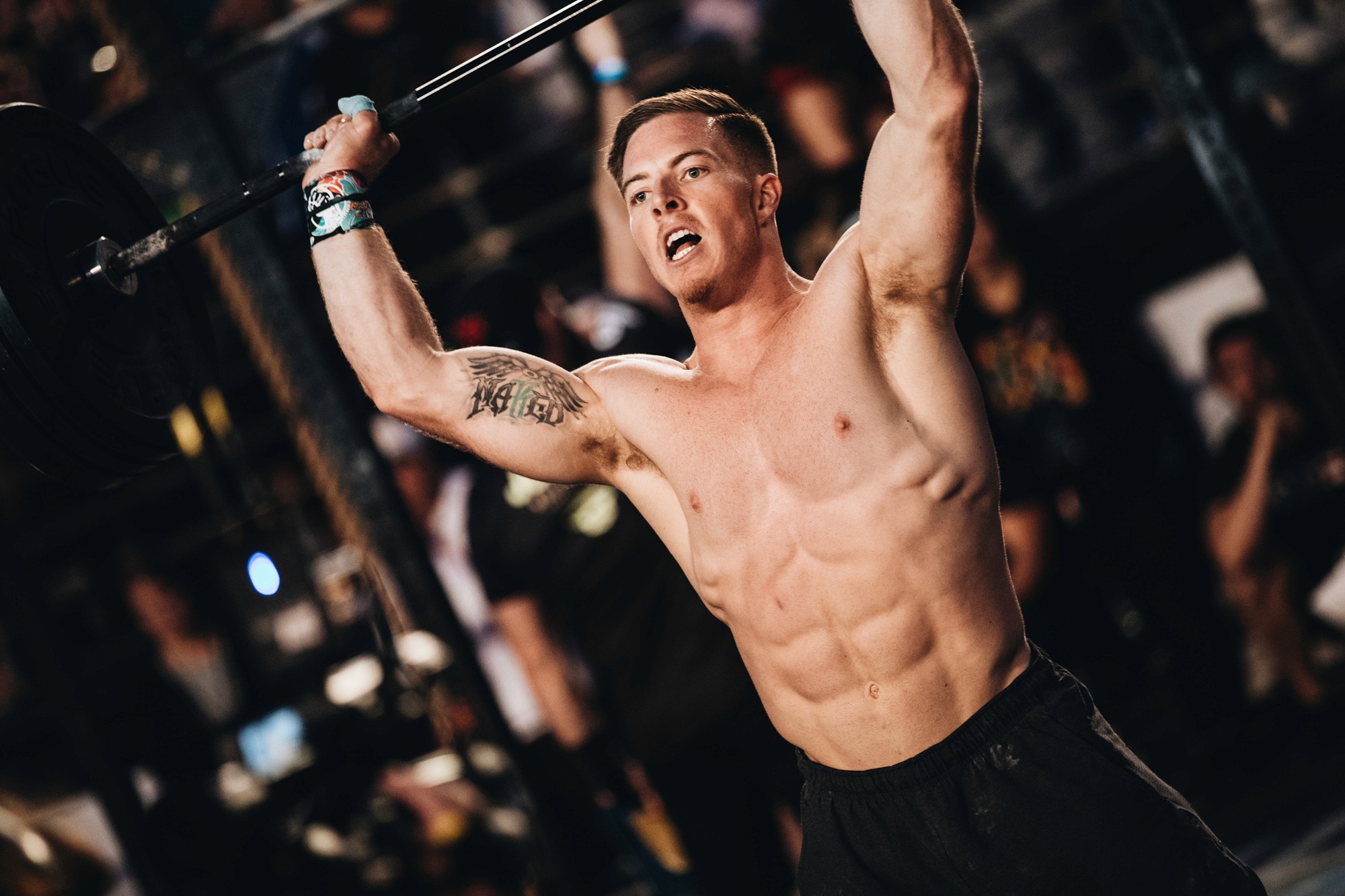
Plyometrics train your nervous system to produce force faster, not your muscles to grow bigger. The first fraction of a second of a jump, sprint, or throw determines power output, and structured plyometric programs have produced roughly a 19% gain in lower-limb explosive power in a matter of weeks. That gain comes from the nervous system recruiting fast-twitch fibers more rapidly and coordinating movement with less hesitation, not from muscle growth. Traditional strength work teaches your body to push through resistance; plyometrics teach it to explode through space, and if you never train that firing pattern, you won't access it under game speed regardless of how strong you are.
Speed also depends more on ground contact time than leg turnover: elite sprinters spend a strikingly short time in contact with the ground per stride at top speed, and a nervous system that takes meaningfully longer than that to organize force will always be slower, regardless of how much you can squat. Depth jumps, bounding, and reactive hops condition the body to minimize ground contact time by increasing muscle stiffness, so tissue stores and releases elastic energy instead of dissipating it as heat. That stiffness gets mistaken for tightness that needs to be stretched out, but it's a coordination adaptation, not a sign you need to chase more flexibility or release the muscle. Most people carry roughly equal slow-twitch and fast-twitch fiber amounts, but fast-twitch fibers stay dormant without explosive training, since everyday movement rarely demands enough force to recruit them. Plyometrics force that recruitment, and over time the threshold for activating fast-twitch fibers drops. You don't get stronger, you get faster at being strong. Stiffer tendons also shorten the electromechanical delay between muscle activation and force production, which is part of why well-trained tissue reacts faster than raw strength alone would predict.
what isometrics actually train

Isometric holds force your nervous system to maintain high muscle activation without momentum, elastic rebound, or a change in joint angle to help, unlike a concentric or eccentric contraction where the muscle actually shortens or lengthens. Just sustained neural drive at a fixed position. That builds force capacity exactly where you're weakest, since strength varies across a movement's range, you might be strong at the bottom of a squat but weak at parallel, and the adaptation is joint-specific because tendon stiffness and motor unit firing both improve at that precise angle.
Isometric training also makes tendons meaningfully stiffer, around 14% in one study, which matters because muscles create force but tendons transmit it, and stiffer tendons lose less of that force in the transfer. General guidance is to hold at roughly 70-100% of maximal effort for 1-20 seconds per rep, with at least 30 seconds of total contraction time in a session. That stability carries over to injury prevention: isometric holds teach the nervous system to protect a joint at the end range where it's most exposed, which is part of why isometric work is a rehab staple, and why the method also correlates with a meaningful drop in blood pressure in some research, outperforming aerobic and interval training in those comparisons. People tend to assume static holds are the easy option because nothing moves, but the opposite is true: every motor unit fires continuously with no rest between reps and no momentum to share the load. The catch is that isometric training builds smaller gains in the muscle stiffness plyometrics create, which is why isometrics alone won't improve a vertical jump, and plyometrics alone won't fix an unstable end range.
plyometric vs. isometric training at a glance

Training Type | Primary Focus | Muscle/Tendon Effect | Best For |
|---|---|---|---|
Plyometrics | Fast movement | Makes muscles stiff | Speed development |
Isometrics | Static holds | Makes tendons stiff | Stability and control |
why you need both
Plyometrics make muscles stiffer for fast, springy force transfer. Isometrics make tendons stiffer for controlled, joint-specific force transfer. Training only one creates a mechanical imbalance: athletes who ballistic-train without heavy resistance or isometric work often develop muscle strength that outpaces tendon stiffness, which raises injury risk under high-velocity load, since the tendon can't efficiently transmit the force the muscle now produces. Regular training in either direction reorganizes collagen fibers in the tendon over time, and rate of force development tracks that change closely: loose tendons delay force transmission, while stiff tendons act like springs and transfer energy immediately.
If your vertical jump stalls despite getting stronger on paper, you likely need more plyometric work. If you feel unstable at end ranges or notice tendon discomfort under load, isometric work is probably the missing piece. Combining both, without stacking enough fatigue to blunt either one, is what actually changes how you move under pressure, and building that into a program deliberately beats guessing week to week.
stop guessing your training and start moving with purpose
The gap between understanding plyometrics and isometrics and using them correctly is where most training programs fail. You can know the science and still program the wrong stimulus at the wrong time, leaving your body to adapt to nothing or recover from everything.
pliability takes the guesswork out of that side of training. Take the mobility assessment, a quick body scan, to find out where your movement is actually restricted, then use Daily Sessions or a personalized Path to work on it, whether that's recovering from a hard plyometric session, isometric holds, or strength work that's limiting your range of motion. Build Your Program lets you shape a routine around your own training split, and if you're coming back from an injury, the Rebuild hub has programming built for that. Get started and complete your first guided session in under two minutes.
Related Reading



Move better in 10 minutes a day.
10,000+ five-star reviews.