


LEARN
pliability
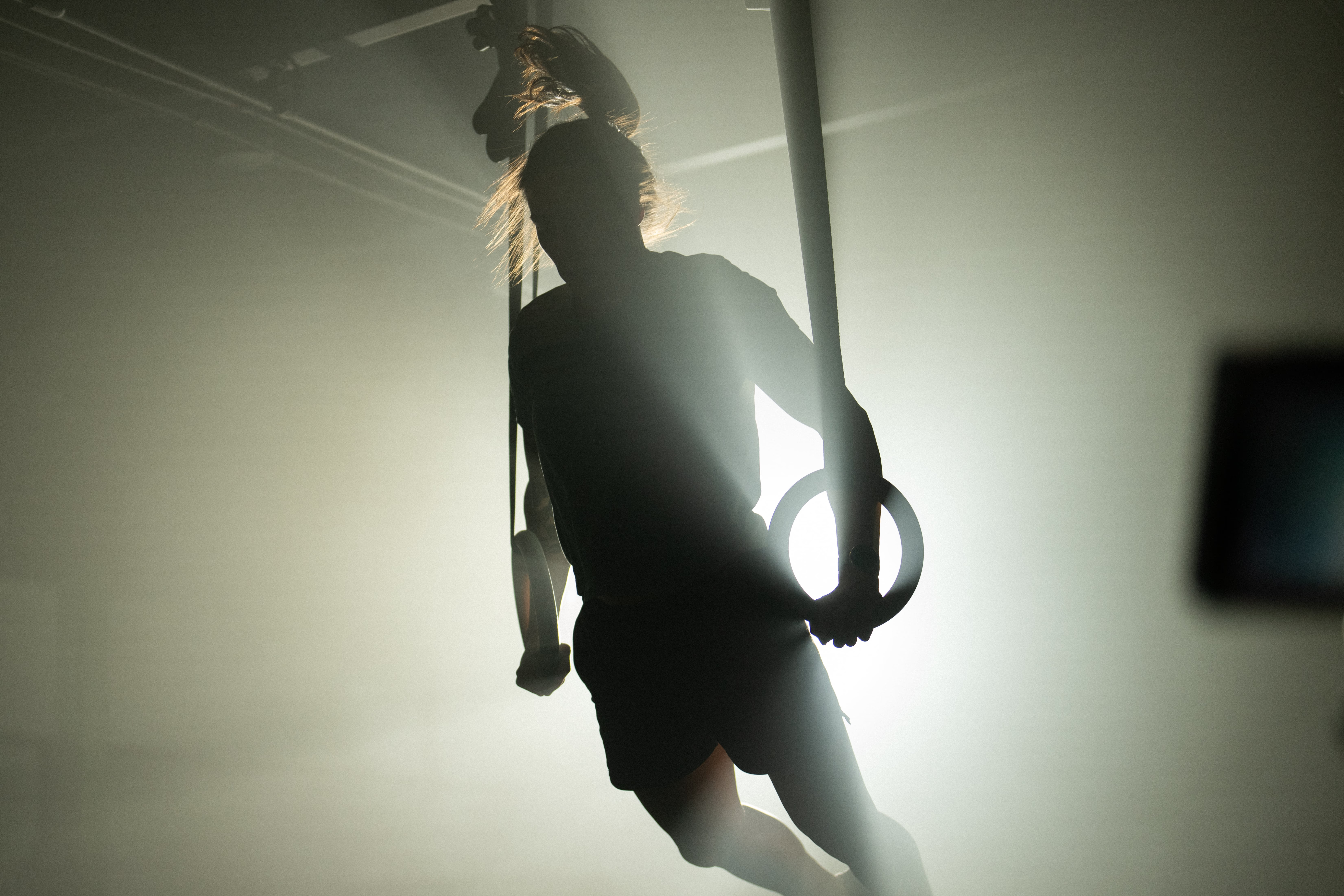
Static muscle contractions create strength gains without movement, offering a unique pathway to building stability and power that traditional dynamic exercises sometimes miss. The benefits of isometric training extend far beyond simple endurance. They reshape how muscles recruit fibers, improve joint stability at specific angles, and create neural adaptations that transfer directly to athletic performance. These static holds build strength at specific joint angles while reducing the risk of injury. Understanding how the nervous system learns force reveals why isometric training fills gaps left by traditional dynamic training.
Proper positioning and timing during static contractions maximizes muscle activation while protecting joints and connective tissue from unnecessary strain. The key lies in incorporating isometric holds alongside dynamic movements to build a complete foundation for peak performance. pliability's mobility app provides targeted programs that guide athletes through effective isometric training protocols.
why traditional strength training doesn't solve every performance limitation
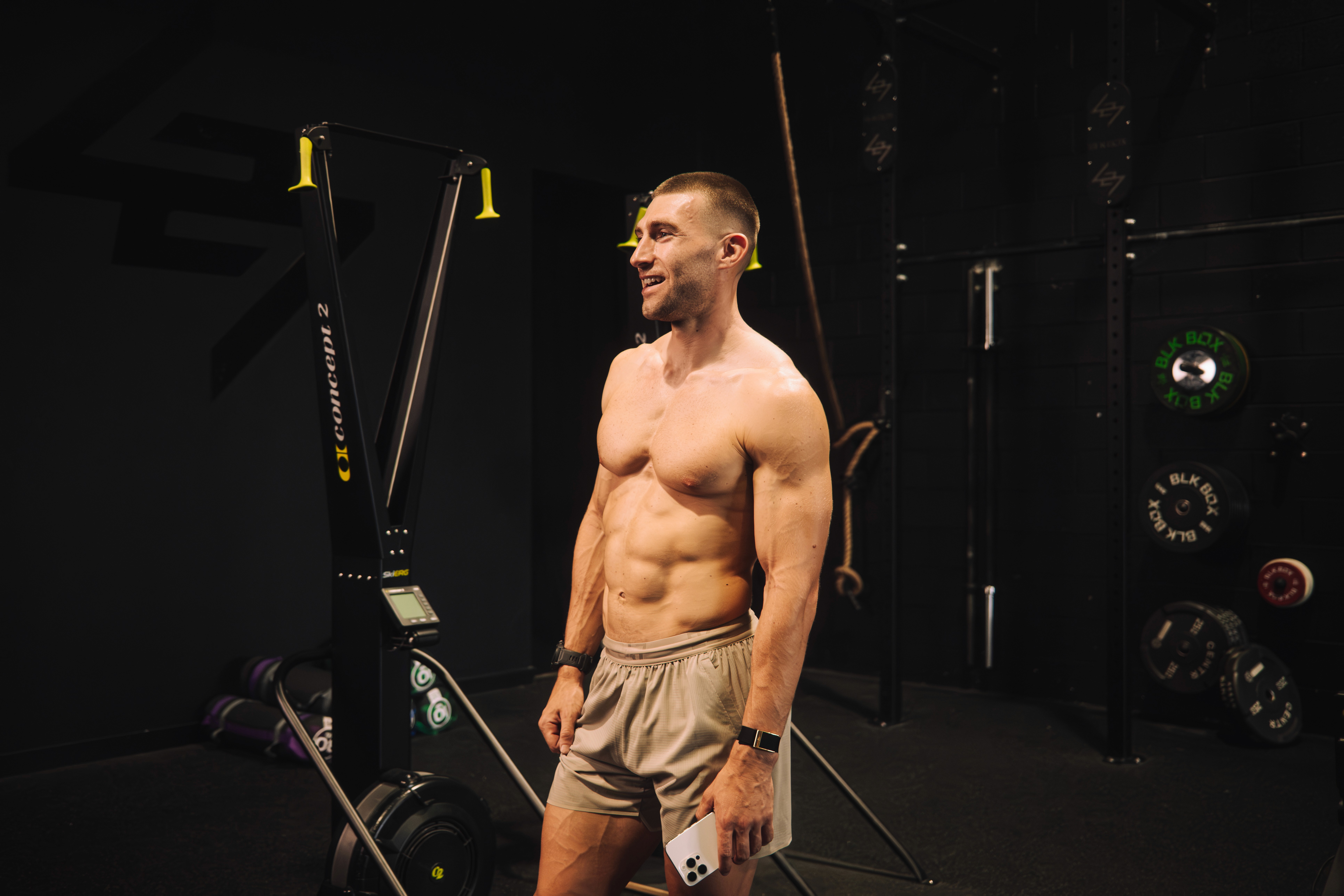
You can get stronger in the gym and still feel weak where it matters most. Your nervous system learns in context. Traditional strength training builds force production through movement (squats, presses, pulls), but athletic demands require force output at fixed joint angles, tendon stiffness under load, and neural recruitment patterns that isolated lifting never develops. Your nervous system adapts specifically to the training stimulus you provide, so gym strength doesn't automatically translate to sport-specific power, and many athletes plateau because they assume general strength gains will automatically improve performance when specificity is the missing link.
why doesn't strength training transfer to sports performance?
Strength training works for the exact task you practice. When you squat heavy, your body learns to produce force during hip and knee bending, but not how to stabilize and create tension when your joint is locked at 90 degrees during a cutting movement, or how to maintain force output when your shoulder is pinned at the end of its range during a throw. The neuromuscular system adapts to the demands you place on it, not the demands you wish it would transfer to.
Strength training often pushes sets to near failure, maximizing force output throughout the range of motion. However, this doesn't guarantee neural recruitment at the exact angles your sport requires for stability. A pitcher who can squat 400 pounds may lack the positional strength to stabilize their shoulder at ball release. The neuromuscular system adapts to what you ask of it, not what you assume will transfer.
How Long Does It Take for Strength Gains to Show Up?
Traditional strength training typically takes weeks of consistent work to show measurable gains, but improvements in maximal strength don't automatically convert to speed or explosive power. Your body doesn't generalize force production across contexts; it specializes.
what causes plateaus despite increasing weight
Athletes stop making progress even when they add more weight to the bar because they've reached the limit of what dynamic loading can teach. A runner might deadlift twice their bodyweight but still struggle with recurring hip flexor strains during acceleration. The deadlift builds posterior chain strength over a range of motion, but it never demands that the hip flexors produce maximal force at the specific angle at which running gait requires it. That's a neural recruitment gap, not a strength deficit.
Basketball players can box-squat heavy, but can't hold defensive positions without knee pain. Throwers with impressive bench press numbers lose velocity late in competition because their shoulder stabilizers fatigue at the exact joint angles their sport demands. Traditional lifting develops force through movement, but some adaptations depend on positional force production, tendon stiffness at fixed angles, and muscle fiber recruitment when joints aren't moving.
what happens when athletes ignore positional weakness?
When force output breaks down in specific positions, athletes compensate by adjusting mechanics, shifting load to unprepared joints, or reducing intensity. These workarounds become movement patterns that create instability and invite injury.
Athletes recovering from a positional strength gap often describe chronic tightness through the front of the hip and glutes that imaging can't fully explain. The issue is positional force capacity: the nervous system can't organize a stable, powerful contraction at the joint angles a running gait requires, so surrounding tissue tightens to protect the joint.
how isometric training builds the strength adaptations traditional lifting misses
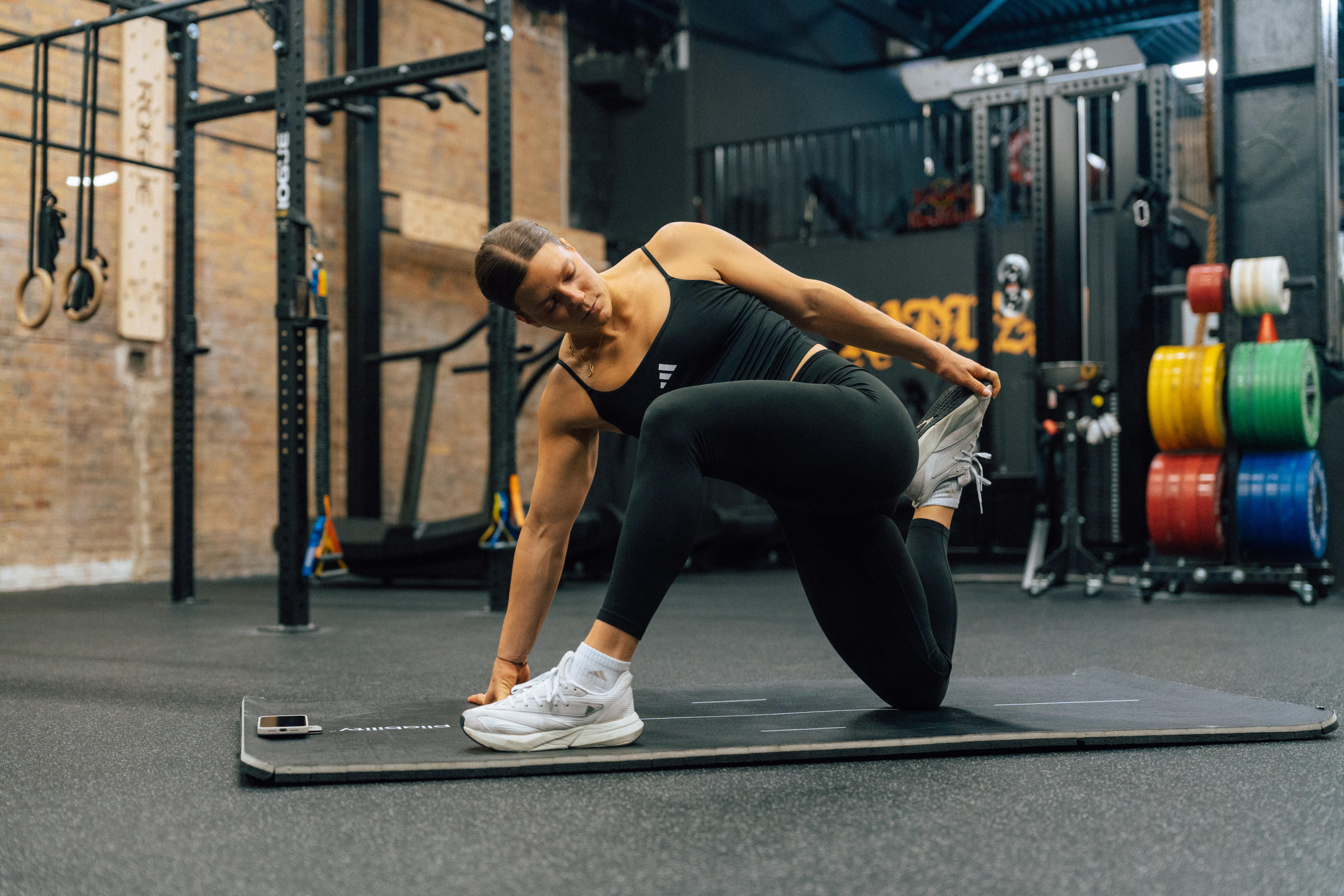
Most people train strength the wrong way: they think movement builds strength. You can deadlift heavy, squat consistently, and follow perfect programming, yet still fail when it matters, whether that's cutting direction in sport, stabilizing under awkward load, or preventing pain at specific joint angles. Nothing feels weak in training, yet the body breaks down outside the gym. Traditional strength training only builds strength through the specific ranges of motion you practice, leaving gaps in your body's ability to handle real-world demands, and dynamic movements like squats and deadlifts primarily strengthen muscles in their most active ranges rather than the exact joint positions where your body needs to be stable.
why doesn't movement-based strength always transfer to real-world stability?
Strength built through movement doesn't always transfer to positions where movement is impossible, where joints must stabilize, not cycle. Athletes feel unstable, fragile, or stuck at the same performance ceiling despite getting stronger on paper. Isometric training fills that gap: force production without movement, at the precise joint angles where breakdown happens.
how does sustained tension create unique strength adaptations?
Research examining 20 participants in controlled isometric training programs found measurable increases in muscle size and function in the elbow flexors, challenging the assumption that muscle adaptation requires dynamic contraction. During a wall squat or plank, you compress blood vessels, creating an oxygen deficit that forces your brain to flood the area with neural drive. This sustained tension strengthens tendons and builds positional strength that dynamic lifting cannot replicate at the same joint angles.
why does movement-focused training create gaps in strength?
Dynamic exercises build strength through a full range of motion, but most injuries occur at specific angles under load. Your hamstring doesn't tear during smooth repetitions; it fails when locked in a compromised position without sufficient stabilizing force. Traditional lifting teaches movement force. Isometric holds teach positional force capacity. One without the other is incomplete.
How Does the Fitness Industry's Hypertrophy Bias Reinforce These Gaps?
The fitness industry's focus on muscle growth reinforces this gap. People assume muscle growth requires continuous contracting and relaxing movements, but nerve adaptation responds powerfully to static holds. Holding a heavy static position under load, then releasing it right before an explosive effort, can help you accelerate harder immediately afterward, because you've activated a larger share of available muscle fibers and built force capacity at the exact joint angles the movement demands.
what isometric training actually does
Most performance gaps follow one pattern: you are strong in motion but weak in position. If you fail at the bottom of a squat, you lack positional force at deep flexion. If you cramp in sprints, you lack tendon stiffness at hip extension angles. If your shoulder collapses under load, you lack static stability at the end range.
Isometrics fix this by isolating the exact joint angle at which failure occurs and overloading it without movement. The adaptation works like this: diagnose the weak joint angle, train it isometrically, sustain maximum tension at that angle to increase neural drive and motor unit recruitment, then repeat exposure to build force capacity where it was missing. The original movement becomes stable because the weak link is removed. Performance improves without changing your main lift selection because you repair the exact position where force collapses, rather than adding strength globally. Isometric holds also appear to reduce arterial stiffening and improve heart function, since the repeated cycle of compression and release trains your vascular system to respond more efficiently, a benefit covered in more detail below.
11 real benefits of isometric training for strength and performance
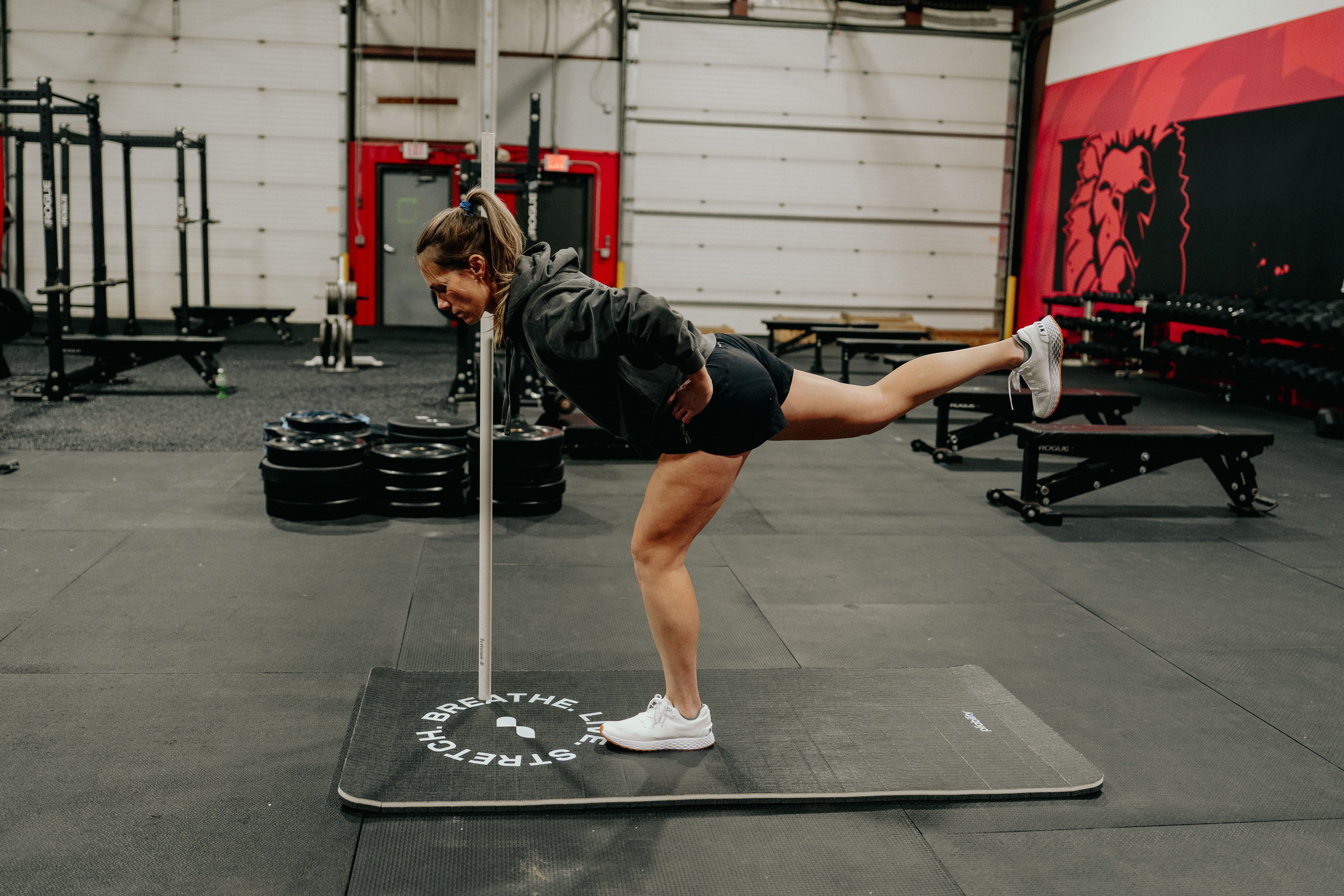
Isometric training fixes specific performance problems that dynamic lifting cannot address. These measurable changes fill gaps when gym strength doesn't transfer to real-world function, injuries halt progress, or the body breaks down under demands requiring more than movement-based power.
1. muscle hypertrophy through sustained tension
Regular squats lose tension at transition points: momentum carries you through the weakest position before you drive back up, allowing muscles to relax momentarily and reducing growth potential.
Pause squats and isometric holds eliminate that escape. Holding the bottom position for three seconds forces your quads, glutes, and core to maintain maximum tension without relief. A longer time under tension tends to produce a greater muscle growth response. You're forcing every fiber to work continuously at the exact angle where you're weakest.
2. training through injury without losing progress
Getting injured during consistent training feels like watching progress disappear. Rest matters, but the thought of losing weeks of strength work creates quiet panic.
How Do Isometric Exercises Help Maintain Progress During Injury Recovery?
Isometric exercises let you train the injury without exacerbating it. By removing momentum and the uncontrolled lengthening phase that strains damaged tissue, you can load muscles and tendons safely. Isometric training also tends to produce less fatigue than traditional strength protocols, making it sustainable for athletes with a limited range of motion. You maintain neural drive, preserve strength adaptations, and reduce pain while tissue heals, shrinking recovery from months to weeks.
3. maximized muscle fiber recruitment
Dynamic exercises activate muscle fibers one after another as the joint angle changes: some fire at the bottom, others at the top, but rarely do all fibers engage simultaneously at maximum capacity.
Isometric holds like planks or wall sits force near-total fiber recruitment at a single position. Every motor unit in the targeted muscle group fires to sustain the hold without assistance from momentum or the stretch reflex. This complete activation builds strength safely across all fitness levels because the load is self-limiting. Every second under tension recruits more fibers than a dozen dynamic reps performed with momentum.
4. enhanced muscle definition and tone
Muscle tone develops from sustained tension, not the contraction-relaxation cycle of dynamic work. Isometrics keep muscles under continuous load: a bridge hold engages glutes, hamstrings, lower back, and core simultaneously without release. This sustained effort appears to shape muscle more distinctly than movement does, allowing relaxation between reps and sculpting through constant tension rather than intermittent bursts. The aesthetic difference shows in how muscles hold their shape at rest.
5. extended muscle endurance capacity
Endurance is about sustaining force over time, not generating maximum force at once. Most training builds power while neglecting duration.
Isometric holds train muscles to handle stress for longer periods by gradually increasing hold times. A 30-second wall sit becomes 45 seconds, then 60. Each progression forces muscle fibers to resist fatigue longer. This endurance translates to daily life: carrying groceries up three flights of stairs, holding your toddler during a tantrum, or any task requiring sustained effort.
6. joint protection through muscular stabilization
Joint pain often stems from weak muscles around the joint that fail to stabilize it during movement. Traditional exercises stress joints through repetitive motion, which can worsen existing problems.
Isometrics strengthen muscles and tendons around joints without moving the joint itself. For people managing arthritis or chronic joint issues, this distinction matters significantly. Isometric protocols are widely used to help manage pain in knee osteoarthritis and to support recovery from lower-limb fractures. This builds the stability that prevents future injury.
7. core stability that transfers to everything
Core strength and core stability are different. Strength is the ability to produce force; stability is the ability to maintain position under load. Most core training builds strength through movement but neglects the stability required to hold position when external forces challenge you.
How Do Isometric Exercises Build Better Core Stability?
Isometric core exercises like planks or hollow holds create intense, sustained engagement that forces every stabilizer muscle to fire continuously. Your core resists rotation, prevents extension, and maintains spinal alignment without movement. This stability supports your spine during every activity that matters: better posture at your desk, safer lifting mechanics, and reduced back pain from proper spinal support.
8. improved balance and postural control
Balance deteriorates when core muscles weaken, and body awareness fades. Poor posture creates pain, and stumbles become falls.
Isometric training rebuilds both. Holding positions requires constant small adjustments that heighten proprioception: you become more aware of where your body exists in space. The muscle symmetry developed through bilateral isometric work corrects imbalances that throw off alignment, so one side stops compensating for the other. Your posture improves not because you're trying harder to stand straight, but because the muscles that maintain alignment are finally strong enough to do their job. Fall risk decreases when stability becomes automatic rather than effortful.
9. superior cardiovascular adaptations
Most people believe that keeping your heart healthy requires aerobic exercise or high-intensity intervals. The data shows otherwise.
A study published in the British Journal of Sports Medicine analyzed nearly 300 randomized controlled trials comparing blood pressure results across different exercise types. People who performed isometric training, especially wall sits, achieved an 8 mmHg reduction in systolic blood pressure, outperforming aerobic exercise, dynamic resistance training, and combined protocols. Sustained muscular compression of blood vessels appears to create unique vascular adaptations.
10. accessible strength training for restricted populations
Pregnancy, postpartum recovery, chronic pain conditions, and joint limitations create groups of people who need strength training but cannot safely do traditional workouts. The gap between their needs and capabilities often leaves them doing nothing.
How Does Isometric Training Bridge the Accessibility Gap?
Isometric training bridges that gap. Because it produces less overall fatigue than dynamic resistance work while still building strength, it becomes accessible for people managing conditions that make conventional training impossible. No impact. No momentum. No uncontrolled tissue lengthening. Just controlled tension at adjustable intensities. Strength isn't optional for long-term health: finding a method that works within real constraints means the difference between maintaining function and losing it.
11. effective pain management during active recovery
Pain creates a problem: you need to move to get better, but movement hurts. Traditional pain management focuses on rest, which perpetuates pain while causing rapid strength loss.
Isometric protocols offer a different approach. Holding positions at 50 to 70 percent of your maximum strength for 45 seconds, resting 30 seconds, and repeating three to five times can meaningfully reduce pain for a period afterward. This works by blocking pain signals through your nervous system and increasing blood flow without stressing the tissue. Isometric holds are commonly used this way for knee osteoarthritis and lower limb fractures, letting you maintain strength while tissue heals under load.
Why Are Isometrics Particularly Valuable for Hypermobility?
For hypermobility, in which joints move beyond normal ranges and lead to chronic instability, isometric training becomes particularly valuable. Strengthening muscles around overly flexible joints provides the stability that flexibility alone couldn't create, which is why isometric work paired with physical therapy is a common approach for managing hypermobile joints.
How Should Isometrics Integrate With Mobility Training?
Many mobility programs treat isometrics as an afterthought. But when you understand that these adaptations address limitations traditional training cannot fix, the priority shifts, and isometric holds belong inside your mobility work rather than separate from it, building both range of motion and the positional strength to control that range.
how to use isometric training effectively without limiting progress

Isometric exercises enhance your current training rather than replace it. Athletes benefit most by adding targeted holds to address specific weaknesses: sticking points in lifts, tendon resilience before plyometric work, or positional strength during injury recovery. Integration matters more than substitution, so start with two to three isometric holds per week, focusing on your weakest movement patterns or injury-prone areas, rather than overhauling your whole program at once.
which athletes benefit most from isometric training?
Athletes recovering from injury benefit most from isometric loading because it strengthens tissues at weak joint angles without the eccentric damage that exacerbates inflammation. A runner recovering from patellar tendinopathy can load the quad-tendon complex through static holds at 60-degree knee flexion, the angle where pain typically flares during running, without impact stress.
Power athletes use isometrics to pre-tension tendons and prime neural drive before plyometric sessions. Athletes breaking through plateaus insert isometric pauses at their weakest range, such as the bottom of a squat, to build positional force capacity that transfers to their full lift.
How Long Should You Hold Isometric Exercises?
Duration starts at 20 seconds and progresses toward 60 seconds or longer as your body adapts. Intensity should challenge you within that timeframe: if 30 seconds feels easy, you're not creating enough tension to drive adaptation.
Position specificity matters because strength gains occur primarily at the trained joint angle, within about 15 degrees. If your squat fails at parallel, holding a wall sit with hips well above parallel won't address the problem. When your low back arches during a hollow body hold, or your knees cave inward during a wall sit, the set is over. Form breakdown signals neural fatigue, not productive training stimulus.
how can you integrate isometrics into existing routines?
Use isometrics as a warm-up to prepare your muscles before lifting sessions. Planks and glute bridges engage your core and posterior chain, enhancing performance during main lifts. You can also add them after your main lifts when your nervous system is fatigued, but your muscles can still strengthen.
Add brief holds between work calls or during rest periods as movement snacks that keep your muscles healthy without requiring equipment, space, or clothing changes.
How Do You Progress Isometric Exercises Effectively?
Progression follows the same overload principles as any strength work. Extend the hold duration from 30 seconds to 45 seconds, then to 60 seconds. Change position variables such as stance width, heel elevation, or limb position to challenge stability and force production from new angles. Add external load through weighted vests, plates, or light dumbbells once bodyweight holds exceed 60 seconds.
A traditional wall sit becomes significantly harder when the heels are elevated on a small plate or in a narrow stance, which shifts the load distribution. A high plank intensifies with a weighted vest or a plate resting on your upper back. These adjustments keep the training stimulus progressing without extending time under tension indefinitely, which would eventually make it an endurance test rather than a strength builder.
When Should You Choose Specific Isometric Exercises?
The real limitation is whether you're using isometrics to fix actual performance gaps rather than adding unnecessary work. If your squat fails at the bottom because you lack positional strength at that specific joint angle, pause squats and deep squat holds solve that problem. If your hamstrings cramp during sprints because tendon stiffness can't handle rapid force transmission, isometric hamstring holds at sport-specific angles prepare those tissues.
If shoulder instability limits your overhead press, loaded holds in the compromised position build stability that dynamic pressing alone won't create. Exercise selection should match the limitation. Strength at fixed positions only matters if the tissues supporting those positions can handle the recovery and movement demands that follow.
support isometric gains with pliability
Isometric strength gains fall apart without movement capacity. Tendon capacity improves, joint stability increases, and positional strength builds, but these adaptations disappear when a restricted range of motion prevents you from accessing trained angles. You can hold a 90-degree wall sit for 60 seconds, but if hip tightness limits your squat depth, the carryover to performance vanishes. Stiffness from repeated isometric holds, especially in deep lunges or overhead positions, compounds quickly without structured mobility work, turning productive tension into restrictive tightness that limits the positions you need to train.
Recovery Component | Purpose | Frequency |
|---|---|---|
Dynamic mobility | Maintain range of motion | Daily |
Tissue release | Reduce accumulated stiffness | Post-session |
Joint positioning | Access trained angles | Pre-training |
pliability's Daily Sessions and Rebuild hub give you the structured recovery that isometric training demands between high-tension sessions. Use the mobility assessment to find your weakest joint angle, whether that's your squat, plank, or split hold, then follow a personalized Path or use Build Your Program to target the exact positions your isometric work is building strength in, so the range of motion stays accessible.
Try pliability free for 7 days on iPhone, iPad, Android, or the web, and keep the mobility that makes your isometric gains actually transfer to performance.
Related Reading



Move better in 10 minutes a day.
10,000+ five-star reviews.