


LEARN
pliability

We've all been there: you've had a long day at work or felt a bit under the weather. You know you have a workout to do, but all you want to do is flop on the couch and watch Netflix. Most of us will get out of our funk and complete our workout like normal. There will be days when you feel tired, and rather than pushing through for the sake of consistency, you're better off adjusting your workout to match your current energy levels instead. On days like these, incorporating light movement or mobility exercises can be a great way to stay active without overexerting yourself. This article will help you make those adjustments and work out when tired, so you can stay consistent with your fitness routine and make meaningful progress, even on low-energy days, without risking burnout or feeling guilty for listening to your body. We will also touch upon how to warm up before lifting.
can working out when you're tired actually help?

It can be difficult to exercise when you're tired, and it can be just as hard to know whether to push through the fatigue or take time to rest. You may be feeling the stress of being pulled in too many directions, dealing with poor sleep, or managing a condition like chronic illness. But even when it doesn't feel like it, exercise can sometimes help you feel less tired, not more.
increased energy
Gentle movement, like a short walk or a few easy stretches, can stimulate circulation and help push back against the effects of fatigue. Studies have shown that when people engage in moderate exercise over several weeks, their overall energy levels increase, and you don't have to wait weeks to feel it. Energy levels can improve after a single session, and even a short bout of movement can be enough to shake off that sluggish feeling.
improved thinking and focus
Regular physical activity is linked to a lower long-term risk of dementia and other age-related decline, but it also helps your brain right now. A single session of exercise can sharpen attention, working memory, problem-solving, and processing speed.
decreased stress and improved mood
If you're feeling emotionally drained or overwhelmed with stress, physical activity can help. Exercise is a powerful stress reliever, and it can also ease symptoms of depression by increasing motivation and enjoyment. It can also help you fall asleep more easily. Common wisdom says exercise should happen earlier in the day, but newer research suggests exercising later doesn't affect sleep all that much. Making exercise a consistent habit matters more than the time of day you do it.
tired vs. exhausted: know the difference
It might sound like splitting hairs, but there's a real difference between a body that's exhausted and one that's merely tired. Tiredness is a short-term state that typically has a known cause, and therefore a solution. If you stayed up late finishing a work report and struggled to get out of bed, lack of sleep is the cause, and an afternoon nap (or a light workout) will probably help.
Exhaustion, also called fatigue, is more persistent, a continuous mental or physical state that often has no single identifiable cause. Extra sleep doesn't always resolve it, and it can be a sign that you need to reduce your activity load until your body recovers.
know your limits
Aerobic activity raises your heart rate and gets oxygen circulating, which helps your muscles function more efficiently. But with true exhaustion, your energy is depleted below the level that benefits from exercise. Pushing through exhaustion raises your risk of injury, since you don't have the strength reserves to maintain proper form. In these cases, skipping your workout in favor of high-quality, restorative sleep is the better call for your overall health: at least seven hours of sleep can lower your risk of chronic illness, reduce stress, and support your immune system.
how to work out when you're tired

Instead of doing nothing when you think you're too tired to work out, consider one of these lower-intensity options.
yoga
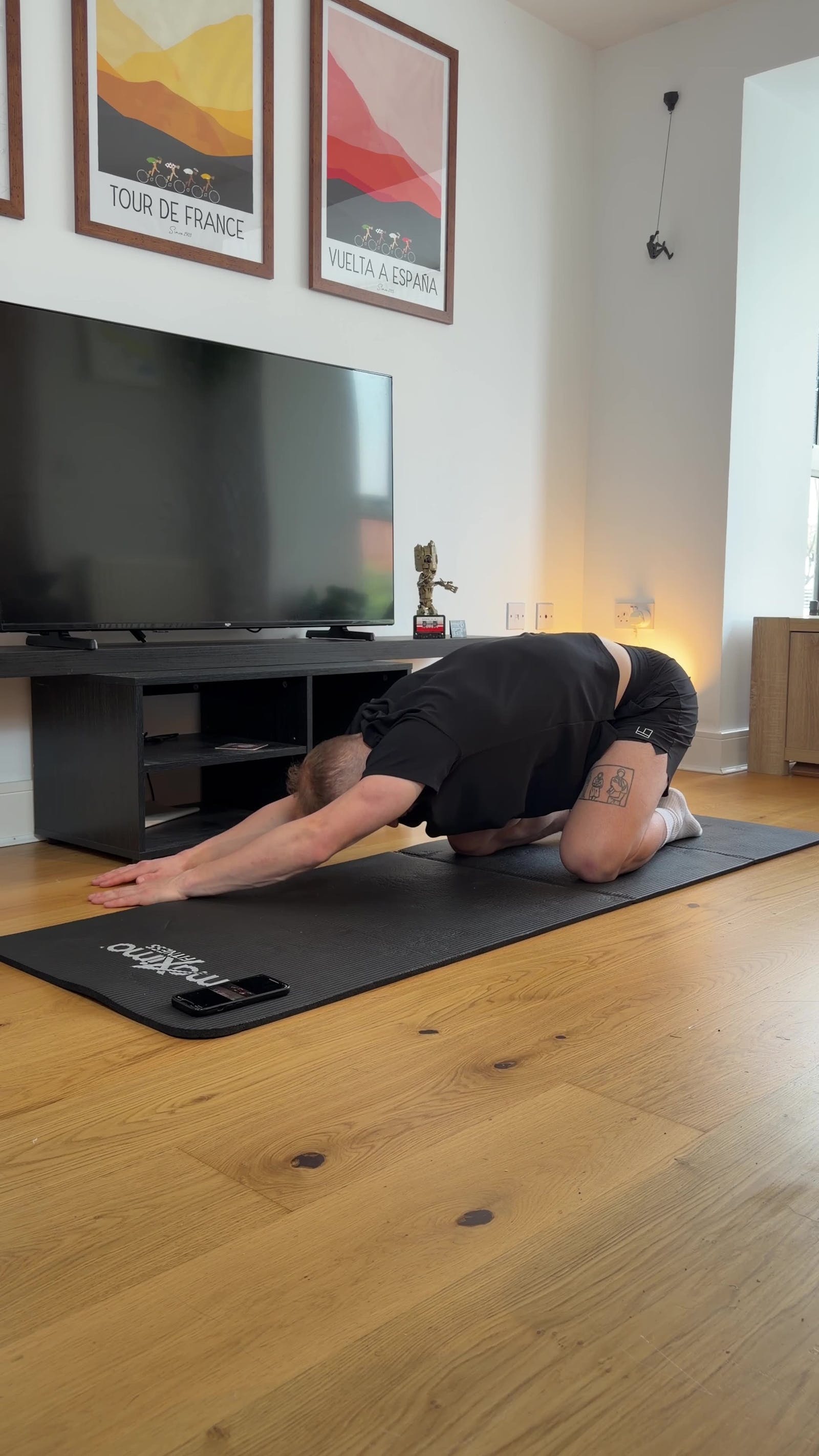
Yoga can feel amazing for your body, especially when you're a little drained. Deep breathing combined with gentle stretches and structured poses helps restore energy. Try a vinyasa flow if you want to get out of your head and into your body, or a slower, stress-reducing sequence if you had a rough day. The point of yoga on a tired day is less about a killer workout and more about being present in your body, which eases stress and boosts relaxation. Look for classes labeled gentle, restorative, or moderate, and skip anything billed as power yoga or longer than 60 minutes so you get the benefit without taxing your body further.
bodyweight plyometric workouts
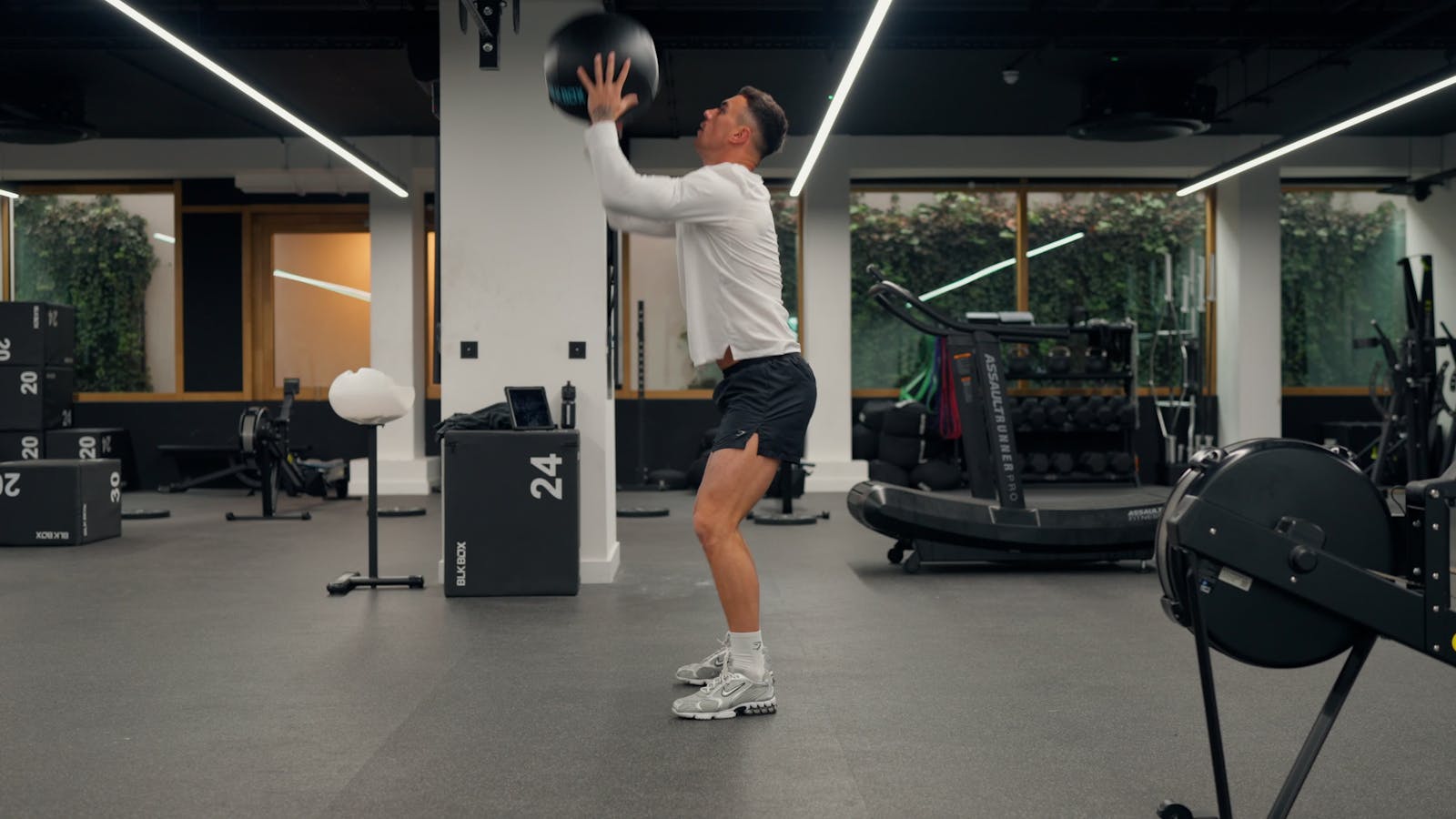
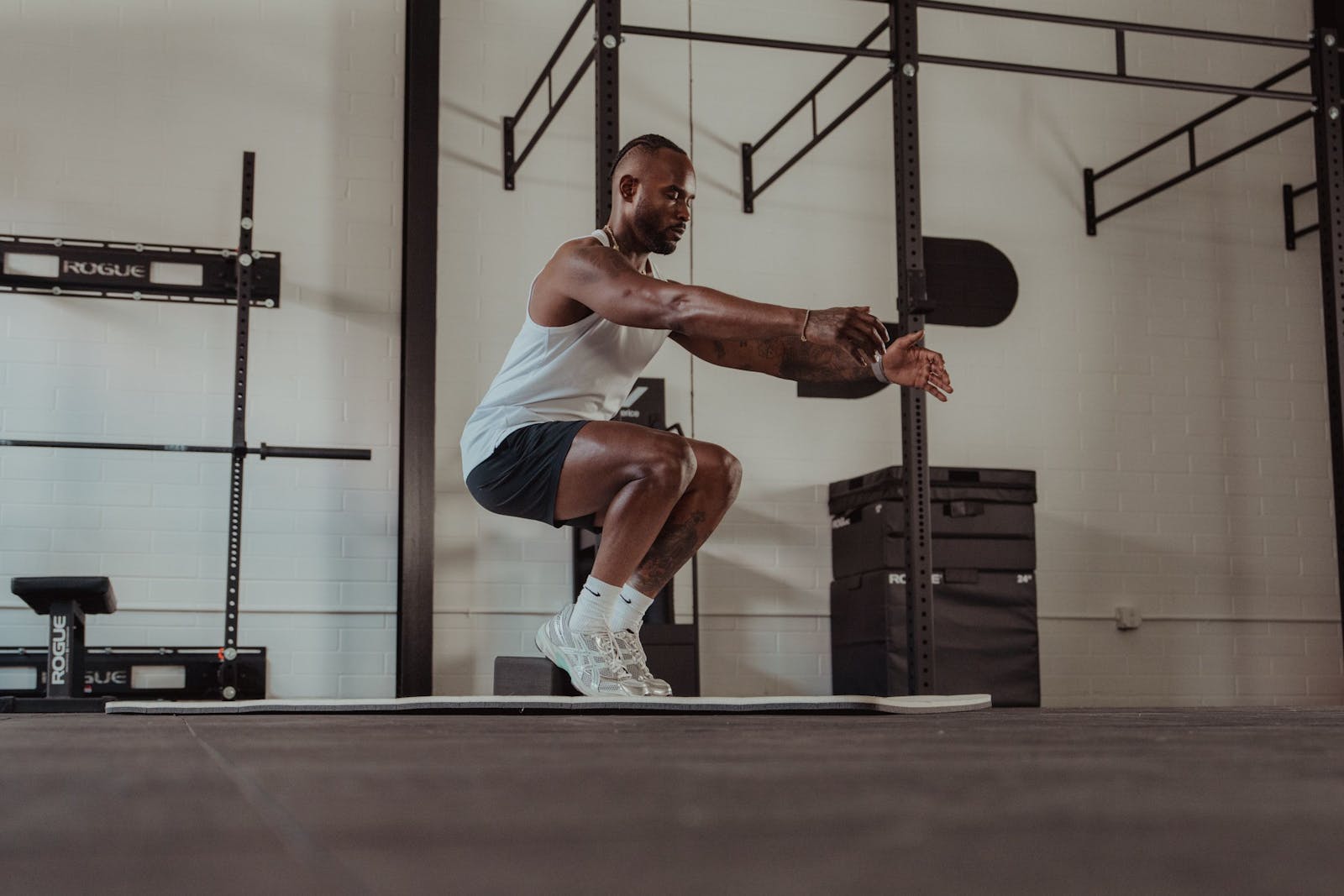
Bodyweight plyometrics, like jumping lunges, push-ups, burpees, and bicycle crunches, get your heart rate up and stimulate your central nervous system. They require no equipment, so you can do them at home if you're too tired to make it to the gym, and they tend to leave you feeling more awake by the end.
Zumba or dancing
Dancing can boost your mood and lower stress in ways similar to other aerobic exercise, and it often feels more attainable than a run or a treadmill session when you're groggy. Search for a quick dance workout online, hit your usual class, or just put on your favorite music and move.
walking
Walking is a low-impact, moderate-intensity option for days you're not ready for a torching HIIT session. A brisk 20-minute walk a few times a week can meaningfully lift your energy levels.
swimming
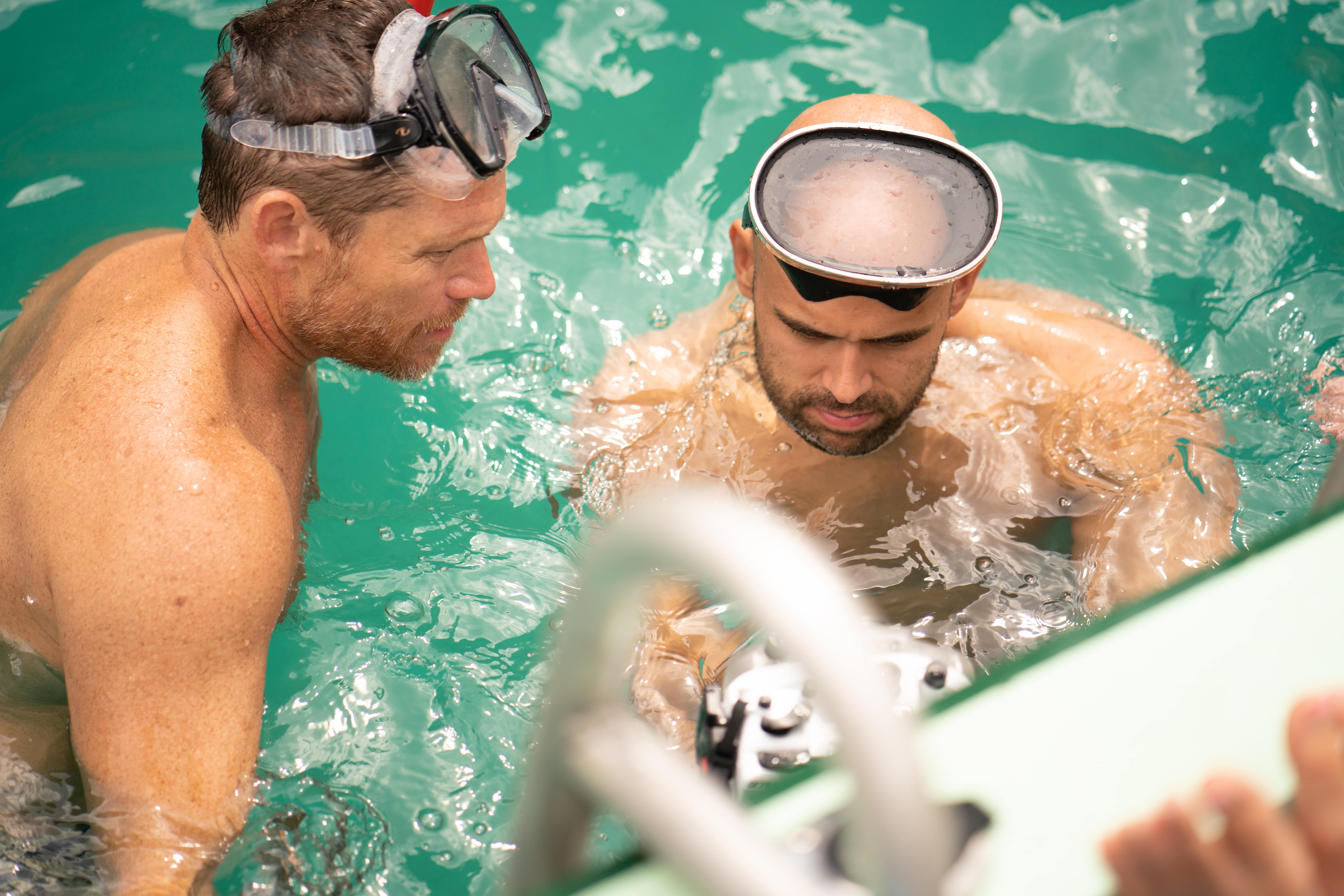
Swimming builds cardiovascular fitness and muscle strength without putting undue stress on your joints. The water provides resistance while also supporting your body, which makes it a calming, refreshing workout to reach for when you're tired.
cycling
Cycling, on a stationary bike or outdoors, is a low-impact way to improve cardiovascular health and lower-body strength. Adjust the pace and resistance to match your energy on a tired day.
fartlek training
If you're a runner, ditch your watch and structured interval plan for a fartlek workout, Swedish for "speed play." A classic version alternates a minute of hard effort with a minute of recovery for as many rounds as you like, but you can also keep it loose and simply pick up the pace at certain landmarks in your favorite park or during the chorus of every song on your playlist. It's a flexible way to get an efficient run in without the pressure of hitting exact paces.
lightweight dumbbell circuit
Lifting weights doesn't always have to mean grinding through a heavy session. A dumbbell-only circuit that hits functional movement patterns is an easy way to stay consistent on a low-energy day. Use two pairs of dumbbells, one you can comfortably do 10-12 reps with and one slightly lighter. For each move, do 45 seconds of work followed by 15 seconds of rest, and repeat the circuit 2-5 times.
Exercises
Step up to bicep curl to overhead press
Renegade row
Single-leg deadlift to lateral raise
T-drill with crawl: start in a tabletop position, crawl forward 4 steps, crawl right 4 steps and return to the midpoint, crawl left 4 steps and return to the midpoint, then crawl backward to the starting point
hip-opening mobility flow
Sitting all day, especially working from home, can wreak havoc on your hips and throw off your movement patterns generally. This flow focuses on the muscles in and around the hips, your glutes, piriformis, adductors, and tensor fasciae latae, to increase mobility. Focus on your breath and technique, and try to increase reps or duration each time you perform the routine.
Standing hip circles x 5 each side
Lift one knee as high as you can without rounding your lower back
Move the knee to the side
Rotate the hip inward, then bring the leg behind you
Return to start
Mobility Drill
Deep squat x 30 seconds: keep your chest up and press your knees outward throughout the hold.
Seated internal hip rotations x 10 each side: sit on the floor with your legs slightly bent in front of you, rotate one leg inward, driving the knee toward the floor, and keep both hips grounded, don't let them lift off the floor.
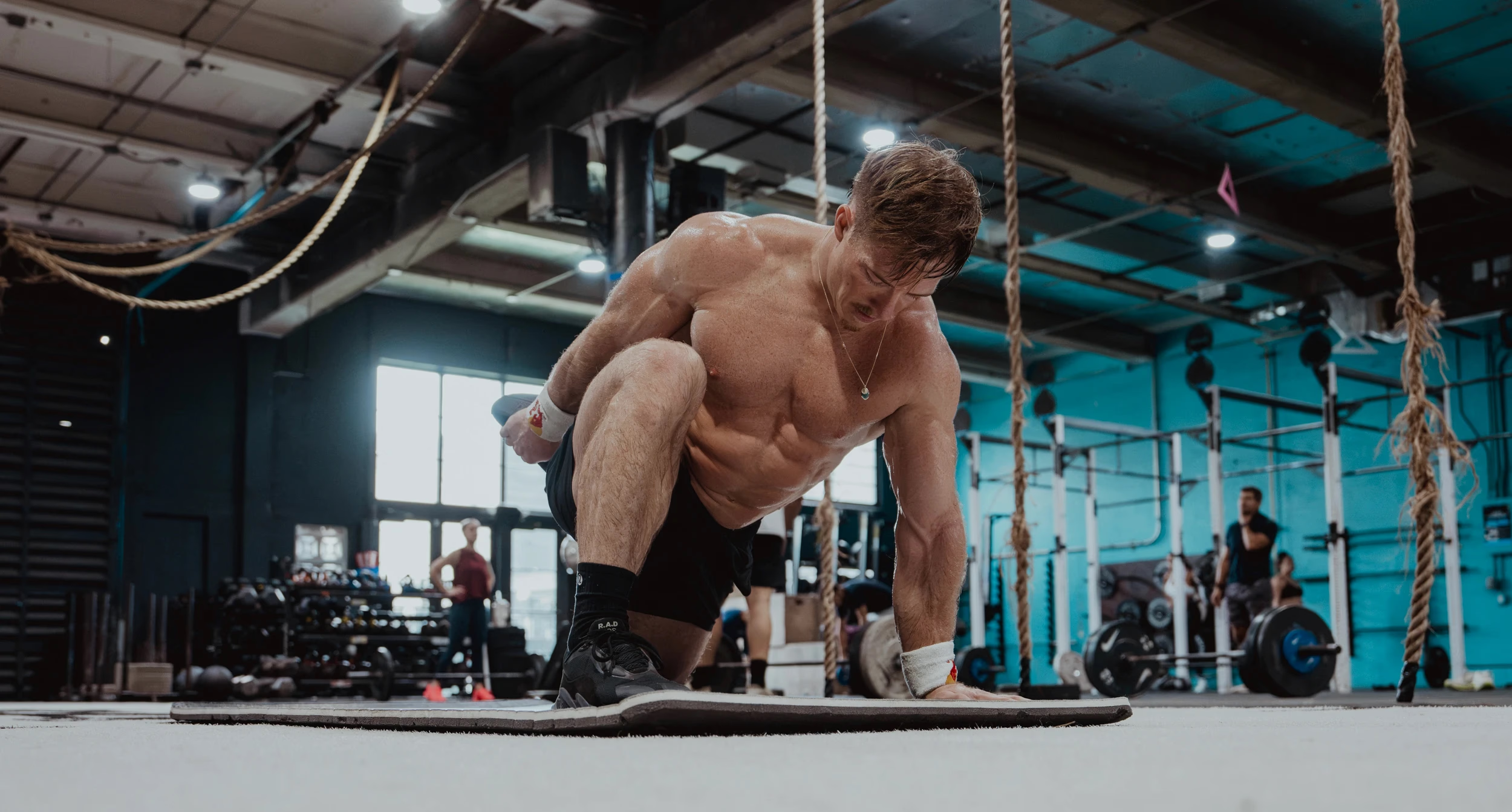
Pigeon pose x 30 seconds each side: from a plank or tabletop position, bring one knee forward and place it behind your wrist, extend the opposite leg straight back, and keep your hips square and chest lifted, or fold forward for a deeper stretch.
Shin box position x 20 seconds each side: sit on the floor with one leg bent in front and the other bent behind, forming a triangle with each leg, fold forward over your front leg and hold for 10 seconds, then lean back slightly and hold for another 10 seconds before switching sides.
REHIT
If a 45-minute HIIT class sounds like too much, try REHIT, or reduced-exertion high-intensity training, which uses very short, near-maximal efforts instead of long grinding intervals. One structured version pairs a 2-minute warm-up with two 20-second maximal-intensity intervals (3 minutes of recovery between them) and a 3-minute cooldown, for a full workout in under 9 minutes. You can plug almost any mode into this format: running, cycling, stairs, jump rope, or mountain climbers, depending on what equipment or space you have.
Tabata
This style of HIIT workout lasts 5-20 minutes, useful when motivation is low. It uses only your body weight, so it works at home, typically 8-10 exercises across four rounds, each move done for 20 seconds with 10 seconds of rest in between. For example:
Burpees: 20 seconds
Push-ups: 20 seconds
Jumping jacks: 20 seconds
Squats: 20 seconds
Mountain climbers: 20 seconds
Lunges: 20 seconds
Bicycle crunches: 20 seconds
High knees: 20 seconds
housework
People don't usually associate this with fitness, but you're moving your body and burning calories while cleaning: your arms for polishing, your arms and core for sweeping, mopping, and vacuuming, your legs for the stairs. Once you're finished, the house is tidy and your workout is done at the same time.
foam rolling
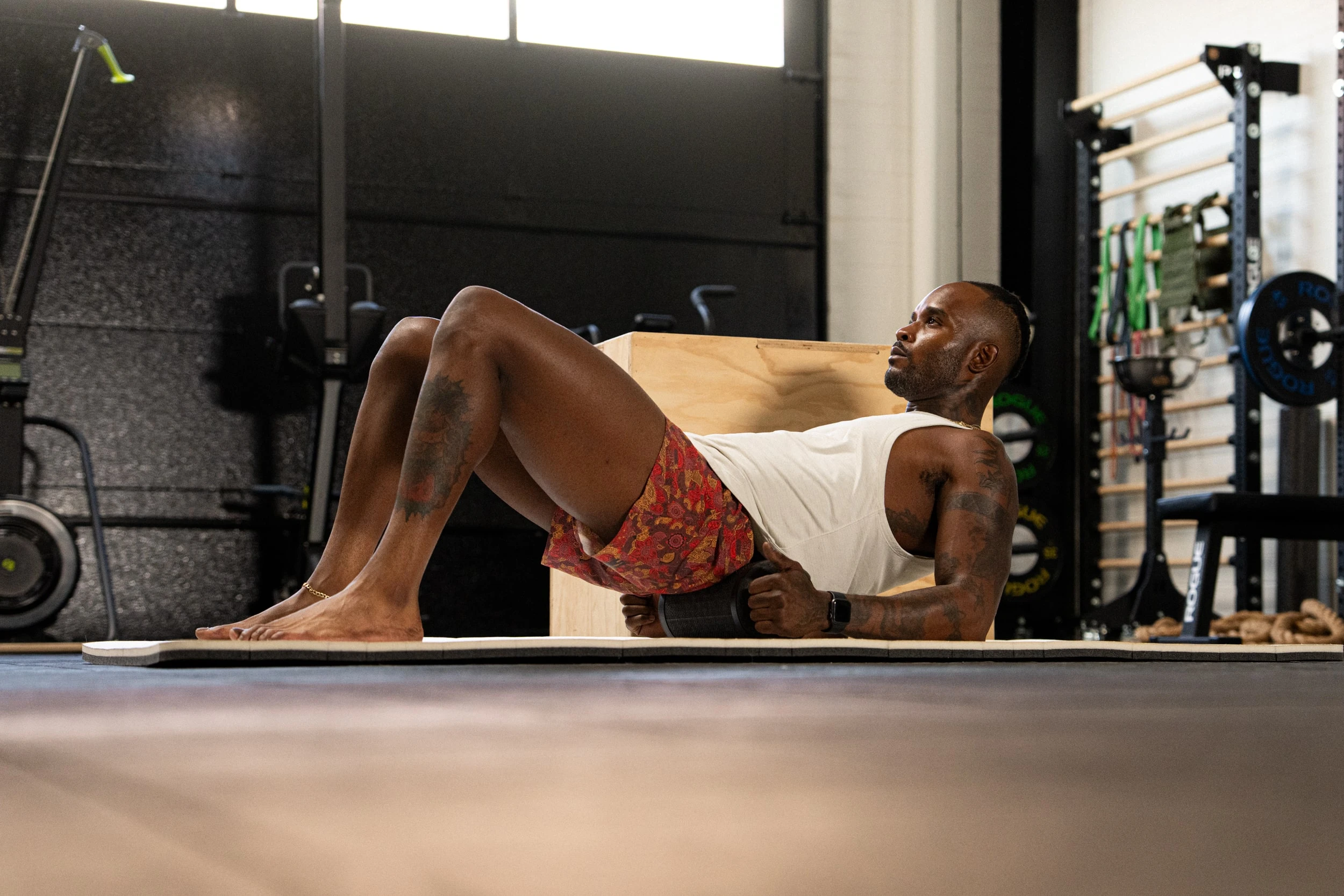
This technique, also known as self-myofascial release, is used by physical therapists to promote muscle recovery and prevent muscles from becoming overactive. It's a low-effort, stress-free way to improve movement quality on a tired day; be sure to spend time on your hips.
stretching
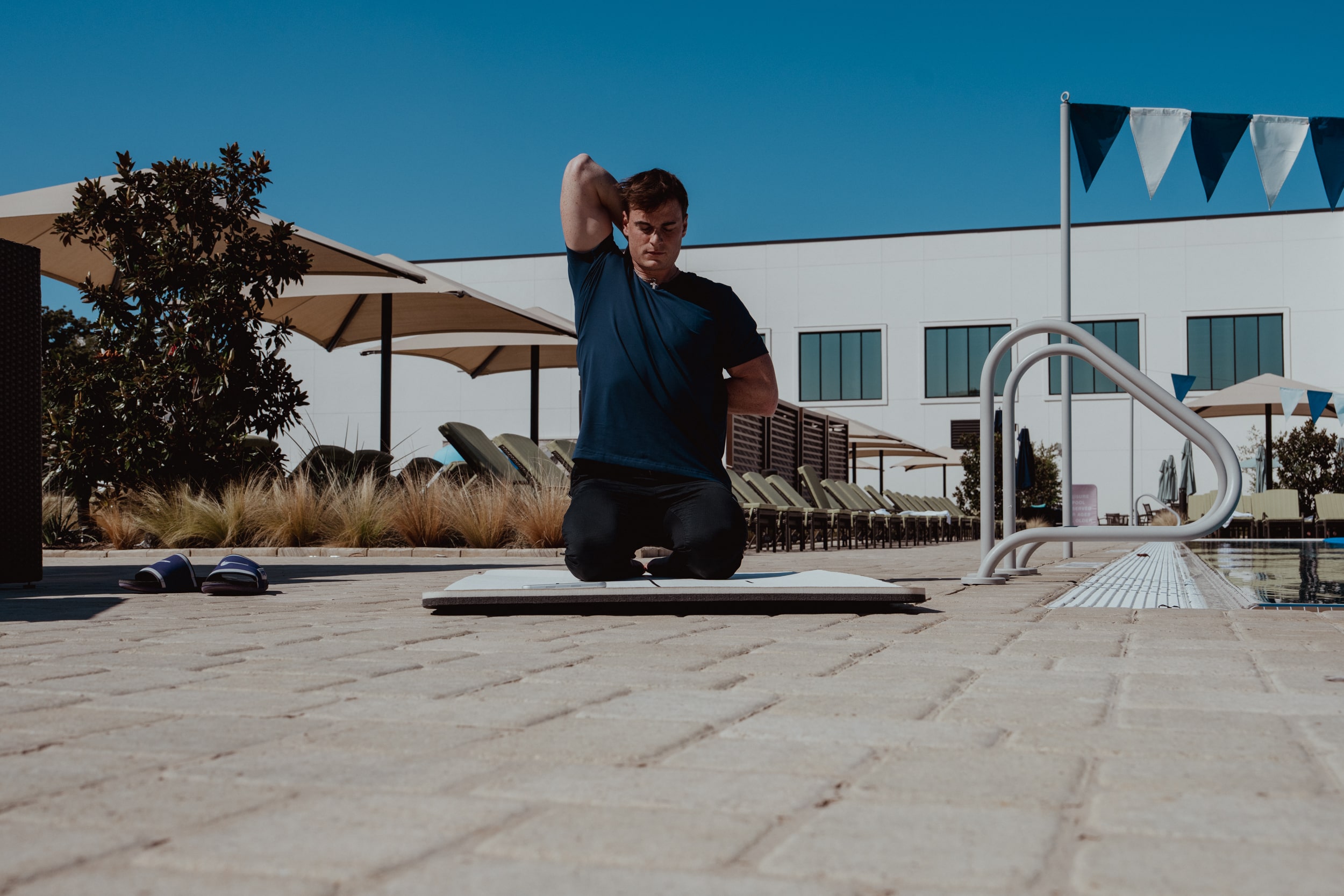
Sometimes you just need a good stretch to help your body get out of its rut and back in the game. Like yoga, stretching improves blood and oxygen flow throughout your body and helps prevent injury.
Pilates
Pilates combines strength, flexibility, and posture training, mostly using your own bodyweight, and it's a low-impact workout that's easy on the joints, with a focus on building core strength through small, controlled movements. It's demanding in its own way, but it's more accessible across energy levels than, say, a 45-minute hill run.
if you're training through planned fatigue
Some fatigue is a normal, planned part of structured training, and there are ways to work with it safely rather than avoiding it entirely. A well-thought-out, periodized program that meets the demands of your specific goal helps here. During marathon training, for example, a common approach is to run a shorter, steady-paced run the day before a long run, so your long run doesn't start at zero miles but at six or eight, matching the level of fatigue and glycogen depletion your body is already carrying.
Whatever the workout, form comes first. If you're pushing hard enough that your form starts to break down, that's the signal to slow back down rather than exceed the intensity or weight in your plan; keep your posture solid (for runners, that means shoulders back, chest up, spine tall, abs engaged).
Triathletes often train through fatigue on purpose with "bricks," pairing two movements that use complementary muscles back to back, like biking followed immediately by running, which forces the body to adapt quickly. But there's a limit: losing sleep, a racing heart, or feeling extremely weak or light-headed are signs of overtraining, not productive fatigue, and it's time to back off and check in with your doctor if that happens.
Training is ultimately a balance of fatiguing yourself, recovering, and gaining fitness as a result of that stress; problems start when the training load gets too high, or intensity stays elevated for too long without enough recovery built in. For runners, a rest week every five or six weeks, cutting mileage by 65-75% and easing intensity, gives your body room to recover and adapt.
when should you skip a workout entirely?

Fatigue is a regular part of training; it shows you're pushing your body and making progress. But there's a difference between general tiredness and signs that your body truly needs rest. Listen to your body: muscle soreness that hasn't resolved, disrupted sleep, and signs of illness are all red flags that you may need to pause or modify your training. Here are a few indicators you're too tired to work out.
you're chronically sleep-deprived
Can't remember the last time you slept more than six hours? Falling asleep at work, in waiting rooms, or in front of the TV at night? Go ahead and skip the workout. A lack of sleep leaves you with less energy and poorer attention and visual accuracy, meaning you're more likely to stumble during a run or misjudge a kettlebell swing. Your safety comes first, so if you're too tired to be alert, sleep in rather than push through.
you're mentally overwhelmed
Exercise relieves stress, and a quick 20-minute workout can help you reset mentally. But during prolonged periods of stress, your cortisol levels stay elevated and your body accumulates what's known as allostatic load: it can't fully tell the difference between internal stress, like worrying about a job search, and external stress, like a hard workout. If your stress levels are already high, tough workouts can feel far harder than usual, and you may be better served by a quiet night in and some genuine self-care.
you're sore from previous workouts
If you've been making fitness gains and your muscles are talking back to you, take the rest day. Soreness is your body's way of asking for recovery time before you dive back into physical activity, and giving your muscles what they need now means you'll be able to return to training sooner.
Illness
If you're tired because you're sick, you likely need extra rest. It's best not to exercise when you're experiencing:
Lightheadedness or dizziness
Feeling off-balance or uncoordinated
Chest pain
Shortness of breath beyond what's normal during exercise
Extreme fatigue or body pain after physical activity
Ongoing exhaustion, trouble concentrating, and increased irritability are all signs your body needs rest, and muscle weakness or dizziness are clear signals to prioritize rest over training. Research shows exercise can help fatigue in people with chronic illness, but check with your healthcare provider first to make sure it's safe, and get any ongoing, unexplained fatigue checked out.
when to power through
If you're just not in the mood to work out, it can be hard to tell whether you're truly too tired or just short on motivation. Try picturing your future self: will you feel a burst of energy and enjoy the endorphins that come with a workout, or will you be grateful you listened to your body and rested? One option is to test the waters with a light workout, something that doesn't demand much energy but could still end up benefiting you.
modify, don't skip
If you usually exercise after work, instead of skipping entirely and vegging in front of the TV, head out for a 20-minute walk instead. An easy walk still gets your blood pumping and heart rate up, and you may feel more refreshed once it's over.
move at the right intensity for the day
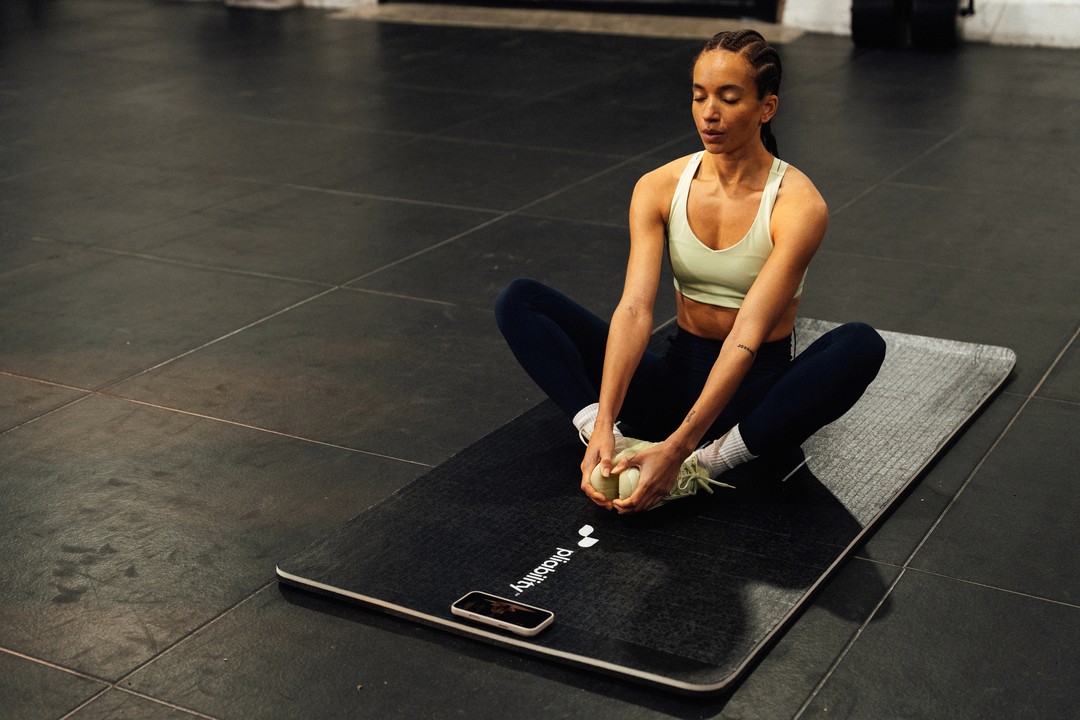
Working out when you're tired isn't about pushing through no matter what. It's about matching the effort to your actual energy level so you stay consistent without digging a deeper hole. pliability can help you make that call every day: our mobility assessment flags where you're tight or restricted, Daily Sessions give you a guided, right-sized session whether you're fresh or running on empty, and the Rebuild hub offers structured programs when you need to dial things back and recover. If you'd rather design your own approach, Build Your Program lets you put together a routine around your schedule and goals, and Paths keep you moving toward a specific outcome over time.
Sign up for a 7-day free trial on iPhone, iPad, Android, or on our website, and let pliability help you stay consistent even on the days you're running low on energy.
Related Reading


Move better in 10 minutes a day.
10,000+ five-star reviews.