


LEARN
pliability

Everyday activities like getting up from a chair, walking up and down stairs, and lifting boxes don't require much thought, until they do. If you've ever had to pause before a task to figure out how to do it without pain or injury, such as when returning to your daily routine after an injury, surgery, or a prolonged period of inactivity, you know how unsettling that can feel. Functional movement exercises improve your body's ability to perform everyday tasks safely and efficiently. This article answers the question "What is functional movement?" and covers its value for improving balance, mobility, and body awareness, then breaks down the eight core functional movement patterns to get you started. With a bit of practice, you'll be moving with strength, ease, and confidence in no time. pliability's mobility app provides a wealth of resources to help you achieve your functional movement goals, including relieving soreness, improving range of motion, and mastering the eight core functional movement patterns.
what is functional movement and why is it important?
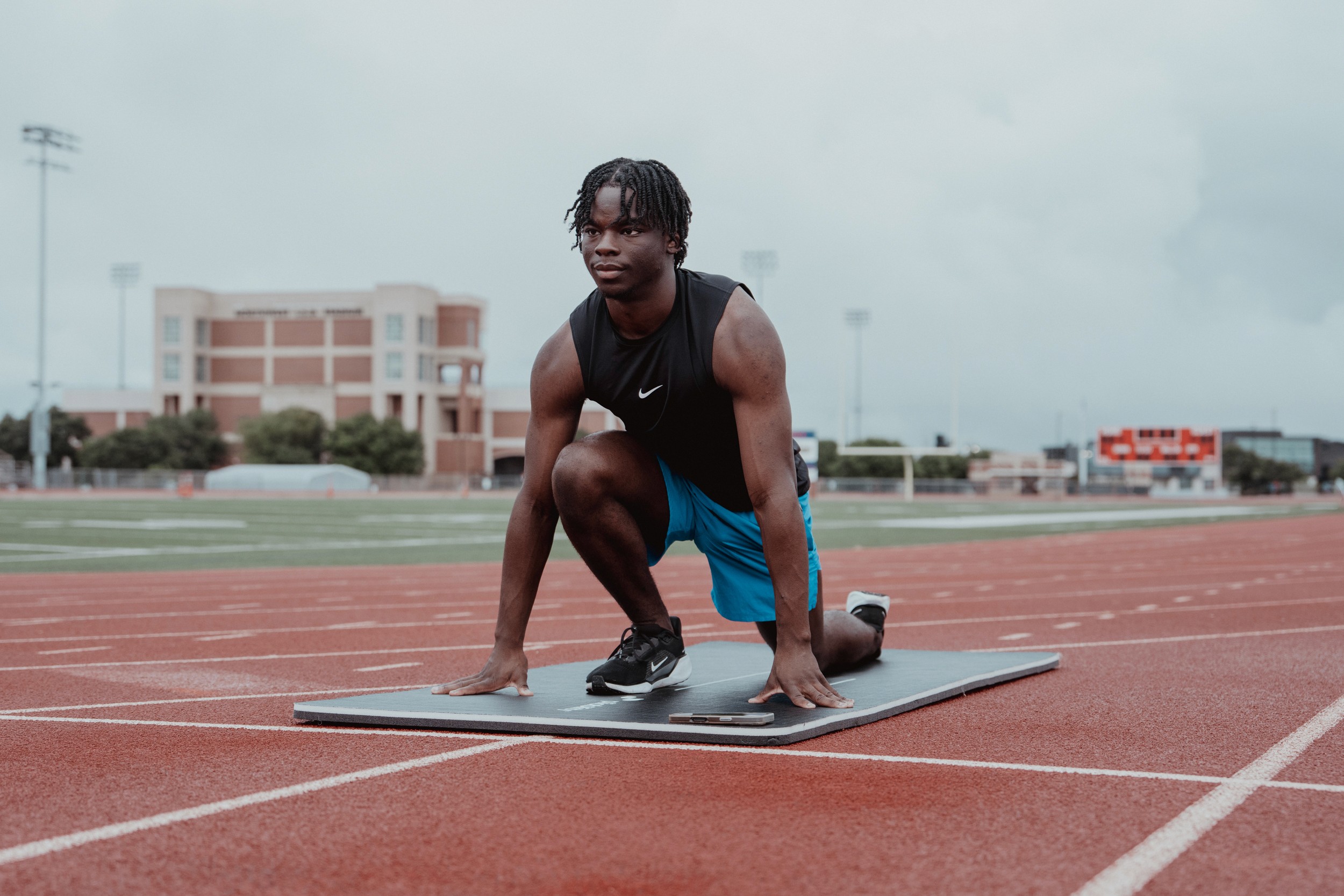
Functional movement focuses on exercises that engage multiple joints and muscle groups, mimicking real-world actions. Think squatting, lunging, twisting, and lifting, which involve the natural range of motion your body needs for daily tasks.
Unlike isolated exercises, such as bicep curls or leg extensions, functional movements help improve coordination, balance, and flexibility in a way that directly translates to everyday life.
the 8 foundational patterns of functional movement (and why they matter more than gimmicks)
The term "functional training" has gotten a bad rap, probably because of an inordinate number of so-called influencers who perform every strength move while standing on one leg, wrapped from head to toe in resistance bands, juggling odd objects, and reciting the alphabet backward, then broadcast it. Those kinds of circus tricks might get attention online, but they're far from functional.
Functional movement patterns fall into eight main categories:
Squat
Lunge
Hinge
Push
Pull
Carry
Rotate
Bend
why functional training isn't just for athletes: movement patterns for real life
By its true definition, functional training should prepare you to live your life better. It should enhance and support your everyday movement and activity, walking, stretching, sitting, reaching, exercising, sensibly and comprehensively. That's true for competitive athletes, people who are always on the move, parents chasing kids around, or anyone in between.
functional movement: built into us from birth
These are natural movements: toddlers squat, hinge, push, and pull, and so do elite athletes. A kid squatting down to check out a bug or a tennis player lunging for a shot isn't hyper-focused on targeting their hamstrings or isolating their biceps; they're just doing what comes naturally. These are normalized, neurodevelopmental sequences we see from birth on. It's basically what human beings have to do to live life every day.
train smarter: building balanced workouts around movement patterns
Categorizing exercises by movement pattern rather than by muscle group is a savvy way to train. By pulling an exercise from each functional "bucket," you can create a training program with virtually unlimited variety. Aim to hit all eight foundational patterns every week, since neglecting one or more of them can lead to muscle imbalances.
why is functional movement important?
Function is purpose, so functional training is simply training that has a purpose. That purpose can be related to getting better at everyday activities, like:
Walking
Squatting to pick up something heavy
Pushing a revolving door
Getting in and out of a chair
Preparing to compete in a sport, like soccer, football, or tennis
From Gym to Real Life: How Functional Training Translates to Daily Activities
A functional workout strengthens you in a particular way that directly translates to activity outside the weight room. For most people, the practical application of functional training is simply making daily activities easier to perform.
Why Functional Training Is Taking Over Studios and Social Feeds
Increasingly, fitness studios are offering classes that help people improve their strength in everyday movement patterns, since it's become more accessible for the average person to try this style of training. Some studios even have "functional" built into their names, and social media has only amplified interest further.
Why Compound, Multiplanar Moves Are the Core of Functional Training
A functional workout typically consists of compound exercises like squats, lunges, and deadlifts, all of which require more than one muscle group to work together. Because of this, they mimic everyday movement patterns, such as pull, push, squat, hinge, and rotation, far more effectively than isolation exercises like a biceps curl.
Think about it: how often do you simply stand in place and lift something from waist level with just your biceps? Probably rarely, if ever. Now, how often do you squat to lift something off the floor? Or lunge to tie your shoe? Or push a door open?
A majority of functional training movements are multijoint, and a well-built functional training program should incorporate movement in multiple planes: forward and backward, side to side, and rotational.
Why Free Weights Beat Machines for Functional Strength
For the same reason, functional exercises tend to favor free weights over machines. Machines require you to move in a particular and rigid way, which doesn't mimic how your body actually moves in real life. Think of a leg extension machine: you're never going to use just your quads in real life. They work with the glutes, hamstrings, and core.
Performing a functional movement, such as a squat, is much more efficient from a strength-training perspective and also trains the muscles to work together seamlessly, the way they operate outside the gym.
Where Isolation Exercises Fit in a Functional Training Plan
That's not to say isolation exercises never have a purpose. If someone comes in with an acute injury and needs to strengthen a particular muscle group, isolating that muscle can make sense, even if it isn't the primary area of focus. For most people working out to be in shape and improve overall health, workouts should consist mainly of compound and functional movements, with isolation exercises added in as needed to address a weakness or enhance stability in a particular joint, like your shoulders.
Train as One: How Functional Fitness Builds a Smarter, Safer Body
Functional training enhances your body's ability to work efficiently as a unified unit. By training multiple muscle groups simultaneously, you help your body function as a system rather than individual parts working independently. Training different parts of your body to work together is what keeps you safe: your mind and muscles learn to recruit multiple muscle groups to accomplish a task instead of relying on just one, which helps prevent the strain injuries that come from overusing a single muscle group.
Functional Strength in Action: Preventing Injury Through Everyday Lifts
Think about lifting a heavy suitcase. If you do it incorrectly, simply bending over instead of squatting or deadlifting, you're likely to strain your lower-back muscles, and in extreme cases even risk something like a disc injury.
If you've been focusing on functional movements in your training, you'll be far more comfortable lifting that suitcase properly, using your entire body: squatting and hinging it up from the floor, using your glutes and legs while keeping your back flat and chest up, just like you would with a weight in the gym.
How Functional Training Enhances Coordination, Balance, and Core Stability
It also improves coordination, balance, and body awareness, which can help you avoid unnecessary injuries. Moving your body in a way that recruits multiple muscle groups at once requires a certain level of coordination, focus, and core strength, which is part of why compound movements are so good for building core strength and stability. The more you train functionally, the better you become at working your entire body as one system, which in turn improves your coordination.
Building Body Awareness: The Hidden Strength of Functional Training
Functional training also builds kinesthetic awareness, the ability to perceive how your body moves, and teaches you how to move safely. These skills matter both in everyday life and in the gym, helping you move purposefully and confidently while staying sturdy, strong, and safe.
the eight functional movement patterns explained

1. squat
If you have to change vertical levels in a day with both feet on the ground, you're squatting, and on any given day, you might squat in a chair, in a car, around a campfire, or on the toilet.
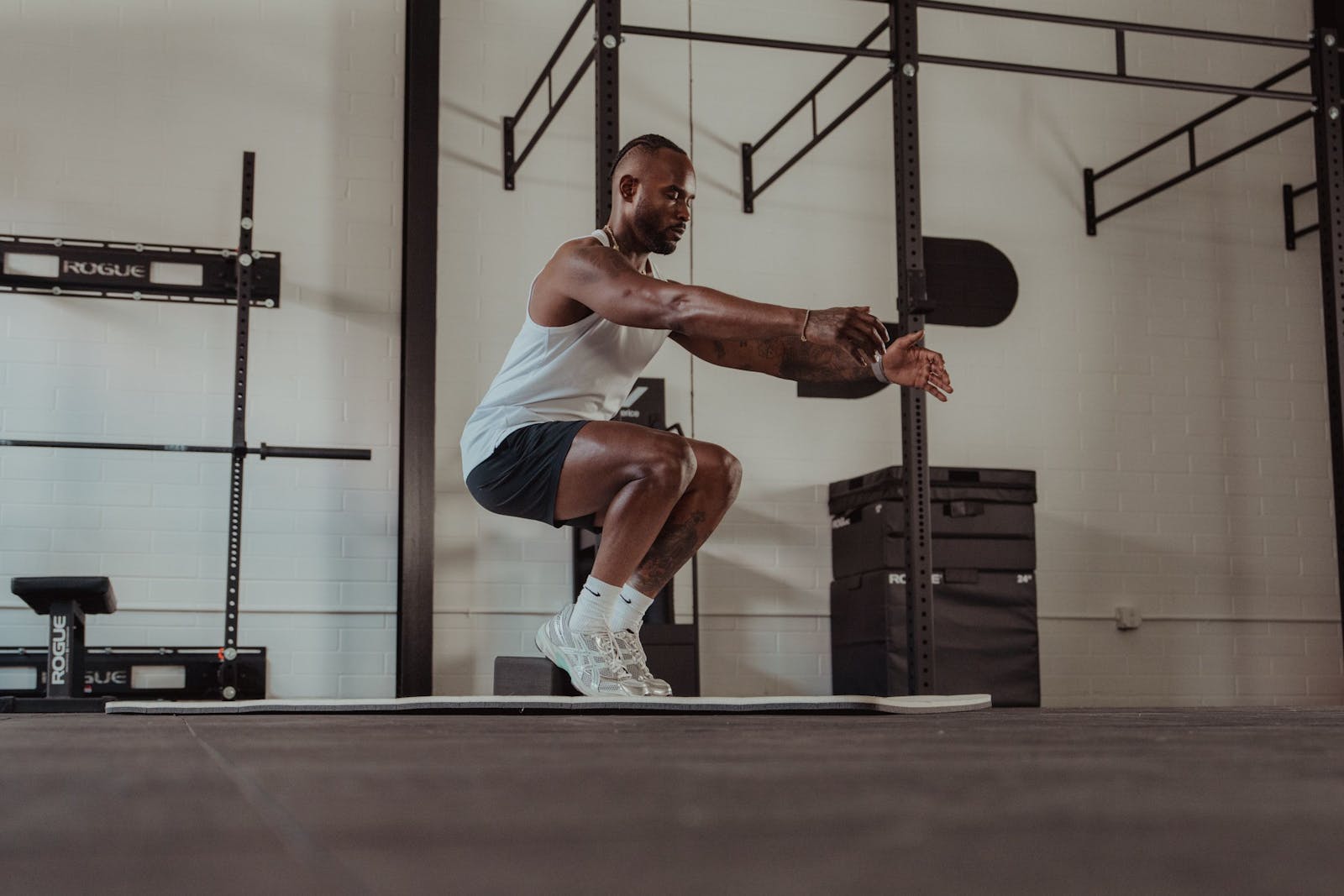
The squatting pattern requires a triple flexion and extension of the ankles, knees, and hips, which ideally work to the same degree and at the same speed, to lower you down and then drive you back up. An air squat is as basic as it gets gym-side, but once you master this foundational move, all other squats, front, back, overhead, or otherwise, become that much easier.
Air Squat
Direct your gaze forward or at the ground a few feet in front of you. Looking up might feel like you're getting extra drive, but you're probably just arching your back.
Initiate your squat by pushing your glutes and hips backward, then bend your knees. This aligns and protects your joints, maximizing your lifting potential.
On the descent, don't let your toes curl up or allow your heels to lift. On the ascent, drive through your whole foot, not just your heels. If you're having trouble feeling these pressure points, squat without shoes or socks and spread your toes to grip the ground.
Your hips, knees, and ankles should all flex and extend simultaneously to ensure a proper squat pattern. If your knees extend before your hips, you'll tip forward, which is a sign the pattern isn't quite right.
Your trunk and shin should be roughly parallel to one another at the bottom of the squat, so expect a slight forward lean. Don't let your shoulders round; keep them back to maintain alignment and protect your spine.
Don't press your hips forward at the top. If you want an extra burn in your glutes, squeeze them isometrically without altering your hip position.
Squat Bucket List
Air squat
Front squat
Back squat
Pistol squat
One-legged squat
Split squat
Smith-machine squat
Sissy squat
Plyometric squat
Goblet squat
2. lunge
Isn't a lunge just a traveling squat? Essentially, yes; many coaches categorize it as one. A lunge is any asymmetrical or single-leg stance that emphasizes lower-body recruitment.
The lunge pattern requires more dynamic balance and control than a squat because it trains one leg at a time rather than both legs simultaneously. Training a forward lunge with just your bodyweight lets you perfect your unilateral stability, balance, and control without added resistance.
Forward Lunge
Don't take too big a step forward. Maintain a 90-degree angle in your front hip and knee, and drop your back knee straight down, right underneath your hips, to avoid compromising your joints.
Use your entire forward foot to push off and return to a standing position. Pressing through your toes will shift your weight forward into your knee and stress your patellar tendon, while pushing only through your heel narrows your base and can throw you off balance.
If you have tight hip flexors, you may need to hinge forward slightly at your hips. This is okay as long as you're not rounding your lower back or using this forward lean to generate momentum to return to standing, a big temptation with step-ups and walking lunges.
Eliminate the lean by slowing down the lowering phase to develop neuromuscular control.
If you lack flexibility in your toes, especially your big toe, your rear foot may externally rotate in the down position, disrupting your alignment and balance.
Loosen up your toes with some slow calf raises.
Lunge Bucket List
Stationary lunge
Forward lunge
Reverse lunge
Lateral lunge
Walking lunge
Rear-foot elevated lunge
Lunge with rotation
Switch lunge
Curtsy lunge
Around-the-clock lunge
3. hinge
The hinge is one of the most underused functional movement patterns, perhaps because we've always been told to "lift with our knees." But if you have a strong core, hinging is arguably a safer movement pattern than squatting for lifting a heavy object from the floor.
It also makes more sense for your body: you have far more muscle attached to the back of your legs than to the front, all perfectly positioned to raise your torso like a drawbridge. Every time you bend over to pick up the newspaper or the groceries or to pet your dog, you're probably doing a version of a deadlift.
Romanian Deadlift
Maintain your neck and upper back alignment by gazing at the floor, rather than in front of you or in the mirror, in the starting position.
"Pack" your shoulders into your back by drawing your shoulder blades together and squeezing your armpits. Descend only as far as you can while maintaining a neutral spine. The moment your lower back starts rounding, you've gone too far and are putting your spine at risk.
If you have very tight hamstrings, bend your knees a little to give them a break and increase your range of motion, but don't turn the move into a squat; the desired pattern is hinging, like a door that folds at your hips.
Forceful hyperextension can overstress your joints and isn't necessary to activate your posterior chain, so don't overextend your knees at the top. They should be straight but not locked out.
For extra glute activation, don't push your hips out in front of your trunk, which causes your lower back to arch. Instead, tuck your pelvis under at the top and imagine pulling your pelvic bone toward your sternum.
Hinge Bucket List
Romanian deadlift
B-stance deadlift
One-legged deadlift
Banded kneeling hip thrust
Bench hip thrust
Kettlebell swing
Kettlebell clean
Glute-ham developer
Reverse hyperextension
4. push
The upper body has two primary movement patterns: pushing something away from the trunk or pulling it closer. Push and pull are each further divided into vertical and horizontal categories. Since pushing and pulling are functional opposites, the key is to program them so your up-and-down and front-to-back strength stay balanced.
Horizontal Push: Push-Up
Strengthen your core, hips, and thighs by engaging your abs, glutes, and quads, which helps maintain proper alignment from head to toe.
Prevent your shoulders from shrugging by engaging your lats and squeezing the area under your armpits to rotate your shoulders forward.
Shoulder protraction and retraction are part of this pressing pattern. At the top, push down into the floor to spread your shoulder blades apart without rounding your upper back. On the way down, draw your shoulder blades together, but not so tight that your chest sticks out or your lower back arches.
Vertical Push: Narrow Overhead Shoulder Press
A narrow press with your palms facing inward is a lower-risk position than a traditional press with palms forward: the shoulder has more stability against rotation, making it easier to maintain stability with the weights overhead.
Don't allow your rib cage to flare outward and your lower back to arch as you extend your arms overhead. Focus on tightening your core to keep your ribs down.
You've probably been told to keep your shoulders down and back with overhead movements. There has to be some upward rotation of the shoulder blades, otherwise you'd get stuck halfway up. Just stay aware of your range of motion and make sure your shoulders aren't shrugging to your earlobes.
Push Bucket List
Horizontal:
Flat/incline/decline push-up
Plank
Flat/incline/decline bench press
Straight punch
Cable press (high and low)
Vertical:
Overhead shoulder press
Handstand push-up
Squat thrust
Arnold press
Windmill
Wall ball
5. pull
Rows can be performed seated or standing, using anything from a resistance band to a cable or a machine.
Horizontal Pull: Row
Aim for a full range of shoulder blade motion for each rep, a little protraction at the start and full retraction at the top. As you pull your shoulder blades together, simultaneously contract your abs to keep your rib cage down and prevent your lower back from arching.
Besides your shoulder blades and arms, no other part of your body should be moving. Imagine your elbows and shoulders are on a conveyor belt that can only slide backward and forward, preventing excessive movement.
You may feel like you're pulling your shoulder blades backward when you're really just jutting your chin forward. To prevent this, use a lighter weight and tuck your chin straight back.
Vertical Pull: Pull-Up
Grip the bar right where your first knuckles meet your hand, then wrap your fingers and thumb around it. This presses the bar straight into your palm rather than pulling the skin on your palms upward, which can give you calluses or even tears.
Don't shortchange your reps: let your shoulder blades slide upward toward your ears at the very bottom, then initiate the pull by drawing them together and packing them into your back before driving your elbows downward.
There's no harm in crossing your feet at the ankles, but it might tempt you to arch your lower back or swing your knees upward to create momentum. For an accurate measure of your pull-up strength, keep your legs straight and together with your toes slightly in front of your torso.
Pull Bucket List
Horizontal:
Seated row
Single-arm row
Bent-over row
Reverse-grip row
Lawn-mower row
Renegade row
Vertical:
Pull-up/chin-up
Lat pulldown
One-arm pulldown
One-arm wide lat pulldown
Scapular push-up
Active bar hang
6. carry
Kettlebells, groceries, backpacks, and squirming kids, getting them from point A to point B without teleportation requires a solid carry, yet it's an oft-ignored training tool. With a carry, you won't feel the burn in one area, but it's the foundation of dynamic stability.
More likely, you'll feel a full-body stiffness as you traverse the ground with your arms and legs moving in opposition. Being vertical isn't essential to a carry, either; crawling with a weight on your back or working on a stationary bike both fit under the "carry" umbrella in terms of the demand they place on your system.
Farmer's Walk
Proper form is essential not only during the carry but also before and after. Use another foundational movement pattern, either a lunge or a deadlift, to pick up and set down the weights, protecting your spine and joints in the process.
Take short, quick steps forward, planting each foot solidly, and avoid letting your stance become too narrow. That decreases your base of support, and unless you're training to walk a tightrope, you want as much support as possible when carrying heavy things.
As you fatigue, you may be tempted to shrug, engaging your traps to help carry the load, but this can put undue tension on your neck and upper back. Instead, depress your shoulder blades, imagining them sliding down into your back pockets, to engage your larger upper-back muscles.
Carry Bucket List
Farmer's walk
Overhead walking lunge
Waiter's walk
Suitcase carry
Racked carry
Unilateral sandbag carry
Weighted bear crawl
Sled drive/pull
7. rotate
Throwing, hitting, kicking, swimming, and running all involve rotation, which is the most effective way to transfer power from your lower half through your core and out to your upper half. This pattern requires head-to-toe stability and teaches your body to work as a single unit rather than as separate halves.
Rotation is the glue that holds other movement patterns together, such as a squat plus a push or a hinge plus a pull, and it's what makes a movement feel like a full-body, functional one. Add rotation to any of the other patterns and you immediately raise the difficulty.
Band Rotation
Don't stand flat-footed. Come up onto the balls of your feet, and pivot from the start to the finish of the rotation. This ensures the move involves your whole body, including your hips and trunk, which is how rotation typically occurs in real life.
Brace the core but allow some rotation of the spine, especially at the end ranges of motion. You should feel a slight stretch in your obliques, but avoid letting your trunk flex forward or extend backward.
The farther your arms are extended from your body, the greater the challenge to your core as it works to stabilize your shoulders and trunk. Keep your shoulders moving as one unit with your torso, as if they're welded to your trunk. Some rotation may occur in the upper back, which is fine, but avoid pulling or pressing the band with just your chest and arms.
Rotation Bucket List
Cable/band rotation
Woodchopper
Oblique medicine-ball toss
Plank to side plank
Hook punch
Throwing (balls, rocks, etc.)
Swinging (bat, golf club, etc.)
8. bend
Bending is the second lower-body movement pattern. It involves flexing at the hip while maintaining rigidity at the knees, using your glutes, hamstrings, and core.
The most popular bend exercise is the deadlift. In daily life, you use the bending movement anytime you pick something up off the ground.
Bend Exercises
Hip Thrust
Bent Knee Good Morning
Russian Kettlebell Swing
how to incorporate functional movement into your routine
start with the basics: mastering squats, lunges, and push-ups
Functional movement doesn't have to be complex. It's best to start simple and begin with basic exercises that closely mimic everyday activities.
Squats target the muscles needed for sitting and standing, lunges help with walking and climbing stairs, and push-ups build strength for getting up from the floor. Focus on form and control before adding difficulty or progressing to more advanced variations.
use multi-joint movements: targeting multiple muscle groups
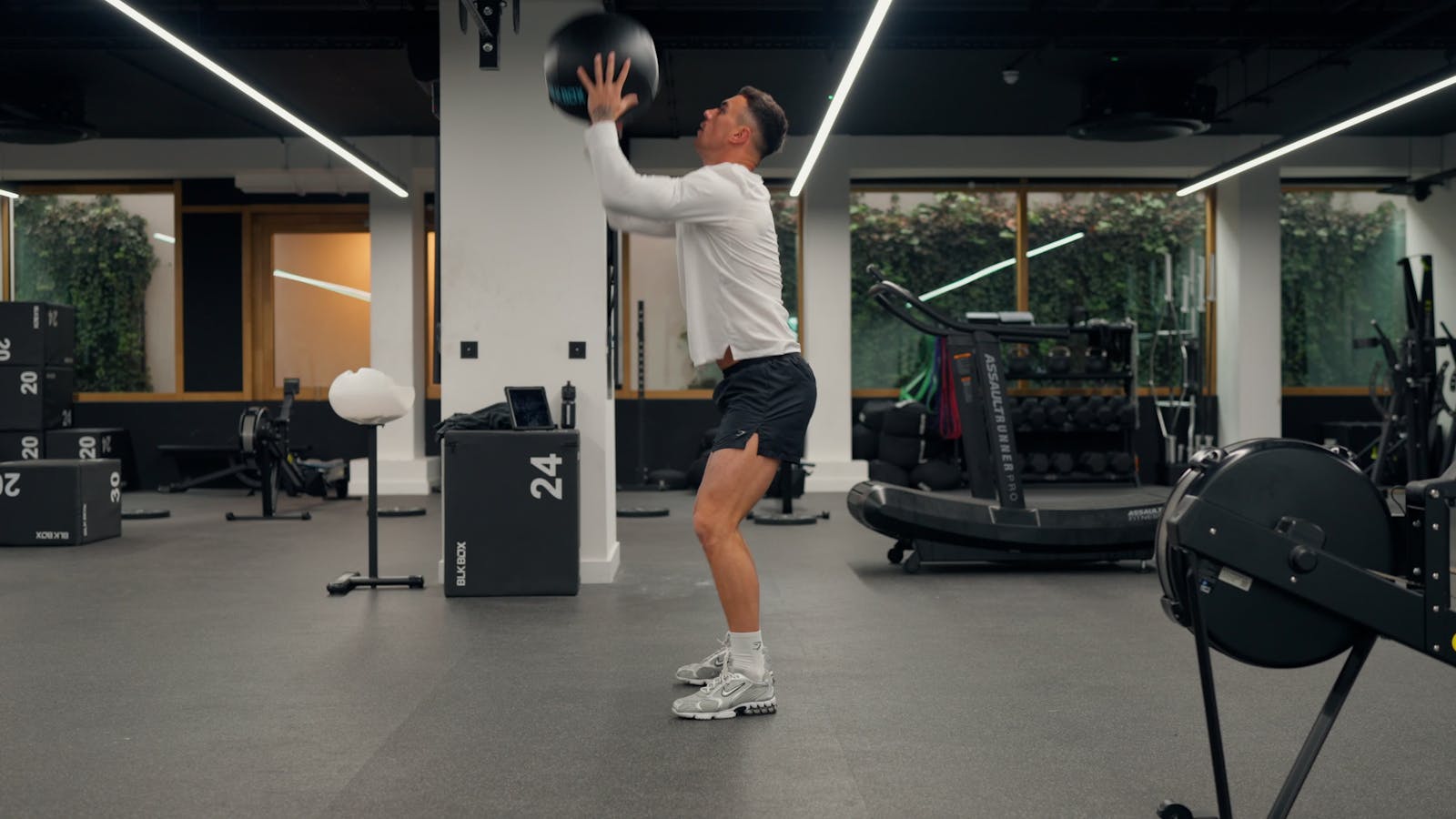
Once you've mastered the basics, it's time to add some variety and challenge your muscles with more advanced functional exercises. Choose movements that target multiple muscle groups, like deadlifts, kettlebell swings, and medicine ball throws. These types of exercises don't just build strength for everyday activities, they also improve balance, coordination, and agility.
add variability: keep your body adapting
Your body is constantly adapting. When you perform the same movements repeatedly, your muscles become efficient, and the exercises no longer challenge your body. To keep making progress, you need to mix things up. With functional movement training, you can introduce variability in several ways: change the exercises or movements you're doing, adjust the resistance, range of motion, or speed of movement, or change the position of your body to perform the exercise. For example, instead of doing deadlifts standing up, you can perform them from a deficit or from the floor.
mind your posture: pay attention to form
As with any type of exercise, proper posture and alignment are essential for effective functional movement. Poor form can lead to injuries and hinder your progress in training. Pay attention to your position in each exercise, and don't be afraid to use a mirror or film yourself to check your form.
progress gradually: build a strong foundation
While it can be tempting to rush into advanced movements, it's essential to build a solid foundation first. Master the basic functional exercises before progressing to more complex movements. Advanced exercises often require a great deal of coordination, balance, and strength in various muscle groups.
If you haven't developed those attributes first, you may struggle when you attempt the advanced movements. In short, you may not be ready for them yet, and pushing ahead anyway can lead to injuries.
start with resistance training
To reap the benefits of these patterns, you need to perform them over and over again. Resistance training, such as lifting weights, is the most effective way to do that for every pattern except cyclical movement, since it provides time under tension in each pattern.
Instead of the traditional exercise-based approach, try thinking in patterns: build workouts based on the movement patterns and then fill in an exercise for each one.
how to start: a sample functional movement workout
Start with full-body resistance training 2 to 3 days a week. On a training day, perform each movement pattern with one exercise per pattern. We recommend supersetting, pairing back-to-back upper and lower body patterns, since it's more time-efficient.
A training day could look like the following:
Kettlebell Romanian Deadlift @3030, 8-10 reps x 3 sets; rest 60 seconds.
Dumbbell Bench Press @2111, 8-10 reps x 3 sets; rest 60 seconds.
Goblet Squat @3311, 8-10 reps x 3 sets; rest 60 seconds.
Seated Lat Pull Down @3012, 8-10 reps x 3 sets; rest 60 seconds.
Banded Dead Bug @3030, 10-12 reps x 3 sets; rest 60 seconds.
cardio and rest days: keep moving
On days when you're not doing resistance training, use the cyclical pattern and engage in aerobic training. Go for a walk, hike, or ride a bike. Even on a rest day, it's still worth getting in some light aerobic activity, since the blood flow helps with recovery.
move better every day with pliability
Learning the eight functional movement patterns is the foundation, but building them into a routine you'll actually stick with is what makes the difference. pliability's Daily Sessions give you a new guided mobility routine every day, and Paths string sessions together into a structured progression toward moving better in the patterns that matter most to you. Take the mobility assessment to see where you're most restricted, then use Build Your Program to build a routine around those areas. If you're working around an injury, the Rebuild hub offers programming built for that.
Try pliability free for 7 days on iPhone, iPad, or Android.
Related Reading



Move better in 10 minutes a day.
10,000+ five-star reviews.