


LEARN
pliability

As we age, the little things we take for granted, such as getting up from a chair or walking across the room, can become increasingly complex. Sometimes, it’s just part of getting older. When the loss of mobility begins to interfere with daily life, it can be frustrating and even intimidating. The good news is that you don’t have to accept it. This article will cover actionable steps you can take to prevent and even reverse loss of mobility so you can maintain your independence and stay active as you age.
what is meant by loss of mobility?

Mobility is essential for performing everyday tasks, from getting out of bed in the morning to walking around the house and climbing stairs. Maintaining an adequate level of mobility ensures we can live independently and safely.
As we age, our bodies undergo various physiological changes that can diminish our strength, flexibility, endurance, and balance, leading to reduced mobility. This gradual loss of physical function can begin as early as our thirties. If we don’t take steps to counteract this decline, we may become dependent on others for the basic activities of daily living (ADLs) as we age.
what is loss of mobility?
Loss of mobility refers to the inability to move around freely and without pain. The term can describe a range of conditions, from difficulty walking to losing the ability to climb stairs or getting in and out of a car.
While the causes of reduced mobility can differ significantly, some are a natural consequence of aging, while accidents, neurological damage, or other physical incapacities cause others.
Top Causes of Severe Mobility Loss
According to the CDC, one in every seven adults in the United States experiences some form of severe mobility loss that significantly impacts major life activities. These disabilities can vary in severity and are caused by a variety of factors. But what are the most common causes of mobility loss?
a sedentary lifestyle
It may come as a surprise to learn that living a sedentary lifestyle is one of the most common causes of mobility loss in adults. As technology has advanced over the decades, Americans have become increasingly less physically active, transitioning from physically demanding jobs to ones that are desk-based and computer-oriented.
This decrease in activity levels can begin to impact your mobility levels as early as the age of 30. At that age, individuals can start to lose as much as 3-5% of muscle mass every decade, which can lead to drastic mobility loss by the time you reach your senior years.
Boost Mobility with Simple Daily Activity
The best way to combat this muscle loss is, of course, physical activity. That doesn’t mean you have to start pumping steel every day of the week. Simple changes, such as taking the stairs or going for a daily walk, can pay off over the long run.
Additionally, it’s never too late to start increasing your activity levels. Even if you struggle with mobility now, increasing physical activity under a doctor’s guidance can help you to reverse loss of muscle mass and improve mobility in the future.
obesity
Being overweight puts a considerable strain on your heart and consequently reduces your ability to be physically active. Avoiding mobility loss involves maintaining a healthy weight, a balanced diet, and a healthy lifestyle.
Obesity can incline you to lead a more sedentary lifestyle when what is needed is an active lifestyle. Overweight people are also more likely to have hip and knee problems.
cognitive conditions
Every part of the body is connected, and cognitive conditions like Alzheimer’s, dementia, and Parkinson’s disease can impact far more than just the mind. These conditions can often lead to the loss of muscle control and, as a result, independent mobility.
If you or someone you love has been diagnosed with one of these cognitive conditions, consult a doctor about strategies to help mitigate mobility loss and exercises to slow the progression of memory loss.
chronic medical conditions
Chronic medical conditions can cause progressive mobility loss that is difficult to combat. For example, osteoarthritis, neuropathy, and other similar conditions can cause pain and weakness in the muscles and joints, making it difficult to engage in any physical activity. This leads to a more sedentary lifestyle, and, as we stated above, results in a loss of muscle mass and overall mobility.
Staying Active with Chronic Conditions
While the idea of engaging in physical activity with a chronic medical condition might seem impossible, properly treating your condition can help make it more achievable. Discuss options for medication, exercises, and lifestyle changes that can help to reduce your pain and weakness from your chronic medical condition.
Experiment with different physical activities, with proper support and supervision, to find movements that don’t agitate or inflame your existing conditions. This can help you find ways to be more active and maintain greater mobility, while keeping your medical conditions and their symptoms under control.
physical injuries
As we age, our bodies become less and less capable of recovering from injuries. Bones are more brittle, and even simple abrasions on the skin can take weeks to heal.
So, when a more serious physical injury occurs, such as a broken bone, it’s common for senior citizens never entirely to recover from the injury. This is especially common in joints, such as the knees and hips, which often require replacement later in life.
Lasting Impact of Injury on Mobility
When these injuries occur, some loss of mobility is always a distinct possibility. While you may not entirely lose mobility in the impacted limb, additional pain and stiffness can limit your range of motion or otherwise reduce your ability to bear weight or use the affected limb. This mobility loss often persists throughout a person’s lifetime and can sometimes worsen over time.
simple aging
Of course, aging is always a factor to consider when discussing mobility loss. While other factors are usually at play when talking about severe loss of mobility, aging contributes to a great deal of the physical disabilities that senior citizens face.
Several primary issues often lead to a loss of mobility among seniors, but fortunately, some of these issues can be prevented.
Osteoporosis
Occurs when seniors have greatly diminished bone density that can lead to fragile, brittle, and breakable bones. Fortunately, this cause of immobility is preventable if seniors start following a healthy diet at an early age. It is essential to get enough calcium and vitamin D to build healthy bones.
Living with a serious health condition can make it challenging for seniors to age in place. They can maintain a higher quality of life with the help of professional live-in care. Roseville seniors can benefit from assistance with meal prep, bathing, transportation to the doctor’s office, medication reminders, and much more.
Accidental Falls
Broken bones, strained tendons, and muscle tears can limit a senior’s mobility, and these accidents tend to happen more often in old age. Try to remove hazards that could lead to falls, and ensure all areas of the home are well lit.
Seniors can also reduce the risk of falls by building muscle through exercise, as extra muscle helps increase balance and protect bones in the event of an accident.
Impaired Mental Function
Conditions that affect the brain, like dementia, Alzheimer’s, and Parkinson’s disease, can limit mobility. These mental conditions can impair the body's ability to control muscles and bones effectively. Parkinson’s disease can damage neurons and affect areas of the brain that control coordination and movement.
Respite Care Support for Seniors with Limited Mobility
Seniors with limited mobility may require assistance with daily activities. Some seniors require occasional assistance at home, and often, the family members who care for them need time away to run errands, take a nap, go to work, or take a vacation.
Roseville, CA, respite care experts from BeyondWell Home Care are available on an as-needed basis, giving your family peace of mind that your loved one will remain safe and comfortable. At the same time, you relax or focus on other essential responsibilities.
Obesity
Obesity among seniors is on the rise. Extreme obesity can cause seniors to become housebound, and being slightly overweight can make it difficult for them to move around. Higher levels of weight put more strain on the muscles and require more effort to move around.
Obesity can also contribute to issues like osteoarthritis and diabetes that further impair mobility. To prevent this dangerous health condition, seniors should maintain a healthy diet, exercise regularly, and consult their doctors about any medications that may be contributing to weight gain.
Osteoarthritis
Osteoarthritis is the leading cause of immobility among older adults, occurring when the cartilage that protects the joints breaks down. Osteoarthritis can cause immobility due to pain, or it can make the joints stiffen and lock up.
Seniors can reduce the risk of developing arthritis by maintaining a healthy weight, controlling blood sugar levels, engaging in regular gentle exercise, and avoiding repetitive motions that put stress on the joints.
why mobility matters for healthy aging

how mobility affects independence, quality of life, and long-term health
Mobility is how you move: more specifically, it's how well your joints move through their full range of motion. Being able to take a joint through its range of motion, like extending and flexing an elbow or ankle, supports your ability to move and walk freely and easily, which is critical for functioning well and living independently.
What Does That Look Like in Real Life?
Examples include reaching into the cupboard for a cup (shoulder), walking up and down stairs (ankle), and bending down to pick something off the floor (hips and knees).
Over time, a lack of mobility translates into less independence, as well as a greater risk of falls, disease, and loss of function. Without good joint mobility, you may also feel stiff and achy, making it more difficult to participate in activities or perform daily tasks.
Regain Mobility for a Better Quality of Life
Losing mobility can significantly impact your quality of life. Improving your range of motion, on the other hand, can decrease pain, anxiety, and depression, and it can enhance your ability to handle day-to-day activities and personal-care routines.
Preserving and knowing how to regain mobility are critical for healthy aging, and it's never too late to start.
why mobility worsens with age
Some mobility loss is a natural part of aging. Collagen, a structure that holds water and gives joints their fluid suppleness, naturally breaks down over time, which makes it harder for joints to access their full range of motion.
How Aging and Habits Affect Mobility
As you age, certain conditions, such as hypertension, heart disease, heart failure, diabetes, rheumatoid arthritis, and osteoarthritis, are associated with mobility loss.
Sarcopenia, or age-related muscle loss, can also contribute, though it isn't a guarantee if you stay active. The bigger reason joint range of motion declines with age is our habits: if you don't use a movement pattern, you tend to lose it, and repetitive motions get ingrained the longer you repeat them.
One Classic Example? Typing at a Keyboard
Typing tends to shorten the muscles across the front of the chest, and a typical hunched-forward desk posture over-stretches the muscles in your back at the same time. Left unaddressed for years, the muscles on one side of a joint become chronically shortened while the muscles on the opposite side become chronically lengthened, an imbalance you can feel even when you're away from your desk. Over time, that imbalance causes wear and tear on the joints, which can lead to chronic pain.
Inactivity's Role in Age-Related Mobility Loss
If you're not physically active, you're not conditioning your joints to move through their full intended range of motion, which can also cause loss of mobility in older adults.
As it stands, 27.5 percent of people globally do not engage in enough physical activity, according to a September 2018 study in The Lancet Global Health, which surveyed nearly two million people. (Sufficient physical activity was defined as at least 150 minutes of moderate-intensity or 75 minutes of vigorous-intensity physical activity per week.)
what can I do to counteract the loss of mobility?

As we age, our bodies naturally lose flexibility, making it harder to perform everyday activities. But that doesn't have to be the case. Staying active and making wellness a priority helps push back against the frailty often assumed to be inevitable with age, and you can retain or regain a good deal of your mobility with a few simple strategies, starting with regularly getting your body into different shapes and positions.
hang for three minutes a day
If you're dealing with aches and pains in your shoulders, neck, or back, hanging for a few minutes a day can help. Grab the edge of a sink, a doorframe, or, better yet, a pull-up bar, get your arms above your head, and let your body stretch out for a few minutes.
Why Posture Tests Like Downward Dog Matter
Even the yoga pose downward-facing dog counts as hang time, and holding it can change your posture, ease neck pain, open up your breathing, and loosen your shoulders. It's a useful test, too: plenty of adults find they can no longer comfortably get their arms fully overhead, a sign that shoulder mobility has quietly slipped away.
walk more (for a surprising reason)
Walking every day is one of the simplest ways to keep stiffness at bay and maintain mobility. Regularly walking a healthy number of steps a day is linked to meaningfully lower rates of early death and chronic disease, and your bones, tendons, ligaments, and proprioceptive systems all need to be physically loaded regularly to keep working well. Without that load, the body adapts in the wrong direction, and issues like osteoporosis, osteopenia, and sarcopenia, the loss of bone and muscle, become more likely.
How Walking Supports Your Body's Cleanup System
Walking loads your bones, connective tissue, tendons, and muscles, and it also helps your body clear waste. The body produces several liters of lymphatic fluid every day, and the lymph system carries broken-down cellular material and waste, the proteins too large to pass through your capillaries, out of the body. That system runs on your muscles doing the pumping, so if you want to keep the waste moving, you have to keep moving too. Congested tissue that isn't regularly moved also doesn't heal as well, while decongesting it through movement improves blood flow, which benefits the brain as well as the body.
play more
Exercise doesn't need to be all work. Movement that feels like play, a pickup sport, a dance class, a game with friends, still counts, and it gets you moving in novel ways that structured workouts often don't.
Play as Everyday Movement
Play can be a continuum rather than a single activity: a walk with friends in the evening, an exploratory hike through your neighborhood, or a spontaneous game can all count. Looking for small chances to bring play into ordinary moments is often what solves a lot of movement problems.
don't neglect the basics
A balanced diet with sufficient protein and a variety of fruits and vegetables supports mobility just as much as movement does. Aiming for around 800 grams of fruits and vegetables a day (fresh, frozen, or in the form of beans and potatoes, not just leafy greens) helps make sure you're getting the fiber and micronutrients your tissues need. Getting at least 0.7 to 0.8 grams of protein per pound of body weight supports having enough building blocks on hand to build and maintain muscle and bone.
mix up your moves
It's great to find a workout you love, but doing the exact same exercises every day isn't ideal for joint mobility. A combination of activities, like strength training, cycling, running, and yoga, moves your joints through a much wider range of positions than any single activity does. If every workout is, say, cycling, you repeatedly move your joints in a single position, which can leave your hips, back, and chest tight and achy. Opening up the front of the body through strength training and yoga helps offset that risk, and keeping a varied schedule of activities generally means you don't have to worry as much about mobility loss.
take standing breaks
If you have a desk job, you likely know the feeling of tightness and achiness that comes from sitting for long stretches and then standing up. Moving often, such as standing up and walking for five minutes every hour, helps counteract that. The earlier you build this habit, the better, but it's never too late to start: research on older adults has found that those who took more movement breaks per day, including moving from sitting to standing, tended to have better physical function.
Stand Up Often, Even If You've Worked Out
Standing up to interrupt time spent sitting engages large skeletal muscles and, done consistently throughout the day, adds up to thousands of extra muscular contractions. Standing up more is worth doing regardless of your age, even on days when you've already gotten a workout in.
get bendy
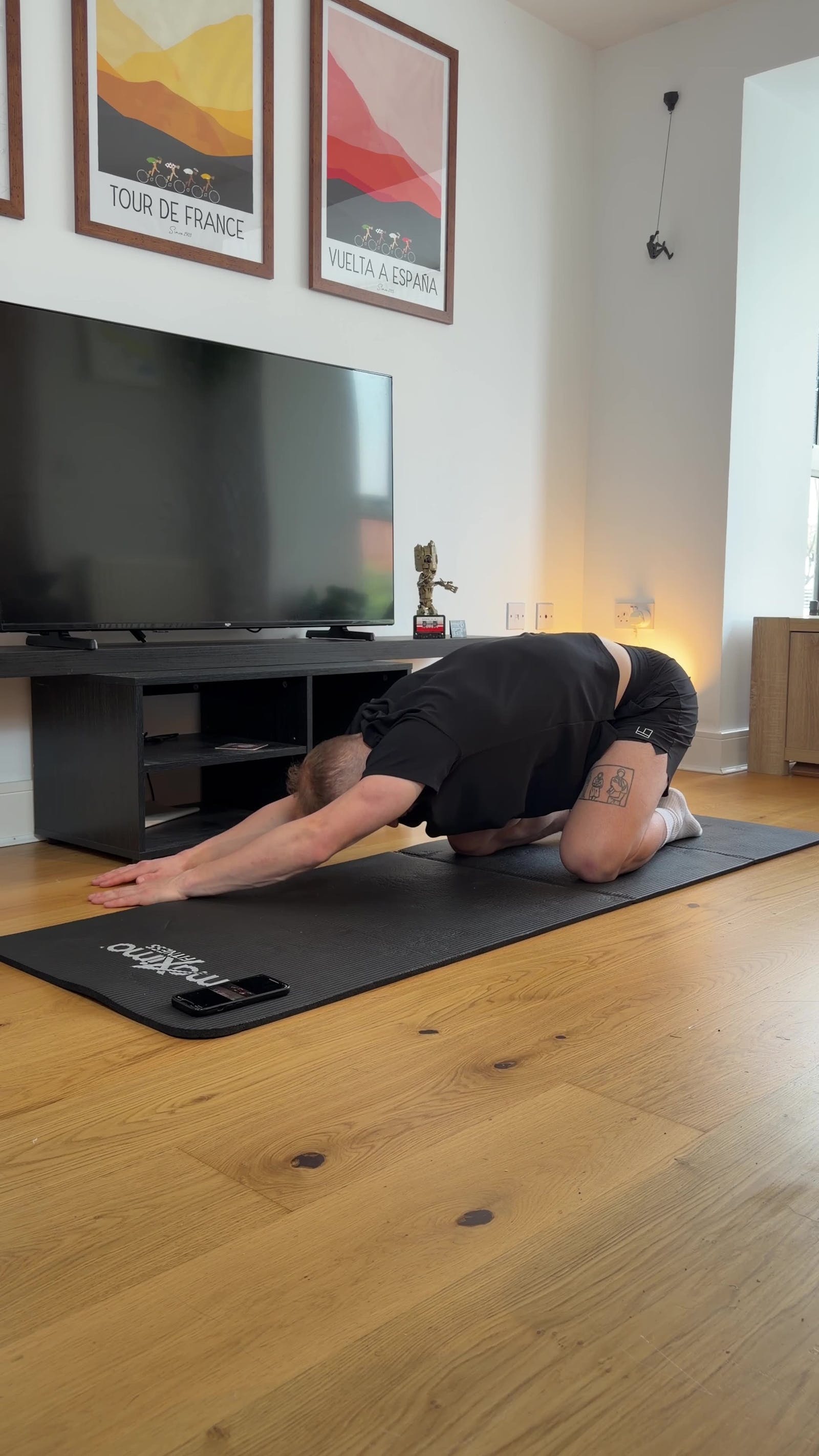
Stretching exercises that target your shoulders, spine, hips, and calves can help combat the chronic stiffness that contributes to mobility loss in older adults. Both static (bend and hold) and dynamic (flowing) stretching give your joints a chance to move in ways they might not otherwise on a regular basis.
Stretch Without Strain
Many yoga routines also include a flexibility and mobility component. Challenge yourself as you bend and stretch, but always stop short of pain. Pushing too hard into a stretch can damage your joints and increase your risk of injury. Aim for a gentle, pleasant stretch in the muscle, and if something doesn't feel good, pull back or skip that stretch altogether.
improve your flexibility with our mobility app today | get 7 days for free on any platform

pliability builds the kind of varied, consistent mobility work this article covers into guided Daily Sessions, so you don't have to piece together hangs, stretches, and standing breaks on your own. The video library is designed for anyone who wants to move better, not just performance athletes.
Take the mobility assessment to find where your range of motion has quietly slipped, then follow a personalized Path built around what it finds. If you are working to reverse a specific area of mobility loss, the Rebuild hub has structured programs for that, and Build Your Program lets you combine hangs, stretches, and strength work into a routine that fits your week.
Start a 7-day free trial of pliability on iPhone, iPad, Android, or the web, and put a real plan behind holding onto your mobility as you age.
Related Reading






Move better in 10 minutes a day.
10,000+ five-star reviews.