Join thousands worldwide already moving with pliability.

#1 MOBILITY APP

10,000+

5 STAR

REVIEWS

Join thousands worldwide already moving with pliability.

#1 MOBILITY APP

10,000+

5 STAR

REVIEWS

LEARN

What Are the Different Types of Muscle Soreness (DOMS)?

What Are the Different Types of Muscle Soreness (DOMS)?

Learn the Types of DOMS, including acute and delayed-onset muscle soreness, and what they mean for recovery and training.

Learn the Types of DOMS, including acute and delayed-onset muscle soreness, and what they mean for recovery and training.

Pliability Team

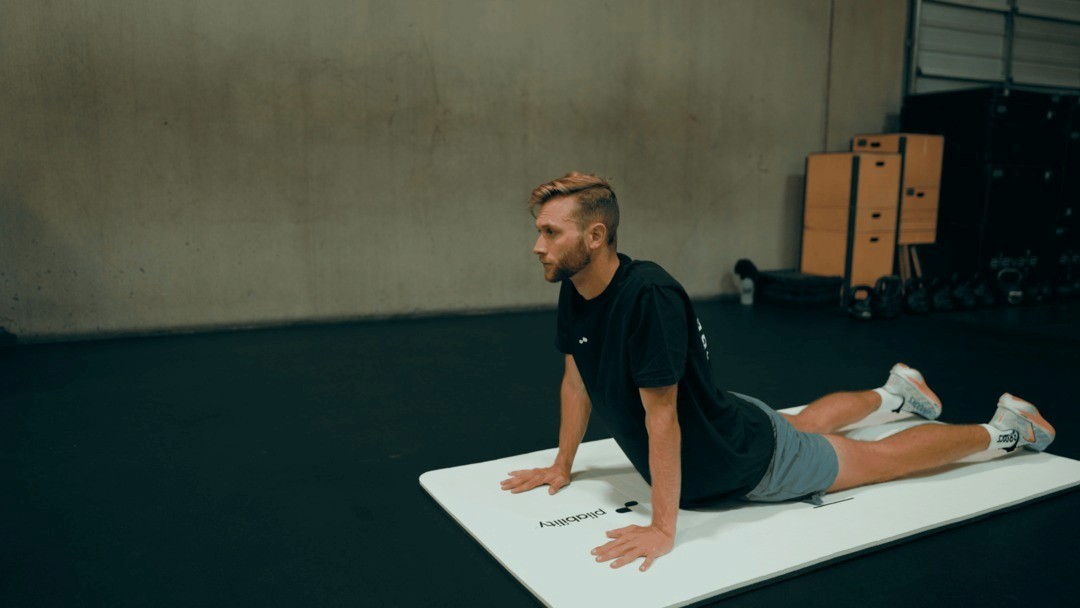
person exercising - Types of DOMS

Pushing hard in a workout often means waking up the next day with stiff, tender muscles that make every movement feel like an effort. Understanding the different types of DOMS — delayed-onset muscle soreness — helps clarify when that discomfort is a normal sign of adaptation, when it calls for rest, and when it warrants closer attention. Knowing the difference takes the guesswork out of recovery and puts smarter decisions within reach.

Muscle soreness does not have to derail progress when the response is dialed in. Targeted mobility work, timed correctly, can ease tightness, support tissue recovery, and keep the body moving between sessions. For structured routines built around exactly that, the mobility app from Pliability gives athletes and everyday movers the tools to recover with purpose rather than simply waiting it out.

Table of Contents

  1. Are There Different Types of DOMS?

  2. What Are the Different Types (or Patterns) of Delayed Onset Muscle Soreness

  3. What Causes Different Levels of DOMS?

  4. How to Recover Based on the Type of DOMS

  5. Turn Your Recovery Knowledge Into a Structured, Replicable Plan

Summary

  • Delayed onset muscle soreness and acute muscle soreness are two distinct physiological events that are frequently confused. Acute soreness stems from metabolite buildup during exercise and resolves within hours, while DOMS emerges 12 to 24 hours after training, peaks between 1 and 3 days post-workout, and results from microscopic tears in muscle fibers caused by unfamiliar or high-intensity loading.

  • Eccentric contractions are the primary driver of DOMS severity, and the functional consequences go beyond discomfort. Research published in Sports Medicine found that strength loss from eccentric exercise can reach up to 50% in severe cases, indicating that the impact is measurable rather than merely perceived. Movements like the lowering phase of a squat, running downhill, or the descent of a pull-up consistently produce more post-exercise tissue stress than their concentric counterparts.

  • Training novelty is one of the most underestimated variables in soreness severity. A well-conditioned athlete attempting a new movement pattern for the first time will often experience sharper soreness than a beginner repeating a familiar routine, because repeated exposure to specific movements reduces the magnitude of muscle disruption over time through a phenomenon known as the repeated bout effect. This means the first week of any new program almost always produces the most pronounced soreness regardless of fitness level.

  • Recovery status has a direct and often overlooked effect on how severely DOMS presents. Research from Frontiers in Physiology notes that in under-recovered individuals, the typical 24- to 72-hour peak window can extend and reach higher severity, even when the workout itself is identical to one that previously caused only mild soreness. Sleep quality, nutritional status, and accumulated training stress all influence how well the body meets the demand for repair.

  • Matching recovery strategy to soreness severity produces better outcomes than applying generic advice across the board. Evidence supports specific interventions at specific levels: compression garments worn for 24 hours post-exercise reduced perceived soreness by up to 30% in athletes following eccentric training, while cold water immersion at 10 to 15 degrees Celsius for 10 to 15 minutes reduced DOMS by approximately 20% compared to passive recovery, according to a SportRxiv systematic review and meta-analysis. Passive rest alone consistently underperforms compared to targeted movement and structured recovery strategies.

  • Not all post-workout pain follows the DOMS pattern, and recognizing the difference matters. Sharp or localized pain that does not follow the 12 to 24-hour onset window, pain that worsens with rest, swelling concentrated in a joint rather than a muscle belly, or neurological symptoms like tingling or numbness are warning signs that point toward structural injury rather than normal adaptation, and they require professional evaluation rather than continued self-managed recovery.

  • Pliability's mobility app addresses this directly by providing guided recovery routines matched to specific muscle groups and soreness levels, giving athletes a structured way to apply active recovery rather than defaulting to passive rest or guesswork.

Are There Different Types of DOMS?

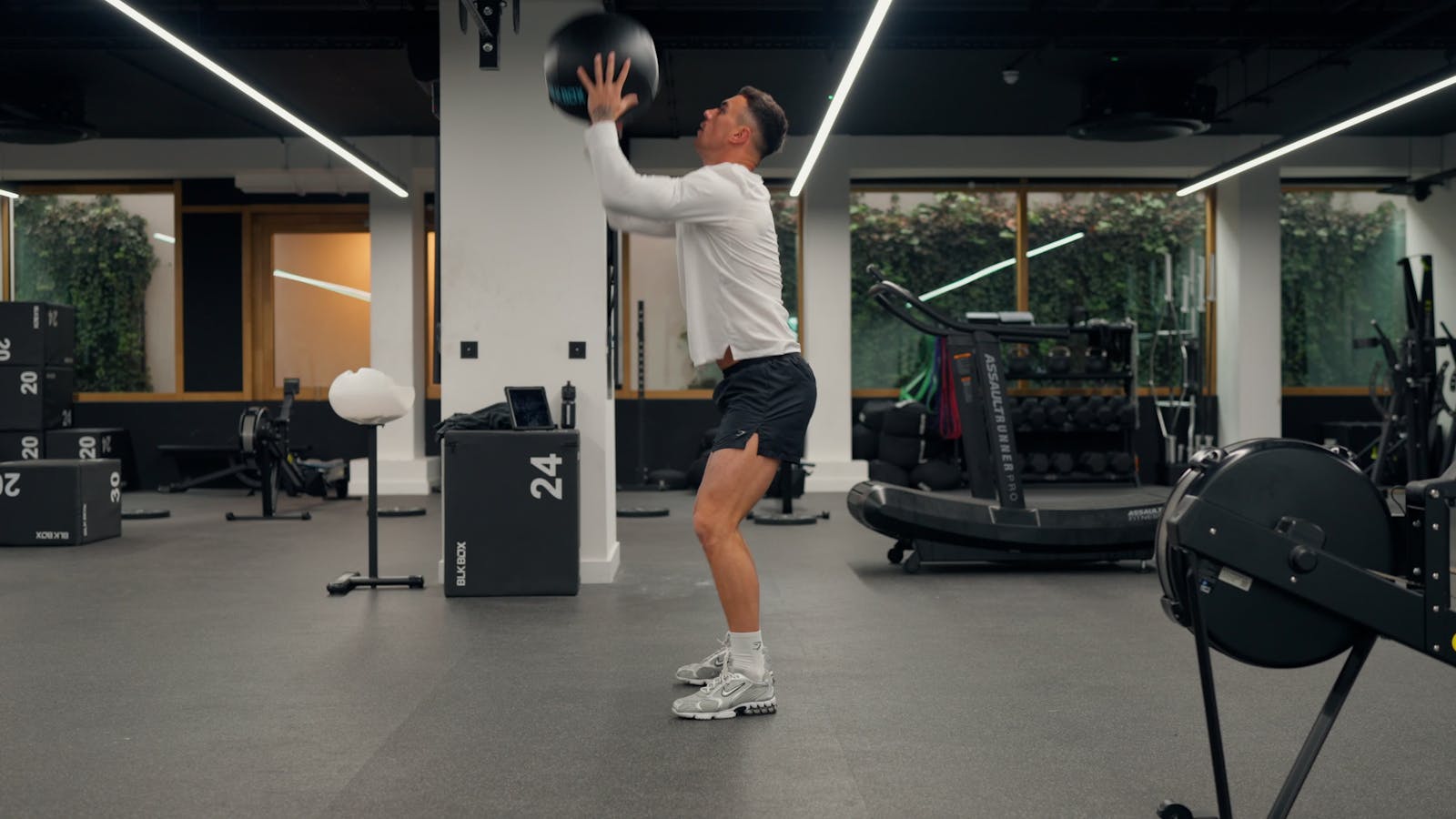
man exercising - Types of DOMS

Most people assume all muscle soreness means the same thing—proof of a good workout. That mental model is intuitive but misleading. Not all soreness signals the same body process.

"Not all soreness signals the same body process—confusing different types can lead to poor recovery decisions and even injury." — Exercise Science Principle

🎯 Key Point: Muscle soreness is not a one-size-fits-all signal. Understanding the difference between soreness types is essential for smarter training and faster recovery.

Type of Soreness

When It Occurs

What It Signals

Acute Muscle Soreness

During or immediately after exercise

Lactic acid buildup, temporary fatigue

Delayed Onset Muscle Soreness (DOMS)

24–72 hours after exercise

Microscopic muscle damage, adaptation

Injury-Related Pain

Sudden onset, sharp or localized

Potential tissue damage requires attention

⚠️ Warning: Treating DOMS the same as acute soreness or injury pain is a common mistake that can lead to overtraining or ignoring a serious problem.

How is DOMS different from acute muscle soreness?

Acute muscle soreness, the burning feeling during or immediately after a set, comes from waste product buildup and clears within minutes to hours. Delayed-onset muscle soreness (DOMS) is different: it appears 12 to 24 hours after exercise, peaks between one and three days later, and stems from microscopic tears in muscle fibers triggered by unfamiliar or high-intensity loading. Confusing them leads to misreading recovery signals and making poor choices about when to push hard and when to ease back.

Eccentric movements are the most reliable trigger for DOMS. When a muscle lengthens under tension—during the lowering phase of a bicep curl, the downhill portion of a run, or the descent of a squat—mechanical stress on muscle fibers exceeds that of the shortening phase. This stress creates microscopic damage, prompting localized inflammation and symptoms including tenderness, reduced range of motion, temporary strength loss, and visible swelling. These signs indicate adaptation, not damage.

Why does passive rest fall short when recovering from DOMS?

A common habit is treating post-workout soreness as proof of hard work and resting passively until it resolves. Passive rest does nothing to address the stiffness, fluid buildup, or limited mobility that accompany DOMS. Targeted mobility work, gentle movement, and structured stretching actively support tissue repair by increasing circulation, reducing stiffness, and maintaining range of motion through the recovery window. Our mobility app offers expert-led routines that let you work through soreness rather than simply waiting for it to pass.

Does lactic acid actually cause DOMS?

The lactic acid myth still shapes how many people think about recovery. Lactic acid clears from muscle tissue within an hour of exercise ending, yet DOMS, which appears a day or more later, is unrelated to it. According to Bad Girls Bible's analysis of 19 distinct types of dominant patterns, variation in type is rarely obvious from the outside but matters enormously for how you respond. The underlying mechanism determines the right response. DOMS is driven by inflammation and structural repair, making recovery strategies that address those processes—movement, hydration, and targeted stretching—far more effective than ones designed around metabolite clearance.

Can DOMS vary significantly from person to person?

DOMS can affect anyone, regardless of training age or fitness level. Elite athletes experience it when they shift training stimulus, beginners after their first session, and conditioned individuals when trying new movement patterns. According to Elin Harness's guide on types of doms, variation within a category is often more significant than the category label itself. The soreness a seasoned runner feels after their first heavy leg day differs functionally from the soreness a beginner feels after a moderate bodyweight circuit, even if both describe it the same way. Recognizing that difference is the first step toward responding intelligently.

Once you understand that soreness is not one thing but several, the next question becomes: are there distinct patterns within DOMS that reveal something different about what your body needs?

Related Reading

What Are the Different Types (or Patterns) of Delayed Onset Muscle Soreness

men training - Types of DOMS

In most training environments, DOMS is treated as one signal: if you're sore the next day, you trained hard enough, and if you're not, you probably didn't do enough. This belief shapes how people choose weights, judge progress, and decide whether to rest or push through discomfort.

"Soreness is not a reliable measure of training quality — it's a byproduct of mechanical stress, metabolic fatigue, and neuromuscular adaptation that varies widely between individuals and sessions."

💡 Tip: Don't use soreness as your only metric for training effectiveness. Performance improvements, progressive overload, and recovery quality are far more reliable indicators of progress.

⚠️ Warning: Treating DOMS as a single, uniform signal can lead to overtraining, poor recovery decisions, and a distorted view of what actually drives adaptation.

DOMS Pattern

What It Signals

Common Mistake

Acute soreness (0–24 hrs)

Immediate metabolic stress

Confusing with true DOMS

Classic DOMS (24–72 hrs)

Muscle fiber repair and adaptation

Using as the only progress marker

Delayed or prolonged soreness (72+ hrs)

Potential overload or insufficient recovery

Pushing through without rest

Is delayed onset muscle soreness actually one single process?

But muscle soreness is not a single event in your body. What people call "DOMS" encompasses multiple processes: acute metabolite burn during exercise, a delayed inflammatory response 12–72 hours later, and protective neuromuscular inhibition in response to eccentric damage. Confusing these mechanisms leads to poor recovery decisions.

How does classifying soreness patterns lead to smarter recovery decisions?

DOMS exists on a spectrum, and where you land indicates what your body needs next. Sorting soreness by how it manifests gives you a practical way to make smarter choices about training, movement, and recovery.

Mild DOMS: The productive signal

Mild DOMS typically appears as a dull, spread-out ache 12 to 24 hours after exercise and resolves on its own. You feel the muscle when you press on it or move through a full range of motion, but nothing stops you from your day. This signals that training worked, tiny repairs are happening, and your body is adapting. You can train through mild DOMS without risk, though a lighter session or active recovery work clears it faster than full-intensity training.

Moderate DOMS When function starts to slip

Moderate DOMS is more disruptive: stiffness appears within 24 hours, followed by reduced range of motion and temporary loss of strength. According to Cheung, Hume, and Maxwell in Sports Medicine, symptoms peak between 24 and 72 hours after exercise. The weakness in descending stairs or lowering into a chair stems from temporary contractile inhibition due to inflammation and mechanical disruption at the fiber level, rather than structural damage. Reducing training load during this window makes sense; stopping entirely is counterproductive, since gentle movement promotes blood flow and clears inflammatory byproducts driving stiffness.

Why does complete rest miss the point during moderate DOMS?

Most people rest completely, missing an opportunity. Targeted mobility work during this phase—moving slowly through available range—restores function faster than passive waiting.

Severe DOMS: When recovery needs to become the priority

Severe DOMS is in a different category. Significant movement limitation, deep bruising tenderness, and soreness lasting beyond 5 to 7 days indicate real muscle damage, not stress. Training through the affected area prolongs recovery and risks worsening the damage.

When soreness is extreme, widespread, and accompanied by unusually dark urine or significant swelling, the presentation may have progressed from DOMS to rhabdomyolysis, in which myoglobin from damaged muscle cells spills into the bloodstream. This requires medical attention, not a recovery strategy. Rhabdomyolysis is rare in recreational training, but recognizing the warning signs matters.

Localized vs. widespread DOMS: A different axis entirely

Beyond severity, DOMS varies by distribution, with distinct training implications. Localized DOMS follows isolated training, such as focused biceps or calf work: one muscle group is compromised while the rest remains functional. Widespread DOMS follows full-body sessions, novel movement patterns, or high-volume eccentric work across multiple muscle groups, creating systemic functional impairment. Your capacity to perform basic movement patterns drops across the board, recovery demands increase proportionally, and the timeline for returning to full-intensity training extends accordingly. Recognizing which type you're dealing with changes how you structure the next 48 to 72 hours of movement.

What determines whether you end up with mild stiffness or three days of impaired movement is more specific than most people expect.

What Causes Different Levels of DOMS?

How sore you feel follows specific, predictable patterns — shaped by factors like exercise intensity, muscle fiber damage, training experience, and recovery quality.

"The degree of DOMS experienced is directly influenced by the type, volume, and novelty of the exercise performed." — Sports Medicine Research

💡 Tip: If you're new to a movement or significantly increasing your training load, expect higher soreness levels — your muscles are adapting to an unfamiliar stimulus.

Factor

Effect on DOMS Severity

Exercise novelty

Higher soreness in new movements

Eccentric load

Greatest muscle fiber damage

Training volume

More sets = more soreness

Recovery quality

Poor sleep = prolonged soreness

⚠️ Warning: Assuming more soreness always means a better workout is a common mistake — soreness level is not a reliable measure of training effectiveness.

How movement type shapes the damage

The type of muscle contraction is the single most reliable predictor of soreness. Eccentric contractions, where the muscle lengthens under load, cause significantly more microscopic damage than concentric contractions, where the muscle shortens. According to Cheung, Hume, and Maxwell in Sports Medicine, eccentric exercise produces substantially greater DOMS than concentric exercise, with strength loss reaching up to 50% in severe cases. The descent of a squat, the lowering phase of a pull-up, and running downhill create the deepest post-exercise tissue stress.

Why does volume multiply the response?

Training volume amplifies the response. A single set of eccentric work creates localized disruption, while ten sets spread across multiple muscle groups create a systemic demand for repair that taxes recovery resources far more broadly. The physiological response scales with the total accumulated tissue stress, not just the intensity of any single effort. When volume is high and movements are unfamiliar, the body has no prebuilt adaptations to draw on, so inflammatory signaling that drives soreness runs longer and louder.

The novelty factor most people underestimate

Training novelty is arguably the most underestimated variable. A seasoned runner who adds lateral lunges for the first time will feel more soreness in their adductors than a beginner repeating the same squat routine for months. The mechanism: repeated exposure to a specific movement pattern reduces muscle disruption over time, a phenomenon researchers call the repeated bout effect. Without that adaptation, muscle tissue is left undefended, and the resulting inflammatory cascade is disproportionately large. This is why the first week of any new program produces the sharpest soreness, regardless of fitness level.

Why does novelty-driven soreness signal a need for consistent exposure?

Most people treat this as a reason to avoid new movements. The smarter approach is the opposite: novelty-driven soreness signals the body needs consistent exposure. Structured daily mobility work gradually introduces new ranges of motion without overwhelming tissue capacity, building adaptation before intensity demands arrive. A mobility app like Pliability conditions tissue through unfamiliar ranges so that, as training load increases, the body is already partway adapted.

When recovery status becomes the deciding variable

The fourth variable is recovery status, the one most often ignored until it causes a problem. When sleep is poor, nutrition is insufficient, or prior training stress is uncleared, the body's repair capacity drops below baseline. The same workout that produces mild soreness in a well-recovered athlete can produce three days of impaired movement in someone under-recovered. According to Frontiers in Physiology, DOMS typically peaks 24 to 72 hours after unaccustomed or eccentric exercise, but in under-recovered individuals, that window stretches, and peak severity increases meaningfully.

Knowing which of these four variables is driving your soreness tells you precisely what your body needs next.

Related Reading

  • How To Activate the Parasympathetic Nervous System Quickly

  • Bicep Doms

  • Crossfit Recovery

  • Doms In Calves

  • Active Recovery

  • Aftercare For Doms

  • How To Recover Muscles Faster

  • How To Get Rid Of Lactic Acid In Muscles

  • Contrast Therapy Timing

  • How To Get Rid Of Doms

  • How To Relieve Sore Muscles

  • How Many Rest Days Should I Have

How to Recover Based on the Type of DOMS

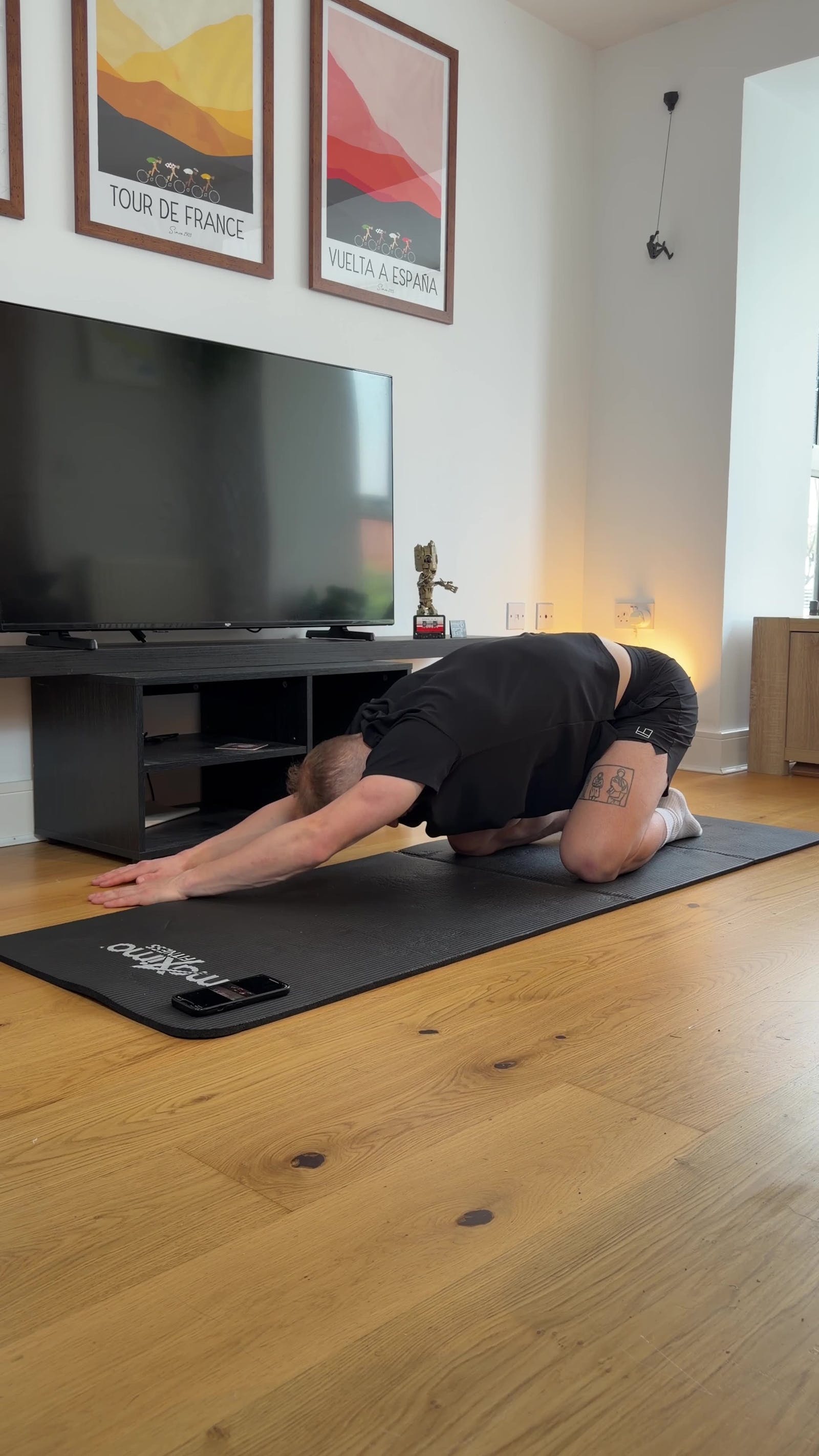
man exercising - Types of DOMS

Matching recovery to how sore you are is the most practical thing you can do — and almost nobody does it. The default approach — picking a tip from a list no matter how sore you are — is exactly why most recovery advice feels useless by Wednesday.

"The biggest mistake in recovery isn't doing the wrong thing — it's doing the right thing for the wrong level of soreness."

💡 Tip: Before reaching for any recovery method, always assess your soreness level first. What works for mild DOMS can make severe DOMS significantly worse.

Soreness Level

What It Feels Like

Best Recovery Approach

Mild

Slight stiffness, barely noticeable

Light movement, stretching, hydration

Moderate

Tender to touch, limits range of motion

Active recovery, foam rolling, protein intake

Severe

Pain during basic movement, swelling

Full rest, ice therapy, and medical attention if needed

⚠️ Warning: Pushing through severe DOMS with intense exercise is one of the most common — and most damaging — mistakes athletes make. Rest is not weakness; it's a critical part of the recovery process.

Mild soreness, keep moving, but with intention

Mild soreness is a good sign, not a reason to stop. The recovery goal is to get blood flowing and keep tissues hydrated, not to repair them. Light movement—a brisk walk, a low-intensity bike ride, or a targeted mobility session—keeps blood flowing to the affected tissue without adding mechanical stress to muscle fibers as they adapt. Soreness typically fades within 24 to 36 hours.

The failure point is doing too much because you feel fine. Mild soreness has limits, and the fastest way through it is to train smarter, not harder. One short, targeted mobility routine focused on the affected muscle group suffices.

Moderate soreness recovery becomes the workout

When soreness reduces your range of motion or slows you on stairs, recovery shifts from maintenance to active restoration. Most people either push too hard or do nothing at all; neither is optimal. According to a SportRxiv systematic review and meta-analysis, compression garments worn for 24 hours after eccentric exercise reduced muscle soreness by up to 30% in athletes, making them one of the few passive interventions with a measurable effect at this severity level.

How do you restore movement quality without eliminating soreness entirely?

The goal is to reduce discomfort enough to restore movement quality, not eliminate soreness entirely. Targeted stretching and breathwork applied to restricted movement patterns can meaningfully improve range of motion within a single session. A structured app like Pliability routes you to expert-led routines matched to the muscle groups involved, so your work addresses the actual problem. Expect functional restoration within 48 to 72 hours, with training resuming at reduced intensity before full capacity returns.

Severe soreness, rest is the active choice

Severe soreness—the kind that makes lowering yourself into a chair feel like a negotiation—requires tissue protection, not performance optimization. According to the SportRxiv meta-analysis, cold water immersion at 10 to 15 degrees Celsius for 10 to 15 minutes reduces DOMS by approximately 20% compared to passive recovery, making it one of the better-supported interventions for this severity. Gentle movement like walking is appropriate; returning to the gym for any version of the workout that caused this is not.

When it is not DOMS at all

Sharp, localized pain that doesn't follow the 24–72-hour onset pattern is a warning sign that normal DOMS advice no longer applies. Pain that worsens with rest, swelling concentrated in a joint rather than a muscle belly, or neurological symptoms like tingling or numbness also warrant caution. These indicate structural injury, not adaptation, and treating them with mobility work or light exercise can cause harm. Seek professional evaluation instead.

How do you know which recovery strategy is right for you?

The best recovery strategy depends on why you are sore, which part of your body is involved, and what your body needs at that moment.

Knowing the framework is one thing; turning it into a repeatable daily habit is where most people give up.

Turn Your Recovery Knowledge Into a Structured, Replicable Plan

Building a repeatable recovery habit is where understanding becomes results. Knowing that mild soreness calls for movement and moderate soreness demands structured support is useful only if you act on it consistently. The gap between knowing and doing is where most progress stalls.

That gap is exactly what Pliability is built to close. Rather than guessing which routine fits your level of soreness, our mobility app matches guided mobility sessions to how your body feels and performs. Set up a personalized program in under five minutes, then follow structured recovery routines that restore range of motion, reduce stiffness, and keep you training without accumulating damage. Start your 7-day free trial and turn what you know about DOMS into a daily practice that compounds over time.

Related Reading

  • How Often Should You Do Contrast Therapy

  • Best Recovery Methods For Athletes

  • Ice Bath Vs Contrast Therapy

  • Does Protein Help With Muscle Soreness

  • Should You Workout With Doms

  • Benefits Of Contrast Therapy

  • How Long Does Doms Last

  • Workout Recovery Tips

  • Does Drinking Water Help With Sore Muscles

  • What Are Doms In Weightlifting

Related Reading

Trusted by 1,000+ Athletes Worldwide

Join thousands worldwide already moving with pliability.

#1 MOBILITY APP

10,000+

5 STAR

REVIEWS

First Week Free. Cancel Anytime.

Trusted by 1,000+ Athletes Worldwide

Join thousands worldwide already moving with pliability.

#1 MOBILITY APP

10,000+

5 STAR

REVIEWS

First Week Free. Cancel Anytime.

Trusted by 1,000+ Athletes Worldwide

Join thousands worldwide already moving with pliability.

#1 MOBILITY APP

10,000+

5 STAR

REVIEWS

First Week Free. Cancel Anytime.

Trusted by 1,000+ Athletes Worldwide

Join thousands worldwide already moving with pliability.

#1 MOBILITY APP

10,000+

5 STAR

REVIEWS

First Week Free. Cancel Anytime.

Move better in 10 minutes a day.
10,000+ five-star reviews.