


LEARN
pliability

Some folks ignore warming up before exercise, treating it like an unimportant chore or tedious task that gets in the way of their real workout. They just want to get right to the fun stuff: the lifting, running, or cycling. But if you feel this way, you might change your tune if you knew that warming up can boost your performance, help you avoid injuries, and get you energized and ready to move with confidence from the very first rep. If you’ve ever wondered how to warm up before lifting effectively, this article will answer that question and offer valuable insights to address your goals.
what does it mean to warm up before exercising?

To understand what a warm-up is, think of it as a small exercise session with light cardiovascular exercises to help prepare you for the intense physical activity that is to come. Although the session consists only of light exercises, dynamic moves, and stretches, its importance should not be underestimated. It will help prepare you both physically and mentally for the intense activities that follow.
The warm-up is one of the most important parts of a workout, because it sets the tone both physically and mentally for what’s to come. Taking the extra time to prime your body for exercise properly can improve your chances of an effective, safe, and more enjoyable workout.
why do we skip warming up?
So why do a lot of us neglect this crucial step? For many of us, it comes down to time: warming up feels like it will eat into the workout itself.
In most cases, though, you only need 5–10 minutes max for a quality warm-up, and slotting in that brief window does not take anything away from your workout. If anything, it makes the workout that follows more targeted and more effective.
what does a good warm-up look like?
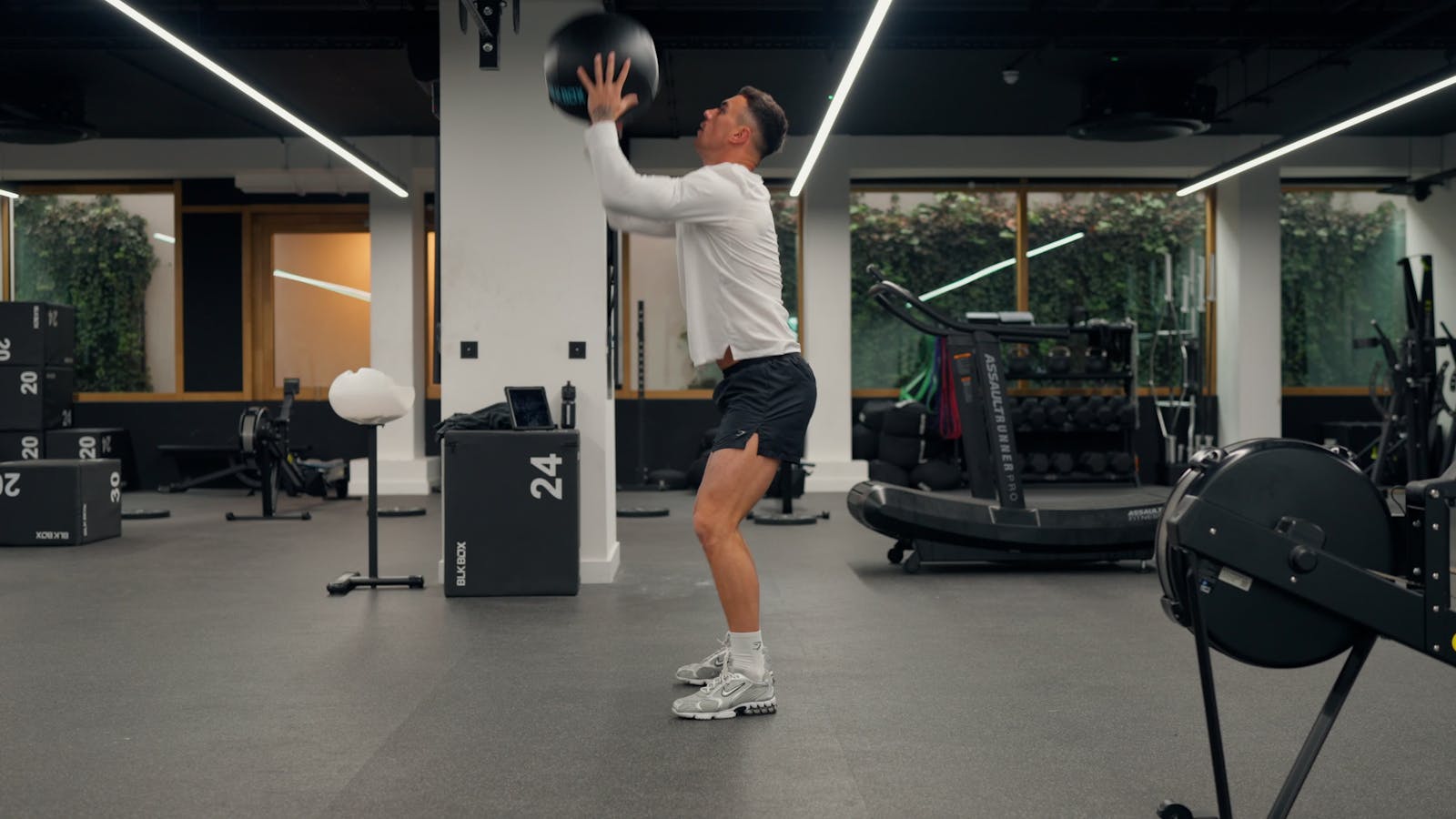
As for what makes a good warm-up, well, that depends on several factors, including your fitness level as well as the length, intensity, and type of workout you’re planning to do. But as a general rule of thumb, a successful warm-up will activate the muscles you’re planning to use in your workout, dial you in mentally, and get your heart rate going, loosen areas of your body that are especially tight, and fire up your core (which plays a vital role in many of the exercises you do in your routine, even those that aren’t “core exercises”). A good warm-up should also feel about 25–50% as intense as your main workout: in other words, it’s pretty gentle.
types of warm-up exercises
The best way to warm up will depend upon your physical condition, your chosen activity, and other factors. Your warmup may be active or passive. Many warm-up routines also include stretching, which can be dynamic or static.
Active Warmups
The most common warm-up exercises are those that involve physical activity. Researchers have found that active warmups improve performance as long as they are not too intense.
An appropriate warmup can improve the way the body uses oxygen without depleting its energy stores. Often, experts advise following a general aerobic-type warmup with a sports-specific one.
Passive Warmups
In passive warmups, your body temperature increases through some external means, such as a hot bath or sauna. This method achieves many of the same results as active warmups without causing fatigue.
It does not, however, provide all the benefits of an active warmup. A passive warmup is sometimes used to maintain body temperature between an active warmup and an athletic performance.
Static Stretching
Static stretching, achieved by holding a position for 30 to 90 seconds, was once a part of most warm-up routines. Then, researchers found that static stretching can harm performance.
Today, brief static stretches may be used to loosen a joint, but experts suggest that they are more appropriate after a workout, rather than before. Bouncing during a stretch, also called ballistic stretching, has fallen out of favor as it can cause injuries.
Dynamic Stretching
Dynamic stretching involves moving the body in a way that mimics the coming activity. For example, runners often use walking lunges to warm up before a race. Swimmers are more likely to use shoulder rolls and arm circles. Dynamic stretches are repeated 10-12 times without bouncing.
Note: While you may equate “stretching” with warm-ups and pre-workout preparation, it's not exactly that simple. Effective warm-ups generally emphasize dynamic stretches over static stretches, such as exercises where you're moving throughout rather than those in which you hold a pose, to help warm up your muscles and gradually raise your heart rate.
Now that you have an idea of how to warm up, let’s dig more into why warming up is worth your while.
what are the benefits associated with warming up before exercise?

1. injury prevention: avoid the setback and get ahead of your goals
One of the most outstanding benefits of warming up before exercise is that it helps lower your risk of injury. That’s because a warm-up triggers specific physiological responses, including:
Increased blood flow
Respiration
Heart rate
Increased blood flow to your tissues, along with the heat your muscles generate as they contract, combines to make your tendons and connective tissues more resilient to the loads your body will face during the most intense portions of your workout.
Physiological Benefits of Warming Up
Warming up helps your body gradually adapt to movements at greater intensity, allowing you to perform better and more safely as the workout progresses, according to the American Council on Exercise. Specific warm-up techniques, including:
Stretching
Strengthening
Balance work
Agility drills
It can help athletes reduce their risk of lower-body injury. Like we mentioned, a good warm-up also activates all the muscles you're planning to use in your workout.
And when all the key players are fired up, that means you're more likely to recruit the right muscles for any given exercise and less likely to overuse the wrong ones. For example, by warming up your glutes, quads, and hamstrings before a squat-centric workout, you’ll be more apt actually to engage these muscles when you’re squatting, instead of putting undue stress on, say, your lower back.
2. improved performance: get the most out of your workout
In the same way that warming up before exercise can reduce your risk of injury, it can also make your workout that much more effective. A good warm-up heats up the fluids that surround your joints.
When these fluids are warmed, they become less thick and sticky, thus allowing you to move better (while also reducing your chances of injury, like we mentioned). A good warm-up also activates your muscles, allowing them to work better together as a team.
The result: You’ll move more easily and with proper form, thus upping your chances of an excellent workout that gets you closer to your exercise goals. Research reviewing dozens of studies has found that a pre-workout warm-up tends to improve performance across activities including running, swimming, and cycling.
Like we mentioned, if you want to get the best results from your pre-workout warm-up, it’s essential to include movements that target the same muscle groups you’re planning to use in your workout. For instance, if you’re lacing up for a run, doing a warm-up that includes squats would be a better choice than one focused on, say, sets of band pulls.
3. enhanced muscle flexibility: get loose for your workout
As mentioned earlier, warm-up improves the circulation of blood through your body, which means that your tissues get an increased flow of blood. Consequently, your tissues become more flexible and, in turn, less susceptible to tears or strains. Oxygen and nutrients are delivered to all the working muscles, enabling them to perform their best.
4. boosted coordination: command your muscles before exercise
When the nervous system is prepared, it communicates better with muscles. A dynamic warm-up, which includes moves like lunges, slow mountain climbers, and plank position, is especially effective in stimulating the central nervous system.
When the nerve-to-muscle pathways communicate clearly, the body tends to respond with quicker reaction times and swifter movements. The benefit of warming up before exercise can improve exercise performance and enable taking on more challenging workouts as well.
5. hormonal regulation: get your body ready for action
The production of various hormones responsible for regulating the energy level in the body increases during a warm-up. This balance of hormones helps to make more carbohydrates and fatty acids available for energy production. Warming up before exercise helps improve hormonal balance and boost metabolism.
6. time efficiency: get to your workout faster
Warming up before you sweat will not only make your workout more effective, but it’ll also save you time. How’s that, you ask? Doesn’t a warm-up add time to your workout? Well, on the surface, adding a five-minute warm-up will make your workout five minutes longer. But it’ll also save time during your workout, since you’ll be ready to go once the warm-up ends and the actual workout begins.
That’s because a good warm-up activates not only your muscles, but also fires up your entire neuromuscular system, explains Scantlebury. So when you get started with your actual workout, your body is ready to perform the task at hand at the effort you’re looking for, meaning you won’t waste reps or sets trying to get in the groove. “It makes your workout that much more efficient,” says Scantlebury.
7. increased mental focus: get in the zone for your workout
Between pandemic stress and global unrest, most of us have a lot on our minds these days. And unless we’re mindful, we can easily bring that frenetic energy into our workout.
A warm-up, by contrast, can help us intentionally shift into a different mindset before exercising, allowing us to be fully engaged in our movements. And having the right headspace for exercise can help us master our mind-muscle connection.
Enhancing Warm-ups with Mind-Muscle Connection
Mind-muscle connection is the notion that you can help your muscles work more efficiently during a workout just by thinking about the ones you are activating as you move. For example, if you have a solid mind-muscle connection when you’re planking, make sure that you’re activating your entire core, rather than putting too much stress on, say, your shoulders or low back.
To make sure your warm-up activates your brain and not just your body, spend a few moments of your warm-up doing deep breathing and visualizing what movements you’re about to do in your workout. For instance, if you’re about to go to a yoga class, you can imagine yourself unfurling your mat, flowing through a series of poses, and ending class in a peaceful state. This mental component of warming up may sound simple, but it can go a long way in helping you get into the best headspace for a stellar workout. Warming up allows your mind and body to form a deeper connection during your workout.
8. enhanced enjoyment: get more from your workouts
As we mentioned, one of the great benefits of warm-ups is that they can help you get into the right headspace for an effective workout. And when that happens, you’re more apt to simply enjoy your sweat session (rather than, say, spend your entire workout stewing about my tenth Zoom meeting of the day, or stressing about tomorrow’s deadline).
Your workout is more pleasant when you gradually ramp up the intensity with a good warm-up, rather than, say, running 400-meter repeats cold, in which case you’d probably feel pretty awful and want to stop immediately. Having a positive workout experience will then make you more likely to break a sweat again, which is essential if your goal is to exercise for the long haul.
10 warmup exercises to help boost your workout

1. squats: the lower body all-star
Squats are a versatile exercise that targets many of the muscles in your lower body, including your quads, hamstrings, and glutes. You can make the first few squats easier by going down halfway. Then, you can slowly increase the difficulty so the last few repetitions are full squats. Once you’ve warmed up, you can up the intensity by holding weights when you do your squats.
2. planks: the core crusher
Planks are an excellent warmup for building core and back strength, as well as improving balance and posture. Once you’ve warmed up, you can challenge yourself with variations such as the forearm plank and side plank.
3. side lunges: the inner and outer thigh slimmer
This exercise targets your lower body and helps strengthen your legs, glutes, and hips. You can make the first few lunges easier by only going halfway down, and then progress to the full lunge. After you’ve warmed up, you can increase the difficulty by doing a set using dumbbells or opposite-hand reaches.
4. pushups: the upper body builder
This classic exercise works your upper body, core, and glutes. To make it less challenging, you can do pushups on your knees. Once you’ve warmed up, you can increase the difficulty by pausing in the lower position for a few seconds. T
5. triceps warmup: the arm prep
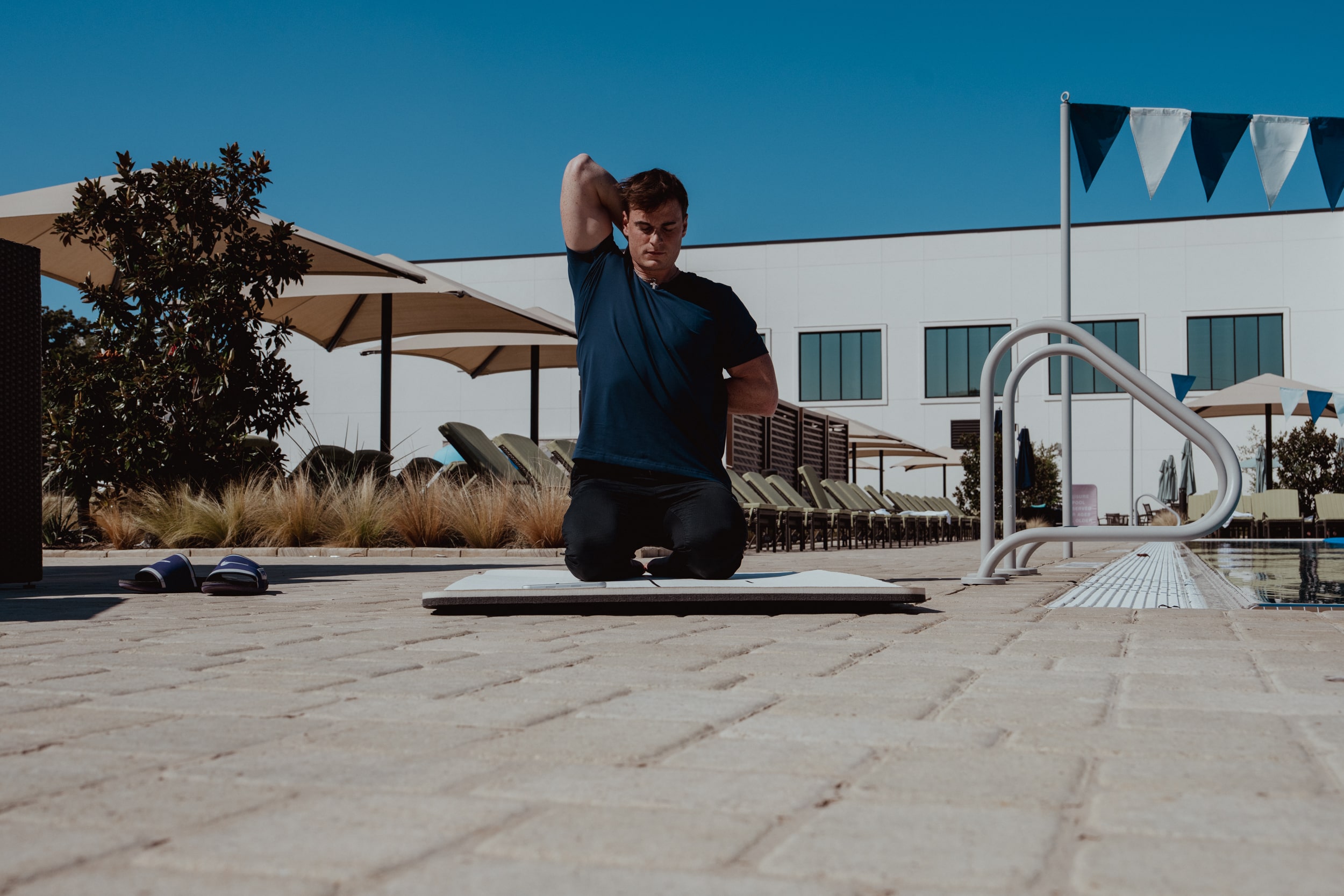
This exercise involves several movements that can help loosen and warm up your triceps. To do a triceps warmup: Extend your arms out to the sides so they’re parallel to the floor, keeping your palms facing down. Keep your arms straight and rotate them in backward circles.
After 20 to 30 seconds, rotate your arms in forward circles. After 20 to 30 seconds, turn your palms to face forward and pulse your arms back and forth. After 20 to 30 seconds, repeat the pulsing movement with your palms facing backward, up, and down. Do 1 to 3 sets of these movements.
6. jogging leg lifts: the cardio activator
Jogging leg lifts can help get your heart pumping and improve circulation throughout your body. Depending on the space you have available, you can jog in place or run back and forth.
Do each segment of this exercise for 30 seconds to 1 minute. You can reduce the intensity of this exercise by doing it at a walking pace.
7. leg swings: the hip loosener
Stand near a support for balance. Swing one leg backwards and forwards, extending the range of motion progressively. Switch legs and repeat. Perform 10 swings on each leg.
8. arm circles: the shoulder loosener
Stand with feet shoulder-width apart, arms extended to the sides. Next, make little circles with your arms, enlarging them over time. After 15 seconds, reverse the direction. Repeat for 30 seconds.
9. high knees: the heart-rate riser
Stand with feet hip-width apart. Raise one knee towards your chest while hopping on the opposite foot. Alternate quickly, aiming for high knee lifts. Perform for 1-2 minutes.
10. wrist rolls: the wrist loosener
Raise your arms at shoulder height in front of you. Form fists and rotate your wrists in a circular motion, clockwise, then counterclockwise. Perform the motion for 20 seconds in each direction.
build a warmup that actually prepares you

pliability’s Daily Sessions give you guided, dynamic warmup routines built around real movements, not random stretches, so you show up ready for whatever workout is next. Take the mobility assessment to find your tightest areas, then follow a personalized Path or use Build Your Program to build a warmup that targets exactly the muscles your workout needs.
Start a 7-day free trial today on iPhone, iPad, Android, or the web, and see how a few minutes of guided warmup work can change the rest of your session.
Related Reading








Move better in 10 minutes a day.
10,000+ five-star reviews.