


LEARN
pliability

You arrive at the gym, ready to crush a new workout. You want to perform your best and avoid injury, but you can't quite remember what to do first: stretch or warm up? While many people use these terms interchangeably, they are not the same. In this article, we'll explore the differences between stretching and warming up and help you identify how each can help you prepare your body for exercise and how to warm up before lifting. With the proper knowledge and approach, you can confidently boost performance, prevent injury, and support long-term fitness success.
is stretching the same as warming up?

A good stretch before an activity is often treated as a warm-up, but the two terms mean very different things. Stretching helps your muscles and connective tissue, like tendons, increase flexibility. Proper stretching helps elongate your muscles and increases your range of motion, which can help prevent injury, especially as you age. But it is not a dynamic warm-up for athletics or before exercise activity.
A warm-up, on the other hand, gets your body prepared for the activity about to take place. It gets your heart pumping blood to your muscles, gradually increases your breathing toward the rate you'll be exercising at, and gets your body's systems ready to go.
the importance of warm-ups before stretching
Warm-ups are also recommended before static stretching takes place. A helpful analogy is starting a car in winter. When you warm up a car and give it a little time before accelerating too fast, all the critical parts get ready for action. It helps avoid unnecessary strain on the engine and moving parts, and can help that car have a healthier life, or at least delay the need for repairs. You shouldn't go instantly from 0 to 100, in a car or in your workout.
the ongoing debate on warm-up and stretching efficacy
What does science say? In recent years, some consumer magazines and newspaper stories have pointed to a lack of evidence showing that stretching or warm-ups decrease injury rates. The more likely reason is the limited amount of good research available, not that warm-ups don't matter. For every study finding no benefit, you can find a different study showing one. What we do know is what shows up consistently in practice: whether it's a senior citizen on a treadmill or an Olympic athlete in competition, the body needs to be properly prepared for strenuous activity to get the most out of it. Larger, evidence-based studies are underway that should offer clearer answers.
benefits of warm-ups for muscle activation and performance
A study in the Journal of Sports Science and Medicine, for example, found that low- to moderate-intensity lower-body warm-ups helped athletes activate 5.9 to 8.5 percent more of the muscle fibers in their quadriceps, boosting performance.
Other research suggests warm-ups also let people start activity with higher levels of oxygen, which can improve performance in both short- and long-duration exercise, and may help muscles contract more fully once the workout begins.
stretching vs warming up: breakdown for a smarter fitness routine

Stretching and warming up serve distinct purposes. With a general warm-up, the main objectives are to raise core temperature and increase blood flow to the working muscles, whereas the aim of stretching is to increase flexibility and joint range of motion.
stretching: what does it do?
Stretching is highly beneficial for numerous reasons, the most important of which is preventing injuries.
Goals
The primary goals of stretching are:
Elongating and loosening muscle fibers
Aiding flexibility in muscles and joints
Decreasing delayed onset muscle soreness
Preventing possible injury, such as muscle strain
Improving body posture during workouts
Improved blood flow and circulation
When Should You Do It?
The science is murky on when you should stretch your muscles. While stretching warmed-up muscles is generally considered safer than stretching cold muscles, some people choose to do it after they have warmed up. Others prefer to do it before and after a warmup. That depends on the type of stretching you're using. The two primary types of stretching are:
Static
Dynamic
Static stretching entails stretching a muscle and holding it in a stretched position for a predetermined amount of time, while dynamic stretching includes motion while you're stretching. That's why there are so many stretching exercises out there. In general, it's safer and more beneficial to stretch after a warmup as opposed to before one.
What are the Basic Exercises?
Since stretching includes both static and dynamic options, the number of basic exercises is massive. Some of the most common stretching exercises are:
Hamstring stretching
Quadriceps and hip flexor stretch
Calf stretching
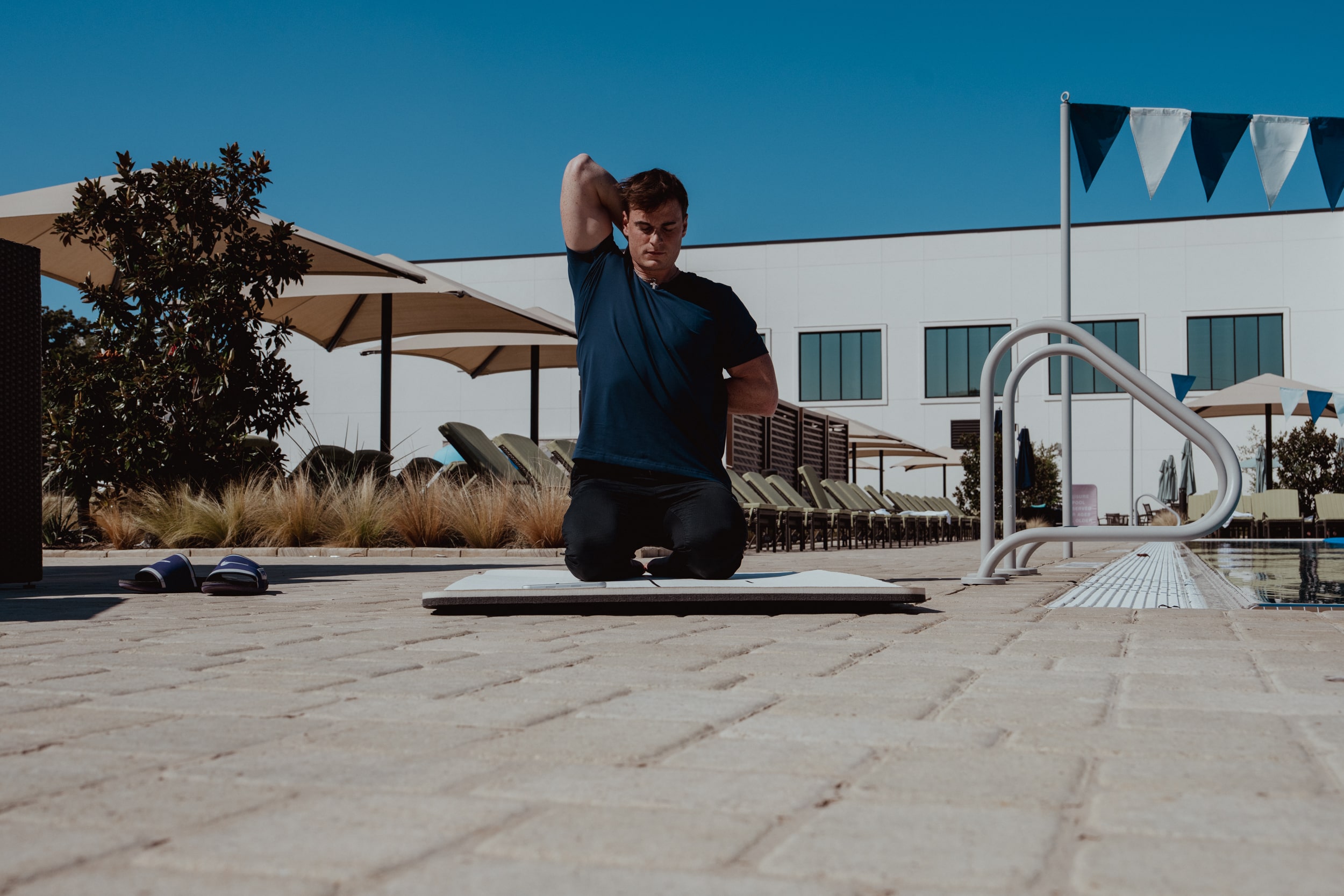
Shoulder stretching
Trapezius stretching
Triceps stretching
Lower and upper back stretching
Some people use stretching rods and even towels to fix the necessary muscles in place while they stretch the others.
What are the Benefits of Stretching?
The main benefit of stretching is increased flexibility. That matters especially around the hamstrings: tight hamstrings are linked to back pain, something a large share of people deal with at some point, especially if you spend hours seated at a desk every day.
Stretching lets muscles elongate and loosen up, improving flexibility, which in turn helps prevent injury. If you have a tight muscle, another muscle can end up working harder to compensate for the tightness, and that muscle imbalance is a common source of pulled muscles and other strains. Flexibility can also help ease some of the soreness you may feel after a challenging workout.
warming up: what does it do?
Warming up is far different than stretching. It's the notion of warming up the muscles, and it's usually done before stretching. It serves an integral role in any physical activity, preparing the body for aerobic and anaerobic training alike.
Goals
The primary goals of warming up are:
Improving circulation and blood flow
Elevating muscle and core temperature
Preparing the body for activity
Lessening the stress on tendons and joints
Dispersing the stress evenly
Improving performance and reducing the chance of injury
When Should You Do It?
In general, it's safer and better to warm up before you stretch. While some people prefer to stretch tense muscles, it's not nearly as safe and beneficial as warming them up first. Some people combine stretching and warmups, saving time and streamlining the process.
What are the Basic Exercises?
There are no preset basic exercises for warmups. The best warm-up is one that effectively mirrors your workout. Reflecting your workout as closely as possible ensures you're warming up the right muscles for the exercise ahead. Doing this reduces the chance of injury, but it won't prevent it entirely.
Warming up for your workout will enable you to perform more repetitions, use heavier weights, and maintain good form. It prepares your muscles for both anaerobic and aerobic activity, allowing you to perform better. Injury can still happen, but it's far less likely to occur if you've properly warmed up for your exercise.
what are the benefits of warming up?
A warm-up is intended to get your whole body ready for training. Your heart rate should increase, stimulating more blood and oxygen supply to your muscles. It also raises your body temperature, allowing your muscles, ligaments, and tendons to work with more ease, adequately preparing them for more strenuous exercise.
Muscles
Ligaments
Tendons
Raising blood flow to the muscle this way decreases tightness and reduces the risk of injury, while improving range of motion so the exercise can be performed to its full potential.
The most effective warm-up is specific to the work you're about to do. For example, if you plan to work on your squats, start with air squats as a warm-up. This way, you're preparing your body for the exercises ahead by using the same muscles and body parts. You'll likely find that when you do add weight, it's easier because your body is already ready for it. A thorough, specific warm-up meaningfully increases the odds of a great workout.
can stretching ever count as a warmup?
There are two main types of stretching:
Static
Dynamic
Dynamic Stretching
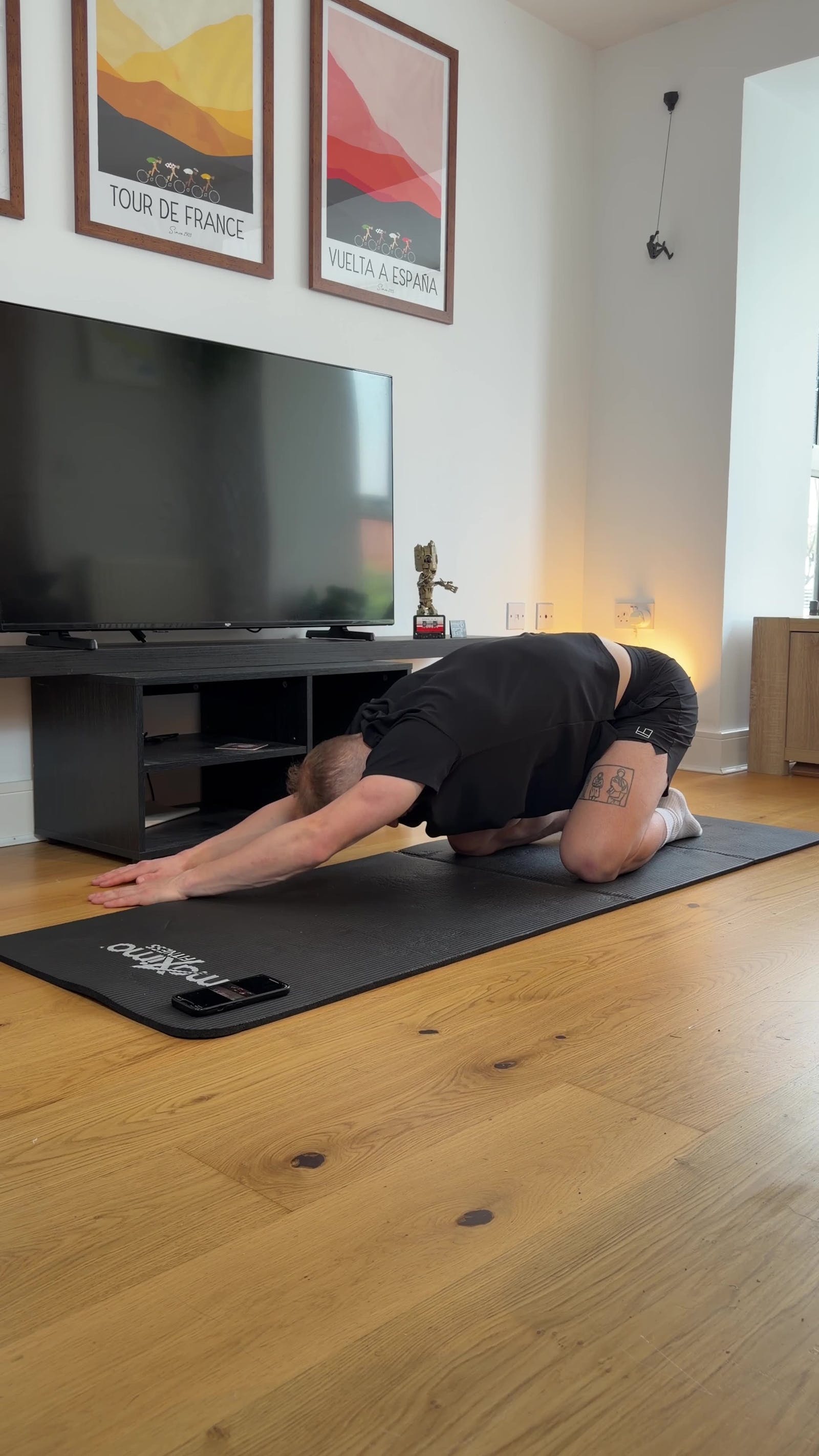
Dynamic stretching involves moving as you stretch: a series of movements designed to prepare the muscles and joints for performance while improving range of motion. For example, a twisting lunge is a dynamic stretch. This type of moving stretch can serve as an adequate warm-up.
Static Stretching
Static stretching, not generally recommended as a warm-up, is the opposite of dynamic stretching. It involves holding a stretch for ten seconds or more and requires little movement beyond that one stretch. This is your standard, well-known stretching. For example, a standing toe-touch is a static stretch. Dynamic stretches have a place in a warm-up; static stretching does not, since there's a time and a place for it, and right before a workout isn't that time.
do we need to warm up and stretch before every workout?
Warming up is essential before every workout, including before stretching. Stretching is the lengthening of your muscles, and it's best done after a workout, or at least after a warmup or dynamic stretch. Warm the muscles and get the blood flowing to those areas first, before trying to stretch them. Stretching cold muscles that haven't been warmed up first can lead to injury.
warm up and stretch with a plan, not guesswork
Knowing the difference between stretching and warming up is only useful if you actually build both into your routine. pliability's guided Daily Sessions walk you through a proper warm-up and stretch for whatever you're about to do, so you're not guessing at order or exercises. Take the mobility assessment to see where your own range of motion and control need the most work, then follow a personalized Path built around it, or use Build Your Program to put together a routine around your specific sport or lifts.
Sign up today for a 7-day free trial on iPhone, iPad, Android, or the web, and take the guesswork out of how you prepare for every workout.
Related Reading








Move better in 10 minutes a day.
10,000+ five-star reviews.