


LEARN
pliability
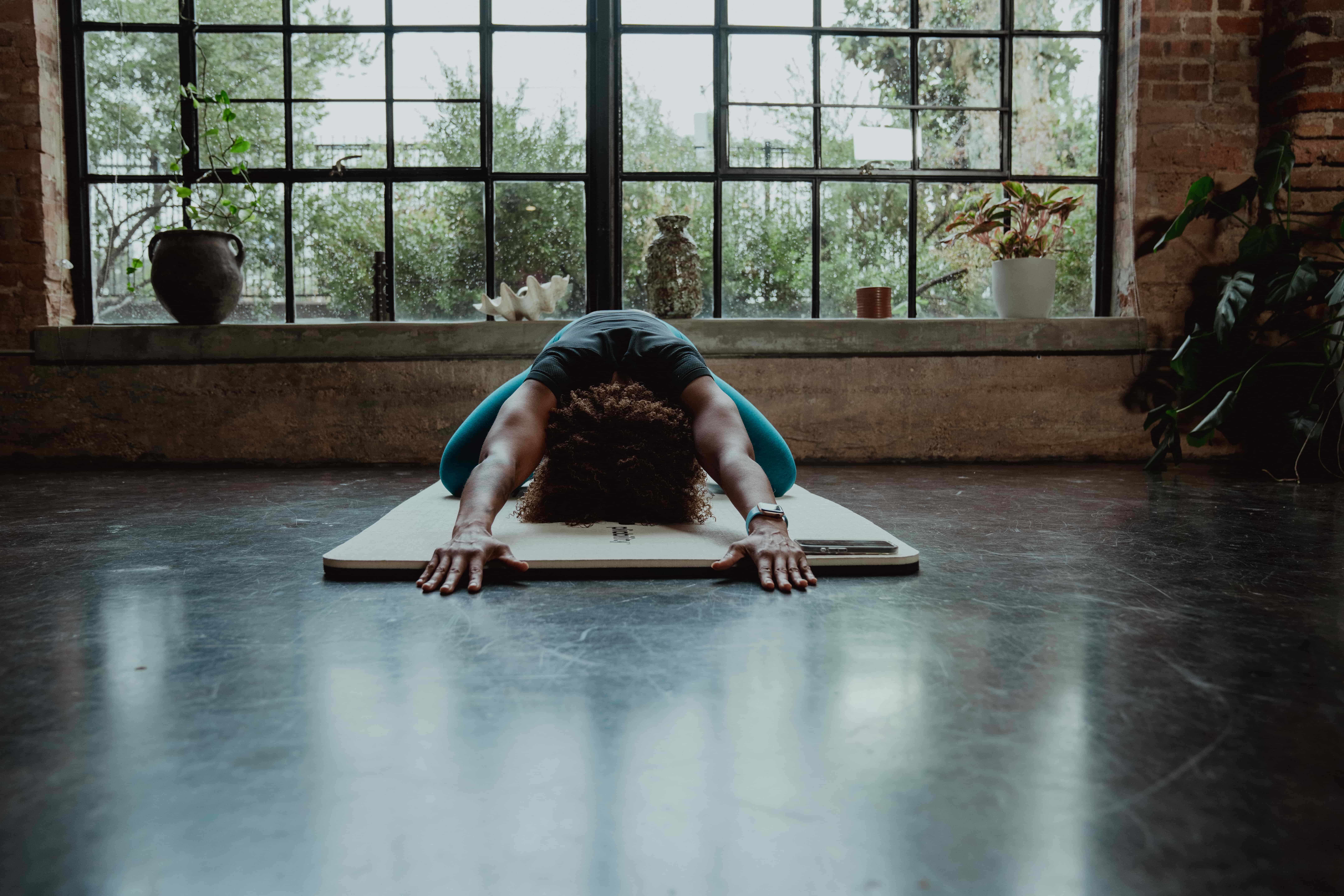
When it comes to improving mobility, stretching before or after workouts gets a lot of attention. If you've ever felt stiff and tight before a workout or suffered an injury that kept you from achieving your fitness goals, you know how important it is to stretch. But how do you know if you should stretch before or after your workout?
In this guide, we'll explore the role of stretching in mobility training, how it can help you recover from injuries and improve performance, and provide a simple guide to help you determine whether to stretch before or after your next workout.
why is stretching important?

Flexibility defines the ability of muscles, tendons, ligaments, and other tissues to lengthen and allow joints to move through their full range of motion. Stretching improves flexibility and range of motion, making it easier to perform everyday activities and reducing the risk of injury.
Both static and dynamic stretches can enhance flexibility, but static stretching tends to offer the most long-term benefit.
stretching, mobility, injury prevention, and athletic performance
Stretching helps prepare the body for activity by enhancing mobility and reducing the risk of injury. Improved flexibility and range of motion allow the body to better distribute forces encountered during movement, minimizing the risk of:
Strains
Sprains
Dynamic stretching before exercise can also enhance athletic performance, improving outcomes for both:
Elite
Recreational athletes.
the importance of stretching for relaxation
Stretching can help reduce stress and promote relaxation. As we go about our busy lives, muscle tension can:
Build
Contribute to stress
Tension Relief
Stretching helps alleviate tension that builds in the muscles:
Promoting relaxation
Easing stress
Pairing stretches with slow, deep breathing can enhance this effect.
is it better to stretch before or after a workout?

Before a workout, steer clear of static stretching. Doing so when your muscles are cold could lead to injury, and taking part in static stretching before a workout can also negatively affect your performance.
Research backs this up: static stretching as part of a warm-up immediately prior to exercise has been shown to hurt strength and performance in movements like running and jumping, a pattern researchers call stretch-induced strength loss. The exact mechanism behind it is still unclear.
stretching controversy
Other research suggests the impact of static stretching pre-workout may depend on the type of exercise. Short-duration static stretching may benefit recreational activity thanks to its positive effect on flexibility and injury prevention.
athlete caution
That same research suggests it's a poor choice for high-performance athletes, given the negative effects on:
Strength
Power performance
That said, mobility or dynamic exercises before a strength workout remain a good idea. The goal is to get blood to the muscles and prepare them for the movements they're about to execute. Good options include hip circles, a thoracic spine opener, and scapular protraction and retraction drills.
cardio prep
Trying out dynamic moves before a cardio session, like an interval run or cycling class, can also help with muscle activation and range of motion.
That's because this type of stretching gradually increases blood flow and body temperature. It increases:
Circulation
Motion
Muscle length
skip the stretch
Elongating your muscles and tendons increases your ability to execute an exercise safely and reduces the risk of injury or tearing during movement. An active warmup also primes your brain-body connection, which is handy for excelling in any workout.
While engaging in these dynamic stretches and exercises before a workout can be beneficial, they're not necessarily essential. So, if you're short on time and need to nix one stretching session from your routine, skip the pre-exercise stretch.
cardio warm-up
If you prefer to warm up with a few minutes of light cardio before a strength workout, that's also a great option. The most important thing is to listen to your body and respond accordingly.
stretching after a workout: what you should know
After a workout can be a great time to stretch since your muscles are already warm, this is when static stretching comes back into play, as you're more likely to reap the benefits. You'll be able to fall deeper into a stretch without stiffness or injury once you've finished sweating, which makes it the perfect opportunity to gradually build up range of motion and overall flexibility.
Post-Workout Stretch
Good examples of post-workout stretches include reaching forward in a straddle, a lying hamstring stretch, and a quad stretch performed on your stomach. Aim to hold each one for at least 15 to 20 seconds before releasing it.
Still, as with pre-workout warm-ups, there's some debate over how much post-exercise stretching actually mitigates soreness. One large systematic review didn't find conclusive evidence that stretching outperforms passive recovery, while other research suggests it can help reduce sore muscles. Since it's unlikely to cause harm, the choice to stretch after a workout often comes down to preference.
Stretching Preference
Ultimately, there's a lot of nuance around stretching type and timing. Whether it's right for you depends on several factors, from your fitness goals to your individual physical characteristics.
Static Stretches
You do not have to hit every muscle in one session, but you can aim to hit different muscle groups on different days after a workout for an overall balance. Static stretches worth rotating through include:
Quadriceps stretch
Posterior shoulder stretch
Triceps stretch
Cobra
Hamstring stretch
how to stretch before your workouts

Forget what you learned in elementary school. A pre-workout stretch doesn't mean reaching for your toes and holding that position. Instead, you want to be warming up for your workout by taking your joints through a relatively large, controlled range of motion, using dynamic stretches that raise your heart rate and move you through patterns in an active way.
At the end of these movements, like Spiderman lunges and thoracic rotations, you'll reach ranges of motion that stretch you into and out of tougher positions as you move.
ease in with foam rolling first
One common mistake is diving straight into a stretch session the moment you've laced up your shoes. Think of tight muscles and joints like cold Play-Doh: you have to work them a little before they soften up. Foam rolling first warms up the tissue and makes it more malleable, so it's more receptive to stretching once you get to it.
avoid over-stretching
Once you've started stretching, don't over-stretch. Older coaching advice sometimes pushed athletes to get "ballistic" with stretches, bouncing at the end of their range. Ranges beyond your limits can instead result in strains and injuries, especially while you're still warming up.
Avoid Overdoing
Just like when you're picking up a barbell, drop your ego when you start stretching. Your range of motion in each position is your own, not a predetermined mark like touching your toes no matter what. Move until you feel a good stretch in the position, but not so far that you start to feel pain.
stretching lengthens muscles
To move properly during exercise, your muscles and joints need a certain amount of length and tension available to them. Without enough length, your body will find a way to compensate by recruiting another muscle or joint, even if it hurts to do so.
For example, if you do a walking knee hug during a warmup without having stretched your hip first, your back will compensate: your low back will wrench to help lift your knee, and your upper back will round to bring your chest toward it.
Hip Flexibility
Stretching the hip before this type of movement reminds your muscles of the length they need, so the hip does the moving instead of the back. The same logic applies to bigger, heavier moves with a greater chance of causing pain: tight hip flexors paired with an anteriorly tilted pelvis raise your odds of low back pain once you start squatting. Spending time beforehand restoring length in the hip flexors, abdominals, and hamstrings tends to make the movement that follows work better, and warmed-up, properly stretched muscles can even let you lift more.
stretching provides instant feedback that can improve your workout
When you stretch before you lift or run, you get more than a warmup. You get real-time information about how you're feeling and moving that day. That's the underrated part of stretching: it builds awareness. Noticing that your chest feels unusually tight during a pre-lift stretch, for example, is useful information heading into a bench press.
This is what people mean when they say to listen to your body: the feedback that stretching provides can tell you when it's time to back off an exercise for the day, or when you're feeling good enough to chase a personal record.
stretching can help prevent long-term injury or dysfunction
Chronic problems like persistent low back pain or joint irritation are often the result of muscles gradually changing length over time. Think of the posture common in older adults who've become hunched forward over the decades: muscles on one side have gotten long, and muscles on the other side have gotten short.
Posture Preservation
Stretching works against this drift, though you won't safeguard your posture in a single session. Just as these changes happen gradually over years, consistent stretching helps keep muscles closer to their optimal length over that same timescale, lowering your odds of dealing with poor posture and the pain that comes with it later in life.
10 best warm-up stretches / pre-workout stretches
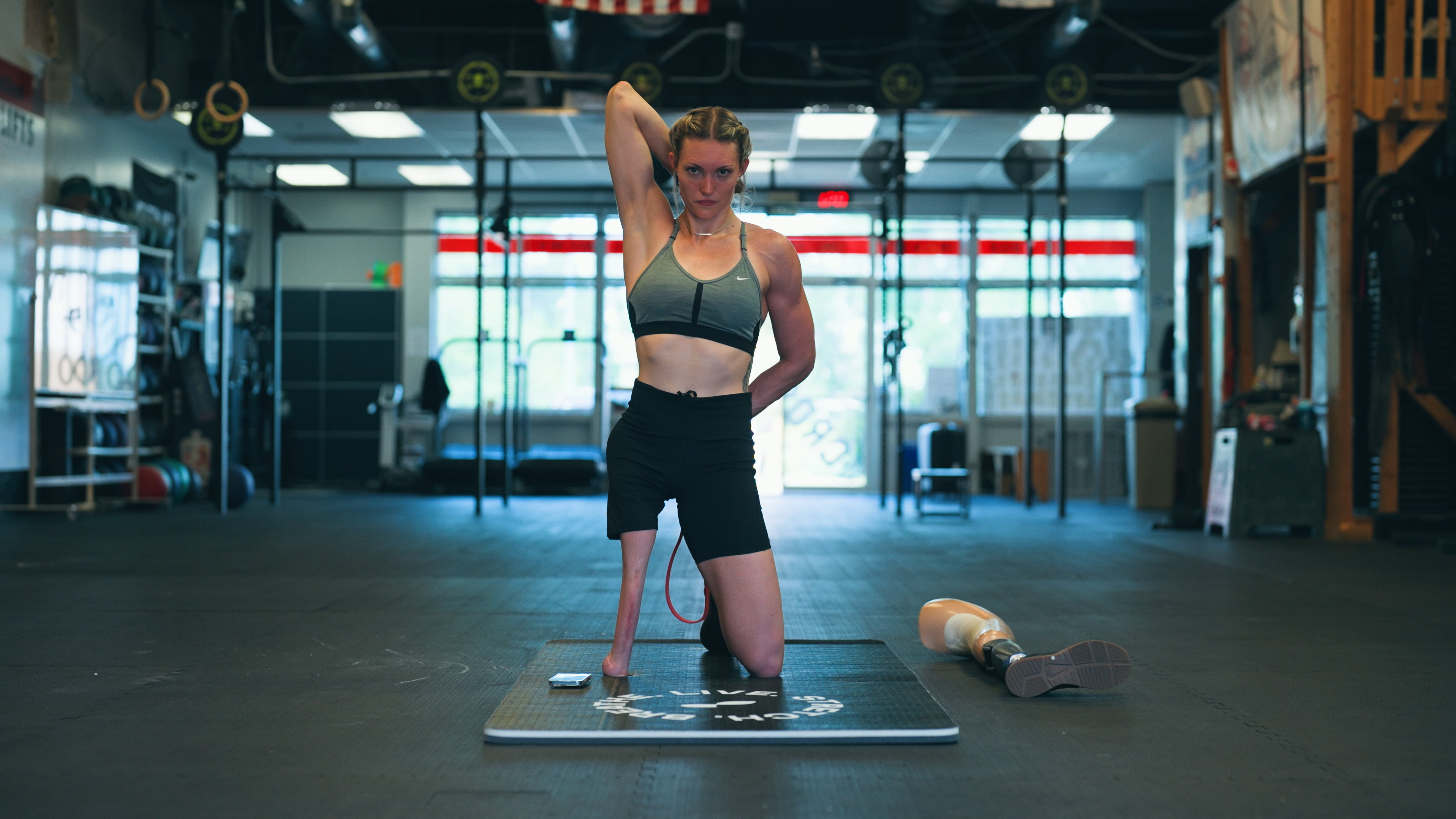
1. squats: an essential dynamic stretch for lower body mobility
Squats are a dynamic stretch that targets your lower body and core muscles. They help warm up the muscles used in many athletic movements, as well as improve mobility in your:
Hips
Knees
Ankles
To perform this dynamic stretch:
Stand with your feet shoulder-width apart and your toes pointed slightly outward.
Engage your core, bend your knees, and push your hips back as you squat down until your thighs are parallel to the ground.
Keep your chest up and hold your hands straight before you or clasp them together for support.
2. high knees: a dynamic stretch to boost your heart rate
High knees are a dynamic stretch that targets the hip flexors, quadriceps, hamstrings, and calves. This movement helps improve mobility and warm up the muscles used during running and other athletic activities. High knees also boost your heart rate, making them a great addition to any dynamic warm-up.
To perform high knees:
Stand with your feet hip-width apart.
Maintaining a straight posture, lift one knee to your chest, rapidly switching to your other leg.
If helpful, begin by jogging in place first.
Engage your core as you switch from leg to leg at a jogging or sprinting pace.
3. leg swings: an effective dynamic stretch for hip mobility
Leg swings are a dynamic stretch that targets the hip flexors, adductors, and abductors to improve mobility and prepare for athletic movements. This movement also helps improve balance and coordination. To perform leg swings:
Stand up straight and hold onto a wall or other stable surface for support.
Keeping your hips aligned, swing one leg forward and backward in a single smooth movement.
Switch sides and repeat to complete the set (10 swings per leg).
It's helpful to start with light leg swings first and gradually extend your range of motion throughout the stretch.
4. lunges: a dynamic stretch to improve flexibility and strength
Lunges are a dynamic stretch that improves flexibility and strength in the hips, glutes, quads, hamstrings, and calves. They also prepare the body for the demands of athletic activity and improve balance and coordination. To perform lunges:
Start standing up straight.
Engage your core and take a big step forward with your right leg, shifting your weight so your heel lands first.
Then, lower your body until your right thigh is parallel to the floor and your right shin is vertical.
Press into your right heel to drive yourself back to the starting position.
Repeat for the left leg.
5. plank walk-outs: a dynamic stretch for full body mobility
Plank walk-outs are a dynamic stretch that targets multiple muscle groups throughout the body, including the shoulders, chest, core, hip flexors, quads, and hamstrings. This movement improves flexibility and mobility throughout the body, helping prepare you for various workouts. To perform plank walk-outs:
Begin in a standing position with your feet hip-width apart.
Bending from your hips, place your hands flat on the floor before your feet.
Shift your weight onto your hands and walk forward until you form a straight line from your head to your heels.
Engage your core and keep your hands directly under your shoulders.
Hold for your desired rep length before walking backward and returning to starting position.
6. arm circles: a simple dynamic stretch to mobilize the shoulders
Arm circles are a dynamic stretch that helps warm the shoulder joints and improve mobility. This movement targets the rotator cuff and helps prepare the body for upper-body activity. To perform arm circles:
Stand with your feet shoulder-width apart and extend your arms to the side, parallel to the floor.
Circle your arms forward using small, controlled movements.
Gradually increase the size of the circles until you feel a stretch in your triceps.
Then, reverse the direction of your circles.
7. standing toe taps: a dynamic stretch for the legs and core
Standing toe taps are a dynamic stretch that warms up the muscles in the legs and improves core stability. This movement also helps improve balance and coordination and can be particularly useful before sports involving running or quick direction changes. To perform standing toe taps:
Stand straight with your feet hip-width apart.
Reach forward with your right arm.
While keeping your legs straight, raise your right leg towards your right hand, tapping your right toe with your hand.
Lower your leg and repeat on the left side.
8. jumping jacks: a classic dynamic stretch to get you moving
Jumping jacks are a classic dynamic stretch that targets the entire body and gets your heart pumping. They help improve mobility and coordination and can be easily modified to suit your fitness level. To perform jumping jacks:
Begin standing straight with your legs together and arms flat at your sides.
Bend your knees slightly and jump into the air, spreading your legs shoulder-width apart and stretching your arms out and over your head.
Jump to return to the starting position and repeat.
9. butt kicks: a dynamic stretch to prepare for running
Butt kicks are a dynamic stretch that targets the quads and improves running mechanics. This movement will help warm up the muscles used in running and improve your mobility before a workout. To perform butt kicks:
Start standing straight with your feet hip-width apart and your arms at your side.
Bring the heel of one foot off the floor towards your glutes and raise the opposite hand up towards your shoulder as if you were running.
Then, rapidly switch to the other side.
Remember to keep your shoulders back and core active throughout this dynamic stretch.
10. hip circles: a dynamic stretch to loosen the hips
Hip circles are a dynamic stretch that helps improve mobility in the hip joint and target the muscles around the hips. This movement helps prepare the body for athletic activity and can be particularly useful before sports involving running, jumping, and quick direction changes. To perform hip circles:
Stand straight with your feet hip-width apart.
Pull your knee up while keeping your hands together before your stomach until it is parallel with the floor.
Pull the knee back, opening up your hip.
Return to the starting position and repeat for the other side of your body.
the 5-minute, 4-movement pre-workout stretch routine
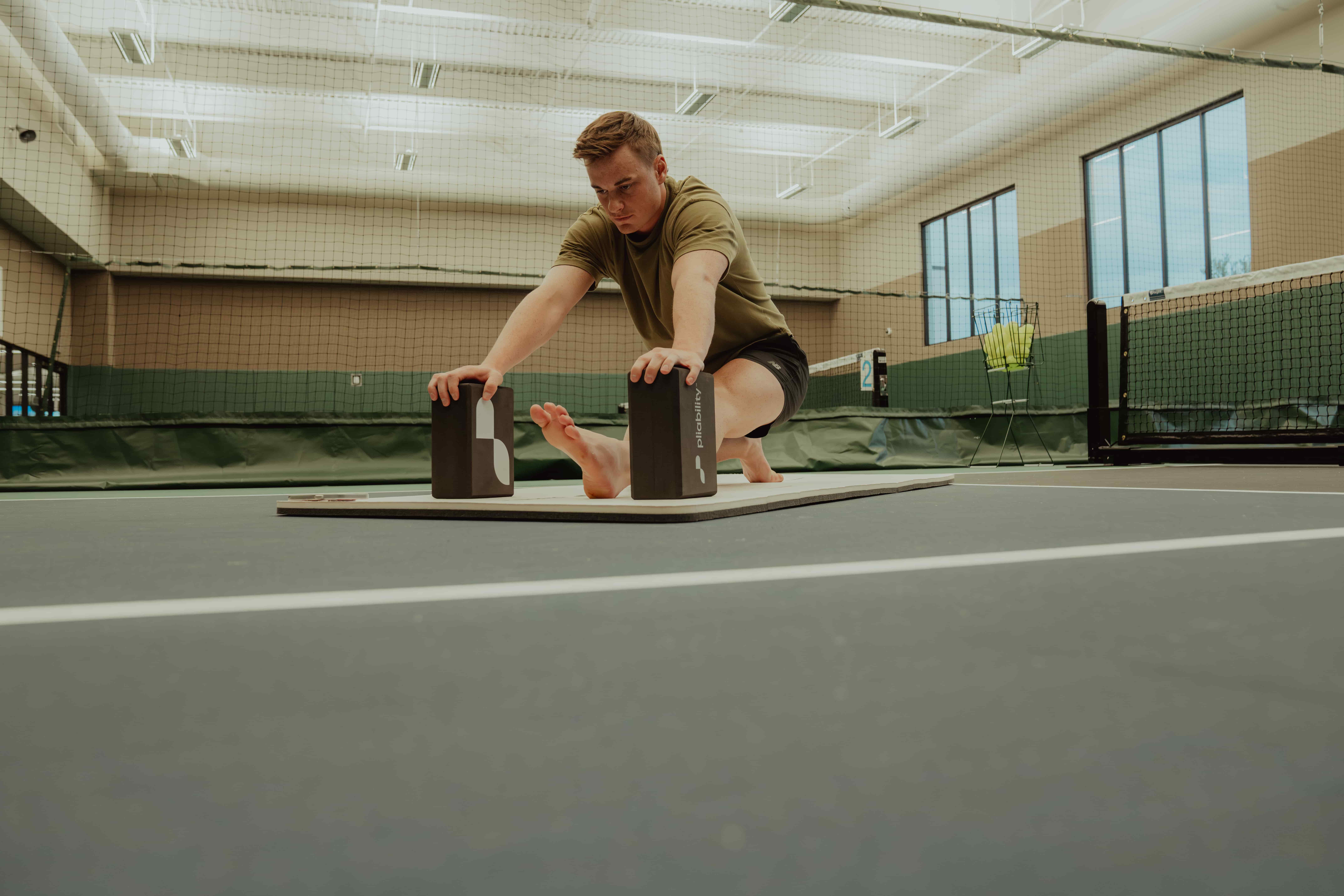
Dynamic stretches are essential for warming up before exercising, as they improve flexibility, enhance range of motion, and prepare your muscles and joints for activity. This routine uses four dynamic stretches to target the major muscle groups and is quick and effective enough to complete in less than five minutes.
world's greatest stretch
The world's greatest stretch is a dynamic variation of the lunge that effectively opens the hips, stretches the back, and improves thoracic spine mobility. To perform this move:
Get in a high plank position, with your hands directly below your shoulders and your body forming a straight line from head to heels.
Step your right foot up close to your shoulder so your foot is flat on the ground.
Drop your left elbow towards the ground, feeling a stretch on the back of your thigh.
Exhale.
Straighten your elbow. Keep your left hand planted firmly on the ground. Lift your right hand off the ground and twist your torso so that your right hand goes towards the ceiling and your torso and arms form a capital "T" shape. Hold this for an exhale, then twist it back down.
Return to the pushup position and do the stretch on the other side. Repeat on each side 6 to 8 times.
adductor rock
The adductor rock stretch targets the groin, hips, upper back, and shoulders. Here's how to do it:
Kneel on the ground with your knees slightly wider than hip-width, your toes tucked under.
Keeping your left knee where it is, straighten your right leg out to the side and place your right foot flat on the ground.
Maintaining a flat back, inhale and lean forward at the waist and put your hands on the ground. Pull your hips back to feel a stretch in your upper back and shoulders. Hold for an exhale, then rise back up and repeat this.
Inhale again, bending forward to place your hands on the ground and then threading your right arm under your left shoulder, bringing the right shoulder towards the ground. Exhale.
Untwist your left arm and bring it up overhead so that your torso forms a "T" shape. Exhale here.
Return your hand to the ground, then rise back up. Repeat this sequence 6 to 8 times on this side, switch your legs and do it all again.
hand-supported hip switch with reach-through
This dynamic stretch improves the mobility of the hips and spine while also targeting the shoulders. To perform it:
Sit on your hips with your hands behind you for support, your knees bent, and your heels on the floor in front of you. Your back should be flat but at a slight angle so you can be up on your hip bones.
Rotate your thighs to the right like windshield wipers, pivoting your feet as you twist. Your right knee should go towards the floor, and your left knee should go towards your right heel.
When your knees are rotated to the right, lift your left hand off the ground and rotate your torso to thread your left arm under your right armpit. Keep reaching through until the outside of your left shoulder reaches near the ground.
Untwist your torso and put your left hand back behind you.
Untwist your knees back to the starting position. Repeat the whole maneuver to the other side, windshield wiping your knees to the left this time, and threading your right arm under your left shoulder.
Repeat for 6 to 8 reps.
hand-supported shin box with overhead reach
This stretch also targets the hips and spine but focuses more on building mobility of the hips and improving flexibility of the muscles along the sides of the torso. Here's how to do it:
Sit on your hips with your hands behind you for support, your knees bent, and your heels on the floor in front of you. Your back should be flat but at a slight angle so you can be up on your hip bones.
Rotate your thighs to the right like windshield wipers, pivoting your feet as you twist. Your right knee should go towards the floor, and your left knee should go towards your right heel.
When your knees are rotated to the right, lift your left hand off the ground and use your right hand to press up onto the outside of your shins. Squeeze your glutes to extend your hips. Reach your left hand up and over your head to feel a stretch in the left side of your body.
Bring your hips back to the floor and return your left hand behind you.
Untwist your knees back to start, and repeat to the other side, this time reaching with your right hand to stretch the right side of your body.
should I stretch after my workout, too?

Post-workout stretching helps the body recover after it has been stressed during exercise. As a recovery technique, stretching helps reduce soreness, improve circulation, and promote relaxation.
With less muscle tension and soreness, you'll feel better and be able to perform better in your next workout. Stretching after a workout will also help you improve your flexibility over time.
stretching helps reduce soreness
Exercising, especially pushing your limits or trying something new, causes microtrauma to the muscle fibers. This damage is ordinary and necessary for muscle growth and improved athletic performance.
However, it can also lead to soreness, particularly delayed-onset muscle soreness (DOMS), which can kick in one to two days after your workout. Stretching after a workout will not completely eliminate soreness, but it can help reduce it.
stretching improves circulation
Another reason post-workout stretching helps you recover is that it improves circulation. During exercise, your heart pumps blood to working muscles to help them perform. Stretching after a workout helps return your body to its pre-exercise state.
As you stretch, you promote blood flow to the muscles, which helps them recover faster. Improved circulation also helps reduce soreness.
stretching promotes relaxation
Recovery isn't just physical. Your body must also recover mentally from exercise, particularly if you've been training hard for a specific goal or event. Stretching helps you do this by promoting relaxation.
After a workout, your body is revved up and stressed. Stretching helps calm both your muscles and your central nervous system, allowing your body to transition back to its normal state.
Stretch Both
Many coaches treat the before-or-after question as a false choice: why not both? Stretching after a workout can help fend off soreness, start the recovery process, and just leave you feeling good, since pushing your body to its limit during a workout works best alongside deliberately taking care of it afterward rather than staying revved up at full intensity the whole time.
Post-Workout Stretch
A post-workout stretch can reuse the movements from your warm-up but held a little longer. When you reach the end range of a lunging stretch or twist, stay there for a few deep, diaphragmatic breaths before moving to the next position.
Stress Relief
Slow breathing at the end of a stretch helps shift your body out of a stressed state, releasing tension built up during the workout and letting your nervous system down-regulate. Many people find that by the time they finish a proper cooldown stretch, whatever stress they walked in with feels noticeably lighter.
11 cool-down stretches / post-workout stretches
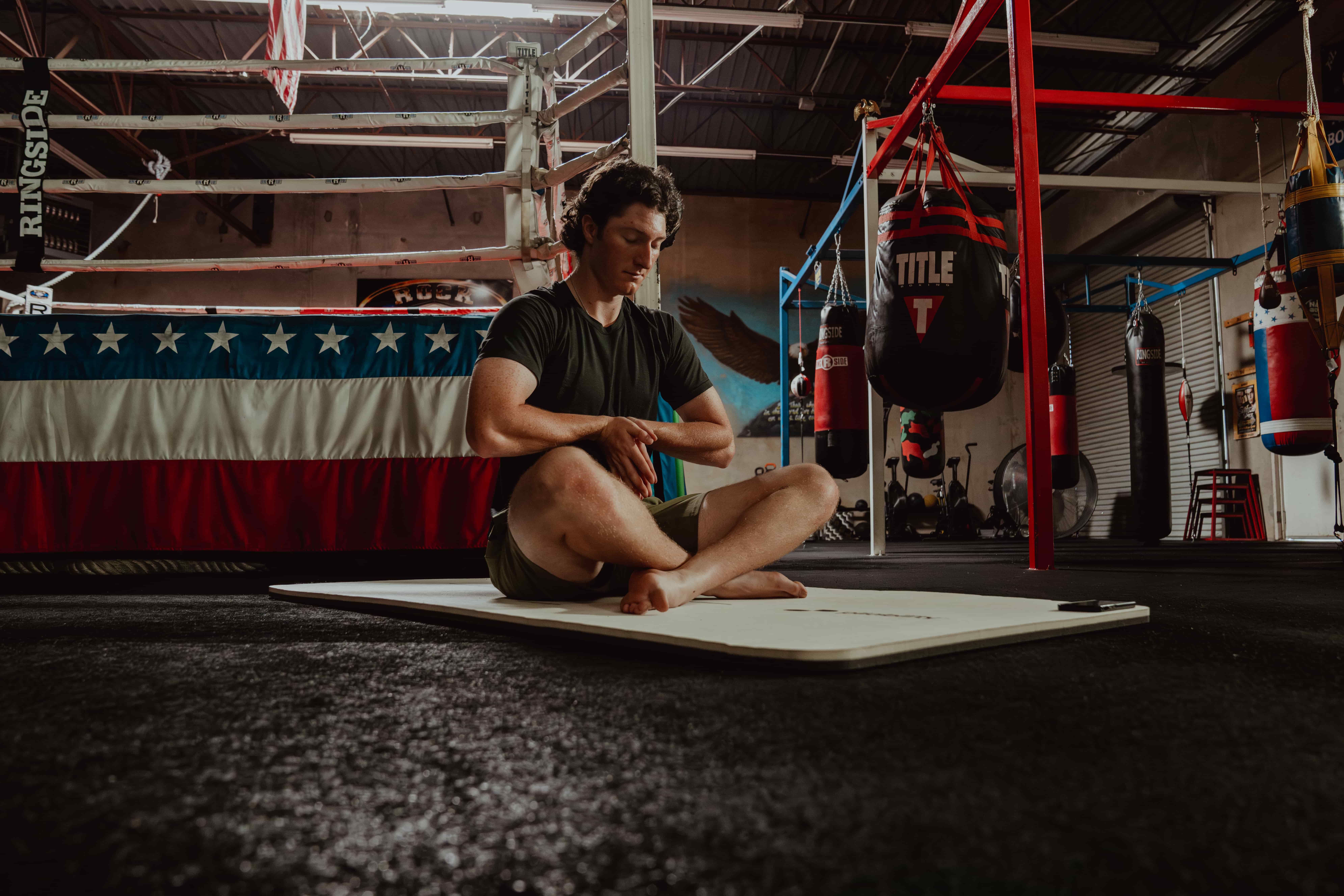
1. shoulder stretch: relieve tension and increase flexibility
Stand straight with your feet shoulder-width apart.
Bring your right arm across the front of your body at chest height.
Support your right arm using the crease of your left arm or hand.
Stretch your shoulder and continue facing forward.
Hold, then repeat with your other side.
2. toe touch: loosen up your back and hamstrings
Stand straight with your feet slightly apart and your toes pointing forward.
Keeping your legs straight, bend from the hips and reach down toward your toes.
Engage your core throughout this exercise and repeat.
3. Samson stretch: open up your hips
Begin by standing straight.
While keeping your chest forward and core engaged, step forward with your right foot into a lunge position.
Lower your left knee to the ground and extend the right knee forward.
Clasp your hands together and push out, lifting your arms over your head.
Hold then switch sides.
Remember to keep your chest facing forward throughout this static stretch.
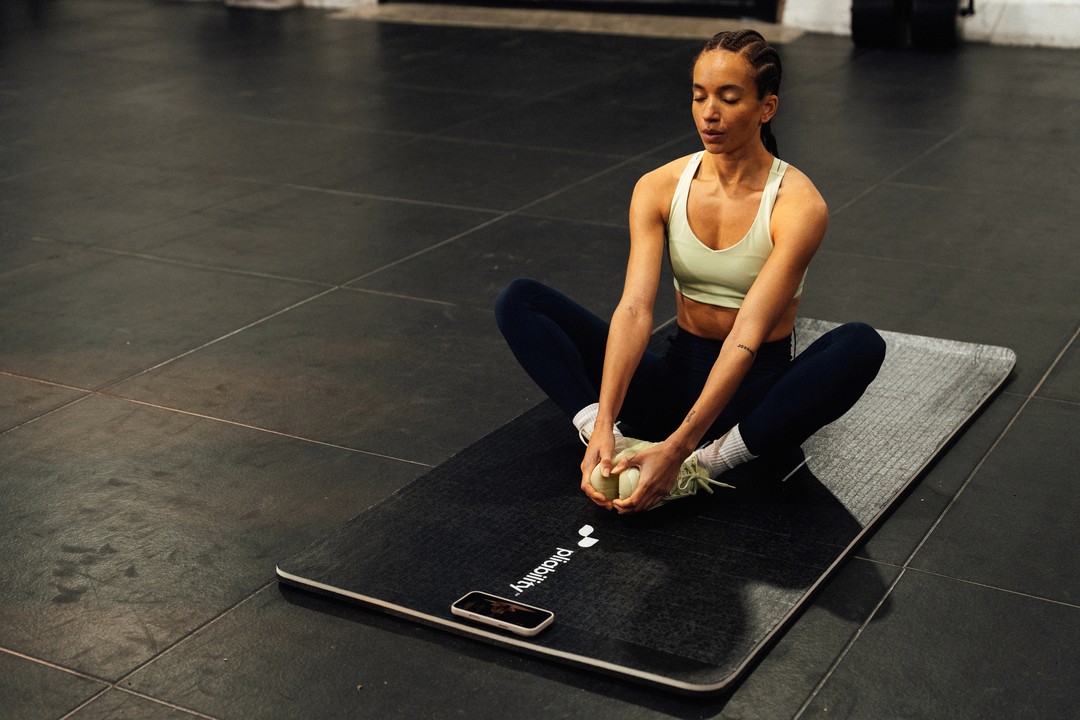
4. butterfly stretch: stretch your inner thighs
Start by sitting on the floor with your back straight and knees bent.
Drop your legs to your sides and bring the soles of your feet together.
Grasping at your feet or ankles, slowly lean forward, keeping your back straight.
Place your elbows on your thighs and press down gently for the stretch.
5. quadriceps stretch: stretch your thighs
For the quad stretch, stand straight with your legs together, knees touching.
While standing on one leg, raise your opposite foot using your hand towards your glutes.
Hold, then repeat, switching legs.
You may use a chair or wall to hold yourself steady.
6. cobra stretch: open up your core
Begin lying flat with your abdomen on the ground and feet stretched behind you.
Bring your hands next to your chest and engage the glutes and back muscles to curl the chest up away from the floor.
7. knee to chest: stretch your glutes and lower back
Standing tall, lift your right knee up toward your chest, using your hands to pull the knee in towards your belly button.
Hold, then lower your knee, returning to the start position.
Repeat 2 to 4 times for each leg.
Remember to engage your core and keep your spine straight during this static stretch.
8. cat stretch: release tension in your back
The cat stretch and cow stretch work in tandem.
For the cat stretch, begin with your hands and knees on the ground, keeping your spine relaxed and parallel to the ground.
Then, round your spine outward and pull your hips forward, gently pulling your chin toward your chest.
Hold. You may then move into the cow stretch.
9. cow stretch: open up your spine
The cow and cat stretch are often combined.
For cow stretch, begin with your hands and knees on the ground, keeping your spine relaxed and parallel to the ground.
Then, press your chest forward and sink your belly toward the floor.
Relax your shoulders away from your ears and look straight ahead.
Hold before moving into the cat stretch.
10. side bend: stretch your obliques
Stand straight with your feet shoulder-width apart.
While engaging your core, lift your hands over your head.
Bend at your waist to the right and lean toward the floor.
Pulling from your core, return to the starting position.
Repeat for the other side.
11. calf stretch: target your lower legs
Stand with your right foot slightly in front of your left using a wall.
Bend your knees slightly.
While keeping your back knee straight and your heel on the ground, lean toward the wall.
Hold, relax, and then repeat for your other leg.
do you need to hold a stretch to get the benefit?

stretching myth buster: static stretching is not the holy grail of flexibility
Not necessarily. Stretching a muscle to the full extent of your ability and holding it for 15 to 30 seconds is called a static stretch, and there's no harm in stretching that way as long as you don't stretch until it hurts.
A dynamic stretch can be just as effective, and sometimes more so, especially before your workout. A dynamic stretch, like the standing cat-camel, moves a muscle group fluidly through an entire range of motion.
stretching safely: avoid pain when you stretch
With any stretch, static or dynamic, you should feel a stretch, but you shouldn't feel pain. There's no need to stretch farther than the range of motion you typically need.
when should you not stretch?

stretching and injuries: a dangerous combination
When you're hurt, the last thing you want to do is make the problem worse, and in many cases, stretching an injured muscle, tendon, or ligament can do just that. If you've twisted, sprained, strained, or otherwise injured yourself, don't try to fix the problem with stretching, since stretching a damaged tendon or muscle can make the injury worse.
Instead, rest and ice the area and contact your healthcare provider. You may need to see a physical therapist, who can guide you through customized exercises and stretches to help you recover.
stretching after surgery: use caution
Returning to your stretching or fitness program after surgery isn't as simple as it sounds. Don't do it until your provider gives you the go-ahead, since your body needs time to heal and doing activity too soon could set your recovery back.
9 essentials to keep stretching safe

1. stretching is not a warmup
Stretching doesn't warm up your muscles, and it may hurt you if you stretch cold muscles. Before stretching, warm up with light walking, jogging, or biking at low intensity for 5 to 10 minutes. Even better, stretch after your workout when your muscles are warm.
Consider skipping stretching before an intense activity, such as sprinting or track and field activities. Some research suggests that pre-event stretching may decrease performance, and stretching immediately before an event can weaken hamstring strength.
2. aim for symmetry
Everyone's genetics for flexibility are different. Instead of striving for a dancer's or gymnast's flexibility, focus on having equal flexibility side to side.
This is especially important if you have a history of a previous injury. Flexibility that is not equal on both sides may be a risk factor for injury.
3. focus on major muscle groups
Concentrate your stretches on major muscle groups such as your calves, thighs, hips, lower back, neck, and shoulders. Make sure that you stretch both sides, along with any muscles and joints you routinely use in your activity.
4. don't bounce
Stretch in a smooth movement without bouncing. Bouncing as you stretch can injure your muscle and contribute to muscle tightness.
5. hold your stretch
Breathe normally and hold each stretch for about 30 seconds; in problem areas, you may need to hold for around 60 seconds.
6. don't aim for pain
Expect to feel tension while you're stretching, not pain. If it hurts, you've pushed too far. Back off to the point where you don't feel any pain, then hold the stretch.
7. make stretches sport specific
Some evidence suggests that doing stretches involving the muscles used most in your sport or activity is helpful. If you play soccer, for instance, stretch your hamstrings, since you're more vulnerable to hamstring strains.
8. keep up with your stretching
Stretching can be time-consuming, but you can achieve the most benefit by stretching regularly, at least two to three times a week. Even 5 to 10 minutes of stretching at a time can be helpful.
Skipping regular stretching means risking losing its potential benefits. For instance, if stretching helped you increase your range of motion, that range may decrease again if you stop.
9. bring movement into your stretching
Gentle movements, such as those in tai chi, Pilates, or yoga, can help you be more flexible in specific movements. These types of exercises can also help reduce falls in older adults. Try performing a dynamic warmup, which involves performing movements similar to those in your specific sport or physical activity at a low level, then speeding up and adding intensity gradually as you warm up.
build a stretching routine that fits your workout
pliability turns the stretches above into guided video sessions built around your training: Daily Sessions give you a fresh warm-up or cooldown every day, Paths run a multi-week progression toward a specific mobility goal, and Build Your Program shapes a plan around your own workouts. Take the mobility assessment to find out exactly what's restricted before you start, and if you're working back from an injury, the Rebuild hub has session series built for that. Start with 7 days free on iPhone, iPad, Android, or the web.
Related Reading



Move better in 10 minutes a day.
10,000+ five-star reviews.