


LEARN
pliability

Every athlete faces the same challenge: training hard enough to improve while recovering well enough to avoid burnout, and the real limit usually isn't effort or downtime, it's whether your cells can produce energy and clear damage fast enough for the next session. Red light therapy, or photobiomodulation, uses specific wavelengths of light to support that cellular repair process, and some research links consistent use to faster recovery, less soreness, and steadier power output over a training cycle. It's not a substitute for sleep, nutrition, or mobility work, it's a tool that can make an already solid recovery routine work better. Even perfect rest and nutrition fall short if your cells can't produce energy efficiently enough to fuel the repair process underneath them. Recovery is often what separates athletes at a similar training level: it's the difference between showing up to each session restored or still depleted, and that gap comes down to whether your body can clear damage and replenish energy fast enough to support the next training block.
how red light therapy works

Red light therapy targets cytochrome c oxidase, a photoreceptor in your mitochondria. When wavelengths in the 630 to 700 nanometer range pass through muscle tissue, they activate this enzyme and increase ATP synthesis, the energy molecule that powers muscle contraction, repair, and cellular metabolism. When ATP production is limited, repair slows down regardless of how well you sleep or eat: you stay sore longer, force output drops, and the next workout suffers. More available ATP means your body can clear lactate, rebuild damaged tissue, and restore glycogen faster after a hard session.
Red light also increases nitric oxide production, which widens blood vessels and improves oxygen delivery to working muscle, helping clear metabolic waste and lowering inflammation markers like creatine kinase within 24 to 48 hours of exercise. That matters for how quickly you bounce back and how much stiffness lingers into your next session. None of this replaces mobility work: stretching and movement practice build the range of motion your body needs to absorb training load, while red light supports the energy systems that repair the tissue underneath it. One addresses how you move, the other addresses how your cells produce energy, and together they cover more ground than either does alone. Without prioritizing recovery this way, maintaining peak output becomes nearly impossible: your hormone levels shift, acute inflammation turns chronic, and your body tries to heal old damage while absorbing new training strain, never fully catching up.
performance and recovery benefits

Consistent post-training use has been linked to meaningfully faster recovery in some research on photobiomodulation, the kind of edge that lets you train hard on back-to-back days instead of forcing a rest day. Delayed-onset soreness is one of the biggest levers: red light is thought to speed clearance of creatine kinase and lactate, the waste products behind the heavy, stiff feeling 24 to 48 hours after a workout, so soreness stops dictating your schedule.
Power output also tends to stay more stable across a training cycle, since a body that generates energy efficiently and keeps inflammation controlled has less fatigue to fight through each session, and less accumulated strain that raises your risk of injury over time. The advantage compounds: training hard, recovering fully, and repeating that cycle without the breakdown that comes from staying in a constant deficit. Some research also points to pre-conditioning, applying light before exercise rather than only after, suggesting timing matters as much as consistency. None of this works as a substitute for other recovery tools: red light therapy enhances your body's natural repair processes but cannot compensate for insufficient sleep or a poorly built training plan. The real question isn't whether it offers a measurable benefit, some research suggests it does, it's whether you use it alongside the other pieces of recovery so the effects build on each other instead of working against each other.
how to use it

Timing determines effectiveness more than most athletes realize. Post-training application works best within two to four hours after a session, when acute inflammation peaks and cells are most receptive: apply it directly to the muscles you just worked, quads after leg day, shoulders after upper-body work, for 10 to 20 minutes per area. A meta-analysis of randomized controlled trials in Sports Health found photobiomodulation improved skeletal muscle performance in volleyball and football players, with the most consistent results in athletes using it multiple times a week as part of a regular training cycle.
Pre-conditioning is the second approach: applying red light 40 to 60 minutes before intense activity primes mitochondria for energy production and can help maintain muscle condition for several days afterward, which works well before competitions or high-intensity blocks. Give it two to four weeks of consistent use before judging results, and treat it like any other training input, paired with mobility work and strength training, not used sporadically in isolation. It won't fix months of neglected recovery, and it can't substitute for sleep or a sound training plan, but layered onto a structured routine it makes that routine work better.
build a smarter recovery system (not just another routine)
Recovery isn't about doing more, it's about building a system where mobility work, cellular repair, and training load support each other instead of competing for your attention. Most athletes treat recovery as random tactics: foam rolling when sore, stretching when tight, red light on a whim. Anchor mobility into your routine daily, not just when something hurts, and layer red light strategically: post-training within two to four hours, or pre-competition to prime energy production when it matters most.
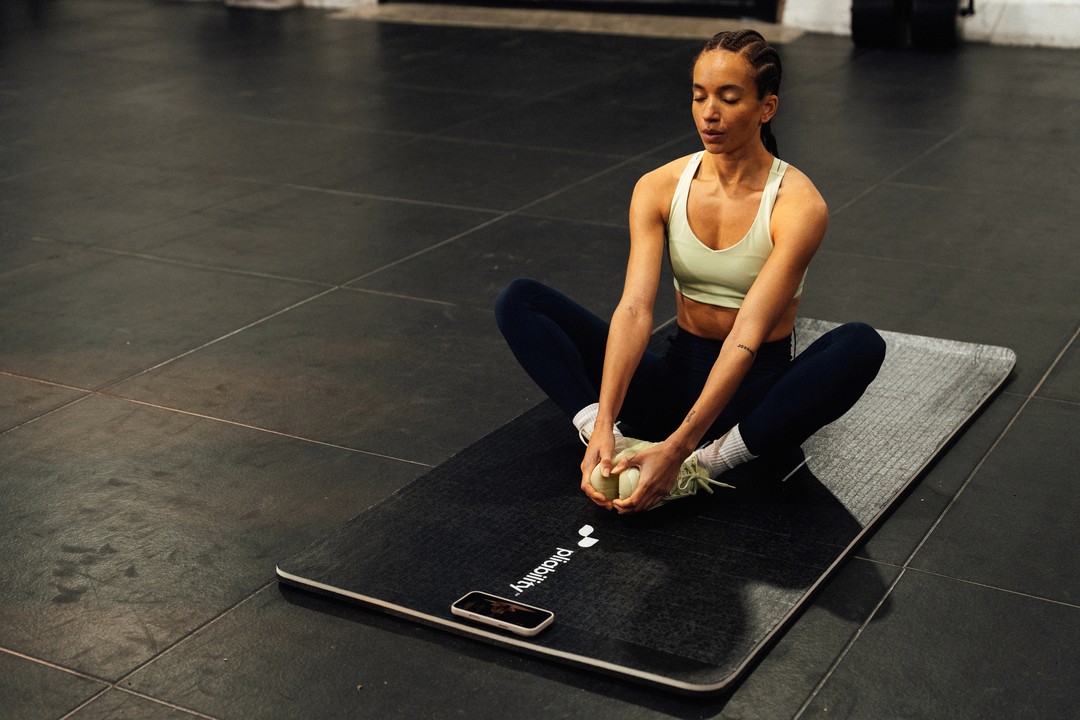
pliability builds that structured system through daily, guided mobility sessions designed to reduce pain, improve range of motion, and support faster recovery between workouts. Take the mobility assessment to see exactly where your movement is limited, then follow Daily Sessions or a personalized Path to build consistency alongside whatever recovery tools you already use. Start your 7-day free trial to access personalized mobility programs and a full session library.
Related Reading


Move better in 10 minutes a day.
10,000+ five-star reviews.