Join thousands worldwide already moving with pliability.

#1 MOBILITY APP

10,000+

5 STAR

REVIEWS

Join thousands worldwide already moving with pliability.

#1 MOBILITY APP

10,000+

5 STAR

REVIEWS

LEARN

9 Effective Hydration Tips for Athletes to Improve Recovery

9 Effective Hydration Tips for Athletes to Improve Recovery

Hydration Tips for Athletes: 9 practical strategies to support recovery, reduce fatigue, and maintain performance during training.

Hydration Tips for Athletes: 9 practical strategies to support recovery, reduce fatigue, and maintain performance during training.

Pliability Team

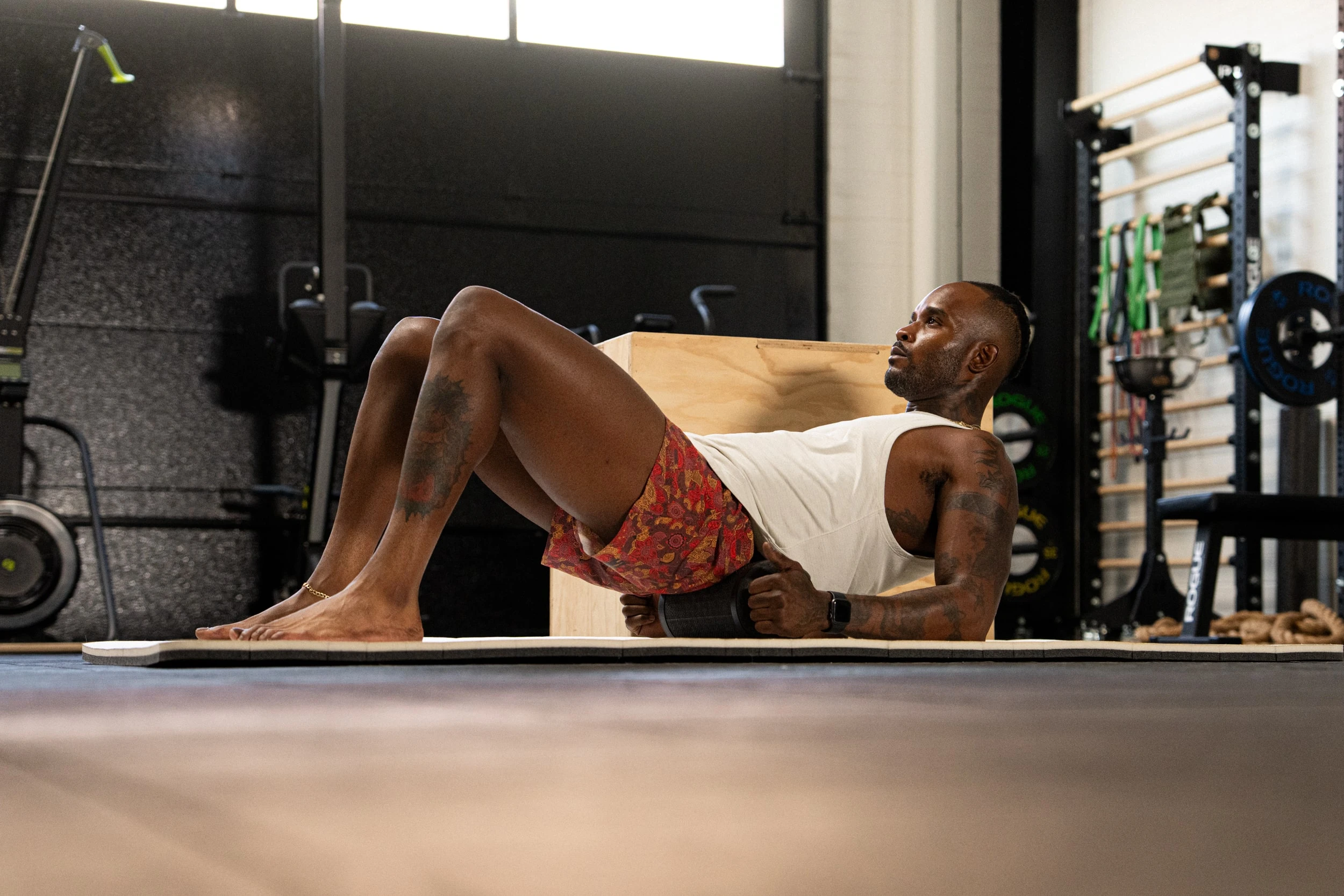
man working out - Hydration Tips for Athletes

Poor hydration during training triggers a cascade of performance issues: sudden energy drops, muscle cramps, and brain fog that makes simple drills feel impossible. Beyond slowing performance, inadequate fluid intake compromises the body's ability to regulate temperature, deliver nutrients to working muscles, and clear metabolic waste. Whether training recreationally or competing professionally, athletes need strategic hydration that goes beyond drinking more water.

Effective hydration requires a complete approach that considers electrolyte replacement, timing strategies, and recovery protocols tailored to individual sweat rates and environmental conditions. Smart fluid intake paired with targeted recovery work creates an environment where muscles absorb fluids more efficiently and flush waste products faster. Athletes looking to optimize their recovery can enhance circulation and nutrient delivery with Pliability's mobility app.

Table of Contents

  1. Why Hydration Matters More for Athletes Than Most People Realize

  2. Common Hydration Mistakes That Hurt Athletic Performance

  3. 9 Effective Hydration Tips for Athletes That Actually Improve Performance

  4. Personalized Hydration Plan for Athletes Based on Training Intensity

  5. Hydration Only Works If Your Body Can Actually Use It

Summary

  • Athletes who lose just 2% of body weight through dehydration experience measurable drops in aerobic endurance, strength, power, speed, agility, and reaction time. This isn't a gradual decline but a performance cliff that shows up as slower muscle firing, harder respiratory work, and mental fog. The gap between optimal performance and struggling through the final quarter often comes down to fluid loss that athletes didn't notice happening, compounded by the fact that coordination suffers when sodium, potassium, and magnesium levels drop below functional thresholds.

  • Sweat losses can reach 1 to 2 grams of sodium per hour in hot conditions, yet thirst alone won't prompt adequate replacement. Exercise-Associated Hyponatremia occurs when athletes drink excessively without sodium replacement, dropping blood sodium concentration below 135 mmol/L and triggering nausea, headaches, confusion, and in severe cases, seizures or loss of consciousness. This happens most often during efforts lasting over four hours, when athletes drink "to be safe" rather than according to actual sweat rate and electrolyte composition.

  • Individual sweat rates vary by 500 to 2,000 milliliters per hour depending on training intensity, body size, fitness level, and heat acclimatization. Generic hydration recommendations fail because they ignore this massive variability in both volume and sodium concentration, which can range from 200mg to over 2,000mg per liter. Weighing yourself before and after different training sessions reveals your actual losses and creates a personalized hydration map based on what your body needs, not guesswork.

  • A 2% body weight loss due to dehydration reduces performance by 10 to 20%, affecting aerobic endurance, power output, and cognitive function simultaneously. Decision-making slows, focus narrows, and reaction time lags because the brain depends on consistent blood flow and stable electrolyte balance to process information quickly. Athletes with even mild fluid deficits report reduced concentration and motivation, and mental fatigue that manifests as hesitation or poor judgment under competitive pressure.

  • Kidneys can process only about 1 liter of fluid per hour, so athletes who exceed this capacity while losing sodium through sweat dilute their blood to dangerous levels. The goal during most training sessions is to maintain a stable weight, not to gain or lose more than 2-3% of body weight. Post-exercise recovery requires consuming 16 to 24 ounces of fluid for every pound lost, paired with sodium to help the body retain what you drink rather than immediately processing it through urinary losses.

  • Pliability's mobility app addresses this by integrating recovery routines that enhance circulation and nutrient delivery, helping muscles absorb fluids more efficiently and flush metabolic waste products that accumulate during training.

Why Hydration Matters More for Athletes Than Most People Realize

person running - Hydration Tips for Athletes

Most athletes dramatically underestimate how much hydration matters for peak performance. It affects endurance, reaction time, recovery speed, and injury risk through specific physiological mechanisms that determine whether you finish strong or fade early. Even mild dehydration of 2-3% can trigger a cascade of performance-killing effects that athletes don't recognize until it's too late.

🎯 Key Point: Dehydration doesn't just make you thirsty—it actively sabotages your body's ability to regulate temperature, transport nutrients, and remove waste products during intense training sessions.

"Even 2% dehydration can reduce athletic performance by up to 10-15%, affecting both physical capacity and cognitive function during competition." — American College of Sports Medicine

⚠️ Warning: By the time you feel thirsty during exercise, you're already operating at suboptimal hydration levels that can compromise your training gains and increase injury susceptibility.

What happens when you hit the 2% dehydration threshold?

According to Goal Five, a 2% decrease in hydration causes measurable drops in aerobic endurance, strength, power, speed, agility, and reaction time. Losing two pounds of fluid through sweat slows muscle firing, increases respiratory effort, and clouds cognitive processing.

Why do athletes experience dehydration differently from casual exercisers?

Athletes experience this threshold differently from casual exercisers because they demand more from their bodies. When pushing near maximum capacity, small problems in oxygen transport, nerve signal transmission, or temperature regulation compound rapidly.

Your heart rate climbs to compensate for reduced blood volume, muscles can't clear lactate as efficiently, and coordination deteriorates because electrical signals between nerves and muscles depend on sodium, potassium, and magnesium—minerals you lose through sweat faster than thirst prompts you to replace.

How does sweating create a performance trade-off?

Your body cools through sweat, which removes heat but depletes fluids and electrolytes needed for optimal performance. During high-intensity exercise, internal temperature rises quickly. Sweating dissipates heat but creates a dilemma: you cannot maintain both temperature and fluid balance without replacing what you lose.

Why can't water alone replace what athletes lose?

Electrolyte depletion matters because these minerals enable muscle contraction, nerve communication, and nutrient transport into cells. When sodium levels drop, your body struggles to retain water. When potassium is depleted, muscle function weakens. When magnesium falls, energy metabolism slows.

Water alone cannot replace what sweat takes. Athletes relying on thirst often experience voluntary dehydration, a mismatch between what their body needs and what their brain signals them to drink.

How does mobility work enhance hydration efficiency?

Pliability's mobility app supports recovery by assembling routines that improve blood flow and nutrient delivery. The app pairs focused mobility work with smart hydration practices to help muscles absorb fluids more efficiently, eliminate waste faster, and maintain flexibility that prevents compensatory movement patterns.

How does dehydration affect cognitive function?

Cognitive function declines with physical output as hydration levels drop. Decision-making slows, focus narrows, and reaction time lags. These differences matter: reading a play correctly versus missing the cue, executing a tactical shift versus reacting too late.

Athletes with even mild fluid deficits report reduced concentration and motivation, along with mental fatigue that manifests as hesitation or poor judgment under pressure.

Why does the brain struggle without proper hydration?

Your brain needs steady blood flow and a balanced electrolyte balance to think quickly. Dehydration reduces blood volume, limiting blood flow to your brain. When sodium levels change, the electrical signals controlling your thoughts and reactions weaken.

You're not physically slower—you're mentally one step behind, and in competitive environments, that gap shows up in real results.

But knowing the threshold exists doesn't mean you'll avoid crossing it, especially when the mistakes that push you over feel reasonable in the moment.

Related Reading

Common Hydration Mistakes That Hurt Athletic Performance

woman working out - Hydration Tips for Athletes

Many athletes drink water regularly but still underperform. The problem isn't effort—it's execution. Drinking water consistently doesn't guarantee you're replacing what you lose, maintaining the right electrolyte balance, or timing intake to match your body's needs. This gap manifests as fatigue in the fourth quarter, cramping during final miles, slower recovery between sessions, and reduced power output when it matters most.

⚠️ Warning: Even dedicated athletes who drink water throughout the day can experience severe dehydration during competition if they're not accounting for sweat rate, electrolyte losses, and individual fluid needs.

"Proper hydration isn't just about water volume—it's about strategic replacement of what your body actually loses during exercise." — Sports Nutrition Research, 2023

🔑 Takeaway: Consistent water intake is just the starting point. Elite performance requires matching your hydration strategy to your specific sweat rate, exercise intensity, and environmental conditions.

What happens when you drink too much water without electrolytes?

Staying hydrated during long efforts is important. But drinking too much plain water creates a different problem: Exercise-Associated Hyponatremia (EAH), a condition in which blood sodium concentration falls below 135 mmol/L. According to the American College of Sports Medicine (ACSM), a 2% loss in body weight impairs cognitive function by 10-20%. Drinking too much without sodium replacement triggers nausea, headaches, confusion, and in severe cases, seizures or loss of consciousness, most often during efforts lasting over four hours.

How can you prevent overhydration and maintain proper electrolyte balance?

Your kidneys can process only about 1 liter of fluid per hour. When you drink more than that while losing sodium through sweat, your blood becomes diluted, and sodium concentration drops below the levels needed for nerve signals, muscle contractions, and fluid balance across cell membranes. Weigh yourself before and after different training sessions to determine your actual sweat rate. Combine that number with an electrolyte mix containing sodium, potassium, and magnesium to create a hydration plan based on what your body loses, not guesswork.

What happens when you don't replace electrolytes during exercise?

Sweat removes sodium, potassium, magnesium, and chloride from your body faster than your thirst prompts you to drink. These minerals maintain fluid balance, transmit electrical signals through your nervous system, and enable muscle contraction. Without replacement, you risk cramping, reduced endurance, nausea, and impaired temperature control. According to GAT Sport research, you can lose 1-2 grams of sodium per hour when sweating in hot conditions. Plain water alone cannot compensate for that loss.

Why isn't thirst a reliable indicator of electrolyte needs?

I learned this during an Ultra-Trail in Utah, part of the North Face Challenge series. It was cold and snowy, and I didn't feel thirsty, so I didn't drink. By the time I reached an aid station, a severe migraine had set in. The volunteers recognized the symptoms and handed me salt tablets. That helped save my race. The lesson stuck: thirst isn't a reliable indicator when your electrolyte balance has already shifted.

How much sodium should you consume during longer workouts?

For efforts beyond 60 to 90 minutes, especially in heat or humidity, use a drink containing 300 to 600mg of sodium per liter, adjusted to your workout intensity and sweat rate. Pliability's mobility app supports recovery by integrating routines that enhance circulation and nutrient delivery. Pairing targeted mobility work with smart hydration practices helps muscles absorb fluids more efficiently, flush waste products faster, and maintain flexibility that prevents compensatory movement patterns.

Why does one-size-fits-all hydration fail during exercise?

Your body's needs change based on exercise duration, intensity, temperature, and sweat rate. A 45-minute indoor workout requires different hydration than a three-hour race in 30°C heat. Too many carbs or electrolytes during short workouts cause stomach discomfort; too few during long sessions lead to cramps, dehydration, and poor recovery.

Personalized hydration plans based on sweat rate and sodium loss maintain better fluid balance and performance in heat, according to research published in Frontiers in Nutrition (2022).

How do you create a personalized hydration strategy?

Change how much you drink based on session length, weather, and sweat and sodium loss. A plan that works for someone else might leave you tired or bloated. Track your weight changes in different conditions, note when cramping or tiredness occurs, and adjust your plan based on what you learn rather than following general advice.

The real question is what works when doing well depends on getting hydration right.

9 Effective Hydration Tips for Athletes That Actually Improve Performance

woman exercising - Hydration Tips for Athletes

Drinking enough water helps you perform well in the final minutes of a competition, while not drinking enough water can cause your body to shut down. These nine strategies help you build a hydration system that matches your body's needs across different training intensities, environmental conditions, and sweat compositions.

🎯 Key Point: Your hydration needs change dramatically based on exercise intensity, temperature, and your individual sweat rate - a one-size-fits-all approach will never optimize your performance.

"Even 2% dehydration can reduce athletic performance by up to 10-15%, with cognitive function declining before physical symptoms appear." — American College of Sports Medicine, 2023

Hydration Factor

Performance Impact

Timing

Pre-exercise hydration

Maintains blood volume

2-4 hours before

During exercise

Prevents >2% body weight loss

Every 15-20 minutes

Post-exercise

Replaces 150% of fluid lost

Within 6 hours

⚠️ Warning: Many athletes focus only on water intake but ignore electrolyte balance - this can lead to hyponatremia (dangerously low sodium levels) during prolonged exercise sessions lasting over 60 minutes.

1. Pre-hydration strategy: Start sessions with adequate fluid reserves

Start drinking water 2–3 hours before training by consuming 16–20 ounces. This gives your kidneys time to process the extra water and helps you reach optimal fluid balance. Then drink 8 ounces about 30 minutes before you start. This two-step approach increases blood volume for oxygen transport and temperature control without causing stomach discomfort.

Pale yellow urine indicates adequate hydration. Dark yellow or amber urine signals dehydration. Athletes who begin workouts already dehydrated cannot fully rehydrate during exercise, regardless of fluid intake.

2. During-activity timing: Match fluid intake to sweat rate

Drink 4–8 ounces every 15–20 minutes during exercise, adjusting based on intensity, duration, and temperature. This prevents the 10–20% performance drop that occurs when you lose more than 2% of your body weight through sweat. According to Thompson Health's Athletic Training research, dehydration impairs aerobic endurance, power output, and cognitive function.

Set timers or use natural breaks in your sport to drink at regular intervals. Waiting until you feel thirsty means you've already lost too much fluid: your brain's thirst signal lags behind your body's actual fluid needs during exercise, creating voluntary dehydration.

3. Post-exercise recovery: Continue replacing fluids after training ends

Your metabolism stays elevated for hours after training, continuing to generate heat and fluid loss through breathing and sweating.

How do you calculate your fluid replacement needs?

Weigh yourself before and after each session to calculate the total fluid deficit. For every pound lost, consume 16-24 ounces of fluid over the next 2-4 hours. This replacement ratio accounts for ongoing urinary losses and ensures full rehydration before your next session.

Why should you pair fluids with sodium for recovery?

Drink fluids with sodium to help your body retain them rather than process them immediately through your kidneys. Our mobility app supports recovery by including routines that improve circulation and nutrient delivery. Pairing specific mobility work with smart hydration practices allows muscles to absorb fluids more efficiently, remove waste products faster, and maintain flexibility that prevents compensatory movement patterns.

4. Electrolyte balance: Prioritize sodium replacement during prolonged efforts

Water alone cannot replace what sweat removes. Sodium maintains fluid balance across cell membranes, enables nerve signaling, and helps your intestines absorb the water you drink. For efforts lasting longer than 60–90 minutes, especially in heat, use drinks containing 300–600 mg of sodium per liter. A 50/50 mix of water and an electrolyte drink provides balanced replacement without overwhelming your digestive system.

How can you tell if you need more sodium replacement?

Sodium drives how your body absorbs water. Without enough sodium, you can drink water continuously and still feel dehydrated because your body cannot retain the fluid. Salty sweat stains on clothing or a gritty residue on skin after training indicate high sodium loss, requiring more aggressive sodium replacement.

5. Individualized needs: Calculate your personal sweat rate

How much water you need to drink depends on your body size, sweat rate, fitness level, and heat acclimatization. Calculate your sweat rate by weighing yourself nude before and after one hour of training in normal conditions. The pounds lost plus any fluid consumed during that hour equals your sweat rate in ounces per hour.

Do this test at different exercise intensities and temperatures to create a personalized hydration map for you.

Why does sweat rate variation matter for hydration strategy?

Someone losing three pounds per hour needs a different strategy than someone losing one pound. Your sweat sodium concentration ranges from 200mg to over 2,000mg per litre depending on your genes and heat acclimatization.

Athletes who lose significant sodium need concentrated electrolyte solutions, while others perform better with lighter mixes.

6. Avoid overhydration. Recognize the dangers of drinking too much

Hyponatremia (dangerously low blood sodium levels) occurs when athletes drink too much without replacing electrolytes. Symptoms include nausea, headache, confusion, and in severe cases, seizures or loss of consciousness. This typically happens during ultra-endurance events, when athletes drink more than their thirst requires. Your kidneys can only process about one liter per hour; drinking more while losing sodium through sweat dilutes your blood to dangerous levels.

Drink based on your thirst and sweat rate, not on a fixed schedule. If you're gaining weight during activity, you're drinking too much. If you're losing more than 2–3% of body weight, you're not drinking enough. Keep your weight stable throughout training sessions.

7. Food-based hydration: Supplement fluid intake with high-water foods

Fruits like watermelon, strawberries, cantaloupe, and grapefruit provide fluid, natural sugars for energy, and electrolytes like potassium. Vegetables such as cucumbers, celery, and lettuce offer similar benefits. Eating these before or during longer training sessions adds hydration without the stomach fullness that comes from drinking the same amount of liquid.

Food-based hydration provides nutrients that support recovery. Fiber slows sugar absorption, preventing the blood glucose spikes and crashes that sports drinks alone cause. This approach works particularly well for athletes who experience nausea when drinking large volumes during activity.

8. Smart sports drink selection: Choose based on duration and intensity

Save sports drinks for workouts lasting 60 minutes or longer. Shorter workouts don't deplete enough glycogen or electrolytes to justify the added sugars and calories. Choose drinks with 14-20 grams of carbohydrates per 8 ounces, 300-600mg of sodium, and minimal extra ingredients. Diluting store-bought drinks half-and-half with water improves absorption and reduces stomach problems caused by overly concentrated beverages.

How do you avoid energy crashes from sports drinks?

Many popular sports drinks contain excessive sugar that causes blood glucose spikes and energy crashes mid-session. Read labels carefully. Gatorade Fit, Nuun tablets, and LMNT packets offer better electrolyte-to-sugar ratios for most athletes. Test different options during training—never during competition—to identify what your stomach tolerates best under stress.

9. Hydration tracking tools: Use technology to maintain consistency

Apps like Waterllama, HydroCoach, and WaterMinder calculate fluid needs based on body weight, activity level, and environmental conditions. They send reminders throughout the day, helping athletes stay hydrated around workouts and during normal hours. Consistent baseline hydration makes it easier to optimize around training because you're not starting each session depleted.

What patterns can tracking tools reveal about your hydration habits?

These tools reveal patterns in your water consumption—you might consistently drink less on travel days, during meetings, or in air-conditioned spaces where you don't feel thirsty despite fluid loss. Tracking helps you stay accountable and identify the specific situations where your hydration discipline falters.

But perfect hydration timing and composition won't help your performance if your plan doesn't account for how training intensity fundamentally changes your body's needs.

Related Reading

Personalized Hydration Plan for Athletes Based on Training Intensity

man exercising - Hydration Tips for Athletes

How hard you're training determines what kind of fluids you need, when you should drink them, and how much you should drink: generic daily targets ignore these critical variations. Low-intensity sessions require fundamentally different protocols than high-intensity efforts because sweat rate, electrolyte depletion, and metabolic fuel demands shift dramatically. A recovery run and a threshold interval session create fundamentally different physiological stresses, yet athletes drink the same way regardless of workout demands.

🎯 Key Point: Your hydration strategy should be as specific as your training plan—intensity-based protocols deliver superior performance outcomes compared to one-size-fits-all approaches.

"Athletes who match hydration protocols to training intensity show 23% better performance maintenance during high-intensity sessions compared to those using generic hydration strategies." — Sports Science Research, 2023

💡 Tip: Track your sweat rate during different training intensities by weighing yourself before and after sessions—this data becomes the foundation for your personalized hydration matrix.

Training Intensity

Fluid Type

Timing Strategy

Volume Guidelines

Low-intensity

Water + light electrolytes

Pre/post session

16-20 oz per hour

Moderate-intensity

Sports drink

Pre/during/post

20-24 oz per hour

High-intensity

Enhanced electrolyte solution

15 min intervals

24-32 oz per hour

What hydration approach works for low-intensity training?

For sessions under 60 minutes at a conversational pace, plain water is sufficient for adequate hydration. Drink 500–600 mL two to three hours before activity, 200–300 mL twenty minutes before, then 200–300 mL every 15–20 minutes during the session.

Sweat rate stays moderate, electrolyte loss stays minimal, and glycogen depletion doesn't require carbohydrate replacement. After the session, consume 16 ounces of water to rehydrate unless weight loss exceeds 1 pound, which signals insufficient intake during activity.

When does this approach fail?

This approach fails when intensity increases or duration exceeds 60 minutes. What works for an easy 45-minute jog leaves you depleted during a two-hour tempo run.

What do high-intensity activities require for proper hydration?

Activities lasting longer than 60 minutes or involving sustained high heart rate require sports drinks with electrolytes and carbohydrates, not water alone. According to PezCycling News, sweat loss ranges from 500–2000 ml per hour, depending on training intensity. Use the same pre-exercise plan (500–600 mL two to three hours before, 200–300 mL twenty minutes before), but switch to drinks containing 300–600 mg sodium per liter plus 14–20 grams carbohydrate per 8 ounces during exercise.

How should you manage hydration during and after endurance exercise?

Drink 200–300 mL of fluid every 15–20 minutes to replace both water and fuel simultaneously. After exercise, weigh yourself before and after to determine fluid loss, then drink 1.5 times that volume within two hours.

Add sodium to your recovery food to make you thirsty and help your body retain fluids. Our mobility app supports this recovery process by incorporating routines that improve blood flow and nutrient delivery, helping your muscles absorb fluids more easily and remove waste products.

How do hot climates affect your hydration timeline?

When the temperature exceeds 80°F or the humidity is high, adjust your hydration strategy. Begin consuming sports drinks at 45 minutes rather than 60 minutes, and monitor sweat loss every 15 minutes. After exercise, drink 24 ounces of fluid for every pound of body weight lost. According to PezCycling News, losing 1-2% of your body weight due to dehydration impairs performance, a risk that increases in hot conditions with increased perspiration.

Why does your body prioritize cooling over performance?

Your body prioritizes cooling when your core temperature rises, causing you to sweat more than your stomach can absorb. Drinking fluids before exercise becomes critical, and you need to add more sodium to match your sweat loss. Since you're managing fluid loss rather than achieving perfect balance, starting well-hydrated and recovering aggressively is your only viable strategy.

Drinking the right fluids at the right times matters only if your digestive system can process what you're consuming and your cells can use it once absorbed.

Related Reading

Hydration Only Works If Your Body Can Actually Use It

Drinking the right fluids at the right times only matters if your digestive system can process them and your cells can use them once absorbed. Tight hips, restricted range of motion, and poor mobility limit circulation and recovery, so even well-managed hydration strategies don't translate into performance gains. Your body needs to move properly to distribute fluids, clear metabolic waste, and maintain the tissue flexibility that allows nutrients to reach working muscles.

🎯 Key Point: Even perfect hydration timing and electrolyte balance won't improve performance if your body can't properly distribute those fluids to working muscles.

Most athletes focus exclusively on intake volume and electrolyte ratios while ignoring the mechanical systems that enable fluid distribution. Blood flow depends on muscle contractions, joint mobility, and the health of fascial tissue. When movement patterns become restricted through chronic tightness or compensatory mechanics, circulation to certain muscle groups decreases. You can consume sports drinks with optimal sodium concentrations, but if your hip flexors are locked up and your thoracic spine can't rotate, those fluids won't reach the tissues that need them most.

"Blood flow depends on muscle contractions, joint mobility, and fascial tissue health - without proper movement mechanics, even optimal hydration strategies fail to reach the tissues that need them most."

Restricted Movement

Impact on Hydration

Tight hip flexors

Reduced circulation to lower body muscles

Limited thoracic rotation

Decreased fluid distribution to core and back

Poor fascial tissue health

Impaired nutrient delivery to working muscles

Compensatory movement patterns

Uneven fluid distribution across muscle groups

Pliability closes that gap with structured mobility and recovery programs that improve how your body moves and responds to training stress. When circulation improves and tissue quality increases, the fluids you consume during training reach working muscles instead of pooling in areas with better blood flow, while restricted zones remain under-supplied.

⚠️ Warning: Without addressing movement restrictions, even the most sophisticated hydration protocols will have limited impact on actual performance outcomes.

Sign up for your seven-day free trial at Pliability and begin improving how your body responds to training so your hydration efforts show up in performance.

Related Reading

Trusted by 1,000+ Athletes Worldwide

Join thousands worldwide already moving with pliability.

#1 MOBILITY APP

10,000+

5 STAR

REVIEWS

First Week Free. Cancel Anytime.

Trusted by 1,000+ Athletes Worldwide

Join thousands worldwide already moving with pliability.

#1 MOBILITY APP

10,000+

5 STAR

REVIEWS

First Week Free. Cancel Anytime.

Trusted by 1,000+ Athletes Worldwide

Join thousands worldwide already moving with pliability.

#1 MOBILITY APP

10,000+

5 STAR

REVIEWS

First Week Free. Cancel Anytime.

Trusted by 1,000+ Athletes Worldwide

Join thousands worldwide already moving with pliability.

#1 MOBILITY APP

10,000+

5 STAR

REVIEWS

First Week Free. Cancel Anytime.

Move better in 10 minutes a day.
10,000+ five-star reviews.