


LEARN
pliability
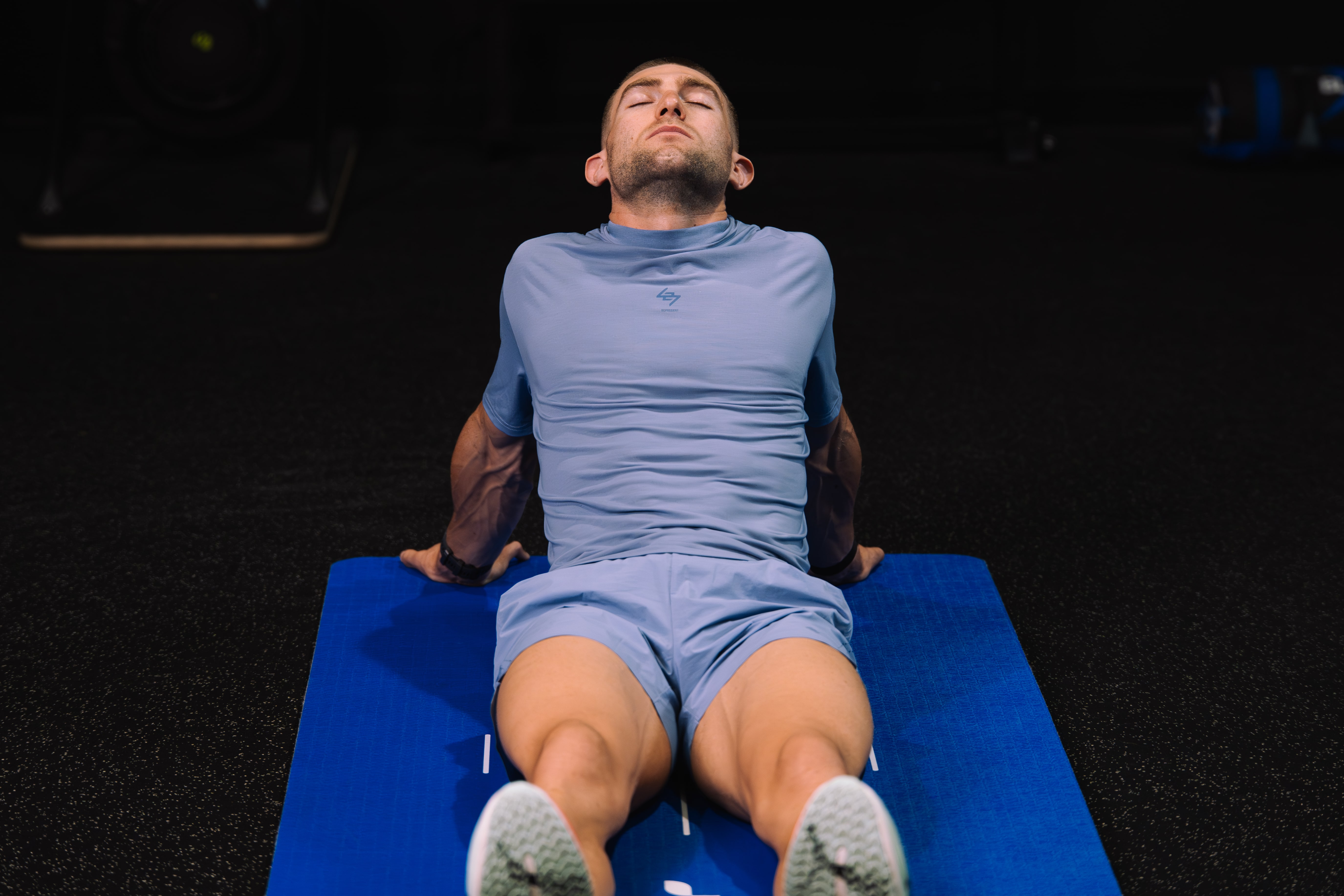
That tight pull across your lower back after standing at a counter or a standing desk is common: small tasks suddenly feel stiff and slow. This guide covers simple standing stretches, spinal mobility drills, hip and hamstring releases, and easy self-massage moves so you can ease lower back tightness while standing, move more freely, and stay active without pain holding you back.
what causes tight lower back muscles?
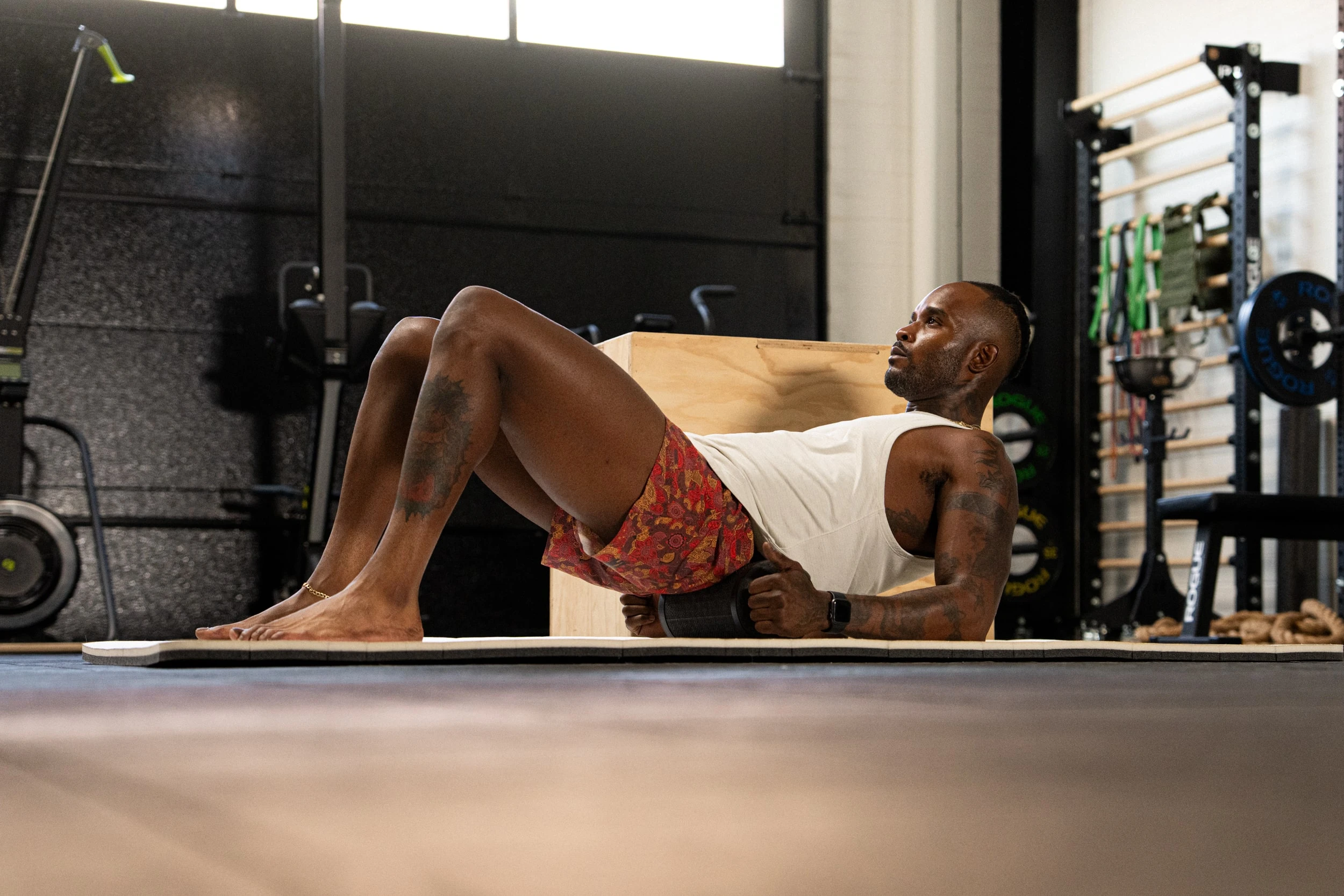
Tightness in the lower back often comes from simple, everyday stresses on the muscles and joints. Muscle strain from a single awkward lift and poor posture from prolonged periods of sitting both load the lumbar muscles and cause them to shorten. Weak core muscles require the back to work harder to maintain an upright position.
Tight hips and hamstrings change the angle of your pelvis and pull on the lumbar spine. Repetitive movements at work or during exercise produce small amounts of wear and tear that accumulate over time. Stress and anxiety also play a role. When you are tense, your back muscles contract and hold that contraction, which increases the sense of stiffness.
inside the lower back: the anatomy you need to know
The lower back is situated in the lumbar region, comprising five vertebrae labeled L1 through L5. These bones support the upper body and allow bending and twisting. Large muscles, such as the erector spinae, run along either side of the spine and help you stand and extend your trunk. Smaller stabilizers, like the multifidus, sit closer to the vertebrae and control segmental motion.
The quadratus lumborum plays a role in side bending and pelvic control. Between the vertebrae, the intervertebral discs act as shock absorbers; if a disc herniates or wears down, it can press on nearby nerves, causing pain or a feeling of tightness. Ligaments and tendons link bones to each other and muscles to bones, and irritation of these tissues can trigger guarding and stiffness.
common triggers that tighten your lower back
Slouching shifts the load to the discs and makes some muscles overwork while others weaken. When you lean forward at a desk or crane your neck toward a screen, the lumbar muscles must hold the trunk in a suboptimal position. Over time, those muscles tighten to protect the spine, and flexibility drops.
Lack of Movement and Weak Core: What Deconditioning Does
When you do not move enough, muscles lose length and strength. The deep abdominal and pelvic floor muscles are designed to stabilize the spine; if they are weak, the lower back bears a greater load during activities such as lifting, walking, and standing. Inactivity also shortens hip flexors and hamstrings, which changes pelvic tilt and increases lumbar stress.
Muscle Strain: When Fibers Get Stretched Too Far
Strains happen when muscle fibers are overstretched or overloaded. Lifting with a rounded back or twisting while carrying weight commonly causes strain. The injured muscle responds with inflammation and tightness. That protective tightness limits movement and keeps the area guarded until healing progresses.
Injuries and Trauma: Falls, Accidents, and Sports
A fall, collision, or sudden impact can stretch ligaments, sprain joints, or damage discs. Even minor injuries can trigger prolonged muscle guarding around the injured area. That guarding raises muscle tone and produces persistent stiffness during daily tasks.
Hip and Hamstring Stiffness: How Nearby Muscles Pull on the Back
Tight hip flexors tilt the pelvis forward and increase the lumbar curve. Tight hamstrings pull the pelvis back when you bend, which can stress the lower back during forward bending. When hips and hamstrings lack flexibility, the lower back compensates with extra movement and stiffness.
Repetitive Movements and Overuse: Small Actions That Build Tension
Repetitively turning, bending, or lifting in the same pattern places the same tissues under stress. Overuse produces microtrauma, small-scale inflammation, and adaptive tightening of muscles and connective tissue. Changing movement patterns and adding variety often reduces that accumulated tension.
Stress and Muscle Guarding: How Tension Locks Muscles
Emotional stress triggers the sympathetic nervous system, increasing baseline muscle tone. The lower back is a shared place for that holding pattern. Muscles remain partially contracted, blood flow reduces, and the area feels stiff and sensitive. Simple breathing and relaxation techniques can reduce this guarded state.
how to loosen tight lower back muscles while standing

Begin with 3 to 5 minutes of gentle movement to increase blood flow and loosen your joints. March in place, swing your arms, or walk around the room. Move steadily and breathe deeply while you warm up. Stop if you feel sharp pain and rest. For each move below, aim for controlled sets of 6 to 12 reps or the hold time listed, breathe evenly, and repeat a few times a day.
standing stretches and mobility drills
Standing Lumbar Extension
Stand with feet hip-width apart and hands on your hips or lower back for support. Press into your heels, inhale, and gently arch your spine backward while lifting your chest, only as far as feels comfortable. Pause for one breath, then exhale and return to neutral. Repeat slowly 5 to 8 times. This opens the front of the spine and counteracts prolonged flexion from sitting or standing hunched.
Standing Forward Bend
Stand with feet hip-width apart, knees soft. Inhale and lift your arms overhead, then exhale as you hinge at the hips and fold forward, letting the torso round like a rag doll and the arms hang naturally, or hold your opposite elbows for added comfort. Keep weight in your heels and soften the neck. Hold 15 to 30 seconds while breathing deeply, then roll back up slowly. This unloads the lumbar spine and stretches the hamstrings without forcing them.
Standing Hamstring Release
Place one heel on a low step, curb, or chair seat, toes pointing up, with a slight bend in the standing knee. Hinge forward from the hips with a straight spine and reach toward your shin or ankle until you feel a gentle stretch behind the thigh. Hold 15 to 30 seconds and switch sides. This reduces hamstring pull on the pelvis.
Standing Hip Flexor and Pelvic Tilt
Take a staggered stance with one foot forward and the other back. Shift your weight forward, drop the back knee slightly, and tuck the pelvis under to feel the front of the hip release. Combine the tilt with a slow breathing cycle to ease lumbar tension.
Standing Trunk Rotation
Stand with feet shoulder-width apart, knees soft, and hips squared forward. Cross your arms across your chest, or extend them at shoulder height, and slowly rotate your upper body to the right, then back to center, then to the left, using your ribs and chest to turn while your core guides you back to neutral. Move slowly for 10 rotations per side, or hold each twist for 15 to 30 seconds, and note any side that feels stiffer. For a deeper stretch on one side, step one foot back into a staggered stance and rotate away from the back leg.
Standing Cat Cow
Stand facing a counter or sturdy surface and place your hands on it, or rest your hands on your thighs if you prefer no support. Inhale, lift the chest, and arch your back slightly, pressing through your hands or drawing the shoulder blades together. Exhale and round the spine, tucking the chin toward the chest and pressing the hips back if you are using the counter. Cycle through 5 to 10 repetitions, moving with your breath.
Standing Side Bend
Stand with feet shoulder-width apart. Reach one arm overhead while sliding the opposite hand down that leg toward the knee, leaning to the side and keeping your hips steady and stable. This targets the quadratus lumborum and side stabilizers that often hold tension. Hold 10 to 30 seconds per side, or repeat for 10 reps per side.
Standing L Stretch
Place both hands on a bar, rail, countertop edge, or sturdy elevated surface at roughly eye level. Step back until your arms are straight, then hinge at the waist, keeping arms extended. You should feel a stretch under the armpits that runs down along the back toward the hips. Hold this position for about 30 seconds, breathing steadily, then release.
High Knees
Stand tall with feet slightly apart. Slowly lift your right knee toward hip level or as high as you can, then lower gently. Repeat with the left knee for 10 lifts per side. If your balance feels weak, hold onto the back of a chair or a counter, and have someone nearby in case you need extra support.
Knee to Chest, Standing
Stand tall with feet hip-width apart. Bend one knee and bring it up toward your chest, holding the shin or behind the thigh with both hands. Draw the knee toward the torso until you feel a gentle pull in the lower back and glute. Hold 15 to 30 seconds, then switch legs.
seated trunk rotation: a safe entry for stiffer backs
If you can stand comfortably, skip this and use the standing rotation above.
Sit in a firm chair with your feet flat and your knees at a 90-degree angle. Lean forward slightly so your back is not resting against the chair back. Cross your arms across your chest.
Keep your hips facing forward at all times.
Slowly rotate your torso to the right as far as feels comfortable, then return to center. Rotate to the left the same way.
Repeat 10 times on each side, moving slowly and breathing naturally.
sample 10-minute standing routine for loosening tight lower back muscles
Follow this short sequence to target lumbar mobility and relieve lower back stiffness.
Standing Forward Bend, 15 to 30 seconds
Standing Side Bend, 10 per side
Standing Cat Cow, 5 to 10 cycles
Knee to Chest, standing, 15 to 30 seconds per leg
Standing Trunk Rotation, 10 per side
Standing L Stretch, 30 seconds per side
Practice this routine three to five times a week and add short versions during long periods of sitting or standing.
practical tips while you stand
Activate your core gently by drawing the belly button toward the spine; this provides immediate support without bracing. Change position every 20 to 30 minutes during long-standing or sitting tasks.
Use controlled, repeated movements rather than forcing a single deep stretch. If pain radiates into your leg, causes numbness, or limits your ability to walk, seek professional assessment.
safety tips for balance and pain avoidance
If you worry about falling, use a chair, countertop, or wall for support. Ask someone to stay nearby when you try a new stretch that challenges balance. Never force a range of motion. Avoid any stretch that causes pinching, numbness, or sharp pain in the back or down the leg.
how small, regular stretches help your lower back
Short, consistent sessions increase blood flow, improve lumbar mobility, and reduce lower back stiffness over time, with effects that build over days to a few weeks of steady practice.
how should I stand to relieve lower back pain?

Stand with your feet about hip width apart, toes pointing forward. Relax your knees slightly so they are not locked. Let your shoulders relax down and back. Balance your weight evenly on both feet and feel the arches press gently into the floor.
Gently pull your lower belly in to engage your core and support your spine. Check that your head sits directly over your shoulders, not jutting forward. Avoid leaning to one side or slumping your rib cage forward.
simple micro moves while standing
Shift your weight slowly from one foot to the other every 30 to 60 seconds. If you stand for long periods, place one foot on a small footrest or step and switch feet every few minutes to prevent fatigue. Use micro moves to keep joints mobile while you stand:
Ankle circles
Tiny knee bends
Gentle pelvic tilt
hot or cold: when to use heat and when to use ice on a tight lower back
Use heat for chronic stiffness and general tightness. A warm compress on the lower back widens blood vessels; for chronic conditions such as arthritis, heat decreases stiffness, improves blood flow, and relaxes muscles.
Use cold for recent strains or new injuries that show swelling and inflammation. For overworked or newly injured muscles, a cold compress constricts blood vessels and reduces inflammation in the affected area. Apply heat for 15-20 minutes and then ice for 10-15 minutes. Wrap packs in a thin towel and avoid direct skin contact. If you have diabetes or poor sensation, check with your provider before using hot or cold therapy.
sit up straight, but not for too long: chair setup and movement cues
Sit with your hips forming roughly a 90-degree angle and your feet resting flat on the floor. Choose a chair that supports the natural curve in your lower back. If your chair lacks lumbar support, place a small rolled towel behind your lower spine. Keep knees level with or slightly lower than hips.
Even perfect sitting becomes stiff over time. Tight hip flexors and hamstrings, often caused by prolonged sitting, can pull on the lumbar spine. Stand up, move, and stretch for a few minutes every 30 minutes when you can. Try a brief walk, standing cat cow, or single-leg shifts to restore blood flow and hip mobility.
floor and chair stretches for a tight lower back
Modified Child Pose at a Counter
Stand a few steps back from a counter. Place both palms flat on the surface and walk your hands forward while hinging at your hips. Keep your torso, from hands to tailbone, flat like a table and hold for 5 to 10 seconds. Walk hands back and repeat three to five times.
Child Pose on the Floor
From hands and knees, sit back on your heels with knees apart and torso resting between your thighs. Extend arms forward or rest them at your sides. Rest forehead down if comfortable and breathe slowly for 30 seconds or longer.
Lying Trunk Rotation
Lie on your back with your knees bent and your feet flat on the floor. Arms out to the sides. Gently roll your knees to the left while keeping the opposite shoulder on the floor. Pause when you feel the belly and low back release for five to 10 seconds. Return to the center and repeat to the right. Do three to five reps on each side.
Prone Bridging Back Stretch and Upward Facing Dog
Lie on your stomach. Prop up on your elbows and lift your chest away from the floor. Slowly straighten your elbows as far as is comfortable, pushing your chest higher to extend your spine. Hold for 10 seconds and repeat up to 10 times.
For upward-facing dog, place your hands near your lower ribs and press up into straight arms, lifting your chest and shoulders while keeping your hips low. Breathe and lower with control.
Supine Abdominal Draw In and Supine Bridge
Lie on your back with knees bent and feet flat. Pull the lower belly toward the spine and press the small of the back into the floor. Hold for 10 to 30 seconds. Repeat three to five times.
For a supine bridge, press through the feet and lift your hips until your body forms a straight line from your shoulders to your knees. Squeeze the glutes, hold 10 to 30 seconds, and lower slowly. Repeat three to five times.
Seated Forward Curl and Seated Cat Cow
Sit tall in a firm chair, with your feet flat. Curl your neck, upper back, and lower back forward until your chest rests on your thighs, and your hands reach toward the floor. Hold for 10 to 30 seconds and slowly return to an upright position. Repeat three to five times.
For seated cat cow, sit 4 to 6 inches away from the backrest, with your hands on your thighs. On the exhale, round forward, pulling the stomach in and chin to chest briefly. Inhale to arch back and look upward. Repeat with slow breaths for several cycles.
Knee Hugs and Knee Rolls
Lie on your back and hug both knees into your chest for five seconds and release. Repeat this exercise several times to help reduce lumbar tension.
For knee rolls, lie on your back with knees bent and arms out to the side. Slowly lower your knees to one side, keeping your feet together. Hold for one to two seconds, then return to the center and switch sides. Move slowly and breathe.
Superman
Lie face down, arms extended. Exhale and lift the arms, chest, and legs off the floor while squeezing the glutes. Hold briefly and lower with control. If full reach is difficult, place your hands at your temples and lift your chest and legs. Start with small lifts and progress to longer holds as your back and glute control improve.
stretches for lower back pain you can repeat daily
Perform most mobility and stretch sequences gently, pausing where you feel a safe release. Aim for 3 to 5 repetitions for each stretch, or hold for 10 to 30 seconds, depending on your comfort level. Ask yourself which movements give you a genuine release and incorporate those into your routine.
relax your mind to relieve your tight lower back
High stress tightens the lumbar musculature. Try a short breathing break when tension spikes. Breathe in for four counts, hold briefly, and breathe out for six counts. Repeat five times. Take a two-minute walk outside to shift your nervous system.
Call a friend, write one sentence of gratitude, or stand quietly and notice your breath for three minutes. These simple actions lower sympathetic drive and help reduce muscle guarding.
return to your core: strength and balance moves that reduce lower back tightness
Loss of core strength changes balance and body awareness, and can lead to muscles tightening and overcompensating around the spine. Strengthen the deep abdominal and glute muscles while improving coordination.
Seated Good Mornings
Sit on a firm chair with your feet slightly wider than hip-width apart, and place your hands between your legs. Hinge at the hips, keeping the back straight, and lower your hands toward the floor. Return upright slowly. Aim for 8 to 12 repetitions.
Standing Good Mornings
Stand with feet shoulder-width apart, fingers at temples, core engaged. Hinge at the hips with a slight knee bend until your torso is near parallel to the floor. Keep a neutral spine and rise back up. Perform 8 to 12 controlled reps.
Pelvic Lift Hip Thrust
Lie on your back with knees bent. Exhale and lift the hips by engaging the core and glutes. Hold briefly and lower slowly. Start with 8 to 12 reps and progress by holding longer or performing single-leg variations.
How to Progress and Stay Safe
Begin with low reps and controlled tempo. If a movement causes sharp pain, stop and consult your healthcare provider. Ask about physical therapy, aquatic classes, or tai chi if you have arthritis or joint pain. A therapist can tailor core, balance, and mobility exercises to your specific needs and help you restore spinal stability while minimizing excess muscle tightness.
ease a tight lower back with pliability | 7 days free
A tight lower back responds best to a few consistent minutes a day, and that is what pliability is built for. Daily Sessions give you a fresh guided mobility routine each day, while Paths let you focus on your lower back and hips specifically for weeks at a time. If you want a plan shaped around your goals and schedule, Build Your Program handles that, and the mobility assessment shows exactly where you are restricted so you can track real progress. Try pliability free for 7 days on iPhone, iPad, Android, or the web, and start loosening your lower back with a few focused minutes while you stand.
Related Reading




Move better in 10 minutes a day.
10,000+ five-star reviews.