


LEARN
pliability

Basketball is fast, intense, and sometimes physically demanding. One wrong step, a hard landing, or a stray elbow, and suddenly you're sidelined. The worst part? A lot of those injuries don't have to happen. With the right prep, habits, and smart moves, players can stay on the court, dodge the worst of the aches, and keep playing hard. Here are 13 basketball injury prevention techniques to keep your body in the game, so you can focus on your shot, not your sore ankle.
summary
Basketball injuries are common and recurring, with roughly 500,000 basketball-related injuries treated in emergency rooms each year, showing these are predictable harms rather than rare accidents.
Young players shoulder a disproportionate burden, as basketball accounts for about 20% of all sports-related injuries among children aged 5 to 14, meaning youth development choices shape long-term athlete health.
Game intensity concentrates risk: approximately 70% of basketball injuries occur during competition rather than practice, so prevention should focus on rehearsing game-speed cuts, landings, and contact.
Ankle problems are a leading cause of basketball injuries, accounting for about 25%. Ankle braces are associated with meaningfully lower sprain risk in some studies, but they are an adjunct and do not replace strength and proprioception training.
Structured, consistent neuromuscular warm-ups and movement programs work: controlled studies show that a structured warm-up meaningfully reduces youth injury rates, indicating that daily routines materially lower risk.
Load management and monitoring matter; avoid weekly load spikes of 10-15%. Wearable load monitoring is associated with lower injury rates, and a large share of basketball injuries are considered preventable through proper conditioning.
are basketball injuries preventable?

Basketball injuries cluster around predictable weak points, such as knees, ankles, hamstrings, shoulders, and the hand and face. They occur because high-speed cutting, repeated jumping, and unplanned contact expose soft tissues to loads they were never trained to absorb, creating a mismatch that costs players time on the court and long-term function if left unaddressed.
why do knees, especially ACLs, fail so often?
Knee ligament injuries typically result from a specific mechanical failure: a player plants, rotates, or lands with poor hip control, causing the knee to collapse inward. Fatigue, weak hip abductors, and sloppy landing technique, combined with sudden directional changes, create valgus torque that tears the ACL.
The practical consequence is brutal: reconstruction plus many months of rehab, followed by anxiety about returning. This pattern appears across youth clubs and high school teams, where players often skip targeted strength work and then wonder why the same teams keep losing starters to the same injury.
what makes ankles and the Achilles tendon a recurring problem?
Ankle sprains happen when the foot inverts on landing or when an opponent steps on a planted foot, and repeated sprains lead to chronic instability. The Achilles suffers from overload and poor recovery, particularly when players increase jump volume without progressive conditioning.
Bracing and taping are common stopgaps, but they can create compensation patterns if you rely on them as a substitute for neuromuscular control and progressive strength training.
how do muscle strains and overuse injuries develop over a season?
Explosive acceleration, abrupt braking, and repeated load cycles fatigue the hamstrings, quadriceps, and lumbar tissues, leading to microtears that can progress to a full tear or tendinopathy. Load management is the failure point here. Sudden spikes in minutes or training intensity without recovery trigger stress responses and shin pain that can mask a stress fracture if ignored.
According to the National Safety Council, approximately 500,000 basketball-related injuries are treated in emergency rooms each year, indicating these are recurring, preventable harms across all levels of play.
who bears the greatest burden?
Young players are especially vulnerable, because growth, immature motor patterns, and high participation rates concentrate risk. The same National Safety Council data shows that basketball injuries account for about 20% of all sports-related injuries among children ages 5 to 14. Therefore, what happens in youth development programs determines long-term outcomes for a large cohort of athletes.
what do teams usually do now, and why does that fall short?
Most programs manage risk with basic warmups, generic conditioning, and occasional taping, because those steps are familiar and quick to implement. That approach works superficially, but as training and competition intensity increase, gaps emerge, including inconsistent screening, no progressive loading plan, and poor compliance tracking.
Clinician-led neuromuscular training and tools that centralize screening, prescribe sport-specific progressions, and monitor workload provide an alternative path, enabling coaches to close the consistency gap while preserving performance.
which prevention steps actually change outcomes?
Neuromuscular training that teaches safe landing and cutting, targeted hip and eccentric hamstring strengthening, progressive plyometric work, and deliberate load management reduces the mechanical stresses that cause most injuries.
Measurable screening also matters, such as single-leg balance, drop-landing kinematics, and tracked week-to-week workload spikes. Supportive gear has a place as an adjunct, but a sleeve or brace is not a substitute for the exercise that builds tolerance; that misconception creates a false sense of security and leaves underlying deficits unaddressed.
what are the human stakes if we keep treating injuries as isolated accidents?
Players lose seasons, scholarships, and sometimes careers. Mobility problems and chronic pain follow some athletes into middle age. Mental health takes a hit too: fear of re-injury erodes confidence, changing how a player moves and often causing secondary injuries.
Teams often see players return after surgery only to play tentatively, with their explosiveness muted, because rehabilitation focused on healing rather than on restoring movement confidence and task-specific strength.
common misconceptions about basketball injury prevention
These three beliefs are myths that create a false sense of safety and allow real risk to accumulate. Injury prevention is not a single action or piece of equipment; it is a program of movement training, progressive strength, and consistent practice habits that prepare players for game forces.
is one pre-game stretch enough?
No. A single static stretch before tipoff may feel responsible, but it does not build tissue tolerance or motor patterns that prevent injuries. Short, infrequent warmups teach the body to respond to sudden loads unpredictably, and fatigue then exposes those gaps. This pattern appears across youth programs and weekend leagues.
Coaches squeeze a five-minute routine into practice because time is tight, then wonder why players show poor balance and inconsistent landing under pressure. Think of it like charging your phone just enough to get through one call; you still run out when the real demand arrives.
do only professional athletes need to worry about injuries?
Not even close. Game intensity concentrates harm across all levels, which explains why a 2021 systematic review found that approximately 70% of basketball injuries occur during games rather than practices. Recreational and youth players face the same high-speed cuts, awkward landings, and sudden contact, often with less conditioning and fewer opportunities for timely rehab.
The hidden costs are long-term, including missed seasons, reduced participation, and avoidable fear that changes how a player moves. When teams treat injuries as rare events instead of predictable outcomes of poor preparation, they normalize short-term fixes and accept recurring setbacks.
will braces or shoes alone prevent injuries?
No. Equipment can reduce load in specific incidents, but it does not teach safer movement patterns or increase tissue capacity. For example, ankle sprains account for about 25% of all basketball-related injuries.
A brace may help on a single play, but if the player lacks ankle strength, proprioception, and progressive plyometric conditioning, the next inversion moment remains a problem. Relying on equipment alone creates a fragile system, like putting a guardrail on a cracked bridge instead of repairing the foundation.
why these beliefs fail, in practical terms
Each myth reduces prevention to a single lever, and single levers break under load. Stretching once ignores progressive overload and neuromuscular control. Assuming only pros get hurt ignores exposure and intensity.
Trusting shoes or braces confuses adjuncts with solutions. Short-term fixes reduce perceived urgency, and that erodes compliance with the only things that reliably work, such as structured strength phases, movement-specific drills, and workload monitoring.
why quick fixes fail teams
Most teams manage this with quick fixes because they are familiar and low-friction. That works for maintaining baseline activity, but as competition ramps up, the piecemeal approach fragments responsibility, compliance, and measurable progress.
Centralized screening, clinician-backed and sport-specific progressions, and workload tracking keep relevant data in one place. This helps teams turn sporadic habits into consistent practices and reduces the risk that a small deficit becomes a season-ending event.
a human pattern worth noting
This challenge appears consistently when time pressure and short-term goals dominate coaching priorities. Drills that deliver immediate wins are prioritized, while conditioning that takes months to pay off is deferred.
Players feel rushed, coaches feel guilty for not doing more, and teams settle for patchwork prevention. That friction is solvable, but only when programs reallocate a small portion of practice to targeted, repeatable work that scales with player age and load.
imagine prevention as a construction job, not a one-time repair
If prevention were building a house, stretching once is a cosmetic touch, braces are temporary scaffolding, and true resilience is the foundation poured with layered work, such as mobility, strength, motor control, and monitored progression. When one element is missing, the house still shifts under heavy weather. That image explains why short rituals and better gear feel like solutions, when in fact they delay the inevitable next collapse.
13 evidence-based practices to prevent basketball injuries

1. warm-up and stretching
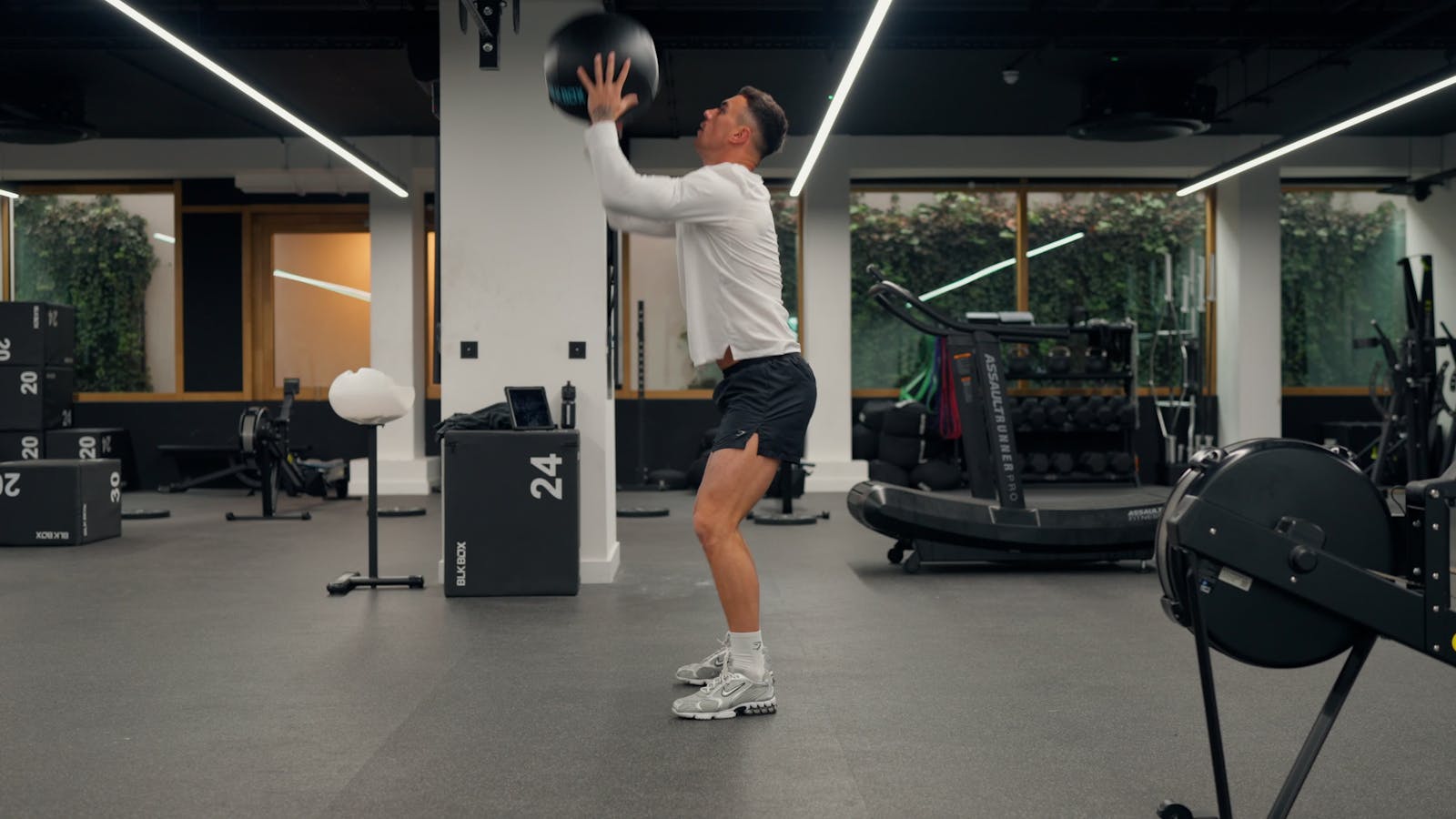
Start with 5 to 10 minutes of light cardio to raise core temperature, then progress to dynamic movement patterns that mimic play. Use leg swings, walking lunges, A-skips, and band-assisted shoulder circles for 8 to 12 reps each, performed in a flowing circuit to prime coordination as well as tissue elasticity. Finish with 2 sets of sport-specific activation, for example, 6 shallow drop landings focusing on soft knees and high hips, then 4 single-leg hops for balance.
Why This Matters for Practice Design, Not Ceremony
Split the warm-up into three phases:
General aerobic
Dynamic mobility plus activation
Sport-specific neuromuscular reps
Track compliance by assigning a 3-point readiness checklist before each session, including heart rate up, acceptable movement quality, and no focal tenderness. In youth programs, controlled studies show that implementing a structured warm-up meaningfully reduces injury rates among youth basketball players, indicating that the mechanism is both neuromuscular and metabolic.
2. strength and conditioning
Prioritize multi-joint strength twice weekly, using 3 to 5 sets in the 4 to 8 rep range for maximal force, and 2 sessions in the 8 to 12 rep range for hypertrophy and endurance. Include Romanian deadlifts and Nordic hamstring eccentrics to raise tendon tolerance, and single-leg Romanian deadlifts or Bulgarian split squats for unilateral control. Program example for a 3-day week:
Day 1: Power plus unilateral strength
Day 2: Mobility and light conditioning
Day 3: Heavy posterior chain and core
Track progression with load, not reps alone; for example, increase the bar weight by 2.5-5 percent when target reps are hit for two consecutive sessions. Use objective tests every 6 weeks, such as single-leg hop distance and isometric mid-thigh pull, to quantify gains and guide deloads. Tracking movement baselines over time helps keep newly gained strength from slipping into improper movement patterns.
3. proper footwear and ankle support
Choose shoes that match your foot biomechanics, playing surface, and positional demands. Prioritize midsole cushioning for impact attenuation, outsole traction pattern for lateral grip, and a stable heel counter for rearfoot control. If you have recurring sprains, progress from high-top shoes to functional ankle bracing during high-risk periods, and pair it with targeted proprioception training to avoid creating a strength deficit from overreliance on external support.
Evidence and How to Use It
Ankle braces are associated with meaningfully lower sprain risk in some studies, indicating that braces are an effective adjunct to a broader rehab and conditioning plan, not a replacement for one. Use braces during games or high-volume sessions while continuing daily single-leg balance and controlled inversion-eversion loading to rebuild tissue tolerance.
4. balance and landing techniques
Start with alignment cues, then progress through measurable drills:
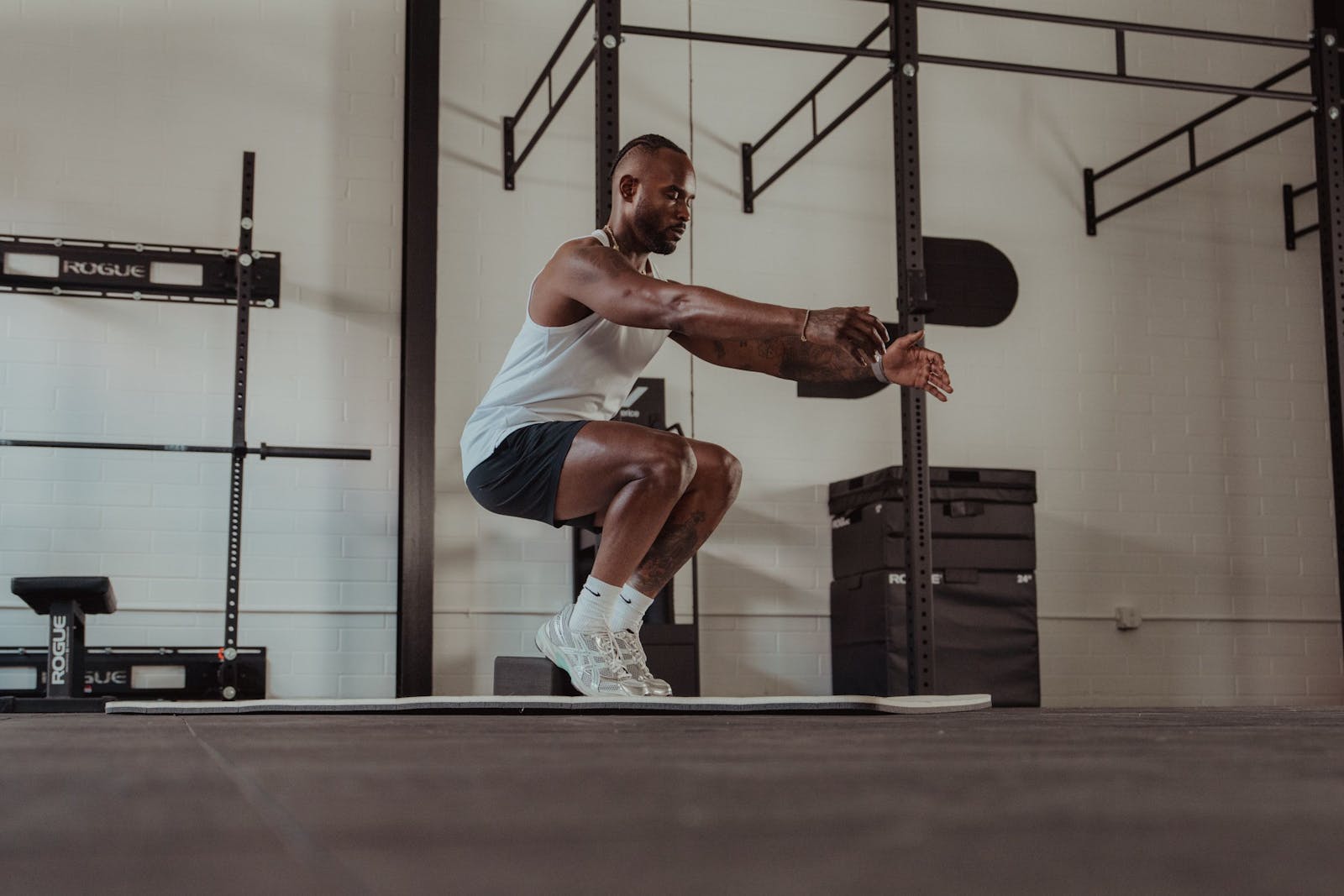
Double-leg drop landings with a target knee flexion of 30 to 40 degrees
Single-leg stick holds for 3 seconds
Reactive lateral hops with an emphasized soft landing
Video or use force-sensing mats if available to confirm reduction in peak ground reaction force and knee valgus angles. Progress intensity by adding cognitive load, such as catching a ball or responding to a coach's call, to reproduce game chaos.
A Practical Threshold
If a player cannot hold a single-leg stick for 3 seconds without hip drop or valgus, reduce jump volume and prioritize eccentric control work until stability improves.
5. keep yourself in good physical condition
Build an annual plan with clear phases, including base aerobic conditioning, strength hypertrophy, power/plyometric development, and competition tapering.
Off-season: Maintain three to four solid resistance sessions per week and two aerobic or cross-training sessions
In-season: Reduce resistance frequency while maintaining intensity to preserve strength.
Nutrition basics: Emphasize protein at 1.6-2.0 g/kg body weight daily, prioritize whole foods, and match carbohydrate intake to session intensity to support glycogen replenishment and recovery.
Monitor condition with simple field tests, such as Yo-Yo intermittent recovery or timed shuttle runs every 6 weeks, and use those results to adjust weekly volume.
6. hydrate, hydrate, hydrate
Adopt a hydration routine tied to timing and sweat rate. Drink 24 ounces of non-caffeinated fluid two hours before exercise, then another 8 ounces immediately before activity, and aim for roughly 8-ounce sips every 20 minutes during play. Weigh players pre- and post-session to estimate sweat loss and replace 1.2 liters per kilogram lost where practical. Include sodium in prolonged sessions or hot environments to preserve plasma volume.
Signs to act on include headaches, lightheadedness, dark urine, or a drop in perceived exertion rating; these are triggers to scale back.
7. avoid overuse injury
Use both objective and subjective markers, like persistent unilateral soreness, rising morning stiffness, or a week-on-week jump in perceived exertion without recovery, all of which require one to three days of reduced load. Adopt a deliberate microcycle in which high-intensity sessions are followed by low-load technical or mobility sessions, not by another maximal-effort session.
Implement a simple acute workload rule in practice. Avoid increasing weekly load by more than 10-15 percent for players without a graded progression history. If a player hits a workload spike, prescribe two recovery-focused sessions, one soft tissue or mobility block, and reduce jump count the following week.
8. fatigue and recovery management
Measure fatigue objectively and reactively, not by guesswork. Use a 1-10 wellness questionnaire daily, covering sleep hours, muscle soreness, and mood, and pair it with a weekly HRV snapshot to detect chronic loading. If two or more metrics decline for three consecutive days, reduce high-intensity work and prioritize aerobic maintenance, mobility, and soft-tissue work.
Introduce scheduled active recovery windows, such as two 20-minute low-load mobility sessions in the week following heavy play.
9. balanced conditioning
Balance means concurrent capacity in power, strength, and range of motion. Reserve at least one session weekly for mobility-strength hybrids, for example, loaded end-range lunges and deep squat holds under light load to expand usable range while reinforcing strength. Use tempo training during eccentric phases to build tissue resilience, and plan regular deload weeks every 4 to 6 weeks to allow connective tissue to adapt.
Track progress with simple metrics, such as bodyweight squat depth, single-leg hop symmetry, and slow eccentric control counts, then feed those into your planning system so you can bias workouts where deficits remain.
10. cross-training
Use low-impact cross-training, such as swimming or cycling, during deloads or injury recovery to maintain aerobic fitness while reducing eccentric load. Schedule two cross sessions during a heavy month instead of a third on-court session to preserve tissue health.
Use cross-training to expose athletes to different movement patterns that remodel weak links, for example, a focused hip extension pool session for players with stiff hips. Track transfer by measuring on-court sprint times and jump height after cross sessions to confirm retention.
11. off-season and pre-season conditioning
Design a 12-week pre-season ramp with progressive exposure. Start at 50 percent of peak weekly court minutes and add 10 percent each week while maintaining strength frequency. Insert a 2-week speed and reactivity block four weeks before competition, with controlled plyometrics and reactive drills limited by volume rules.
Test readiness with a return-to-play battery at the end of pre-season, including single-leg hop, change-of-direction timed drills, and a repeat sprint protocol, to ensure load tolerance before full exposure.
12. sleep and recovery strategies
Make sleep non-negotiable. Recommend athletes aim for 8 to 10 hours nightly for teenagers and 7 to 9 hours for adults, with consistent sleep-wake times. If evening practices interfere, shift caffeine and light exposure timing, and use a structured 60-minute wind-down routine that includes light mobility, no screens, and a 5-minute breathing exercise to reduce arousal.
If a chronic sleep deficit appears, reduce high-intensity training and emphasize recovery modalities; then retest sleep and performance after a one-week intervention.
13. mental preparation and sportsmanship
Mental readiness reduces risky plays and improves split-second decisions that otherwise cause contact injuries. Practice simple visualization scripts before games, run attention-focused drills that reward waiting and spacing, and rehearse communication protocols for screens and switches so players make coordinated decisions under stress.
Create a team code that rewards conservative choices when a risk is unnecessary, and track adherence in film sessions. Use brief, post-game reflection prompts to capture moments when decision-making led to near misses, then translate them into two-minute pre-practice reminders to reinforce safer habits.
how to implement a basketball injury prevention routine

what should your pre-practice warm-up look like?
Start with a movement that raises body temperature and primes the nervous system, taking no more than eight to ten minutes. Try this flow:
2 minutes easy bike or brisk walk, then 6 slow hip-controlled articular rotations
10 ankle wall dorsiflexion reps each side, and 8 slow thoracic rotations with reach
Follow with 2 sets of 10 banded lateral walks for hip stability and 2 sets of 8 prone scapular Y-T holds for shoulder control.
Finish with three 20-meter progressive approach runs that end in a controlled 3-second deceleration, and two low-effort lateral shuffle-to-cut reps where the goal is precision of foot placement, not speed.
These drills wake the sensory system and rehearse the exact patterns the court will demand.
why are these details worth your time?
This is not a ceremony; it is tuning. When warm-ups are rushed or replaced by casual stretching, players enter high-speed play with poor proprioception and underprepared tendons. This pattern appears across youth clubs and high school teams.
Limited warm-up time combined with rising game intensity leads to preventable harm. Remember, prevention is the small margin you build before the first full-speed rep.
which strength and balance exercises should you prioritize each week?
Choose exercises that build single-leg strength, eccentric control, and trunk stiffness without stealing the team's practice energy. Good choices you can rotate through are slow eccentric step-downs off a low box, Copenhagen adduction holds for 6 to 8 seconds to strengthen the medial groin, loaded glute bridge marches for hip drive under load, suitcase carries for anti-rotation core control, and eccentric calf raises on a step for Achilles resilience.
For balance, use single-leg reach progressions on an unstable surface and partner perturbation stands, in which a teammate applies light pushes for 10 to 15 seconds while you maintain posture. If practice time is tight, replace one conditioning block with a 20-minute targeted session; if you have more room, split the work into three 10-minute micro-sessions across the week.
how should you set intensity and progression?
Control matters more than heavy load for prevention. Use slow tempo on eccentrics, for example, a 4-second descent on step-downs, and increase external load only after technique is perfect for two consecutive sessions. Track simple measures, such as single-leg hold time or step-down control, on a 0 to 10 quality scale, and advance the exercise when that score improves by 20 percent.
how should you cool down and maintain flexibility after practice?
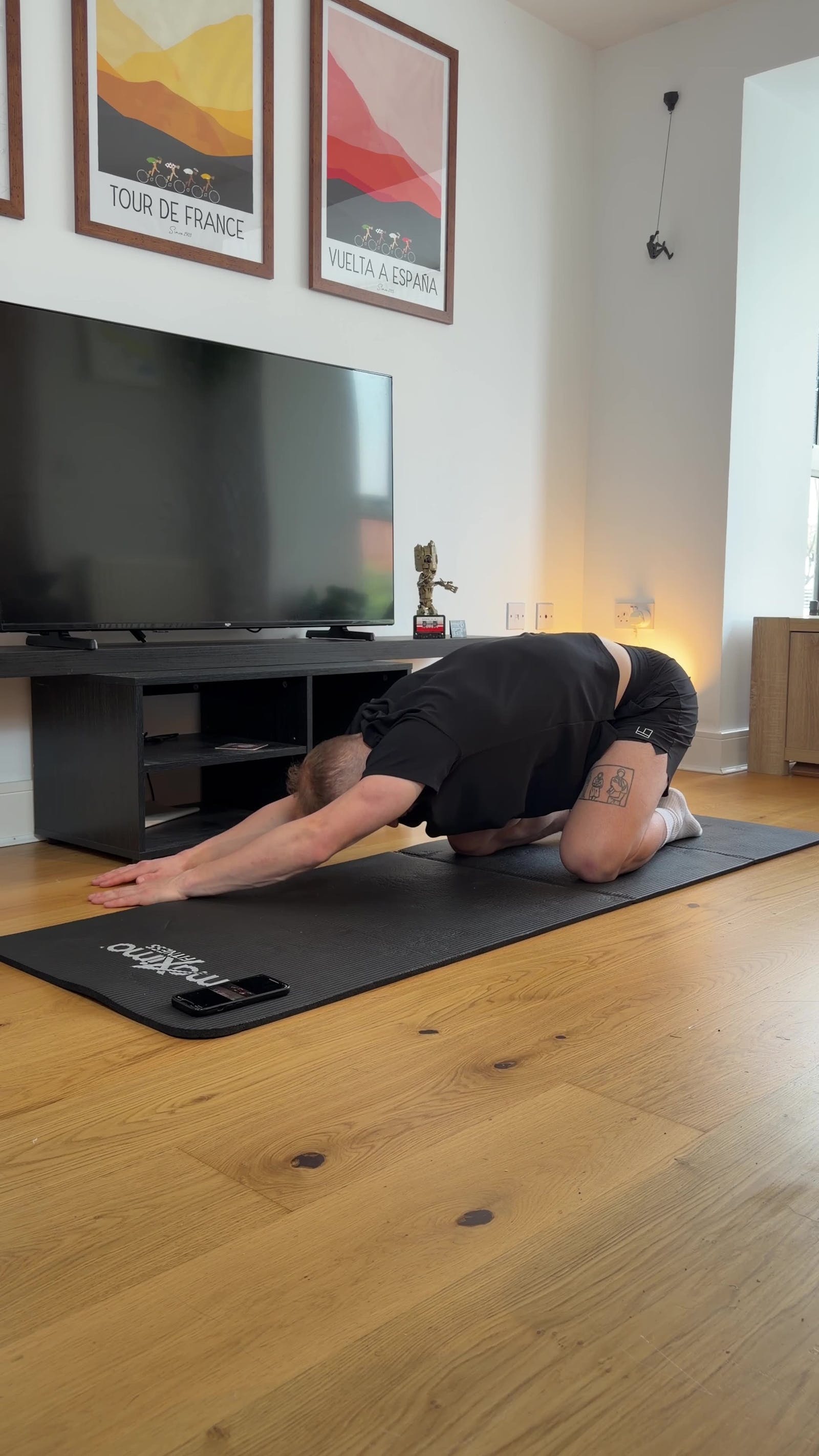
Make the cool-down a deliberate recovery window, not an afterthought. Spend 6 to 8 minutes moving gently, like 2 minutes easy cycling, then 2 sets of 8 banded hip hinge mobilizations to unload the posterior chain, 60 seconds of thoracic foam rolling, and two 45-second contract-relax hamstring holds using a band.
Conclude with controlled diaphragmatic breathing for 90 seconds to lower heart rate and support parasympathetic recovery. For players with hypermobility, pair these stretches with brief isometric holds immediately afterward so mobility gains translate into usable strength, not loose joints.
what does a 15 to 20 minute prevention circuit look like?
Do three rounds, resting 60 to 90 seconds between rounds. Keep movement quality strict.
8 slow eccentric step-downs each leg, 4-second lower.
6 Copenhagen adduction reps, each side, controlled hold at top.
12 glute bridge marches, steady tempo.
30 seconds single-leg reach on an unstable surface, both sides.
40-meter suitcase carry at moderate weight, alternating hands each round.
Use an RPE of 6 to 7, not maximal. Progress by shortening the eccentric tempo to 3 seconds, or by adding a light external load once all reps are clean.
what's the role of technology and monitoring in these routines?
You do not need fancy gear to get started, but objective monitoring helps teams catch risky spikes early. A large share of basketball injuries are considered preventable through proper training and conditioning, meaning smart, consistent practice beats one-off fixes.
When teams layer workload data into the plan, they close gaps faster because wearable technology that tracks player load is associated with meaningfully lower injury rates, giving coaches a measurable trigger to reduce jump volume or insert recovery days.
what practical adjustments help with real-world constraints?
If you have only one daily slot, split it into a 5-minute morning mobility check and a 10-minute pre-practice activation, then perform the 15-minute circuit twice per week. If you travel, compress by swapping step-downs for single-leg box holds and perform breathing-based recovery sessions after long flights. These small adjustments preserve the underlying training effect while fitting real-world schedules.
when you do this work consistently, what changes first?
Players move with greater confidence, deceleration becomes cleaner, ankle stiffness declines, and coaches no longer see the same soft-tissue problems reappear every month. The result is fewer missed practices, more consistent lineups, and longer careers.
prevent basketball injuries and play your best with pliability | get 7 days free
Teams default to quick fixes because schedules are tight, and that familiar approach lets mobility gaps and workload spikes go unnoticed until a player loses weeks of availability. Basketball injuries can sideline you for weeks or even months, but preventing them starts with proper mobility and conditioning.
pliability is a mobility app that helps you take control of your body and protect yourself from common injuries. Take the in-app mobility assessment to flag tight or unstable areas before they become an injury, then follow the Daily Sessions or pick a Path built for basketball's jumping, cutting, and landing demands. Build Your Program to focus on ankle, hip, and landing mechanics specifically, and if you're already managing a nagging issue, the Rebuild hub is built for that.
Don't wait for an injury to bench you. Sign up for 7 days free on iPhone, iPad, Android, or web, and start your basketball injury prevention routine today.
Related Reading




Move better in 10 minutes a day.
10,000+ five-star reviews.