


LEARN
pliability
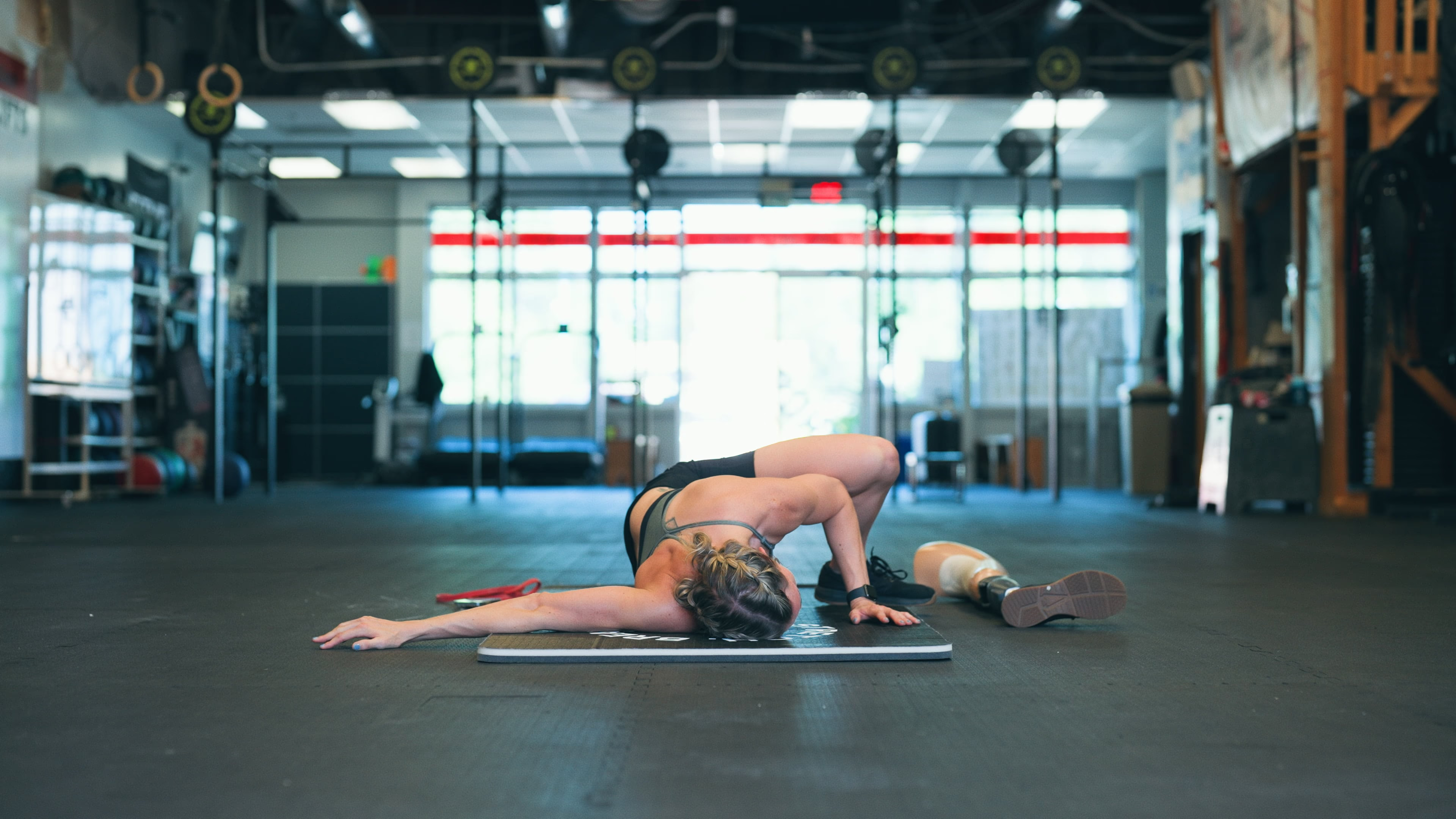
You know that slow full-body reach after a long day at the desk, when your shoulders drop and your back finally loosens up? In stretching routines and strategies, simple release matters a lot, and many people still ask why stretching feels good. This article explains how muscle relaxation, nervous system signals, endorphin release, and changes in your fascia all play a part, and it gives 11 easy, relaxing stretches you can add to your day for better flexibility, less tension, faster recovery, best stretching exercises, and a greater sense of well-being.
why does stretching feel good?

Without realizing it, many of us start our day by stretching before we even get out of bed. Involuntary stretching of your muscles is called pandiculation. It's a behavior seen in most types of animals to relieve muscle tension.
Few activities feel better after a period of inactivity than stretching. Stretching reduces your risk of getting injured, can induce a feeling of calmness, and is even thought to improve your circulation.
what your body does when you stretch
Humans have a natural tendency to avoid things that cause pain and to seek activities that feel good, and stretching is no exception. Your body's natural reward system makes stretching feel good, motivating you to keep your muscles at optimal tension.
Increased Blood Flow
Stretching promotes circulation, which delivers oxygen and nutrients to your muscles, helping them recover more quickly and perform more efficiently. This increased blood flow can also support your overall cardiovascular health over time: some research suggests that regular stretching of the ankles, feet, and legs may reduce stiffness, improve arterial blood flow in the legs, and help lower blood pressure.
Muscle Tension Relief
Most of us have experienced muscle tension at one point or another, and we know the relief that comes with getting rid of it. Stretching reduces muscle tightness and tension, which provides a sense of comfort.
Endorphin Release
Stretching is a form of exercise, meaning it releases endorphins, chemicals produced by your central nervous system and pituitary gland that function as neurotransmitters. They have greater pain-relieving effects than morphine and cause a feeling of euphoria when they bind with receptors in your brain. Endorphins are part of your body's natural reward system and are released after activities like exercise, sex, eating, and drinking, so it makes sense that a good stretch would improve your mood.
There's limited research specifically on how stretching affects endorphin release. Some work suggests it may help ease menstrual pain, potentially through the relaxation of blood vessels, the release of beta-endorphins, and reduced prostaglandin activity.
Nervous System Calming
Ever wondered why you feel so calm after a yoga class? It's because when muscles are stretched, sensory receptors send signals to the brain that give you relief and relaxation. This stretch reflex acts as a protective mechanism for the body.
When you stretch, the parasympathetic nervous system activates, creating a state of calm within the body. This shift is linked to a reduction in stress hormones like cortisol and an increase in endorphin production, which can improve mood. Static stretching in particular activates your parasympathetic nervous system, which handles your rest-and-digest functions, while inhibiting your sympathetic (fight-or-flight) nervous system.
Some workplace research has also linked stretching breaks during the workday to reduced anxiety and fatigue and improved energy and mood.
Improved Mind-Body Connection
Believe it or not, meditation isn't the only way to improve the mind-body connection: stretching can do that too. Stretching tends to bring a sense of mindfulness and awareness of your own body, which itself creates feelings of relaxation and less stress.
what are the benefits of stretching?
There are many benefits to stretching your muscles regularly. Let's look at these benefits in more detail.
Increased Flexibility
Regularly stretching may help improve your flexibility, especially if you live a sedentary lifestyle. Your flexibility naturally decreases as part of the aging process, but stretching may help slow down this process.
Improved Circulation
Stretching causes short-term improvements in circulation by relaxing your blood vessels and increasing the amount of blood your heart pumps.
Although it's a relatively new area of research, it's thought that stretching may have long-term benefits on your circulatory health, such as improved blood vessel function and lower blood pressure.
Stress Relief
Static stretching activates your parasympathetic nervous system. Activating this branch of your nervous system may help alleviate the psychological effects of stress. This may help induce feelings of calmness and relaxation.
Better Sports Performance
Achieving a full range of motion through all your joints may help boost your sports performance. For example, to achieve maximum speed, a sprinter needs to be able to extend and rotate their hips fully.
Both static and dynamic stretching can help you improve your range of motion. However, static stretching should be reserved for after workouts since it can decrease force production.
Improved Posture
Muscle tightness and tension can negatively affect your posture by pulling your spine into positions that can put stress on your back, neck, and core muscles.
Research has shown that regular stretching in combination with core strengthening exercises may help improve poor posture and alignment.
11 feel-good stretches to add to your routine

1. diaphragmatic box breathing
Calms the nervous system and oxygenates muscle tissue.
Step-by-step instructions:
Sit or lie down comfortably. Place one hand on your chest and the other on your abdomen.
Inhale through the nose for four seconds, feeling your abdomen rise under your hand.
Hold your breath for four seconds.
Exhale slowly through the mouth for four seconds, letting the abdomen fall.
Hold empty for four seconds.
Repeat for five to ten cycles, or until your breathing slows and your mind steadies.
Muscles targeted:
Diaphragm
Intercostal muscle
Accessory breathing muscles
Indirectly reduces tension in the neck and shoulders.
When to do it: Use this technique during work breaks, before bed, or anytime you want to reduce stress and calm the nervous system.
Tips for proper form: Keep the chest relatively still and let the abdomen do the work. Breathe gently; avoid forcing air. Keep shoulders relaxed.
Variations for flexibility levels: Reduce counts to three seconds each for beginners. Increase to five or six seconds for more advanced breath control. Try sitting with a straight spine for better lung expansion.
2. chest doorway stretch
Open the chest and relieve shoulder and neck tightness.
Step-by-step instructions:
Stand in a doorway and bend both elbows to about 90 degrees with forearms on the door frame.
Step one foot forward.
Gently lean your chest forward until you feel a stretch across the chest and front of the shoulders.
Hold for 30 to 60 seconds.
Step back, relax, then repeat once or twice.
Muscles targeted:
Pectoralis major and minor
Anterior deltoids
Upper chest and front shoulder fibers
When to do it: After workouts that load the chest or shoulders, during work breaks to counteract forward rounding, or anytime the neck and upper back feel tight.
Tips for proper form: Keep your rib cage down and avoid overarching the lower back. Squeeze the shoulder blades lightly and breathe into the stretch.
Variations for flexibility levels: For a less intense move, move the hands higher on the frame. For more intensity, move the hands lower and lean further forward.
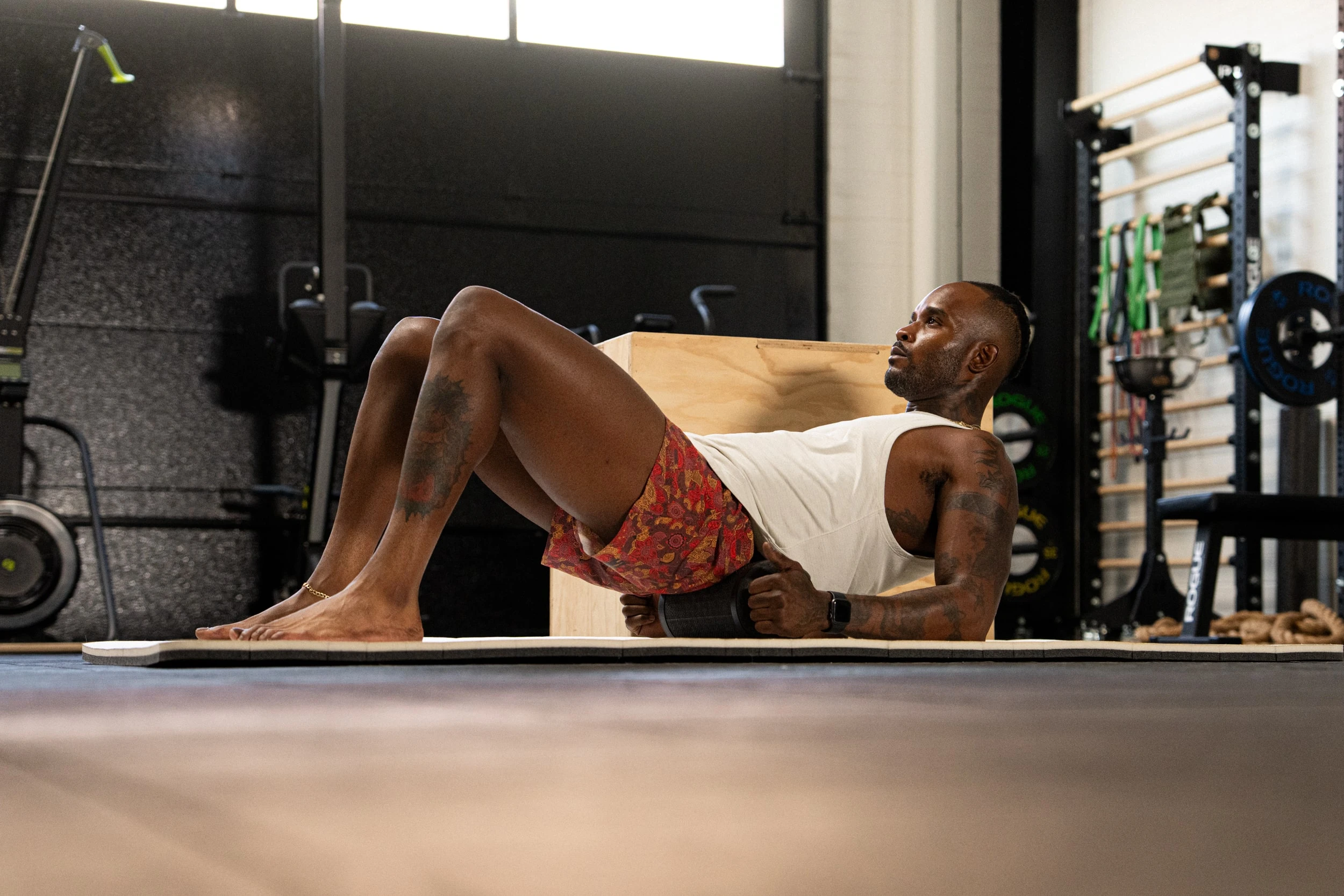
3. thoracic spine extension
Improve upper back mobility and posture.
Step-by-step instructions:
Lie on your back with a foam roller under the shoulder blades or use a rolled towel.
Place your hands behind your head and draw your elbows slightly forward.
Gently extend the upper back over the roller, keeping the lower back neutral.
Hold for five to ten seconds, then sit up, rest, and repeat five to ten times.
Muscles targeted:
Thoracic spine extensors
Posterior shoulder muscles
Mid-back tissues.
When to do it: After periods of sitting, during mobility sessions, or as part of a warm-up for overhead activities.
Tips for proper form: Avoid overextending the lower back. Move slowly and stop at a comfortable point. Keep the neck long and avoid forcing the head back.
Variations for flexibility levels: Use a softer towel for less pressure. For a wider range, place the roller slightly higher or use two smaller rollers stacked.
4. standing forward fold
Decompress the spine and calm the mind.
Step-by-step instructions:
Stand with feet hip-width apart.
Hinge at the hips and let your torso fold over your legs.
Allow the head and neck to hang heavy.
Hold and breathe deeply for 30 seconds to one minute.
Muscles targeted:
Hamstrings
Calves
Lower back muscles
Spinal extensors
When to do it: After workouts to release the lower back and hamstrings, during a morning routine to wake up, or before bed to relax.
Tips for proper form: Soften the knees slightly if hamstrings limit your fold. Keep a long spine as you hinge then relax into the hang.
Variations for flexibility levels: Bend the knees more to reduce tension. Place hands on blocks or a chair for extra support. For deeper release, try a seated forward fold on the floor.
5. cat cow stretch
Mobilize the spine with breath and release tension.
Step-by-step instructions:
Start on all fours with wrists under shoulders and knees under hips.
Inhale and drop the belly while lifting the tailbone and head up into Cow.
Exhale and round the spine, tucking the chin to the chest into Cat.
Move with your breath for 8 to 12 cycles, slow and controlled.
Muscles targeted: Spinal extensors and flexors, abdominals, and back muscles.
When to do it: As part of a warm-up, during work breaks to loosen the spine, or before bed to unwind.
Tips for proper form: Keep movements fluid and avoid forcing range. Let the breath guide the rhythm.
Variations for flexibility levels: Reduce range of motion for sensitive spines. Add a gentle pelvic tilt or hold one position longer for focus.
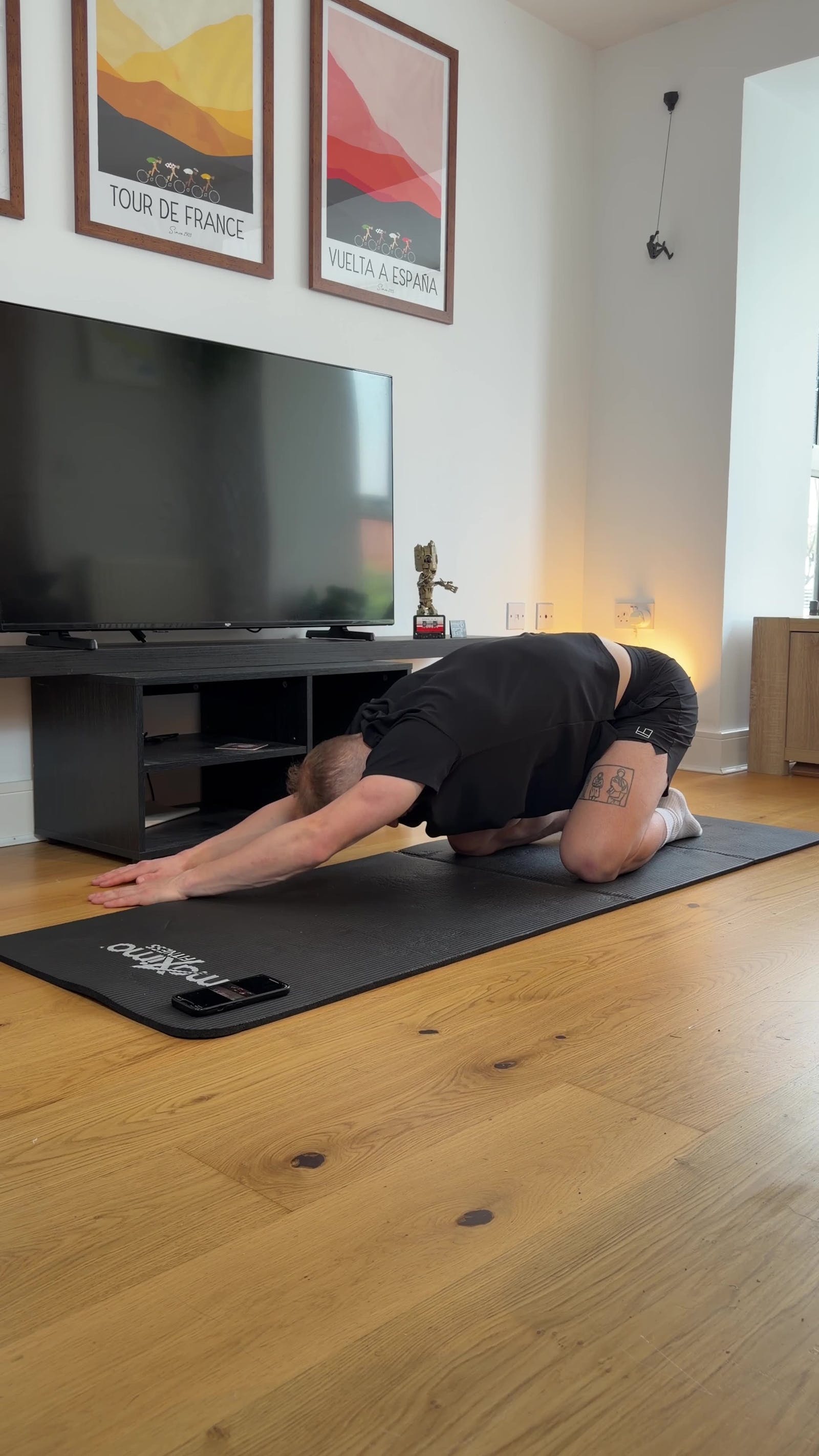
6. child's pose
Release the lower back and invite calm.
Step-by-step instructions:
Kneel on the floor and sit back on your heels.
Extend your arms forward and lower your forehead to the ground.
Relax into the pose and breathe deeply for 30 seconds to several minutes.
Muscles targeted:
Low back
Hips
Glutes
Shoulders when arms are extended.
When to do it: At the end of a practice, during stress breaks, or when the lower back feels tight.
Tips for proper form: Drop the chest toward the thighs. Widen the knees for more space in the abdomen.
Variations for flexibility levels: Use a towel or cushion under the forehead. Try wide-leg Child's Pose to open the hips more.
7. seated hamstring stretch
Ease tight hamstrings and relieve lower back pressure.
Step-by-step instructions:
Sit on the floor with one leg extended and the other bent so the sole touches the inner thigh.
Hinge at the hips and reach toward the toes of the extended leg.
Keep a long spine as you move and hold for 30 to 60 seconds.
Switch sides.
Muscles targeted:
Hamstrings
Calves
The muscles along the back of the pelvis
When to do it: After lower body workouts, during work breaks to counter sitting, or before bed to relax the posterior chain.
Tips for proper form: Lead with the chest rather than rounding the back. Bend the knee slightly if you feel pinching in the back.
Variations for flexibility levels: Use a strap around the foot to reach without rounding. For a deeper stretch, straighten the knee and flex the foot toward you.
8. low lunge hip flexor stretch
Free tight hips and improve posture.
Step-by-step instructions:
From standing, step one foot forward and lower the back knee to the floor.
Tuck the pelvis under slightly and press the hips forward until you feel a stretch through the front of the hip of the back leg.
Hold for 30 to 60 seconds and switch sides.
Muscles targeted:
Hip flexors, including psoas and iliacus
Quadriceps of the back leg.
When to do it: After running or prolonged sitting, as part of mobility work, or anytime hip stiffness limits movement.
Tips for proper form: Keep the front knee over or slightly behind the ankle. Avoid arching the lower back by engaging the core.
Variations for flexibility levels: Place hands on blocks for support. To intensify, reach the same side arm overhead and lean toward the front leg.
9. supine figure four glute stretch
Release gluteal tightness and reduce sciatic tension.
Step-by-step instructions:
Lie on your back with both knees bent and feet flat.
Cross the right ankle over the left thigh just above the knee, forming a figure four.
Thread your hands behind the left thigh and gently pull the left leg toward your chest until you feel a stretch in the right glute.
Hold for 30 to 60 seconds and switch sides.
Muscles targeted:
Gluteus maximus and medius
Piriformis
Outer hip rotators
When to do it: After lower body workouts, during back-friendly mobility sessions, or when the hips feel tight after sitting.
Tips for proper form: Keep the neck relaxed and the lower back on the floor. Avoid pulling with momentum.
Variations for flexibility levels: Use a strap around the thigh if hands cannot reach. For more intensity, straighten the bottom leg.
10. neck release and side bend
Ease neck tension and improve range of motion.
Step-by-step instructions:
Sit or stand tall. Drop your right ear toward your right shoulder.
Keep the left shoulder down and reach the left arm gently toward the floor for a deeper stretch.
For more release, place the right hand lightly on top of the head and apply gentle pressure.
Hold 20 to 40 seconds, breathe into the area, then switch sides.
Muscles targeted:
Upper trapezius
Levator scapulae
Scalenes
Neck muscles
When to do it: During work breaks, after long phone or computer sessions, or anytime neck stiffness builds.
Tips for proper form: Move slowly and never force the neck. Keep shoulders relaxed and chest open.
Variations for flexibility levels: Reduce pressure by keeping your hands off the head. Add small nodding motions to mobilize the cervical spine.
11. reclined spinal twist
Rotate the spine and ease low back tension.
Step-by-step instructions:
Lie on your back and draw your knees into your chest.
Extend arms out to a T with palms down.
Drop both knees to one side while looking toward the opposite hand.
Keep both shoulders grounded and hold for 30 to 60 seconds, then switch sides.
Muscles targeted:
Erector spinae
Obliques
Gluteal muscles
Deep spinal rotators
When to do it: After workouts to release the spine, in the evening to promote relaxation, or during mobility sessions to restore range of motion.
Tips for proper form: Lead with the knees and keep the opposite shoulder down. Breathe into the rotation to invite deeper release.
Variations for flexibility levels: Keep knees higher toward the chest to reduce intensity. Place a pillow under knees for support if the twist feels sharp.
Which of these fits your routine today? Try one or combine two to reduce muscle soreness, improve circulation, and trigger the calming response that makes stretching feel so good.
how to stretch correctly

Like with any type of exercise, you can get injured if you rush into stretching or do it incorrectly. Always warm up slightly before stretching to increase muscle flexibility and reduce the risk of injury. Five to ten minutes of light activity, such as a quick walk, is usually enough, or you can stretch after an aerobic or weight-training workout. Stretching muscles before they're warmed up can hurt them: when everything is cold, the fibers aren't prepared and may be damaged.
breathing and pacing matter
Don't rush your stretches: hold each one for at least 30 seconds to encourage muscle elongation and relaxation, and up to about 90 seconds when the goal is deeper tissue lengthening and a calmer nervous system. Don't bounce, which can cause injury.
Breathe into each stretch and listen to your body. Avoid pushing into pain; stretching should be a gentle pull, not a forceful tug that causes pain. You'll feel tension during a stretch, but you shouldn't feel pain. If you do, there may be an injury or damage to the tissue: stop stretching that muscle and talk to your doctor.
Check your posture and alignment so the stretch targets the intended tissue, and pay attention to how stiffness changes across days to guide how often you stretch.
Consistency is key: incorporate stretching into your routine daily if you can, even if it's only five to ten minutes, or aim for at least two to three times a week. Include time for both a pre- and post-workout stretch when you can, generally favoring a dynamic stretch routine for the warm-up and a static stretch routine for the cool-down.
try a hamstring stretch
A hamstring stretch will keep the muscles in the back of your thigh flexible. Sit on the floor with your legs in front of you. Slide your hands down your legs until you feel a gentle stretch in the back of your thigh. Hold for 30 seconds, then slowly return to a sitting position.
the cumulative effect of stretching
Stretching once today won't magically give you perfect flexibility. You'll need to do it over time and remain committed to the process.
It may have taken you many months to get tight muscles, so you're not going to be perfectly flexible after only a few sessions. It takes weeks to months to get flexible, and you'll have to continue working on it to maintain it.
how mobility work speeds recovery and reduces pain
Regular mobility work also breaks up stiffness in connective tissue and improves joint tracking, so movement demands spread more evenly across your muscles instead of overloading a few spots, which is part of why targeted mobility work can ease soreness.
Controlled range-of-motion work can also reduce trigger-point sensitivity and help proprioception return to normal, which supports better balance and coordination in sport and daily life.
make stretching part of your routine with pliability
A good stretch feels great in the moment, but the real payoff comes from doing it consistently. pliability's mobility assessment shows you where you're actually tight or restricted, then Daily Sessions and structured Paths guide you through the stretches and breathing cues that make relaxation and recovery repeatable, not random. Use Build Your Program to build a routine around the stretches in this article, or start in the Rebuild hub if you're working back from an injury.
Try pliability free for 7 days on iPhone, iPad, Android, or the web, and turn that good feeling after a stretch into a habit.
Related Reading



Move better in 10 minutes a day.
10,000+ five-star reviews.