


LEARN
pliability
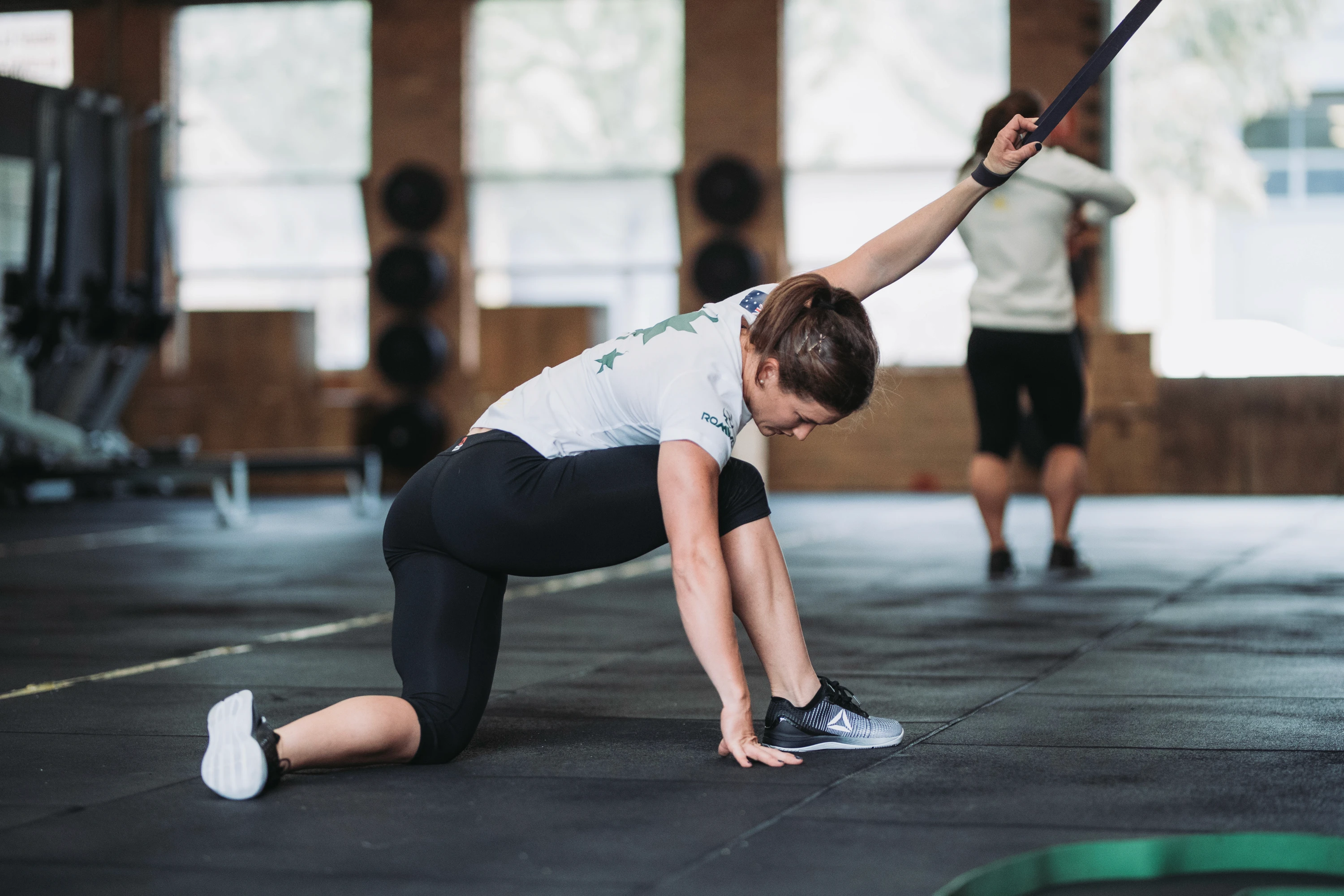
After a run or a long day at a desk, you stretch and wonder if those slow moves do more than keep you flexible. Does stretching burn enough calories to matter for weight loss or fitness? And how do static stretches compare with dynamic mobility work for calorie burn, metabolic rate, and muscle engagement? This article breaks down energy expenditure for passive and active stretching, compares static and dynamic stretching routines, and shows simple ways to get more out of your routine, including the best stretching exercises to make every minute count.
does stretching burn calories?

Yes. Stretching burns calories, but the amount is small compared with cardio or strength training. Your muscles use energy to move and hold positions, so even gentle stretching increases calorie use above resting levels.
what are calories and where does that energy come from?
Calories measure energy the body uses to do everything from breathing to walking. Food provides that energy. The body converts carbohydrates, fats, and proteins into fuel that powers movement, heat production, and basic metabolism.
how does activity use calories?
Every action, standing, digesting a meal, lifting a leg, requires ATP, the cellular energy currency. Your metabolism supplies ATP by burning calories. When you move more or work harder, your cells need more ATP and you burn more calories.
three main factors that determine calories burned
Intensity: Higher intensity raises heart rate and muscle work, and that uses more energy. Running, swimming, or cycling at pace burns far more calories than slow stretching.
Duration: The longer you keep moving, the more total calories you expend. A 60 minute session burns more than a 20 minute session at the same intensity.
Body Composition: Muscle tissue uses more energy at rest and during activity than fat tissue. Heavier people and those with more muscle mass typically burn more calories for the same activity.
how stretching stacks up on those factors
Stretching usually scores low on intensity because movements are slow and controlled. Sessions are often short, from 5 to 30 minutes, which limits total energy use. Stretching rarely taxes the largest muscle groups the way squats or rowing do, so the calorie cost stays modest.
estimated calorie burn for common examples
A 30-minute stretching session will burn only a modest number of calories, but results vary by body size and effort level.
125-pound person: about 70 calories for 30 minutes of stretching. For comparison, sitting quietly for 30 minutes uses about 28 calories for that person.
150-pound person: roughly 90 to 120 calories for 30 minutes of stretching, depending on how active the routine is.
200-pound person: about 113 calories for 30 minutes of stretching, versus about 45 calories when sitting quietly for 30 minutes.
why those numbers differ
Weight changes the energy cost because moving more mass requires more work. Adding dynamic components, like active mobility drills or yoga flows, lifts intensity and raises calorie burn. Holding long sustained stretches burns less than moving through full ranges with muscle tension.
what stretching gives you besides calorie burn
Stretching improves joint range of motion, shortens recovery time after hard workouts, lowers injury risk when you prepare tissues properly, and supports mental calm and focus. Those outcomes help you train harder and more often, which increases total energy burned across days.
how to fit stretching into a weight loss or fitness plan
Use stretching as part of a balanced routine that includes aerobic work and resistance training to raise daily calorie burn and build muscle. Try active mobility before workouts and longer static stretching after training or on recovery days.
why should I add stretching to my routine?

Reaching down to touch your toes and holding the position feels easy, and that matches the energy cost. Static stretching has a low metabolic demand compared with running or strength training. Your body is still burning energy to maintain basic functions, so that you will register some calories burned during a hold, but the number is small and not a reliable way to lose weight on its own.
Do you want to get leaner? Use cardio and resistance training for direct caloric burn and muscle building, and treat stretching as a support tool that keeps your body ready to perform.
spend minutes, gain mobility
You do not need long sessions to see gains. A few focused minutes every day improve joint range of motion and tissue flexibility.
Consistent practice prevents stiffness, makes daily tasks like tying your shoes or reaching into a high cabinet easier, and reduces the risk of injury when lifting or bending. Even if you only stretch two or three times a week, your body will feel more comfortable and move with less friction during regular activity.
move more without trying: the NEAT effect
Non-exercise activity thermogenesis, or NEAT, covers all the calories you burn outside formal workouts. Walking through the grocery aisle, carrying a child, and standing while folding laundry, these add up.
When joints glide smoothly and movement feels easy, you naturally move more. Less joint pain and stiffness make stair climbing less annoying and yard work less draining, which raises daily activity and total calorie burn without changing your workout plan.
lower stress, better appetite control
Stretching slows your breathing, increases blood flow to tissues, and triggers a relaxation response. That reduces stress hormones that can drive emotional eating.
Short stretching breaks at lunch or a mild yoga session after work lower tension and sharpen focus. Try a five-minute breathing stretch sequence when cravings spike to test how it alters your mood and choices.
make every workout work harder
Tighter muscles limit joint range and restrict how fully you can perform a squat, a deadlift, or chase down a soccer field. Improving mobility helps you reach a safer depth, recruit larger muscle groups, and activate more muscle fibers when you lift.
Better movement quality boosts the effectiveness of strength work and helps grow metabolically active muscle mass. You will recover faster and spend less time sidelined by niggling injuries.
how flexibility supports weight loss goals without replacing exercise
Stretching does not replace calorie-burning workouts, but it amplifies their impact. Better mobility lets you train with a fuller range, lift heavier with good form, and do higher-quality cardio sessions.
Increased blood flow speeds recovery and reduces delayed onset soreness, letting you train more frequently. All of these effects support fat loss indirectly by improving the consistency and intensity of your primary training.
static versus dynamic: when to use each
Use dynamic movement sequences before a workout to warm up the muscles and prime the nervous system. Examples include leg swings, arm circles, and hip openers performed for 30 to 60 seconds.
Save more prolonged static holds for after exercise when muscles are warm. Hold each static stretch for 20 to 60 seconds without bouncing, and breathe slowly to assist relaxation and tissue lengthening.
practical routines you can do anywhere
Quick mobility circuit for mornings or breaks:
Cat cow for spinal mobility, 30 seconds
Standing hip circles, 30 seconds each side
World’s most excellent stretch, five reps each side
Chest opener doorway hold, 30 seconds
Post-workout cool down for flexibility:
Seated hamstring reach, 30 to 45 seconds each side
Calf wall stretch, 30 seconds each side
Quad kneeling stretch, 30 seconds each side
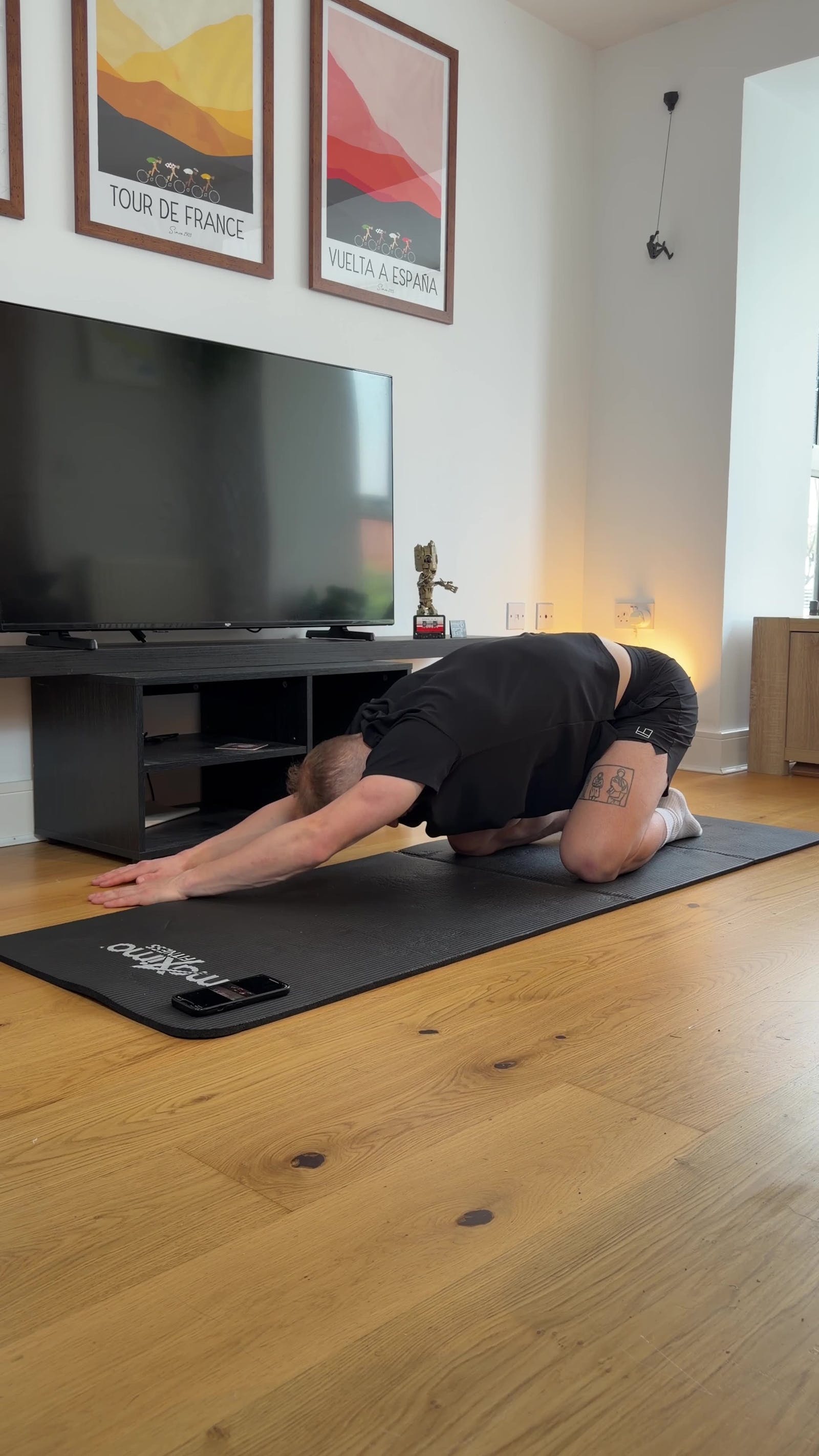
Child pose with deep breathing, 45 seconds
Perform one to three rounds depending on time and soreness, and breathe slowly through each hold.
how often, how long, and progression
Aim for short daily sessions or three longer sessions per week. Start with 10 minutes daily or two 20-minute sessions weekly and scale up as mobility improves. Hold times of 20 to 60 seconds work well for most people.
Increase the challenge by slightly extending hold time or adding a gentle movement through the range. Stop if sharp pain occurs and seek guidance for persistent limitations.
injury prevention and long-term joint health
Regular flexibility work reduces the risk of muscle strain and tendon overload when you lift or push hard. Better joint mechanics lower uneven wear on cartilage and tendons, which helps you sustain physical activity into later decades. Think of stretching as maintenance that preserves movement quality and keeps you available for the activities you enjoy.
simple tips to stay consistent
Pair short stretches with habits you already have. Stretch after brushing your teeth or during your morning coffee. Keep a mat by the couch and do two stretches during commercial breaks. Track small wins, ten minutes today, then a little longer tomorrow. Consistency trumps intensity for lasting gains in mobility and daily function.
are there stretches that burn more calories than others?

Stretching will burn calories, but the difference between one stretch and another is small. Movements that recruit multiple muscle groups, demand balance or strength, or are done with motion tend to increase heart rate and oxygen use, so they raise calorie expenditure slightly more than simple holds.
Still, overall caloric cost remains low compared with aerobic exercise. Want to squeeze more energy out of your flexibility work? Choose movements that involve muscle activation, balance, and steady movement.
move more with dynamic stretches: momentum and muscle activation
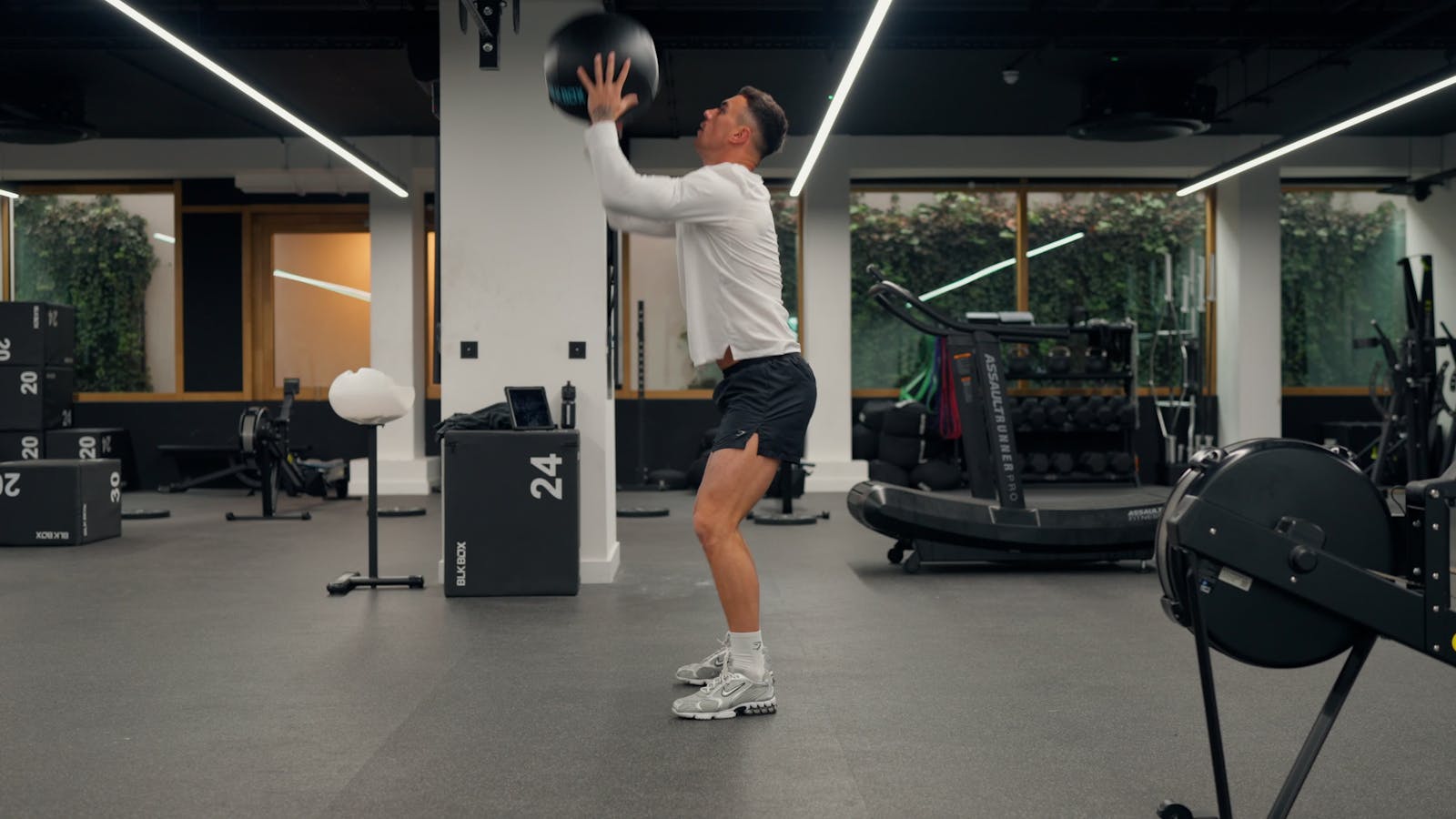
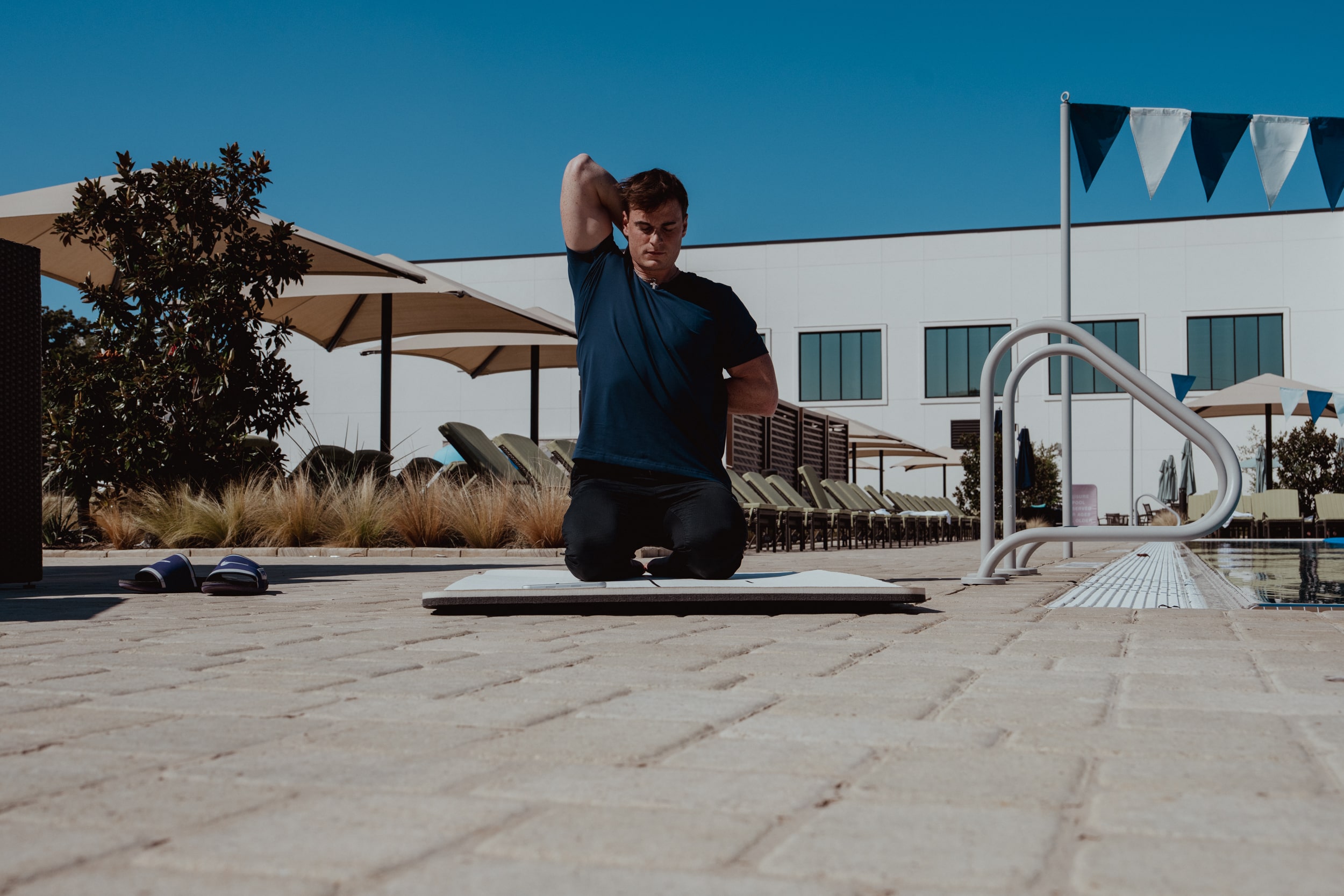
Dynamic stretching uses controlled motion to warm tissues and prepare the body for activity. Think arm circles, walking lunges, high knee hugs, leg swings, and inchworm style reaches.
These feel more like light calisthenics than passive holds. Because dynamic moves elevate breathing rate and engage more muscle mass, they burn more calories than static holds, roughly 135 to 200 calories per 30 minutes, depending on body weight and intensity. Use these when you want a mobility warm-up that also nudges energy expenditure and raises metabolic demand.
use static stretches for deep flexibility and low calorie cost
Static stretching means holding a lengthened position. If your session looks like sitting and lying floor work, your caloric burn will be closer to resting seated energy use.
calories burned from stretching vs sitting
For context, a 155-pound person burns about 42 calories in 30 minutes of sitting, and static stretching usually only adds a small amount above that. Hold each stretch for 20 to 30 seconds and repeat about three times for the best gains in range of motion.
Stretch to the point of strong pulling or a burning sensation, but stop before sharp pain, which signals possible tissue damage. Both static and dynamic approaches improve flexibility and range of motion when performed consistently.
things to think about: time, frequency, and practical choices
Most standalone stretching sessions last five to 15 minutes, leaving plenty of time during the day for higher-calorie activity. Even so, flexible work matters for movement quality, injury prevention, and performance.
How Often Should You Stretch?
Aim to target every major muscle group at least three times per week to preserve and improve mobility. If calorie burn is the goal, combine mobility work with higher intensity cardio or strength sessions, or lengthen dynamic sequences to increase oxygen consumption and metabolic rate.
sample 10-minute stretching routine you can do anywhere
You can perform these moves at home, after a workout, or at your desk. This routine takes about 10 minutes and helps loosen joints while promoting mobility.
Full Body Roll
Stand tall and reach your arms overhead.
Relax the arms and roll the spine down toward the floor.
Allow the arms to hang and keep a soft bend in the knees to protect the back.
Hold the low position while breathing for 5 to 15 seconds, then roll back up and repeat.
Crescent Moon Side Bends
Reach both arms over your head and gently curve the torso into a C shape to the left, then to the right.
Stay in each side bend for 10 to 15 seconds while keeping the ribs soft and breathing steadily.
Neck and Shoulder Release
Sit or stand tall and tilt your chin toward your chest to ease the back of your neck.
Slowly roll the head to the left and right to stretch the sides of the neck and top of the shoulders.
Hold each position for 5 to 10 seconds and repeat with gentle breath.
Chest Opener for Upper Body Mobility
Sit or stand and clasp your hands behind your back.
Draw the shoulder blades together and lift the chest to feel an opening across the front of the shoulders.
Hold for 5 to 10 seconds and repeat while maintaining a long spine.
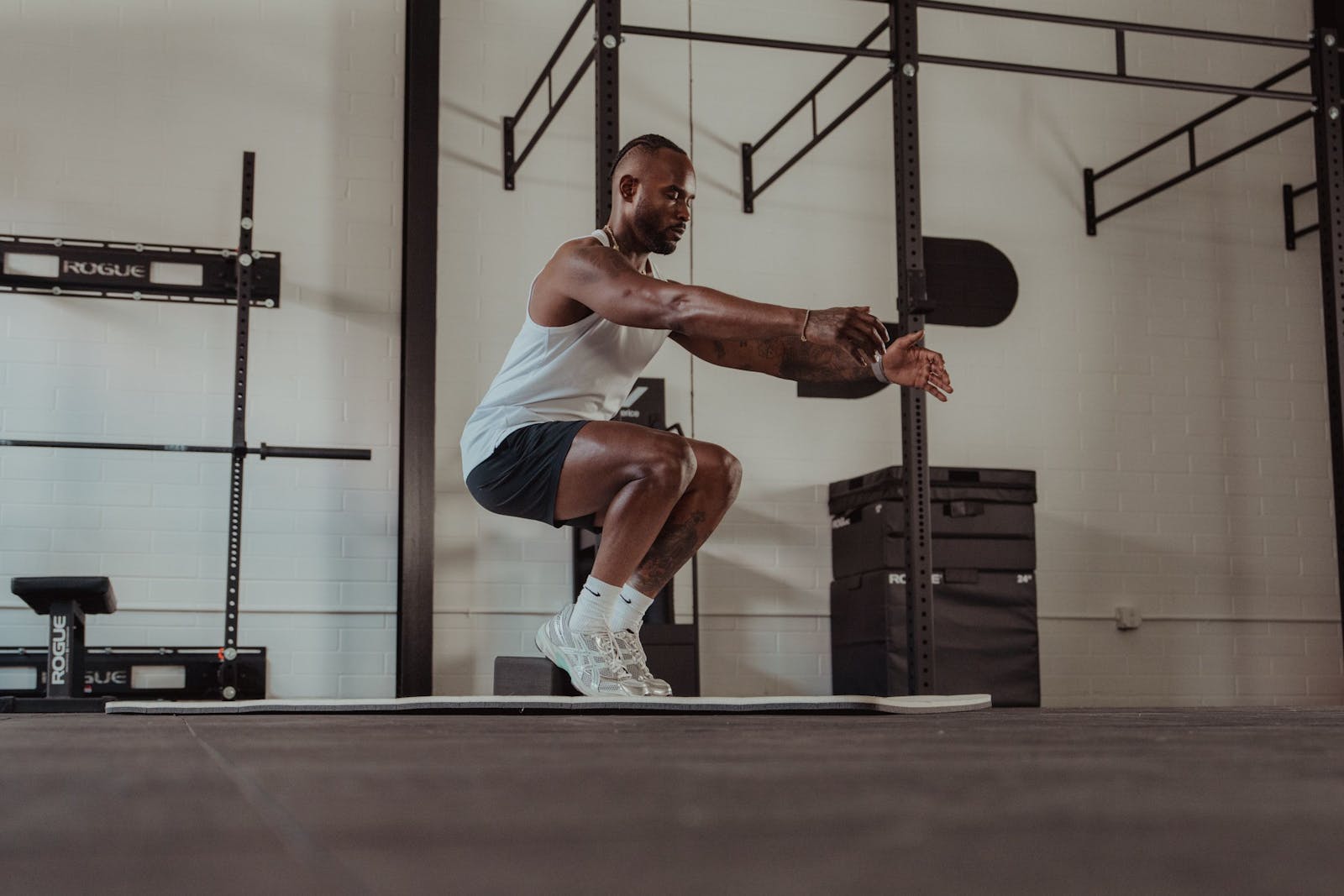
Hip and Inner Thigh Stretch to Improve Squat Depth
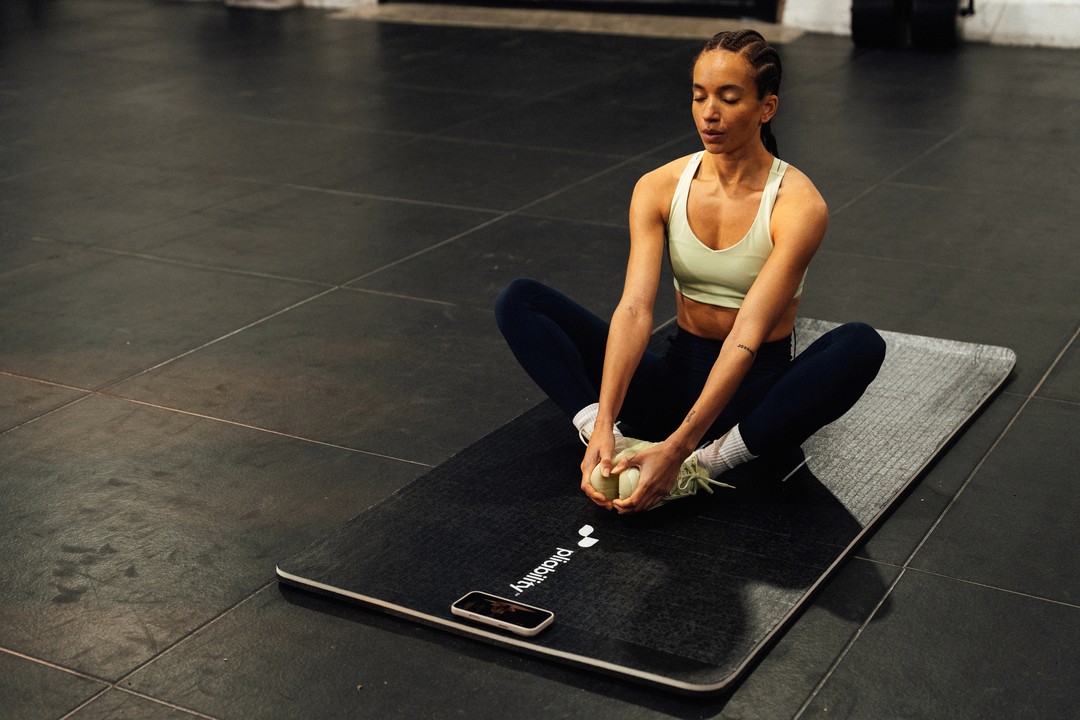
Sit and bring the soles of the feet together in front so the legs form a diamond.
Keep a long spine and hinge forward from the hips, bringing the chest toward the feet as far as comfortable.
Hold for 15 to 30 seconds while breathing and repeat to work hip mobility.
make mobility work count toward your goals

If calorie burn is part of the goal, increase tempo and movement complexity rather than just holding stretches longer. Adding joint-friendly strength moves, like loaded carries, short glute bridges, or resisted band work, between mobility drills raises energy use, and turning a 10-minute mobility session into a 20-minute circuit by repeating flows and reducing rest works the same way.
The pliability app's Daily Sessions mix active mobility, joint-specific drills, and soft tissue work so flexibility gains do not come at the expense of strength or stability, whether you are warming up before training, cooling down after a hard session, or working through an easy recovery day. A mobility test uses body-scanning to flag joint restrictions and asymmetries so you can move from general stretching to targeted work, Paths and Build Your Program let you structure sessions around your training week, and the Rebuild hub keeps recovery-focused flows in one place.
You can try it with a free 7-day trial on iPhone, iPad, Android, or web, or start at pliability.com.
Related Reading





Move better in 10 minutes a day.
10,000+ five-star reviews.