


LEARN
pliability

Stretching alone will not build muscle the way resistance training does, though a few specific, high-intensity stretching protocols have been shown to trigger measurable muscle growth in tightly controlled settings. This article sorts through that research and turns it into practical tips, including the best stretching exercises, so you can build strength and size efficiently while staying flexible and injury-free.
does stretching build muscle?

Research shows stretching can cause measurable increases in muscle size and strength in particular settings, but that does not translate to a general recommendation to skip resistance training. Two small human studies used extreme protocols:
One in the European Journal of Applied Physiology had participants hold a pec stretch for 15 minutes per session, four times per week for eight weeks, using equipment to maintain high intensity
Another study had participants wear a boot that held the calf in a stretched position for one hour per day for six weeks
Both reported hypertrophy and strength gains. Broader reviews of this research generally conclude that long-duration static stretching might help build or maintain muscle mass for people who cannot do conventional strength work, but that resistance training remains more effective and more practical.
how stretching could cause muscle growth
Mechanical tension sits at the center of hypertrophy. When a muscle experiences sustained tension at long lengths, cellular signaling pathways that trigger protein synthesis can be activated. In the extreme protocols mentioned, the stretch generated continuous high tension and sometimes involved active muscle resistance against the stretch.
The likely mechanism is that fighting a passive stretch with an active contraction raises muscle tension enough to turn a passive hold into something closer to an active, loaded stretch. Animal and mechanistic work supports that chronic stretch can promote sarcomere addition in series and other structural changes when the tension is sufficient.
why resistance training remains the most efficient path to size
Hypertrophy responds best to progressive overload delivered as mechanical tension, metabolic stress, and controlled tissue damage under load. Resistance training gives clear, scalable ways to increase load, volume, and time under tension.
Most static stretches do not provide that level of stimulus, since typical stretches lack the external load and progressive overload needed to meaningfully tax a muscle.
what the 2024 static stretch study shows
The European Journal of Applied Physiology trial compared a supervised 15-minute pec stretch performed four times per week to a traditional chest resistance program done three times per week. Both groups improved muscle thickness, isometric strength, and shoulder range of motion with no significant difference between them.
Key Caveats Matter
The stretching required specialized equipment to hold high intensity for long durations, supervision to keep the stretch intense, and a protocol that most people would not sustain outside a lab. The authors emphasized intensity and time under tension as drivers of the effect, and they flagged practical limits for everyday training.
practical stretching protocols that could support size and strength
You can borrow elements from stretch-mediated work without relying solely on pecs. Two practical approaches:
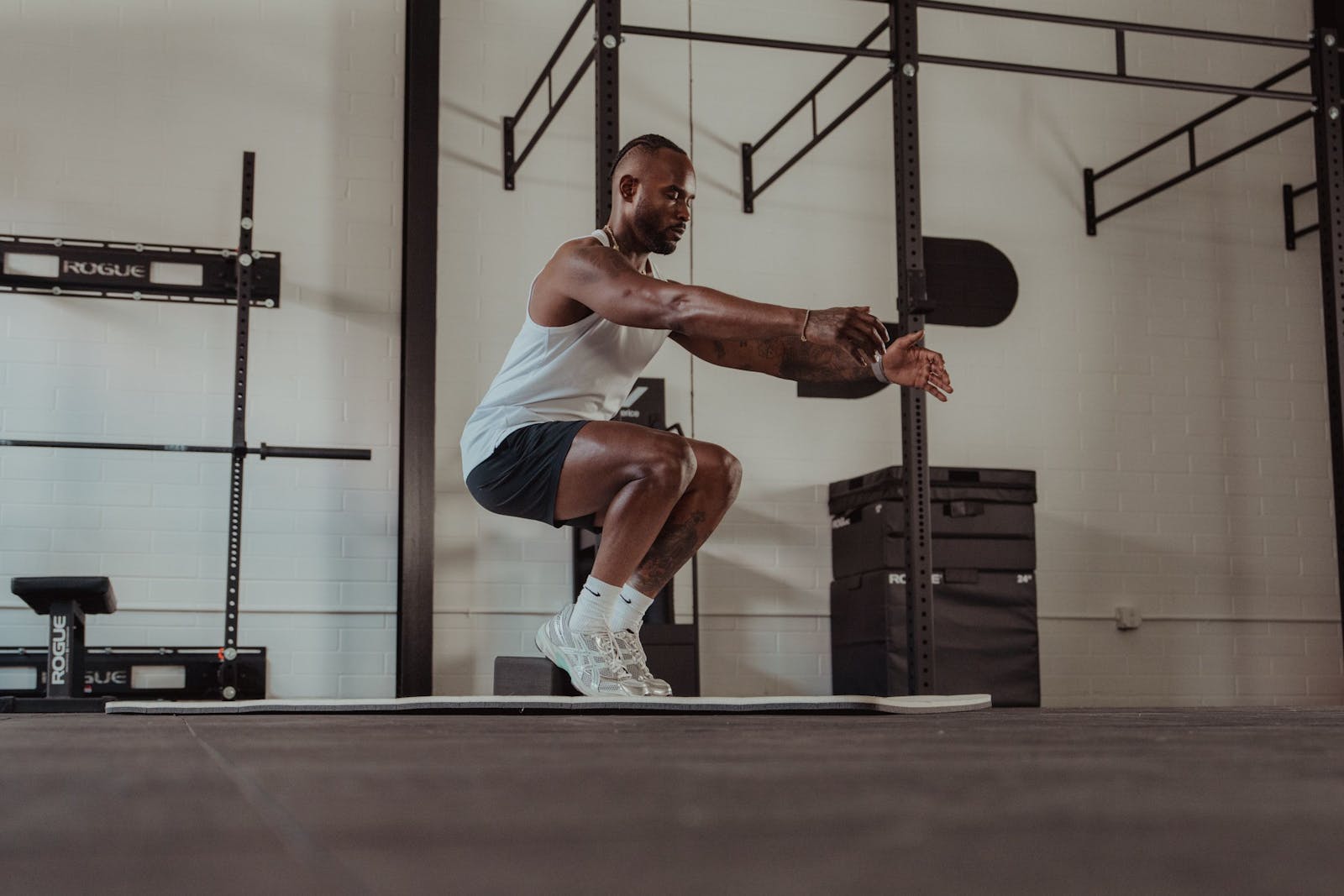
Train through the full range and emphasize the stretched position. Use deep bottom positions on squats and presses, slow eccentrics, and pause reps where the target muscle is lengthened.
Use loaded end range holds and long length partials. A set might include 2 to 3 long-held reps of 20 to 60 seconds under load for a muscle group, or controlled 3 to 6 second eccentrics to increase time under tension.
Long-duration passive holds of 15 to 60 minutes are unlikely to be practical for most people. For clinical populations with limited exercise options, long-duration stretching can be a sound strategy to maintain mass.
how to combine stretching with strength work
Treat stretching as a complement, not a replacement. Use mobility and flexibility work to expand the safe range of motion so you can load muscles more effectively in lifts. Add short loaded stretch style sets as an accessory to increase time under tension for stubborn areas. Keep progressive overload as the primary driver: add load, add reps, or improve control at longer muscle lengths.
common myths and misconceptions about stretching and muscle growth
Myth: Stretching alone will give you the same hypertrophy as bench press workouts. The high-intensity, long-duration protocols that produced hypertrophy are not equivalent to casual stretching.
Myth: Static stretching before heavy lifting always helps performance. Long passive holds immediately before maximal effort can reduce strength acutely; a dynamic warm-up usually produces better readiness.
Myth: Flexibility equals strength. Increased range of motion helps you express strength through more of that range, but flexibility itself is not the same stimulus as progressive loading.
how to stretch for increased muscle mass

Dynamic stretching uses active muscle contractions while moving joints through the full range of motion. That active tension can place strain on muscle fibers and start signaling pathways that support hypertrophy. Static stretching, in contrast, does not create the same active load and will not replace resistance training for building strength and size.
Strength work creates the micro damage and progressive overload needed for real muscle growth. Use stretching to enhance mobility, reduce tension, and increase the quality of your lifts so you can push heavier and recover faster.
dynamic warm-up routine to improve performance and recruit muscle
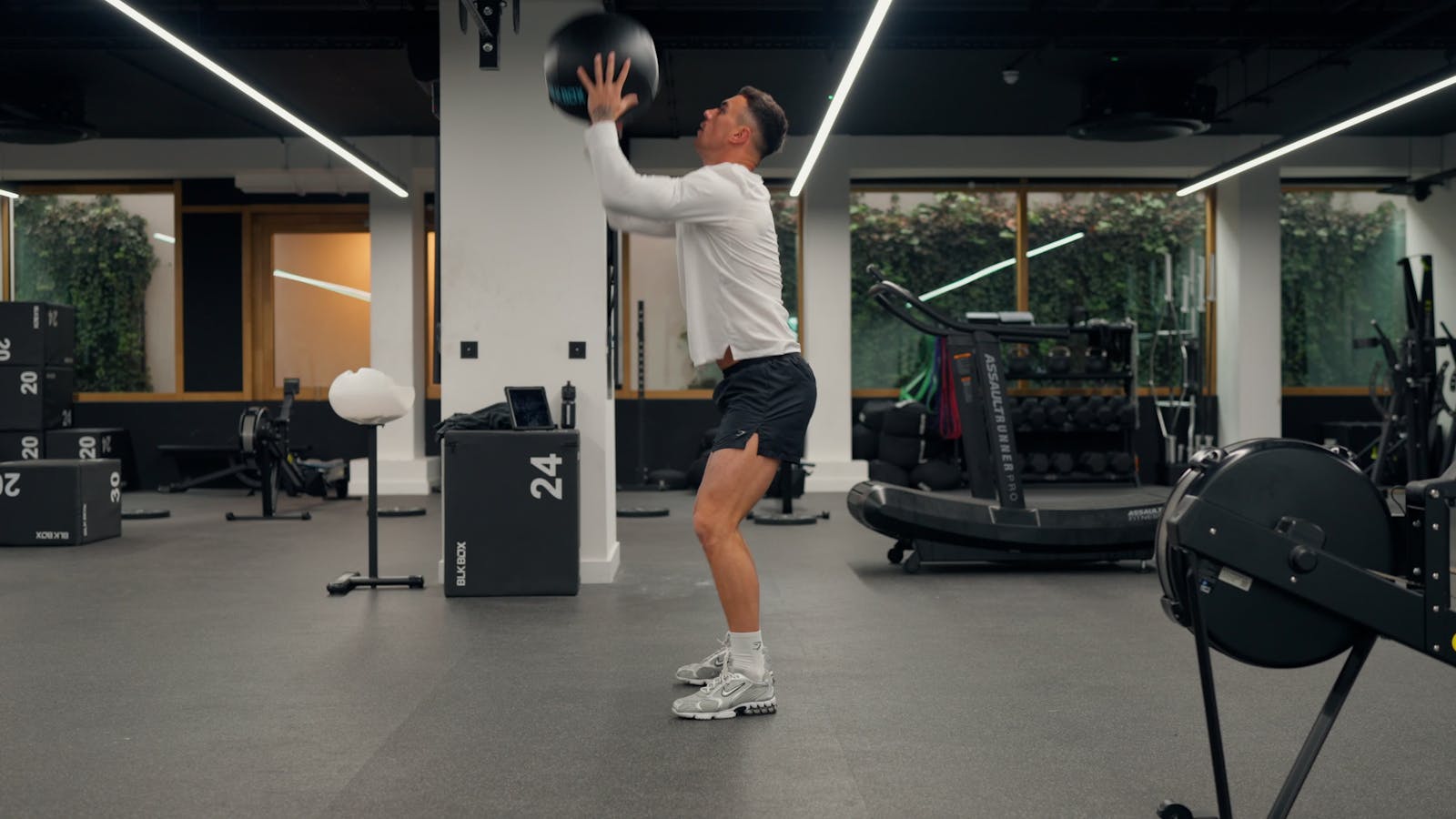
Start 10 minutes before your session. Perform these as controlled, active movements designed to engage the exact muscles you will train next.
Phase 1: 2 minutes of light cardio to raise body temperature, such as brisk walking or cycling.
Phase 2: Joint circles, 30 seconds each: shoulders, hips, ankles.
Phase 3: Movement-specific active stretches, 6 to 10 reps each side: leg swings front to back and side to side for hip drive, alternating walking lunges with a reach for quad and hip mobility, inchworms with a push-up for hamstrings and scapular mobility, and arm circles with band pull-aparts for pressing days.
Phase 4: Build load and speed with two ramping sets of your first lift at 40 to 60 percent of working weight, focusing on the full range of motion.
Aim for 10 minutes per session, three days a week to start. You can progress to 15 minutes per day, five to seven days per week, as your tolerance and schedule allow.
loaded stretching after strength training: step-by-step protocol
Loaded stretching places a moderate load on a muscle while you hold an elongated position. Use this after your working sets, not before heavy lifts.
Choose the muscle and an appropriate loaded stretch. Examples:
Pec barbell stretch: lie on a bench with a barbell in a low rack, arms extended, let chest open to a stretch while keeping scapula stable.
Hip flexor couch stretch with a light weight across the front thigh.
Seated hamstring loaded stretch: sit with a straight leg and a light dumbbell on your thigh, or use a band to add tension while leaning forward.
Calf loaded stretch on a step with a weight held in one hand.
Sets and timing: 2 to 4 sets per muscle, 20 to 60 seconds per set depending on tolerance. Rest 60 to 90 seconds between sets.
Intensity and load: Use a light to moderate load that increases the stretch without causing sharp pain. You should feel strong, active tension and slow breathing.
Progression: Gradually increase hold time or add a bit more load when you can complete the upper range of time without pain.
Pair loaded stretching with the muscle you just trained. For example, after chest pressing, follow with a controlled loaded pec stretch. After heavy leg work, add loaded hamstring and hip flexor stretches.
how to combine stretching with progressive overload and strength work
Stretching supports your strength plan but does not replace progressive overload, isolation, or compound lifts. Structure sessions like this:
Warm up with dynamic stretches that prepare the primary movers
Perform compound lifts first for strength, using progressive overload across weeks
Add isolation work for specific muscle targeting
Finish with loaded stretching for the muscles trained that day to extend time under tension and promote length-tension adaptations
A typical effective program includes eight to 20 sets per major muscle group per week, with eight to 15 reps per set, training each muscle two to three times weekly. Use stretching to help you reach a greater range of motion during lifts and to improve recovery between sessions.
when to use static stretching and how it helps recovery
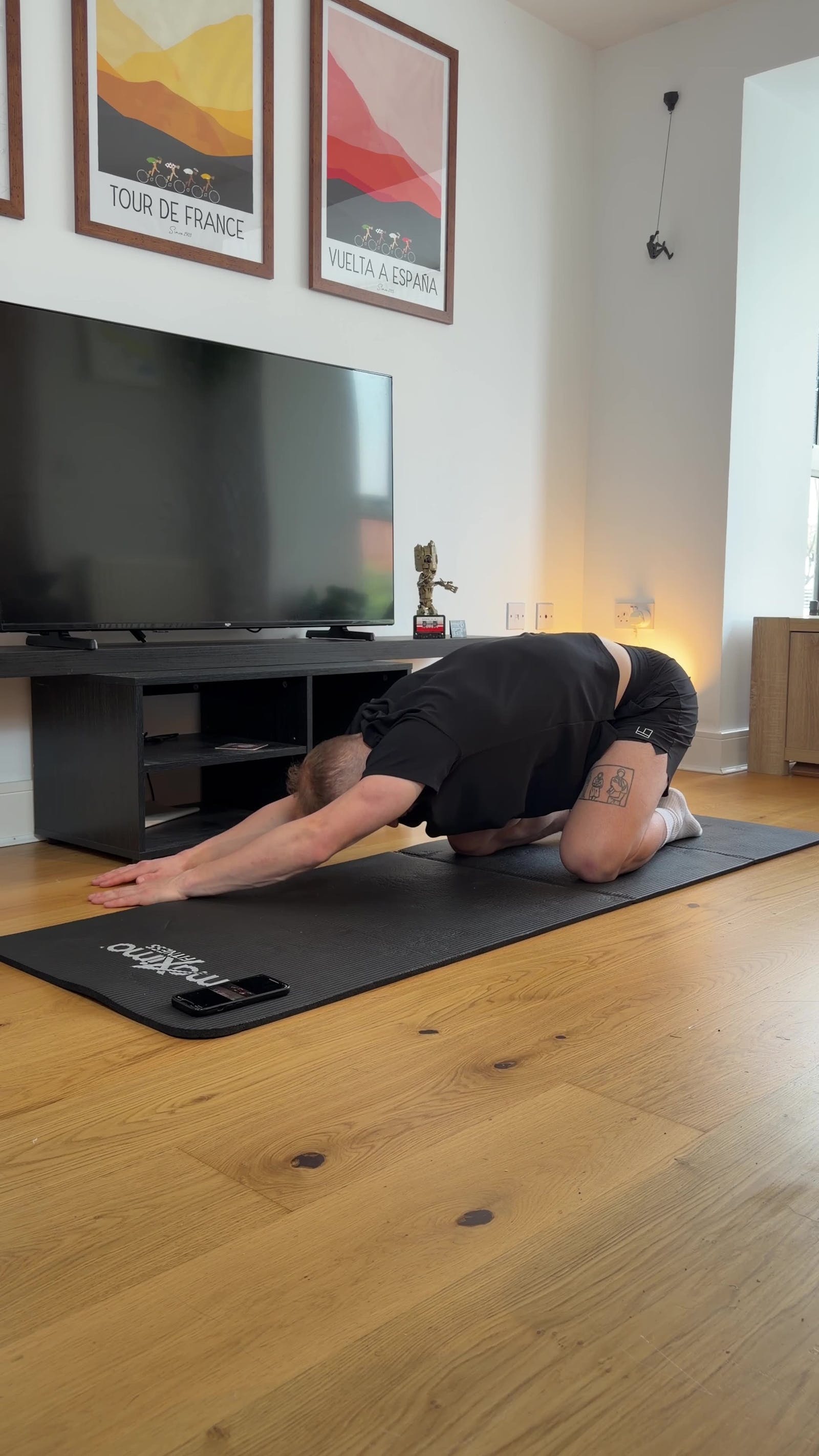
Static stretches have a place for mobility work and post-workout recovery. Use static stretches after training or on low-intensity days to reduce tension and improve posture. Keep holds to 30 to 90 seconds per muscle and avoid prolonged passive stretching immediately before heavy maximal efforts because it can transiently reduce force production.
sample in-session sequence you can apply today
10-minute dynamic warm-up as listed above
Main lifts: 3 to 5 sets of compound movements with progressive ramping and work sets.
Isolation: 2 to 4 sets of focused exercises at 8 to 15 reps
Loaded stretch: 2 to 4 sets of 20 to 60 seconds for the muscles trained
Optional light static mobility holds for tight areas, 30 seconds each
frequency and progression rules for stretching that support hypertrophy
Start with dynamic sessions, 10 minutes long, three times per week
Increase to 15 minutes per day and 5 to 7 days per week as you adapt
Use loaded stretches 2 to 4 times per week per muscle group after training
Track tolerance and adjust load or hold time rather than pushing to pain
Progress like you would strength work: more time under tension, slightly more load, or longer holds when current parameters feel easy
exercise options by muscle group with practical cues
Chest: Controlled bench press warm-up, band chest openers, then a supported barbell pec stretch post-workout. Cue: keep the scapula set and breathe into the stretch.
Quads and hip flexors: Walking lunges in the warm-up, followed by a couch stretch with a weight across the thigh after squats. Cue: tuck the pelvis slightly to target the hip flexor.
Hamstrings: Inchworms or Romanian deadlift warm-up, then a seated loaded hamstring stretch. Cue: hinge at the hips and avoid rounding the lower back.
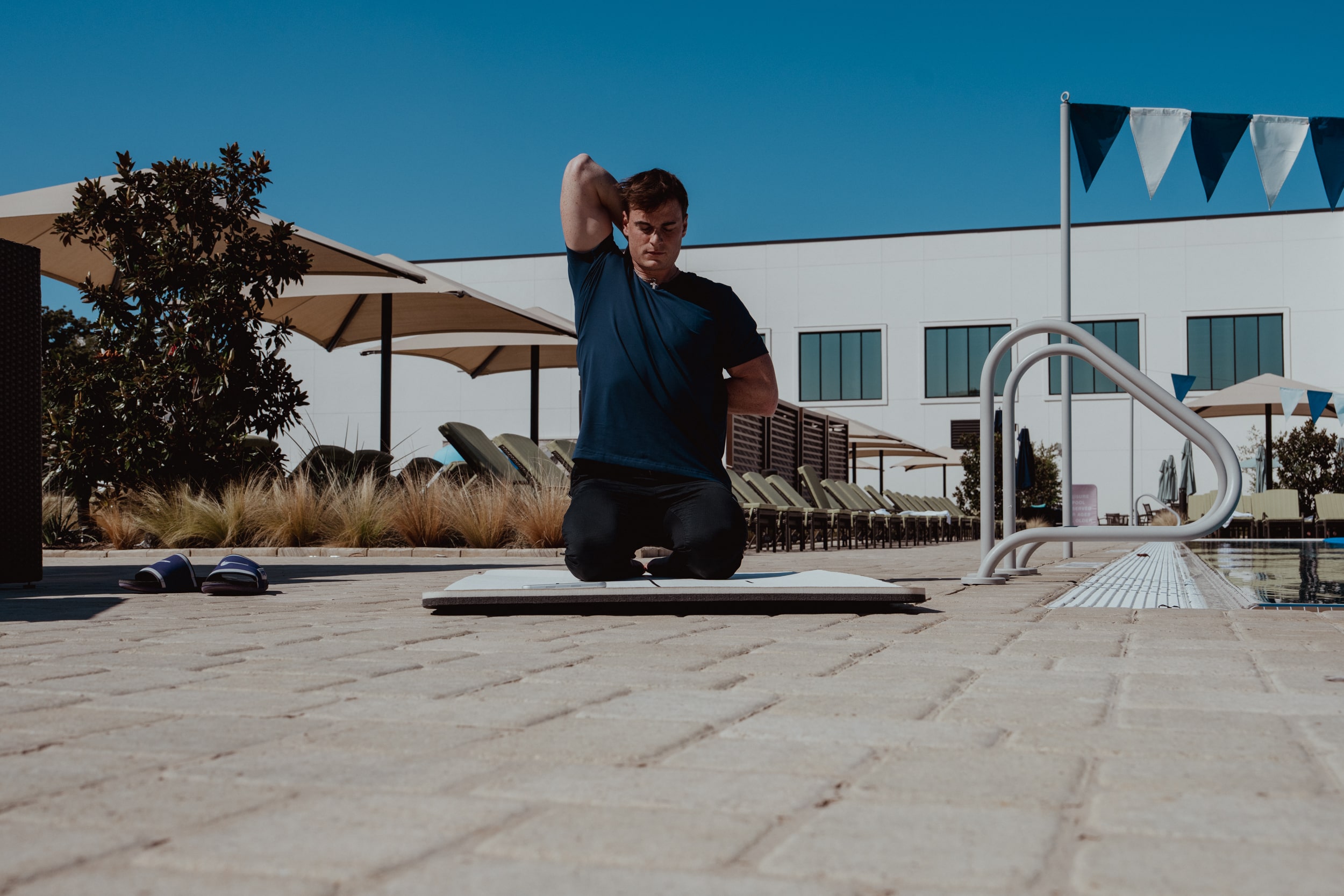
Shoulders: Band pull-aparts and arm circles pre-workout, doorway pec stretch, or loaded overhead stretch post-pressing. Cue: keep ribs down to avoid lumbar compression.
Calves: Ankle mobilizations during warm-up, then a weighted calf stretch on a step post-workout. Cue: drive through the big toe and control the descent.
safety, breathing, and what to avoid
Do not use heavy load in a stretched position if you have joint pain or a recent soft tissue injury.
Avoid ballistic bounces during active stretches. Move with control.
Breathe slowly and steadily to allow muscles to relax into the stretch.
If a stretch causes sharp pain or tingling, stop and reassess form or reduce load.
Keep static stretching out of the immediate warm-up for heavy maximal lifts to maintain force output.
questions to help you apply this today
Which muscles will you prioritize this week, and how will you slot dynamic warm-ups before those sessions?
Can you add one loaded stretch after each training day for the targeted muscles and track how your range of motion and recovery change over two to four weeks?
why stretching your muscles is always a good idea

Does stretching build muscle the same way resistance training does? No. Stretching alone does not create the mechanical overload and progressive tension that drive hypertrophy and strength gains.
That said, certain forms of stretching, such as loaded stretching and proprioceptive neuromuscular facilitation (PNF), can add tension to tissue and support muscle adaptation when used with a proper strength program. Think of stretching as a tool that improves the conditions for muscle work rather than a replacement for resistance training.
move better: flexibility and joint range of motion
An effective stretching routine increases flexibility and joint range of motion, helping you move more freely in training and daily life. A greater range of motion lets you reach deeper positions in squats, presses, and pulls, so muscles work through fuller paths and you can apply strength more efficiently. That helps your form and lets you load movements safely for better performance.
increase blood flow and speed recovery
Stretching promotes local circulation and helps move blood and lymph through working muscles. Active and dynamic routines before training raise muscle temperature and blood flow, priming tissues for work.
Gentle stretching after training supports capillary flow and nutrient delivery, which helps recovery and tissue repair. Use mobility drills and light active stretching as part of your warm-up and longer static holds or PNF in your cool-down to support circulation and recovery.
reduce soreness and help tissue repair
Stretching can ease stiffness and support recovery from hard sessions. While evidence on preventing delayed onset muscle soreness varies, targeted stretching improves tissue length and reduces tethering in fascia and connective tissue.
That can relieve tight spots and let joints move with less pain. Try short bouts of active stretching to restore length in muscles that felt taxed during training.
improve posture and spinal alignment
Regular stretching balances tight and weak tissues that pull joints out of alignment. Tight chest and hip flexor muscles tilt the shoulders and pelvis, undermining posture and loading the lower back.
Stretching the front chain and opening the hips helps you stand taller, breathe deeper, and recruit the right muscles during lifts. Add thoracic mobility work and hip openers to reduce strain from sitting and repetitive patterns.
lower injury risk and protect connective tissue
Increasing mobility around joints reduces compensations that create injury risk. When hips, ankles, or shoulders have limited range, other structures take up the slack and suffer overload.
Stretching improves joint freedom and movement patterns, which lowers acute injury risk and reduces chronic tissue stress. Use controlled, consistent stretching to support tendon and ligament health alongside strength work.
balance and body awareness for stability
Stretching enhances proprioception and balance by tuning the nervous system to joint position. Some research suggests that improving flexibility through active stretching can support balance and stability, particularly in older adults. Better proprioception translates to steadier lifts, fewer awkward landings, and enhanced coordination in sports and daily tasks.
mental health: stress relief and mood benefit
Stretching offers a calm, focused window in your day that can lower anxiety and ease tension. Some evidence suggests regular stretching may reduce anxiety and support overall mental well-being. Slow, controlled breathing paired with stretches helps downregulate the nervous system and sharpen body awareness.
how stretching complements strength training
Stretching works best as a companion to your training, not an afterthought. There's no workout that shouldn't include some attention to restoring length at the end of it, on training days and rest days alike.
Stretching improves the inputs you bring to resistance training. Better mobility lets you access fuller ranges, improves technique, and may enhance muscle activation. It does not replace progressive overload, but it makes your strength work cleaner and more productive.
when and how to stretch: practical guidance
Warm up with dynamic stretching and mobility drills for 5 to 10 minutes before heavy lifts. Use movements that mirror the patterns you will train. After training, use static holds of 30 to 60 seconds or PNF techniques for tight regions and spend 5 to 15 minutes on a cool down. Add brief active stretching sessions on non-training days to maintain range of motion. Loaded stretching can be used sparingly within a hypertrophy protocol to apply tension at long muscle lengths.
daily habits and simple routines you can use
Start with a short sequence you can repeat: ankle circles and hip openers for squats, band pull apart and doorway chest stretches for presses, and hamstring active straight leg raises for deadlift patterns. Ask yourself which joints limit your lifts and target those areas. Keep sessions brief and consistent so they become a habit that supports long-term fitness and movement quality.
a reminder to do this regularly
Make stretching a daily habit alongside your resistance training to protect joints, sharpen movement, and support long-term performance without expecting it to replace strength work.
build your stretching routine with pliability

Stretching will not replace progressive overload, but it makes your strength training more productive: more range of motion, less restriction, faster recovery between sessions. pliability's mobility app gives you Daily Sessions to build the habit, guided Paths that build mobility over weeks, and Build Your Program if you want a routine shaped around your own lifts and trouble spots.
Not sure where you're most restricted? Start with the in-app mobility assessment to find the joints limiting your range, then use the Rebuild hub if you're working around an injury or a long layoff. Try it free for 7 days on iPhone, iPad, Android, or on our website, and put your stretching to work for your training instead of just around it.
Related Reading






Move better in 10 minutes a day.
10,000+ five-star reviews.