


LEARN
pliability

We often push ourselves in workouts, driven by the promise of gains and performance boosts. But the secret sauce for progress isn’t just about the sweat, it’s also about what happens when we rest. Understanding why a recovery period between bouts of exercise is important can make or break your fitness journey. This recovery time helps your body adapt, reduce fatigue, and prevent injuries, ultimately maximizing your results. Whether lifting weights or simply doing exercises for stiff neck and shoulders, learning how to rest and recover effectively ensures your body stays balanced and pain-free. In this article, we’ll explore how to use rest periods wisely to achieve your fitness goals, including how to recover quickly from a workout.
what is the recovery period between bouts of exercise?

The recovery period between bouts of exercise is the essential interval of rest and recuperation that occurs after a workout session, allowing the body to repair and strengthen itself.
During this time, physiological processes take place, such as:
Muscle repair
Glycogen replenishment
Reduction of lactic acid buildup
It facilitates the body's adaptation to the stress of exercise.
This period is crucial for preventing overtraining and injury, as it provides the necessary time for the central nervous system to recover and for muscles to rebuild stronger and more resilient. By strategically incorporating recovery periods into a training regimen, athletes and fitness enthusiasts can achieve their fitness goals so they can:
Optimize performance
Enhance endurance
Ensure sustainable progress
rest and recovery: what does it really mean?
Rest and recovery are all about giving the body time to repair, rebuild, and strengthen itself between workouts. Participating in sports and hard training breaks down the body, taxing it beyond its current level of fitness, and that stress is exactly what recovery time is meant to answer.
Exercise, especially intense exercise, creates tiny tears in the muscles. Over time, as muscles heal, they eventually grow bigger and stronger. This process occurs during rest and recovery, not during the exercise session itself. To see gains in fitness, and for the body to keep doing what you want it to do, it needs enough rest to repair itself.
active recovery: the short-term solution
Athletic trainers talk about two types of recovery:
Short-term or active recovery
Long-term recovery
What’s involved with active recovery? Short-term or active recovery occurs in the hours soon after intense exercise, essentially what you do on the same day as your workout to help your body and mind recover from that single bout of exercise. Research shows that low-intensity exercise during the cool-down phase of your workout is associated with performance benefits. Active recovery increases blood circulation, which helps remove waste products from soft tissue that have been broken down by intense exercise.
Fresh blood flow then delivers nutrients that help repair and rebuild:
Muscles
Tendons
Ligaments
long-term recovery: the bigger picture
Long-term recovery involves rest and recovery periods that are built into a seasonal training schedule. It also may include days or weeks of rest and recovery incorporated into an annual athletic program. Runners in particular tend to get into trouble when they move from one big training block to another to yet another without taking several weeks off in between.
How long should a recovery period last? The duration of a recovery period depends on factors such as your age, sport, and training regimen. The American Council on Exercise (ACE) suggests that athletes who engage in high-intensity exercise should schedule a rest day every seven to 10 days.
spotting overtraining syndrome
What are the signs of overtraining syndrome? Overtraining syndrome is more common than most athletes realize, affecting a meaningful share of both elite and non-elite endurance athletes.
The ill-effects of overtraining syndrome include:
Increased body fat
A higher risk of dehydration
Lower libido
Mood disturbances
Once overtraining syndrome sets in, it can be challenging to reverse. People who over-train often have trouble with performance: activity that used to feel easy starts to feel harder, fatigue creeps into everyday life outside of sports, and mental burnout or a lack of interest in a sport once enjoyed can set in.
recognizing when rest is necessary
What are the signs that athletes need a rest day, as in immediately? If you listen closely to your body, it will tell you when you need to skip your usual workout and take a rest day.
Surveys of competitive athletes have found that the top reasons for taking a rest day tend to be:
General feelings of fatigue
Unexplained decrease in performance (generally lasting between one week and one month)
Musculoskeletal aches and pains
The Importance of Passive Recovery
What’s the value of ‘passive’ recovery, meaning genuinely doing nothing? Full rest days matter more than most athletes give them credit for: a true day off, once a week, is a reasonable target for most people in regular training.
A common misconception is that a stretch of easy running or light activity counts as full recovery. That kind of easy movement is really an active recovery, which is valuable in its own right, but it’s not a substitute for genuinely giving the body some time off.
Do Older Athletes Need More Rest And Recovery?
Generally, the older people get, the more time they need for rest and recovery. But younger athletes need to be cognizant of their own rest and recovery in specific ways too. In youth sports, more kids are diving full time into a single sport at an early age, and committing full time to one sport that young is linked to a higher risk of burnout and injury, along with worse performance, compared to young athletes who play multiple sports and take real time off several times a year.
There’s less research on this pattern in adults, but doing multiple different activities throughout the year tends to track with being happier and less likely to experience injury or burnout. Varying the movements you ask of your body is good for the joints, and switching things up is good for the mind as well.
What Is An Often Overlooked Aspect Of Rest And Recovery?
Nutrition is one of the most under-appreciated parts of recovery. During short-term recovery, consuming the right foods and drinks after exercise helps replenish your glycogen stores in muscles and optimizes protein synthesis.
A common pattern is ramping up running mileage without ramping up calorie intake to match, creating a mismatch between how much energy is being spent and how much is coming back in. That kind of chronic under-fueling can end up looking a lot like overtraining syndrome.
Should Athletes Keep A Daily Training Log To Track Their Progress Or Lack Thereof?
For most people, keeping a log is a good idea, especially for those training for something specific. It helps to track what you’re doing, what recovery looks like, anything notable about nutrition, and how you felt.
Keeping a log is also useful for making sure things don’t slip: remembering to take rest days and sticking to proper fueling and rest habits. Some everyday recreational athletes may not need to keep a log at all, instead basing their activity on how they feel on a given day and what conditions are like.
But Other Recreational Athletes May Find It Essential
Plenty of people slide into overtraining syndrome by accident simply because they enjoy doing so many different activities that they forget to build in any rest days. For that group, a log can be exactly what makes them more intentional and mindful about what they’re actually doing week to week.
why is a recovery period between bouts of exercise important?

Recovery is essential for optimizing physical performance and mental well-being. It’s not just a break from exercise; it’s a crucial phase that facilitates growth and repair. Let’s explore why recovery is vital.
physical benefits: muscle repair and growth
Exercise causes microtears in muscles. This is normal, but muscles need time to heal and grow stronger. During recovery, muscle fibers repair, leading to increased strength and performance. Without proper rest, we risk overtraining and injuries.
energy restoration: replenishing glycogen
When you exercise, your body uses glycogen for energy. Recovery allows glycogen levels to replenish, ensuring you have the energy for your next workout. This process helps maintain performance and prevent fatigue.
connective tissue repair: strengthening joints
Recovery helps repair and strengthen tendons and ligaments. These structures support your joints and are crucial for preventing injuries. Allowing them to heal reduces the risk of issues like tendonitis and stress fractures.
reduced inflammation: promoting healing
Intense exercise can cause inflammation and swelling. Recovery helps minimize these effects. During rest, improved blood flow supports healing by delivering nutrients and removing waste. This reduces discomfort and speeds up recovery.
immune function: staying healthy
Exercise can stress the immune system, especially without proper recovery. Rest allows your immune system to recover and strengthen, reducing the risk of illness. This helps you stay healthy and continue training effectively.
psychological benefits: easing mental fatigue
Regular exercise is mentally demanding. Recovery helps alleviate mental fatigue by giving your brain a break. This rest enhances focus and prevents burnout, helping you stay motivated.
improved focus: enhancing cognitive function
Lack of rest can impair cognitive abilities. Recovery periods allow your brain to reset, improving focus and decision-making. This is important not only for exercise but also for daily life.
stress reduction: finding balance
Exercise can relieve stress, but overdoing it can have the opposite effect. Recovery provides an opportunity to engage in relaxing activities. This helps reduce stress hormones and promotes mental balance.
resilience: building mental strength
Taking time to recover allows for reflection on progress. Celebrating achievements and personal growth enhances mental resilience. This boosts motivation and helps you stay committed to your goals.
enhanced sleep: supporting overall recovery
Recovery and sleep go hand in hand. Quality sleep is essential for physical and cognitive recovery. Prioritizing rest improves sleep quality, benefiting your performance and well-being.
strategies for optimizing recovery between exercise sessions

factors influencing recovery periods
The time you need to recover from exercise varies. Several factors determine how long you should rest. Intensity and duration of exercise are key. If you’ve just finished a high-intensity workout or a long endurance session, expect to need more recovery time. Your muscles have undergone significant stress and need time to repair.
Personalizing Recovery to Your Body’s Needs
Your individual fitness level matters too. If you’re new to working out, your body may need longer to adjust and recover. As you get fitter, recovery might become quicker. Similarly, age plays a role. Older adults may require more recovery time as the body naturally takes longer to heal.
Overall health and well-being are crucial. Chronic illnesses or injuries can slow down recovery. Proper nutrition and hydration also affect how quickly you bounce back. Lastly, listen to your body. Everyone’s response to exercise is different. Pay attention to fatigue and soreness, and adjust recovery times as needed.
effective strategies for enhancing recovery
To make the most of your workouts, recovery is essential. Here are some practical strategies to help you recover better.
Prioritize Rest and Sleep
Rest and sleep are vital components of recovery. Aim for 7-9 hours of quality sleep each night. This allows your body to repair and regenerate. Establish a calming bedtime routine to create an environment conducive to restful sleep.
Engage in Active Recovery
Keep your body moving with light activities like:
Walking
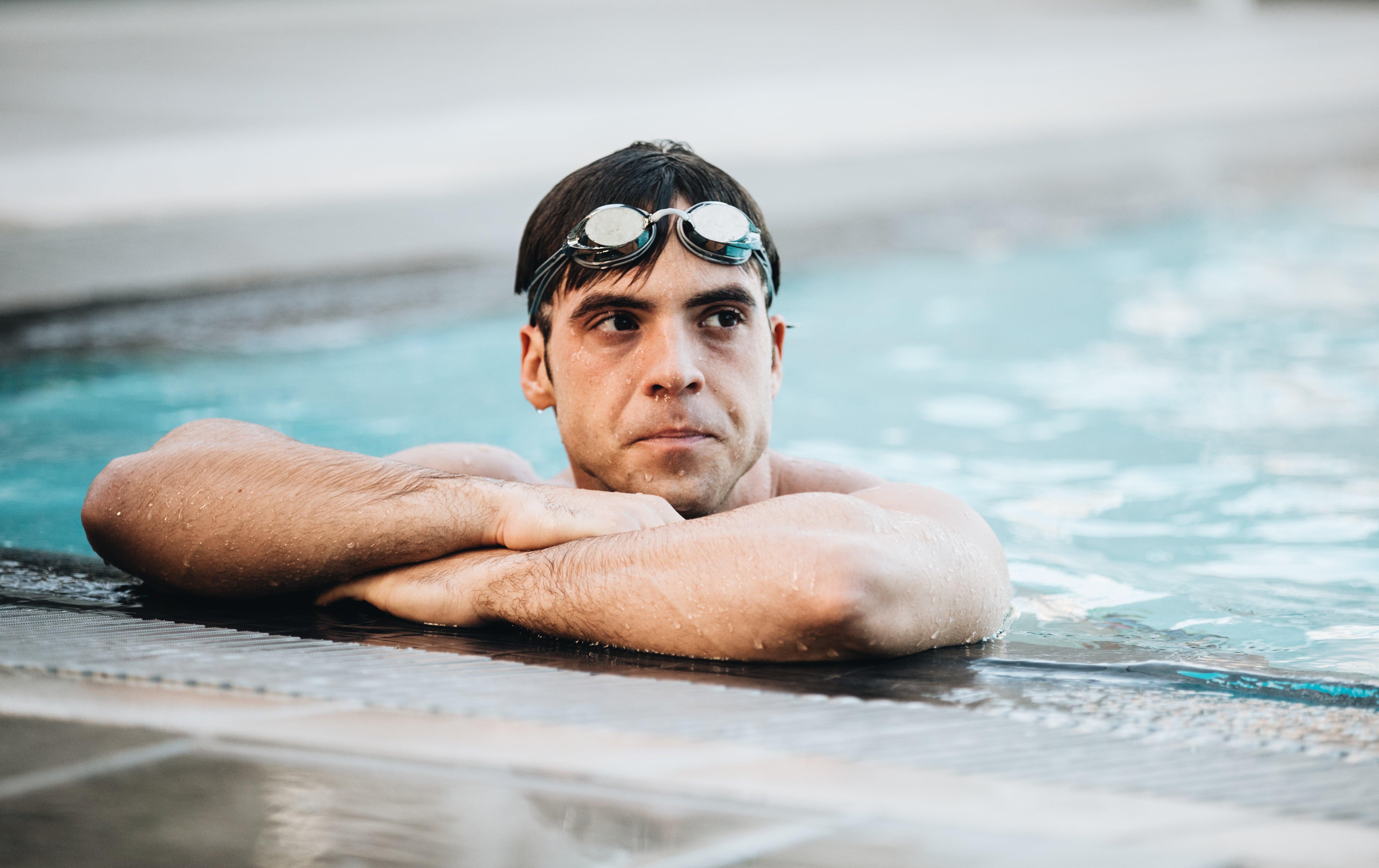
Swimming
Yoga
These promote blood flow and help remove waste products from your muscles. Active recovery can reduce muscle soreness and aid in recovery.
Eat for Recovery
Fuel your body with balanced meals. Protein helps repair muscle tissue, while carbohydrates replenish glycogen stores.
To support recovery, include:
Lean meats
Fruits
Vegetables
Whole grains
Healthy fats
Stay Hydrated
Water is crucial for muscle function and recovery. Ensure you drink enough water before, during, and after workouts. Staying hydrated helps with nutrient delivery and waste removal.
Incorporate Stretching and Foam Rolling
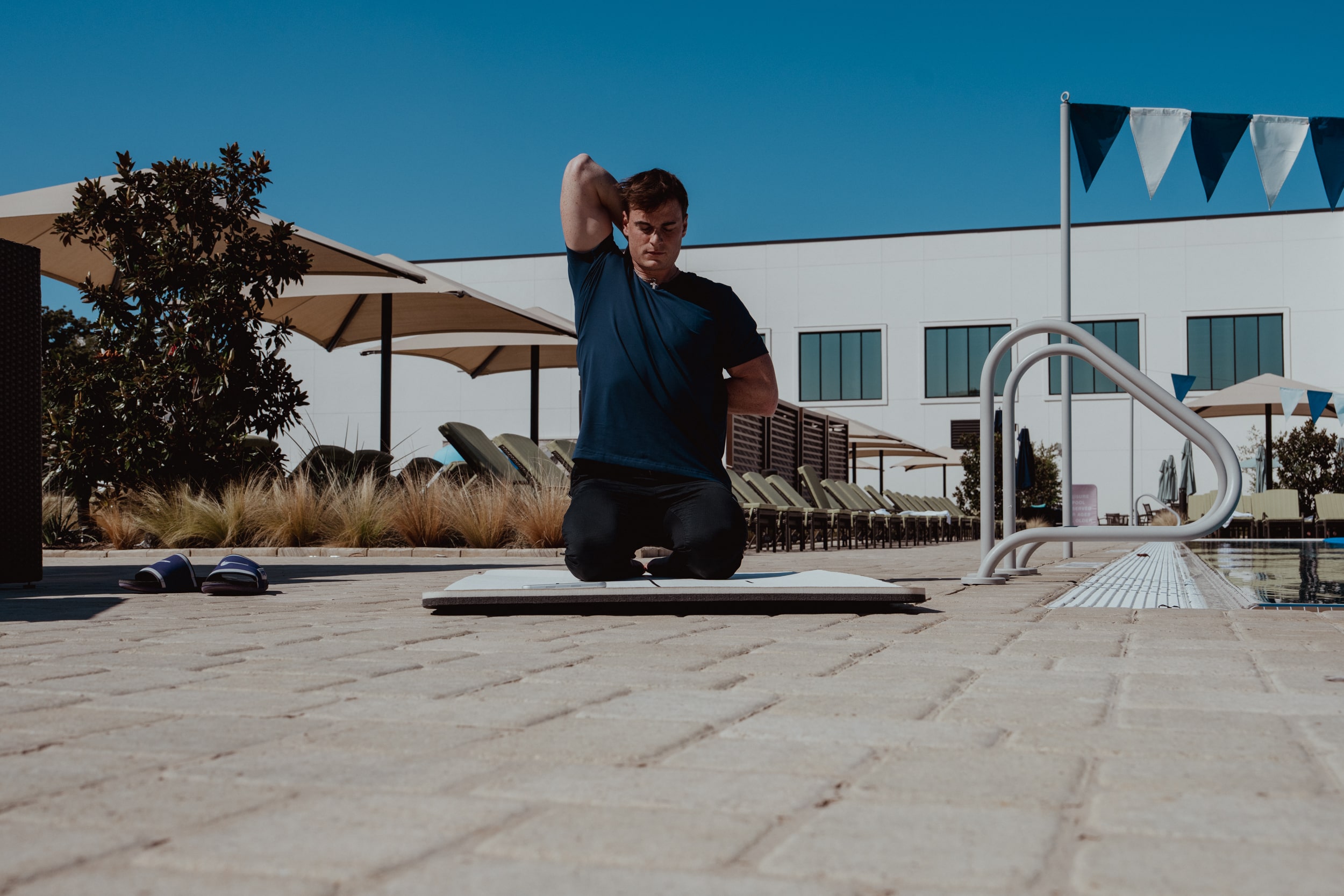
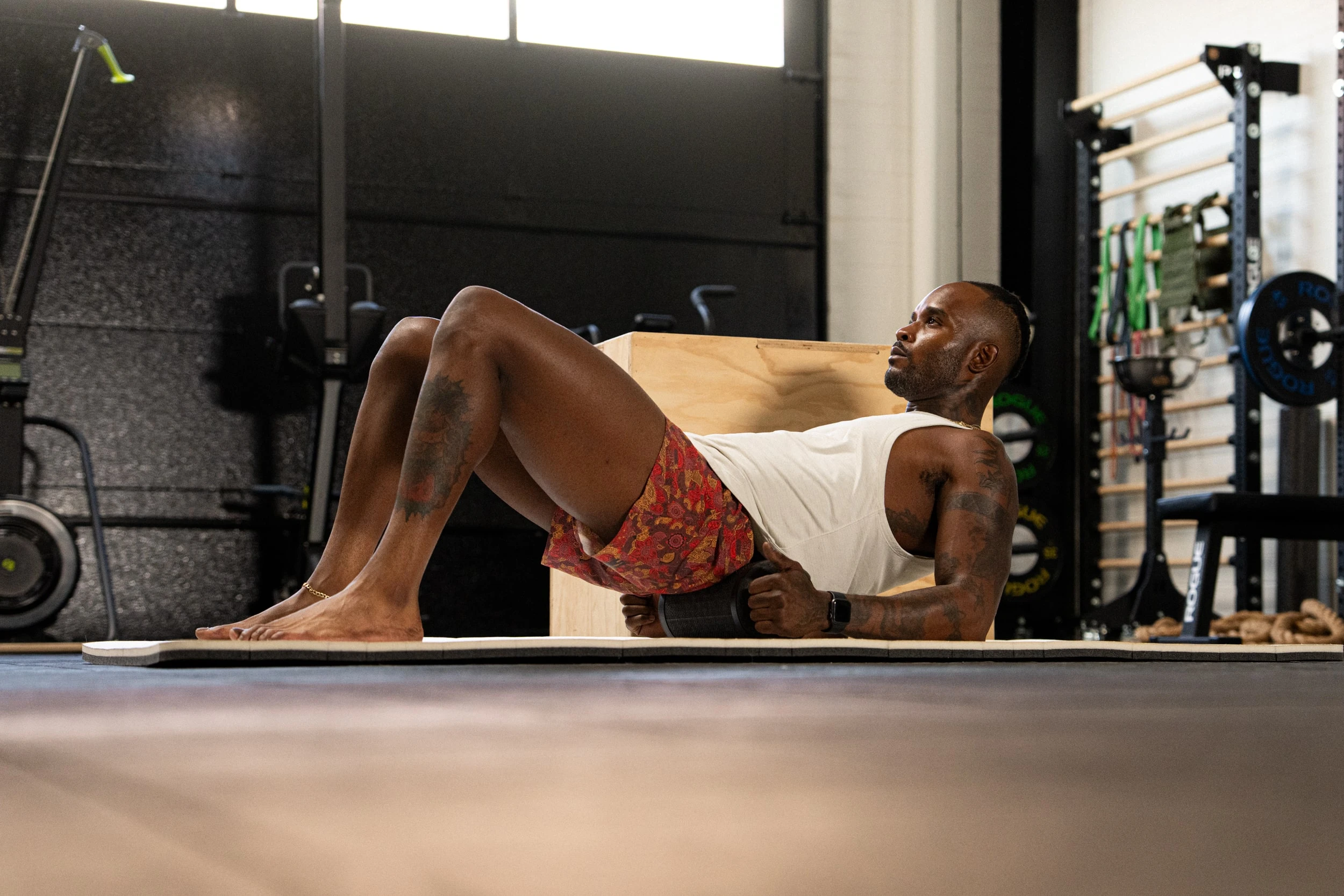
After exercise, stretch to improve flexibility and reduce muscle tension. Use a foam roller to release tight muscles and enhance range of motion. These practices can aid in recovery and prevent injuries.
Manage Stress
Stress can impede recovery. Incorporate stress management techniques into your routine. Practice deep breathing, meditation, or mindfulness to help alleviate stress. Engaging in relaxing activities is also beneficial.
Progress Gradually
Avoid sudden increases in workout intensity or duration. Gradually progress to allow your body to adapt. This reduces the risk of injuries and overtraining.
Listen to Your Body
Pay attention to what your body tells you. If you’re feeling overly fatigued or experiencing persistent soreness, give yourself more rest. Adjust your training schedule to ensure proper recovery.
By integrating these strategies into your routine, you can enhance recovery and support your fitness journey.
make recovery part of the program | get 7 days free
Recovery after exercise is not just about resting; it’s an active process that involves techniques like improving flexibility and mobility. Skipping or skimping on it is how overtraining creeps in, bringing fatigue, decreased performance, and injuries with it.
pliability is a mobility app built to make that active side of recovery easier to actually do. Take the in-app mobility assessment to identify where you’re carrying the most restriction, then use Daily Sessions or a Path to work on exactly those areas, or lean on the Rebuild hub if you’re coming back from something specific.
Sign up for 7 days free on iPhone, iPad, Android, or the web, and make recovery as deliberate a part of your program as the workouts themselves.
Related Reading




Move better in 10 minutes a day.
10,000+ five-star reviews.