LEARN
Pliability Team

Most runners focus exclusively on logging miles, but the fastest path to improvement often lies in the weight room. A targeted strength training workout for runners builds the muscular foundation that transforms performance, reducing injury risk while boosting speed and endurance. The key is creating a routine that addresses the specific muscle groups and movement patterns runners need most. Smart strength work doesn't just make runners stronger—it makes them more resilient and efficient with every stride.
Building strength represents only half the performance equation. Muscles also need to move freely through their full range of motion to support both strength gains and running efficiency. When runners combine targeted strength exercises with consistent mobility practice, they create a complete training approach that leads to faster times and fewer setbacks. Pliability's mobility app provides athletes with guided mobility work designed specifically to maintain the flexibility and tissue quality that supports peak performance.
Table of Contents
Do Runners Actually Need Strength Training or Is Running Enough?
What Runners Miss When They Skip Strength Training
What Strength Training Actually Does for Runners (Performance Mechanism Explained)
Simple Strength Training Workout for Runners That Improves Speed and Durability
Recover Better So Your Strength Training Actually Translates Into Performance
Summary
Running alone builds cardiovascular fitness but leaves critical gaps in muscular strength and joint stability. Research shows that 79% of runners experienced a running-related injury in the previous year, with most stemming from overuse rather than acute trauma. The repetitive, single-plane movement of running exposes weaknesses in stabilizing muscles without actually strengthening them, creating accumulated stress that eventually breaks down tendons, hips, and knees that lack adequate muscular support.
Strength training improves running economy by 3.85%, which translates directly to faster, sustainable paces without increased cardiovascular effort. This improvement comes from training muscles to generate force at a lower metabolic cost, shifting load distribution away from overworked quads and calves toward the posterior chain and hip stabilizers. When muscles can produce force efficiently, every stride requires less oxygen and burns through glycogen more slowly, allowing runners to maintain pace longer or push harder when it matters.
Runners who strength train just once per week reduce injury risk by 30 to 40% compared to those who only run. This protection doesn't come from running less volume but from building the muscular capacity to distribute force across systems designed to handle it, preventing any single tissue from becoming overwhelmed. The difference is between fragile adaptation, which breaks down under repetitive load, and durable capacity, which absorbs thousands of foot strikes without compensating through vulnerable joints.
Most speed plateaus aren't solved by more interval work or higher mileage but by addressing the weak muscles that limit force production and waste energy through inefficient mechanics. When glutes lack strength and hip stabilizers can't maintain pelvic position, stride length shortens and metabolic cost per step increases, creating a performance ceiling that more running volume can't break through. Building explosive power through loaded movements teaches muscles to contract forcefully in the brief ground contact time running demands.
Recovery quality determines whether the strength training stimulus results in actual adaptation or merely accumulated fatigue. Tight hip flexors and restricted hamstrings after strength sessions limit the range of motion through which newly developed strength can operate, forcing compensatory movement patterns that waste energy and increase injury risk. Sleep deprivation and inadequate protein intake prevent the muscle repair process that happens in the 48 to 72 hours following workouts, turning gym sessions into wasted effort rather than performance gains.
Pliability's mobility routines address the specific tightness patterns that develop from both running volume and strength sessions, ensuring newly built strength translates into fluid mechanics rather than restricted movement that breaks down under fatigue.
Do Runners Actually Need Strength Training or Is Running Enough?

Running builds cardiovascular endurance and movement efficiency, but it doesn't build the muscle strength needed for joint stability, posture, or stride mechanics when fatigued. Running maintains your current fitness level, but won't prepare your body to handle the stress from thousands of foot strikes without injury.
🎯 Key Point: While running improves your cardiovascular system, it leaves critical muscle groups underdeveloped, creating imbalances that increase injury risk and lead to performance plateaus.
"Running alone doesn't provide the muscle strength and joint stability needed to handle the repetitive stress of thousands of foot strikes per mile." — Sports Medicine Research
⚠️ Warning: Relying on running alone means you're missing the foundational strength that prevents overuse injuries and maintains proper form during long runs and high-mileage training phases.
Why do runners believe that running alone is enough preparation?
The logic seems solid: the best way to get better at running is to run more. Your cardiovascular system gets more efficient, and your brain learns to use the right muscles at the right time. However, running is a repetitive, single-plane movement. Every stride stresses the same tissues identically, creating both improvement and weak spots.
What does research reveal about running-only training approaches?
Research published in ISSA's analysis of running injuries found that 79% of runners experienced a running-related injury in the previous year. Most stem from overuse, not sudden injury: tendons that absorb impact without sufficient muscular support, hips that cannot stabilize when one leg bears full body weight, and fatigued glutes that force knees and lower back to compensate. Running doesn't strengthen these systems; it exposes their weaknesses.
Why do runners resist adding strength work?
Many runners question whether they need strength work if they're hitting their goals and staying healthy. Strength training takes time away from running, requires learning new movement patterns, and doesn't provide the same quick endorphin hit. The mental friction is real: should I care about this if I'm not chasing a PR or dealing with pain?
What happens when runners skip strength training?
The answer depends on what you're trying to improve. If you want to keep running at the same speed without injury, you should pay attention to this. Your body doesn't stay the same. Muscle mass declines without resistance stimulus. Connective tissue loses flexibility. Movement quality deteriorates with repetitive movements unless you actively maintain strength. Strength training isn't about becoming a different kind of athlete—it's about building the resilience that lets you stay the athlete you already are.
How does mobility work complement strength training?
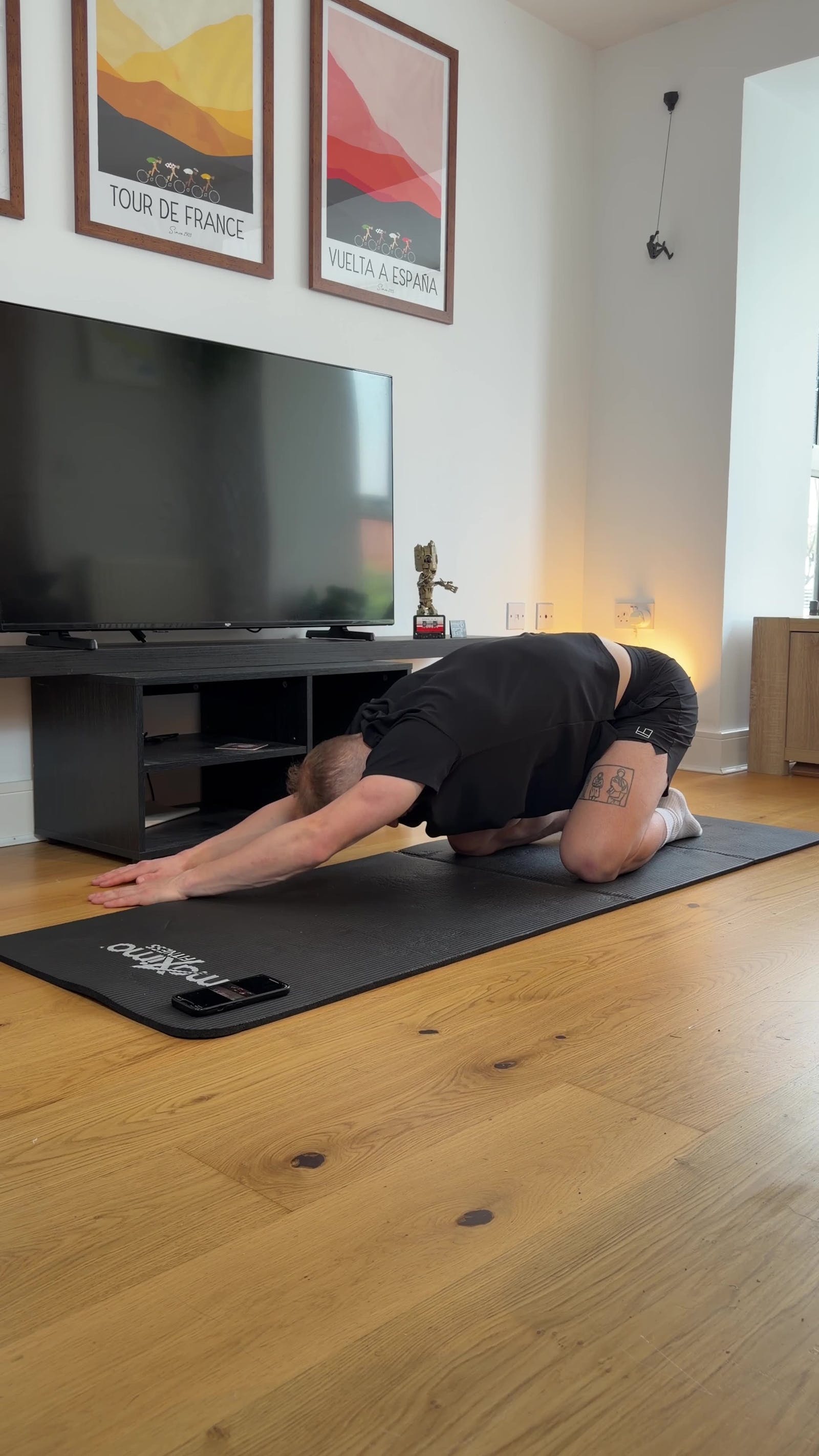
Mobility work is equally important. Tight hip flexors, stiff ankles, or limited thoracic rotation can restrict your range of motion and lead to compensatory movement patterns that create new problems. Our Pliability mobility routines help runners address the tightness that accumulates from running volume and strength sessions, building a body that moves well under load and recovers without losing range of motion. Consistent mobility work at least three times per week ensures the strength you're building translates into functional movement.
But most runners won't realize what they're missing until they're forced to stop.
Related Reading
What Runners Miss When They Skip Strength Training

Skipping strength work doesn't limit your potential for speed. It creates structural debt that accumulates until your body can't handle the repeated stress. Your glutes might not work properly, or your hips might not stabilize each landing; you haven't broken down yet.
🎯 Key Point: Strength training isn't about building massive muscles—it's about creating muscular balance and joint stability that keeps you running injury-free for years to come.
"Runners who incorporate strength training reduce their injury risk by up to 50% while improving running economy by 3-5%." — Journal of Sports Medicine, 2023
⚠️ Warning: The biggest mistake runners make is thinking they can outrun poor movement patterns. Weak glutes, tight hips, and unstable cores will eventually catch up with you—usually when you're training hardest for that important race.
What happens when your glutes lack strength?
When your glutes lack strength, your knees track inward during foot strike. Your IT band tightens to compensate. Your lower back takes on a load it wasn't designed to handle. According to research cited in a TODAY article, 30% of adults will have trouble walking and standing up as they age, largely because they never built the muscular foundation to support basic movement under load. Every stride on weak stabilizers is a micro-failure that your connective tissue absorbs until something fails.
Why does an easy pace mask weakness?
Runners feel strong during easy runs, so they assume their legs are ready for race pace. But easy pace hides weakness. When you run faster or climb hills, your body needs explosive power and stability it hasn't built yet. Your stride shortens, cadence drops, and energy is wasted through inefficient movement. You slow down not because your lungs ran out of air, but because your muscles couldn't keep up with the demand.
How does inadequate strength affect race performance?
One runner trained hard for their first marathon, following the program exactly and hitting every long run. They felt fine during training. Race day told a different story. By kilometer 21, their legs felt heavy despite proper eating and drinking. At 28 kilometers, cramping forced walking breaks. They finished more than an hour later than their cardiovascular fitness predicted, limping for days afterward.
The long runs never revealed the problem because they ran at an easy pace. The race demanded power that their undertrained muscles couldn't deliver—a structural weakness under race conditions. The aerobic system was ready; the muscular system wasn't.
Why does strength training prevent running injuries?
Strength training builds the ability to maintain good form when fatigued, generate power uphill, and absorb impact without stressing your joints. Our mobility routines address tightness from strength workouts, particularly in hip flexors, hamstrings, and calves. Pliability's mobility routines complement your strength training.
Runners who do strength training without mobility work often build strength in limited ranges, which reduces its benefit to running form. Regular stretching at least three times a week ensures that newly developed power translates into smooth, efficient movement rather than stiff, unbalanced patterns.
Why do runners plateau despite training harder?
Runners hit speed plateaus and assume they need more interval work or higher mileage. They rarely consider that weak posterior chain muscles waste energy through poor stride mechanics, preventing faster turnover. Research from fitness coach Bartek Sanocki on Instagram shows a 30-40% reduction in injury risk with one strength session per week. That same session improves running economy by teaching muscles to produce force efficiently, reducing the metabolic cost of each stride. You get faster not by running more, but by making each step require less effort.
What changes when you add strength work?
Understanding how this works matters only if you know what strength work changes in your body.
What Strength Training Actually Does for Runners (Performance Mechanism Explained)

Strength training rebuilds the mechanical foundation that running never addresses. It teaches your muscles to produce force quickly, stabilizes joints under load, and improves the efficiency with which your body converts effort into forward motion. You're building structural capacity that lets your cardiovascular fitness translate into faster, more durable running.
🎯 Key Point: While running builds your aerobic engine, it doesn't teach your muscles to generate the explosive power and joint stability needed for optimal performance and injury prevention.
"Strength training improves running economy by 3-8% and reduces injury risk by up to 50% in distance runners." — Journal of Strength and Conditioning Research, 2023
💡 Tip: Think of strength training as building the chassis of a race car - without a solid frame, even the most powerful engine can't perform at its peak potential.
What is the running economy, and why does it matter?
Running economy measures how much oxygen you use at a given pace. The less oxygen you need per stride, the faster you can run before hitting your aerobic limit. Research reviewed by Runner's World in January 2024 found a 3.85% improvement in running economy after consistent strength training: the difference between comfortably holding a 5:00/km pace and struggling. Your muscles learned to generate force with less metabolic cost, making every stride cheaper to produce.
How does strength training improve your energy efficiency?
Weak glutes force your quads and calves to work harder, depleting energy faster and causing fatigue earlier. Strength training redistributes the load. When your posterior chain handles eccentric loading, your quads don't have to brake as hard. When your hip stabilizers keep your pelvis level, your knees don't collapse inward, eliminating wasted energy through lateral movement. You run the same pace with less internal chaos, sustaining it longer or pushing harder when it matters.
How do most running injuries actually develop?
Most running injuries occur because your body takes thousands of steps without staying stable. Your IT band tightens when your glutes fail to control hip rotation. Your Achilles tendon becomes inflamed when your calves absorb impact that your hamstrings should share. Strength training builds muscle power to distribute force across all systems designed to handle it, preventing any single tissue from becoming overwhelmed.
What does research show about strength training frequency for injury prevention?
Runners who strength train once per week reduce injury risk by 30 to 40%, not because they run less, but because their bodies can handle their current running load. Connective tissue still needs time to recover, but it's no longer compensating for weak muscles.
Why does mobility work become essential for injury resistance?
Mobility work is essential here. Tight hip flexors from prolonged sitting or limited ankle dorsiflexion from years of running in cushioned shoes create compensatory movement patterns and weak spots. Pliability's mobility routines target the specific tightness patterns runners develop in the hips, hamstrings, and calves. Stretching at least three times per week ensures the strength you build translates into smooth movement rather than stiff, limited patterns that break down under fatigue.
How does power output determine your stride length and speed?
How fast you run depends on the force you generate when your foot contacts the ground. A greater force propels you farther with each step. Weak muscles cannot generate force quickly enough, resulting in shorter strides and requiring more steps to maintain speed, which reduces efficiency.
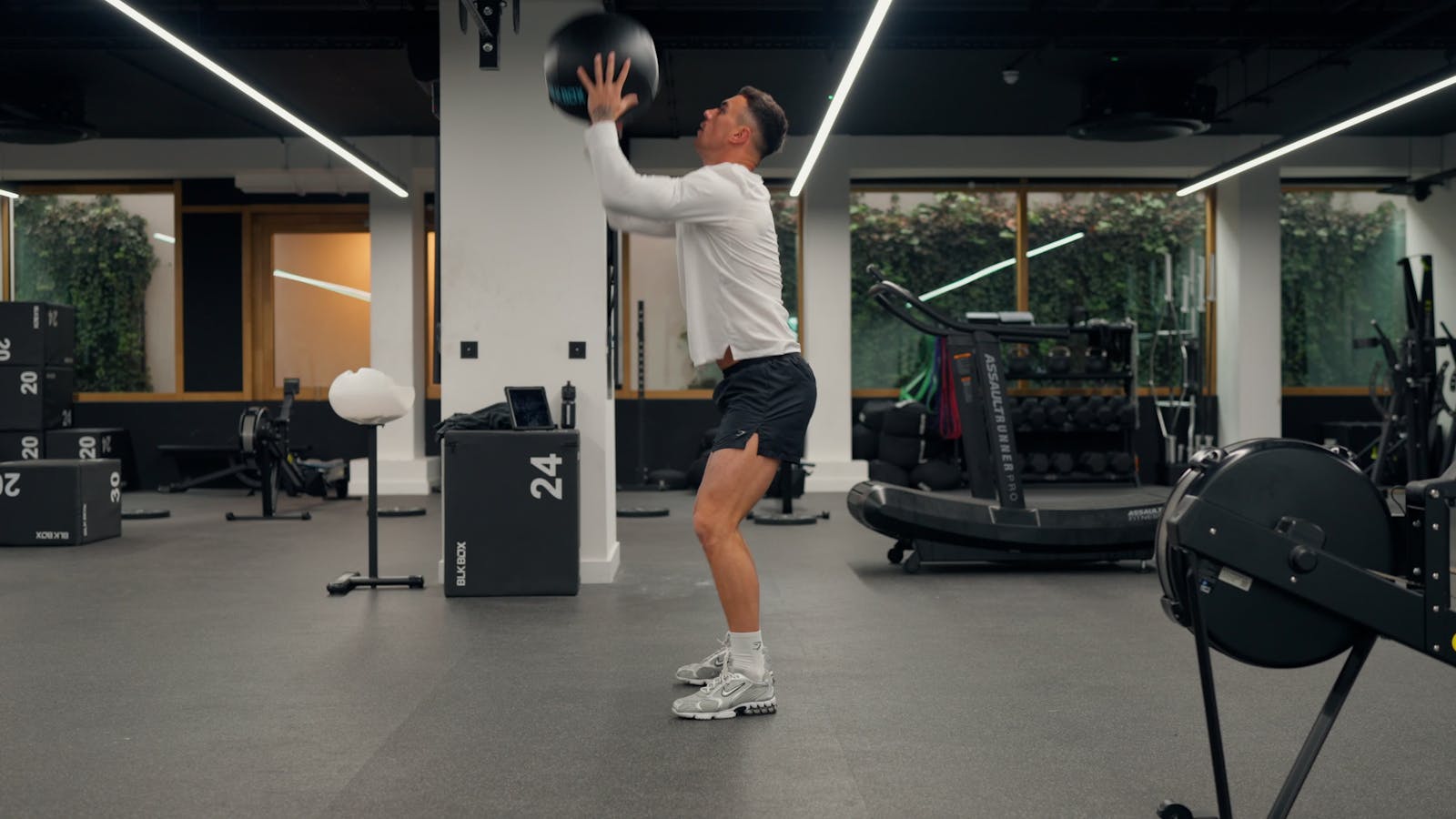
Strength training, especially explosive movements like single-leg hops and loaded step-ups, teaches your muscles to contract with power during the brief ground contact time while running.
What happens when your muscles can't sustain force production?
When you go up a hill or speed up, your body needs power that easy miles don't build. Untrained runners experience heavy legs, form collapse, and a drop in pace despite adequate cardiovascular capacity. The limiter isn't your lungs; it's muscles failing to produce the required force.
Understanding what strength work does matters only if you structure it without compromising your running.
Related Reading
Simple Strength Training Workout for Runners That Improves Speed and Durability

Good strength programs for runners mix endurance work with targeted resistance training, scheduled to complement your running load rather than compete with it. According to Runner's World, runners should aim for strength sessions twice a week, focusing on functional movements that mirror running demands while building resilience in commonly neglected muscle groups.
🎯 Key Point: The most effective strength training programs for runners integrate seamlessly with your running schedule, targeting weakness patterns and injury prevention rather than just building bulk.
💡 Tip: Schedule your strength sessions on your easy running days or immediately after hard running workouts to maximize recovery and avoid compromising your key training sessions.
Endurance-Strength Workout for Fat Burning and Base Building
Start with a 30 to 60 minute easy aerobic run to activate your lipid metabolism, then move into bodyweight strength work targeting muscles that running underutilizes. The endurance run primes your metabolic pathways while the strength work extends the after-burn effect and prevents muscle imbalances. Focus on two to four sets of exercises like pull-ups, squats, push-ups, forward lunges, superman pulls, bridges, and Russian twists, spending 30 seconds on each movement with equal rest between sets. Emphasize upper-body and core strength to create balanced development throughout your body.
Circuit Training for Stamina and Higher Exercise Tolerance
A running circuit forces your body to work hard when fatigued, teaching it to persist as lactic acid builds up and muscles want to stop. After a 10 to 15-minute warm-up run, complete three to four sets of five to six bodyweight exercises like push-ups, squats, lunges, crunches, or stair sprints, moving quickly through each 30-second work interval. Between strength sets, run for five to eight minutes at a faster but manageable pace. This alternation between strength work and cardiovascular stress builds exercise tolerance that translates directly to race-day resilience.
Running with Workout Intervals for Overall Endurance
Breaking up a run every five to eight minutes with mini strength circuits builds the ability to perform when tired, which racing demands. Run at a slightly faster pace than your easy runs, then stop for a quick circuit of three bodyweight exercises targeting different muscle groups: one for the upper body (push-ups, triceps dips, pull-ups), one for the core (bridges, Russian twists, crunches), and one for the legs (lunges, squats). Complete two sets of 15 repetitions per muscle group, then resume running. Repeated strength intervals during an extended run force your body to adapt in both aerobic capacity and muscular endurance.
How often should runners lift weights?
Lift 2-3 times per week on the same day as easy runs or after harder sessions to combine stress and protect recovery days. Focus on functional movements: squats, lunges, deadlifts, step-ups, and explosive plyometric work improve stride efficiency and running power while reducing injury risk.
Progressive overload applies to lifting as it does to running: gradually increase weights, reps, or intensity across weeks. Lifting the same load indefinitely produces no adaptation; your muscles need escalating challenge to grow stronger.
How should strength training change throughout training phases?
Plan your strength training in phases to support your running goals. During the base phase, use lighter weights with higher repetitions and add plyometrics. In the build phase, switch to moderate weights and medium repetitions with movements that mirror running mechanics. The peak phase requires heavier weights and fewer repetitions to build maximum strength. During race phase, drop back to maintenance mode with light strength work that preserves your gains without adding fatigue.
Recovery becomes essential as you add strength training to your running workload. The small tears in muscle fibers after lifting indicate your body is adapting, but only with sufficient sleep, good nutrition, and mobility work. Targeted recovery routines address hip tightness, ankle restrictions, and thoracic limitations that prevent strength gains from translating into better running performance.
How should you schedule strength training with your runs?
Do your strength training on the same day as your easy runs or right after hard workouts. This consolidates your tough training days and keeps your full recovery days free, allowing your body to rebuild without extra stress. If Tuesday is your interval session, lift that afternoon or evening. If Wednesday is an easy mileage day, add 30 minutes of bodyweight circuits afterward.
Your body doesn't distinguish between running stress and lifting stress; it counts all stress cumulatively. Spreading strength work randomly across the week prevents any day from being truly restful.
Why is mobility work essential after strength training?
When you finish a strength session, your hip flexors, hamstrings, and calves carry tension that restricts your range of motion and alters your stride mechanics, forcing your body to compensate in ways that waste energy and increase injury risk. Our mobility routines target the specific tightness patterns that strength training creates, particularly in the posterior chain and hip complex, which runners load heavily. Pliability's mobility routines address these compensation patterns.
Consistent stretching at least three times per week ensures the strength you're building translates into fluid, powerful movement rather than stiff mechanics that break down with fatigue.
Which single-leg exercises translate best to running?
Focus on single-leg exercises that mirror the one-sided loading running demands. Single-leg Romanian deadlifts teach your hamstrings and glutes to stabilize your pelvis while one leg bears your full body weight—the exact challenge each stride presents. Weighted step-ups build the explosive hip extension needed to power uphill and accelerate.
Lateral lunges and Copenhagen planks address the side-to-side plane weakness most runners ignore, strengthening hip abductors that prevent knee collapse and the duck-footed gait pattern that signals poor side-to-side stability.
Why do upper-body and core strength matter for runners?
Upper body and core work matter more than runners assume. Pull-ups and rows build the back-chain strength that keeps your torso upright as your legs fatigue. Plank variations and hanging leg raises develop the anti-rotation stability that prevents energy leaks through your midsection.
When your core can't maintain position under fatigue, your hips drop, your stride shortens, and each step costs more energy than necessary.
What does a practical two-day template look like?
Day one focuses on lower body and explosive power: box squats (3×8-10), single-leg Romanian deadlifts (3×10 each side), weighted step-ups (3×10 per leg), box jumps (3×6), and hanging leg raises (3×12). Day two targets the upper body, stability, and different lower body angles: pull-ups or lat pulldowns (3×8), dumbbell shoulder press (3×10), bent-over rows (3×10), jumping split squats (3×6 per leg), and plank variations (3 rounds of 30-60 seconds).
How do you progress and structure these workouts?
Each exercise uses 30 seconds of work followed by 30 seconds of rest, keeping sessions under 40 minutes. You get stronger by adding weight, increasing reps, or reducing rest intervals. Runners don't need bodybuilding splits or advanced periodization; they need movements that build the specific strength running doesn't provide, performed often enough to drive adaptation without interfering with primary training.
Building strength creates potential. Whether that strength improves your running depends entirely on what happens after the workout ends.
Recover Better So Your Strength Training Actually Translates Into Performance
Strength training improves running performance only when your body can absorb the work. Without sufficient recovery and mobility between sessions, new leg strength becomes stiff, your stride shortens, and the training stimulus never converts into faster times. The body adapts during rest, not during the workout itself: recovery determines whether strength sessions make you faster or simply more tired.
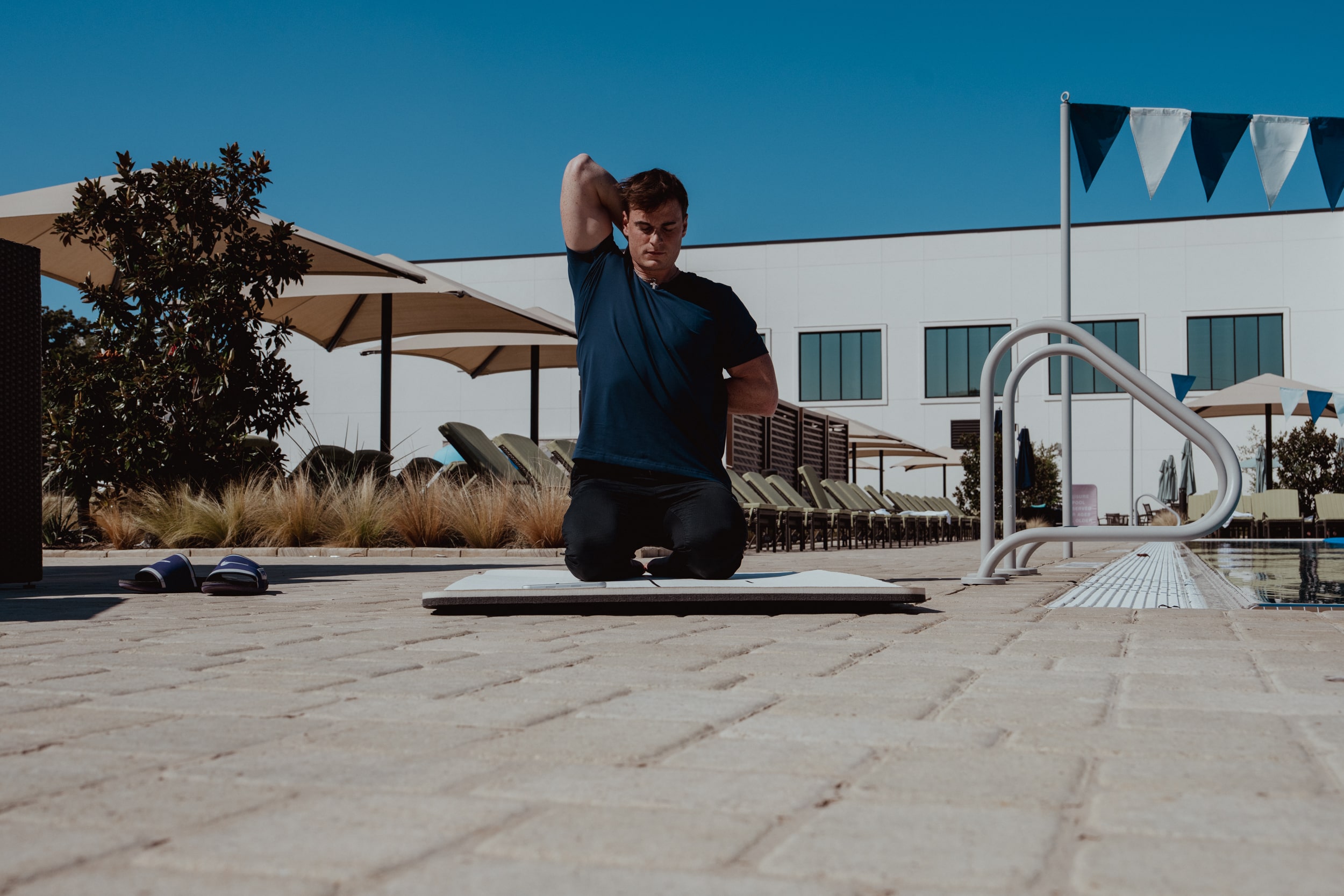
💡 Tip: Most runners treat mobility work as optional. Tight hip flexors limit stride extension, restricted ankles prevent proper force transfer, and thoracic stiffness compromises arm swing mechanics. These limitations build up quietly, reducing stride efficiency until your new strength can't express itself through already-compromised movement. Pliability addresses this gap with structured mobility routines designed for runners, targeting the hip mobility, ankle stability, and thoracic rotation that determine whether gym work translates into race-day speed.
"The body adapts during rest, not during the workout itself—recovery determines whether strength sessions make you faster or just more tired."
🔑 Takeaway: Recovery is active preparation for the next training stimulus. Sleep rebuilds muscle tissue, nutrition replenishes glycogen stores, and mobility work restores the range of motion that strength training temporarily reduces. When you lift heavy or complete explosive plyometric sets, your muscles contract forcefully, creating tension that improves force production but shortens resting muscle length. Without deliberate mobility work, you build strength inside a progressively smaller range of motion, limiting stride length and reducing the mechanical advantage your new strength should provide.
Recovery Element | Purpose | Timing |
|---|---|---|
Sleep | Rebuilds muscle tissue | 7-9 hours nightly |
Mobility Work | Restores range of motion | Same day as strength training |
Nutrition | Replenishes glycogen stores | Within 30 minutes post-workout |
The runners who improve fastest recover smarter, building mobility work into their weekly routine with the same consistency they apply to interval sessions and long runs. Schedule mobility sessions on the same days as strength training, either immediately after lifting or later that evening, to address the specific tightness created by that day's strength work before it compounds. Treat mobility as infrastructure, not maintenance, and your strength training will deliver the performance gains you've been working toward.
Related Reading
Exercises That Improve Muscular Endurance
Best Plyometric Exercises For Speed
Hydration Tips For Athletes
Food For Athletes During Competition
How To Build Mental Toughness In Athletes
Best Core Exercises For Athletes
Move better in 10 minutes a day.
10,000+ five-star reviews.