


LEARN
pliability

When you see runners zooming past you on a trail or at a local race, do you ever wonder how they can run so smoothly and effortlessly? Most runners will tell you that it comes with training and building stamina. Learning how to increase stamina for running will help you improve your performance and enjoy your time on the road or trail, whether racing or just out for a casual jog. If you're aiming to boost your endurance or simply curious about how to build athleticism (the mindset and discipline of an athlete), this article will help. You'll learn how to increase stamina for running so you can run longer and stronger with less effort by following a smarter, more efficient training routine that maximizes stamina without burnout.
what is stamina and why is it important for runners?

Stamina is essential when tackling endurance running. Not having enough can hold you back from hitting the PRs you're after. But some straightforward, if not necessarily easy, strategies can help. If you're on a mission to learn how to increase stamina for running, here's what you need to know.
stamina versus endurance: what's the difference?
Although the terms stamina and endurance are often used interchangeably, there are some key differences. Endurance refers to your ability to comfortably sustain a repetitive or continuous activity over a prolonged period, while stamina is about keeping up a high-intensity activity like running.
How Oxygen Utilization and Muscle Endurance Work Together to Sustain Performance
Stamina matters for runners because it's the key to running faster for longer. To complete any endurance activity, your body needs to produce force for extended periods of time, and some of the physiological systems behind that force lose their edge over time when you don't let them recover.
If you can figure out how to increase stamina for running, you can maintain the force that lets you push off from one leg to the next without slowing down as the miles add up. Better transfer of oxygen from the lungs to the bloodstream gives a runner more energy for longer.
how stamina affects fitness
Stamina is the underlying factor behind improving other fitness goals. Improving your stamina will enable you to push longer and harder during endurance exercise, lift weights more powerfully during strength training, and help you move faster without tiring.
Endurance
People often use the words "stamina" and "endurance" interchangeably, and while the two terms are similar, they aren't the same. Endurance in fitness is defined as how long a muscle group or body system can perform a specific action.
There are two types of endurance related to fitness:
Cardiovascular: refers to the ability of your heart, lungs, and blood vessels to support rhythmic exercises such as:
Swimming
Cycling
Running
Muscular: refers to the ability of your muscles to sustain repetitive movements under a given load, such as during weightlifting or hiking.
Strength
"Strength" has lots of different definitions, but regarding fitness, it essentially defines how much weight you can lift. Stronger people can lift heavier weights, or lift lighter weights for more reps. People with less strength can't lift as much and may not be able to complete as many reps.
Strength training contributes to your stamina because it conditions your body to sustain movement under heavy loads. Boosting your stamina, in turn, helps improve your strength training by removing a lack of stamina as a limiting factor to how many reps you can do or how powerfully you can move the weight.
Speed
Speed refers to how fast or slow you move while:
Walking
Running
Swimming
Performing other cardiovascular exercises
Genetics may influence speed more than strength and endurance, although you can improve your speed with hard work, just like you can improve any other part of your fitness.
Stamina refers to your ability to sustain a given effort. Stamina is less of a function of speed, but speed still plays a role. You'll be able to move faster for longer if you improve your stamina.
why does stamina matter for runners?
While much of the conventional advice around physical activity emphasizes steady-state cardio, like jogging for 30 minutes daily, stamina training offers unique advantages, especially for runners. Unlike general aerobic conditioning, stamina refers to the ability to sustain high-intensity efforts repeatedly, which is crucial for racing and adaptive performance.
For competitive runners, stamina enables powerful surges, sustained speed during high-intensity races, and agility in demanding terrain. But even recreational runners benefit. Whether picking up the pace to beat fading daylight or handling unexpected elevation on a new route, stamina equips you to respond with strength and efficiency.
Bottom line: no matter what type of runner you are, you don't want to only be able to go for a long distance at a slow pace. In many situations, both in competition and training, solid stamina can come as a significant plus.
how to increase stamina for running & train smarter, not harder

interval training: the shortcut to better stamina
Interval training is a top way to boost running stamina, and it's also a lot more interesting than simply logging miles. Improving your stamina drives real changes in your body: more alveoli in the lungs, the parts of the lungs that let oxygen transfer to the blood; more mitochondria, which produce energy within the muscles; and more capillaries, meaning more blood flow.
Hitting high speeds in short bursts on interval runs does more than improve your pace; those workouts improve running economy too, and that more efficient gait, in turn, leads to more stamina.
How long your intervals need to be depends on the distance you want to improve your stamina for. For a marathoner, that means longer reps like two-mile or even four-mile repeats at race pace or a little quicker. For an 800-meter runner, that means 200-meter and 400-meter repeats.
long runs: the more the merrier
Another solid way to build stamina is longer, slow runs, incrementally increasing the distance over time. This allows your body to get used to putting in a sustained effort. A general guideline is that a long run should be about 20 to 25 percent of your total weekly running mileage, and you can increase it by about 10 percent each week.
But it shouldn't just increase indefinitely. Build it up for three or four weeks, then take a step back so you don't get injured or burned out. After an easier week, you can start increasing the mileage again.
tempo runs: embrace the discomfort
Pushing out of your easy zone to a comfortably hard pace that you could maintain for about an hour also helps improve your stamina. Called tempo runs, these workouts have physical benefits, but mental ones too: they teach you to be a little bit uncomfortable for a long time.
lift heavy and jump high
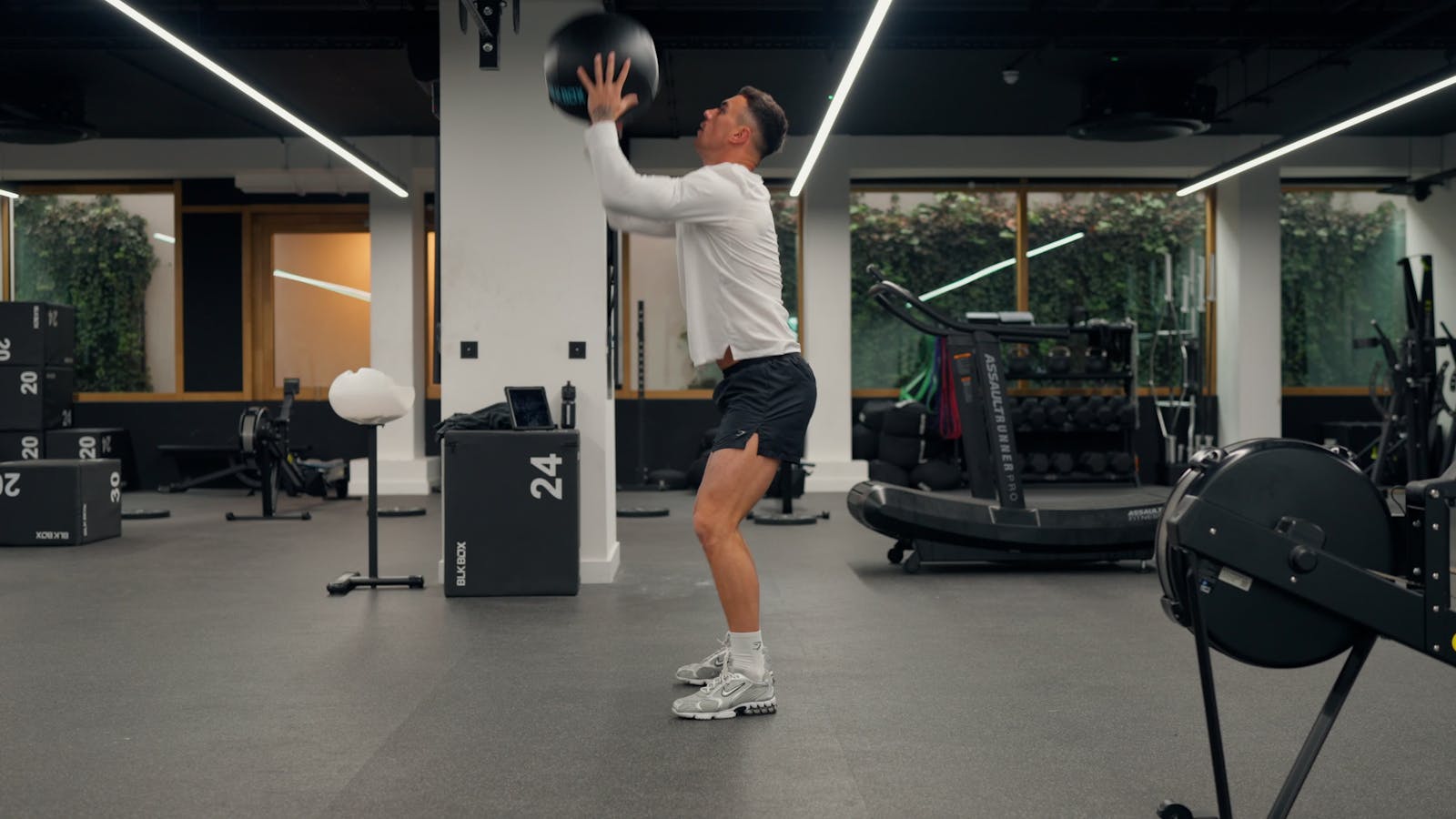
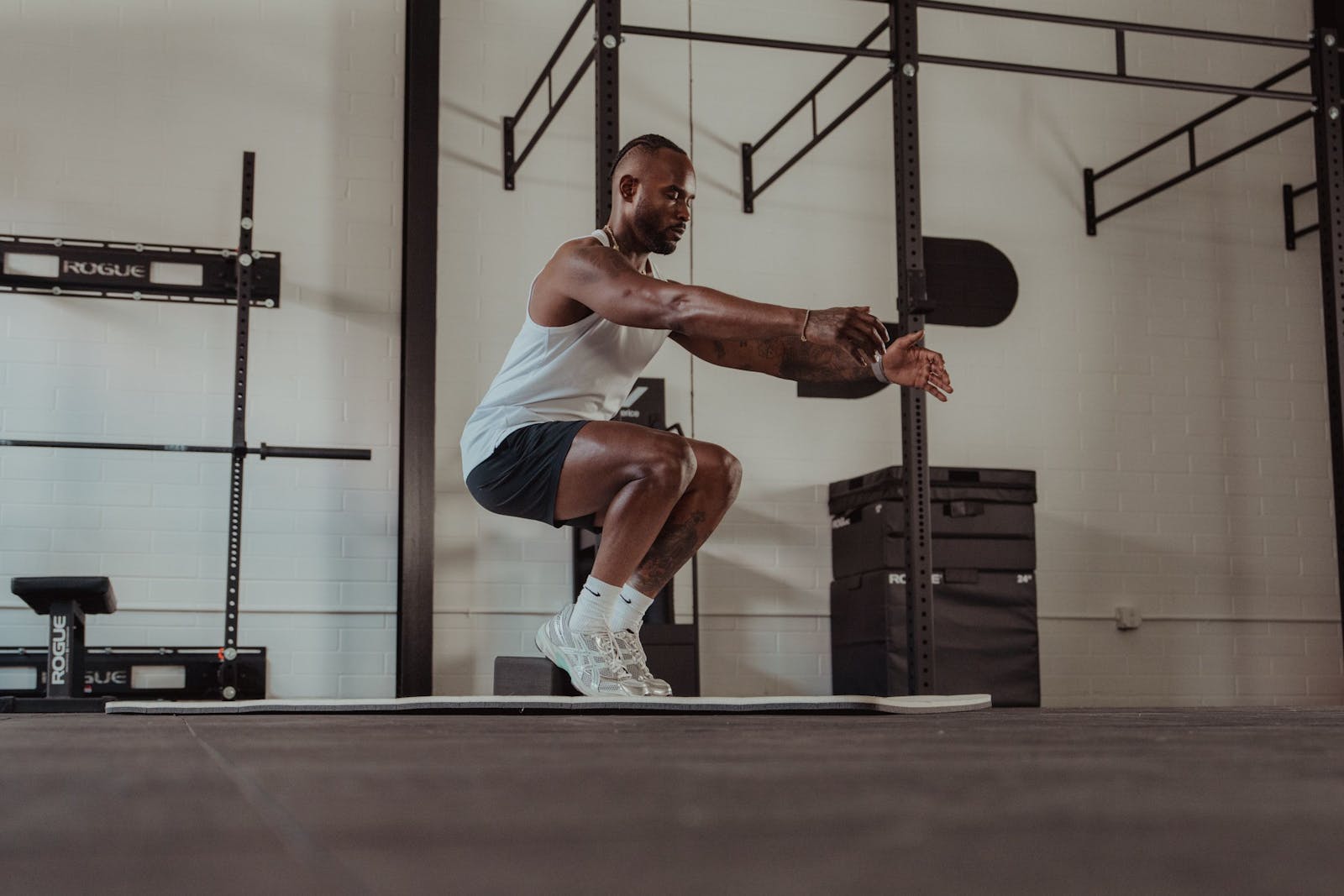
It's not only running that builds running stamina. Strength training is also a great way to make your running more efficient while becoming less susceptible to injuries. Two of the best forms of strength training for runners are plyometrics, which build explosive power to propel you forward, and heavy weight lifting, which strengthens your muscles.
Both strengthen the musculotendinous junctions, which helps with energy transfer between you and the ground, so you're running on springier springs. They can also help with better running form, so less energy gets wasted.
run hills and stairs: get vertical
If increasing your running distance or time doesn't sound fun, vary the running. Adding hill runs to your routine can make a real difference in your stamina if you live near hills or hiking trails. Stairs and bleachers work too. Running uphill challenges your lungs and legs alike.
try high-volume weightlifting
Volume, the total load you lift in a session, day, or week, is one of the biggest variables in resistance training that improves fitness. It's calculated by multiplying the weight by reps, and in general, continually increasing your volume benefits your fitness.
For example, if you perform three sets of 10 squats at 100 pounds, find your total volume by multiplying three by 10 by 100. The total volume is 3,000 pounds.
practice isometric exercises
Isometric exercise is when muscle fibers contract without extending. Planks and wall-sits are two good examples of isometric exercises. Incorporating isometric work into your fitness routine can teach your muscles to stay under stress for extended periods, improving stamina.
decrease rest intervals during workouts
One surefire way to improve your stamina is to allow yourself less rest time, unless you're lifting hefty weights, in which case you should rest three to five minutes between sets for optimal strength gains.
Decreasing rest intervals during moderate-to-high-intensity exercise can increase physical performance and improve body composition. Shortening your rest interval forces you to perform more work in less time, which, in theory, should support improvements in stamina.
try cycling: a breeze for building stamina
Riding a bike, whether mountain biking, road biking, or indoor cycling, can improve your stamina if you push the pace and the terrain outside. Indoor cycling, in particular, increases aerobic capacity, a major contributor to stamina and other health markers.
Because of the increased and variable resistance, mountain biking may be more effective at increasing muscular endurance and power. Outdoor cycling can boost cardiovascular stamina, improve fitness levels, and reduce the risk of cardiovascular disease.
swap cycling for rowing
If you're an avid cyclist, you may want to add rowing to your workout rotation. Rowing recruits more muscle groups than cycling and seems to improve cardiovascular capacity more, so next time you can hop on an erg, go for it.
have dance parties
Dancing is a great exercise that will leave your lungs and muscles burning, and it's fun. Dancing may also require you to assume new positions and challenge your range of motion, improving your overall fitness.
Dancing can meaningfully affect health and wellness, from better mobility and balance to improved cardiovascular endurance. Dance as exercise may also increase adherence for some people because the cost and transportation barriers to entry are low.
play sports
Most sports require complex skill sets that may be outside your comfort zone. If you're used to lifting weights, running, or other relatively monotonous movements, swapping one workout weekly for a sports game is a great way to hone other physical skills.
Destructuring your fitness routine like this could counterintuitively improve your stamina and fitness. For instance, depending on your position, a soccer game includes:
Sprinting
Jogging
Walking
Cutting
Kicking
Dodging
Throwing
Intermingling these different movements provides a fun and challenging way to improve stamina.
listen to music while exercising
Everyone knows a good song can pump you up for your workout. Music brings people joy and energy, which remains true during exercise. Listening to upbeat music during your workout might boost your performance in several ways, from reducing your perception of fatigue, to distracting you from the strain of your workout, to making exercise feel easier.
drink caffeine before exercising
If you're looking for a one-off way to improve your stamina, consuming caffeine before your workout might help. Caffeine is a solid pre-workout choice because it can increase your energy, mood, and physical capacity. The effect seems more significant in men than women, and you should be careful not to become reliant on caffeine.
add meditation to your fitness routine
Adding mindfulness practices such as meditation, deep breathing, or yoga to your overall wellness routine might improve your mental stamina. If you're used to fast-paced, engaging workouts, mindfulness practices will challenge you to push through perceived boredom and handle stress, two factors that affect how long you can exercise at a near-maximal level.
Research on mindfulness training among medical students has found improved mental stamina, including less stress and better patience and well-being, after several weeks of consistent yoga and meditation practice.
walk more: the unsung hero of stamina building
Walking is a great way to build stamina and get your body used to supporting its weight for prolonged periods. Walking and running involve the same muscle groups, so the more you walk, the stronger those muscles become. We're not suggesting swapping one of your weekly runs for a walk, but whether it's walking the dog or walking to work, try to cover as many miles as possible.
eat right and stay hydrated: fuel for stamina
Informed changes to your diet can increase your stamina for running. Certain foods contain carbohydrates, proteins, omega-3 fatty acids, fiber, and energy-boosting vitamins to sustain a prolonged physical effort. Some of the best foods to increase running stamina include:
Brown rice
Nuts
Eggs
Fatty fish like:
Salmon
Tuna
Green leafy vegetables
Citrus fruits
Your hydration levels also significantly impact your stamina, and even elite athletes are often poorly hydrated. Drinking plenty of water before and after your workout is essential. If you're running for more than 30 minutes, take a water bottle or a hydration pack and sip regularly as you go.
use a heart rate monitor: get smart about running stamina
A heart rate monitor can be a powerful tool for increasing running stamina. Many smart watches today include one, and heart rate sensors can also be used on running machines.
Tracking your heart rate allows you to do two things:
It helps you know your maximum heart rate and how long you can perform at that intensity.
By monitoring your heart rate over time, you can see your ability to exercise at your highest gradually increase.
strengthen your muscles
Weight and resistance exercises help strengthen muscles and directly impact running stamina. In one study of runners who added strength training over 12 weeks, participants recorded meaningful improvements in running economy, maximum oxygen consumption, and anaerobic threshold compared to those who didn't strength train.
Single-leg jumps, lunges, step-ups, and squats are simple exercises to build up your muscles and boost endurance. And don't just focus on your leg muscles either; upper body strength can help propel you forward and improve your running efficiency.
manage your stress
A critical yet often overlooked factor in developing stamina is managing emotional and physical stress effectively. Chronic stress compromises the body's ability to recover: it can weaken immune function, disrupt hormones like cortisol and adrenaline, and impair sleep, according to the American Psychological Association.
When the body stays in a prolonged fight-or-flight state, it deprioritizes essential recovery processes, including tissue repair. Integrative practices such as meditation, mindfulness, and yoga can help counteract these effects by calming the nervous system, reducing inflammation, and easing muscle tension. Mindfulness training has also been linked to measurable gains in physical endurance, reinforcing that mental recovery is physical recovery.
run 800-meter intervals
To increase endurance, add some 800s into your training plan. This training style can help runners improve their performance by running multiple shorter sprints interspersed with rest intervals. If you're training for a marathon or half-marathon, this exercise can simulate the effort required for a longer run while helping you build endurance.
All you need to do is figure out your goal pace and run it for 800 meters, two laps around a standard running track. So, if your goal is 7:30 per mile, your 800-meter goal time would be 3 minutes and 45 seconds. Run rounds of 800 meters until you can comfortably reach your goal time.
don't skip strength training
Strength training should be part of your training routine whether you have years of running experience or you just started. It can improve running economy, helping you use less oxygen and hold your pace for longer.
It can also help you develop muscle and joint strength, letting you activate key muscle groups more easily. Better muscle recruitment supports better performance, which is part of why strength and conditioning coaches treat it as a direct lever for running faster.
Here are some strength training exercises to incorporate:
Squats
Deadlifts
Overhead press
Lunges
Bent over rows
don't forget to rest and recover
Make sure you schedule recovery days into your workout routine. Contrary to popular belief, the actual act of exercising doesn't improve your fitness; it's the repair and rebuild phase that does. Rest days are critical to your improvement over time. If you perform an intense workout every day, your body never gets the chance to recover, and never gets the opportunity to repair your muscles.
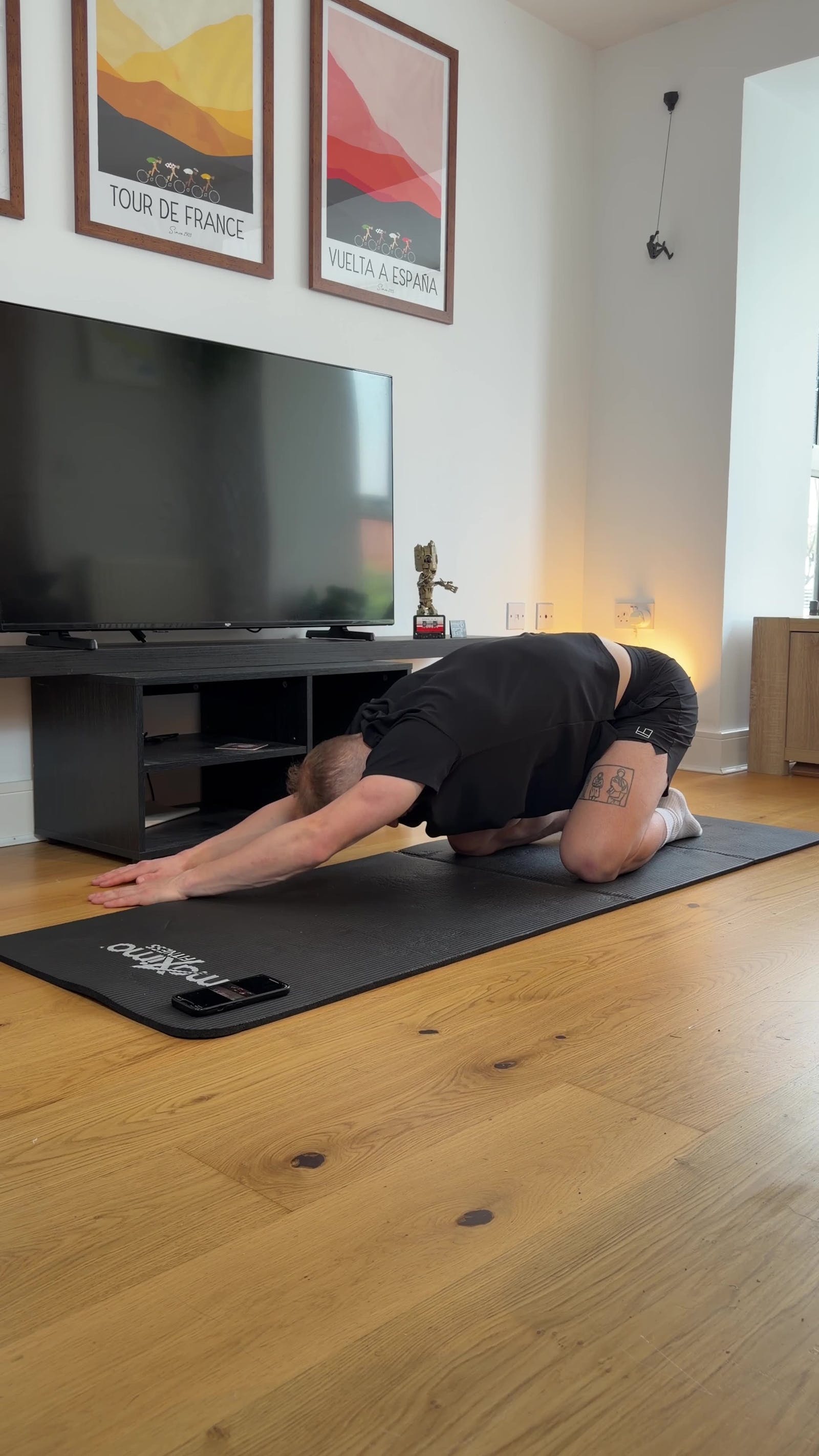
try yoga
Can yoga increase your running stamina? Perhaps not directly, but its breathing and posture improvements make it an excellent supplementary activity. Yoga also has plenty of benefits on its own, so it's worth trying out.
improve your flexibility with our mobility app today | get 7 days for free on any platform

pliability is a mobility app built for performance-oriented people and athletes who want to build real running stamina without breaking down along the way. Pick a running-focused Path to open up your hips and stride, use Build Your Program to slot mobility work around your intervals, long runs, and strength sessions, and take the in-app mobility assessment to find the tight spots that are quietly costing you running economy. If you're managing pain or an injury, the Rebuild hub is built for that.
Sign up today for 7 days free on iPhone, iPad, Android, or the web to improve flexibility, aid recovery, reduce pain, and enhance range of motion.
Related Reading






Move better in 10 minutes a day.
10,000+ five-star reviews.