


LEARN
pliability

When you're weeks into a HYROX training cycle, the workouts can feel relentless. As you push through each session, you might find yourself asking, "What am I training for again?" Sure, you're gearing up for a crazy competition that combines running with a dozen functional workouts. But the fundamental goal of your obsessive training is to perform better on race day, and that can't happen without adequate recovery. Proper HYROX recovery between workouts will help you avoid injury, stay healthy, and ensure you're at your best on race day. This article will help you speed up your recovery, stay injury-free, and perform at your peak throughout every HYROX training cycle.
what is HYROX, and how does it differ from CrossFit?

HYROX is a standardized indoor fitness competition. It consists of eight 1 km runs, each followed by a functional workout that focuses on endurance and functional fitness. The format is simple and predictable: competitors complete a total of eight workouts interspersed with eight 1km runs.
The goal is to maintain a steady pace and recover quickly between each workout to produce the fastest overall time. While each HYROX race is the same, the workouts can be different from event to event. So, it’s essential to train for all of them.
how HYROX racing compares to CrossFit
HYROX and CrossFit are often mentioned in the same breath, and for good reason. Both combine strength and endurance. Both push athletes to their limits.. And both have a loyal following.
For beginners entering HYROX competitions, it’s essential to understand how these two formats differ, particularly in terms of:
Training style
Recovery demands
Their impact on the body
HYROX vs. CrossFit: key differences in training, focus, and recovery
HYROX is a standardized indoor fitness competition featuring eight 1 km runs, each followed by a functional workout that focuses on endurance and functional fitness. CrossFit consists of varied functional movements performed at high intensity, aiming to improve overall wellness with a broad range of activities, including weightlifting and gymnastics.
Training for a HYROX event typically requires 8 to 12 weeks of preparation.

why this matters for recovery?
HYROX is more linear, with a known form: you can plan your training cycles and recovery protocols accordingly. In HYROX, recovery is often cardio-focused:
Low-impact movement
Breathing work
Active rest
CrossFit varies daily, which may expose athletes to frequent and unpredictable levels of fatigue. In CrossFit, recovery may involve more muscle repair and central nervous system (CNS) fatigue.
the role of recovery in HYROX training
Why Beginners Must Prioritize Recovery as Much as Workouts
Recovery isn’t just for elite athletes; it’s the secret weapon for HYROX beginners who want to perform well and train consistently without burning out. HYROX demands sustained cardio, explosive strength, and muscular endurance across eight workout stations and eight 1km runs.
That’s a full-body beatdown, and without proper recovery, you’ll likely face fatigue, soreness, or injury before you even hit the start line.
Why Recovery Is Essential for HYROX Performance
Here’s why recovery needs to be a non-negotiable part of your HYROX training plan:
What Happens During Recovery?
Muscle Repair: Microtears caused by functional movements need time to rebuild stronger.
Glycogen Replenishment: Your body burns through fuel, especially carbs, during long sessions.
Inflammation Management: Active recovery (like walking, stretching) helps flush waste products.
Nervous System Reset: High-intensity training taxes your CNS, which controls coordination and reaction.
What Happens If You Skip Recovery

11 HYROX recovery methods
Recovering from Hyrox races is very different than recovering from traditional endurance or strength events. Hyrox races are unique since they combine both endurance and strength activities, pushing the body to its limits.
Athletes can expect to finish a race in 70-90 minutes, but performance times can vary significantly based on fitness levels, training, and race-day conditions. Given the nature of Hyrox competitions, the recovery protocols for Hyrox races are best done as hybrid models that address both strength and endurance recovery techniques.
active recovery techniques
A study examined the effectiveness of four post-match recovery strategies on the recovery of muscle damage in elite male rugby players.
The players were randomly assigned to one of four interventions:
Compression garments (GAR)
Low-intensity active exercise (ACT)
Passive recovery (PAS)
Results showed that low-intensity active exercise and compression garments enhanced recovery, as indicated by the rate of creatine kinase clearance.
1. Light Exercise
You've just crushed a Hyrox event. Your first instinct? Probably to crash on the couch. There's a better option: gentle movement can accelerate your recovery. Let's explore how to stay active without overexertion.
Why Bother With Light Movement?
Think of light movement as a gentle reset for your body. It gets your blood flowing, helping flush out all the junk from your muscles. It keeps you loose and can help alleviate post-race stiffness.
Innovative Ways to Keep Moving
Recovery Walk: A 30-minute stroll does wonders. It's gentle on your body and helps things flow. Grab a buddy and chat about your Hyrox experience while you're at it.
Gentle Yoga: Try a Hatha yoga session. It'll stretch out those tired muscles and calm your mind. Aim for 30-50 minutes to feel the effects.
Easy Bike Ride: Hop on a bike for a relaxing ride. Keep your heart rate between 60-80% of your max for 10-30 minutes.
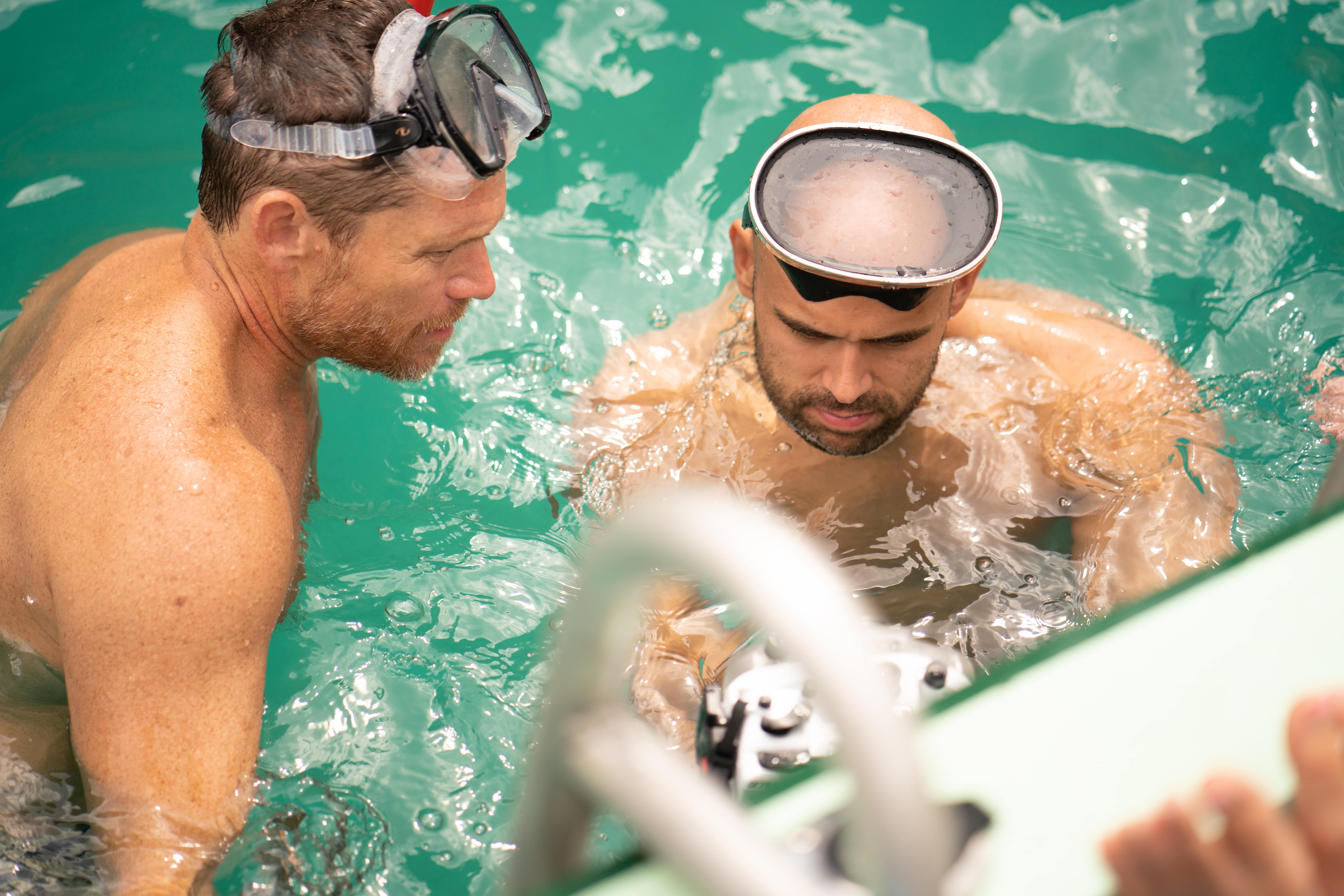
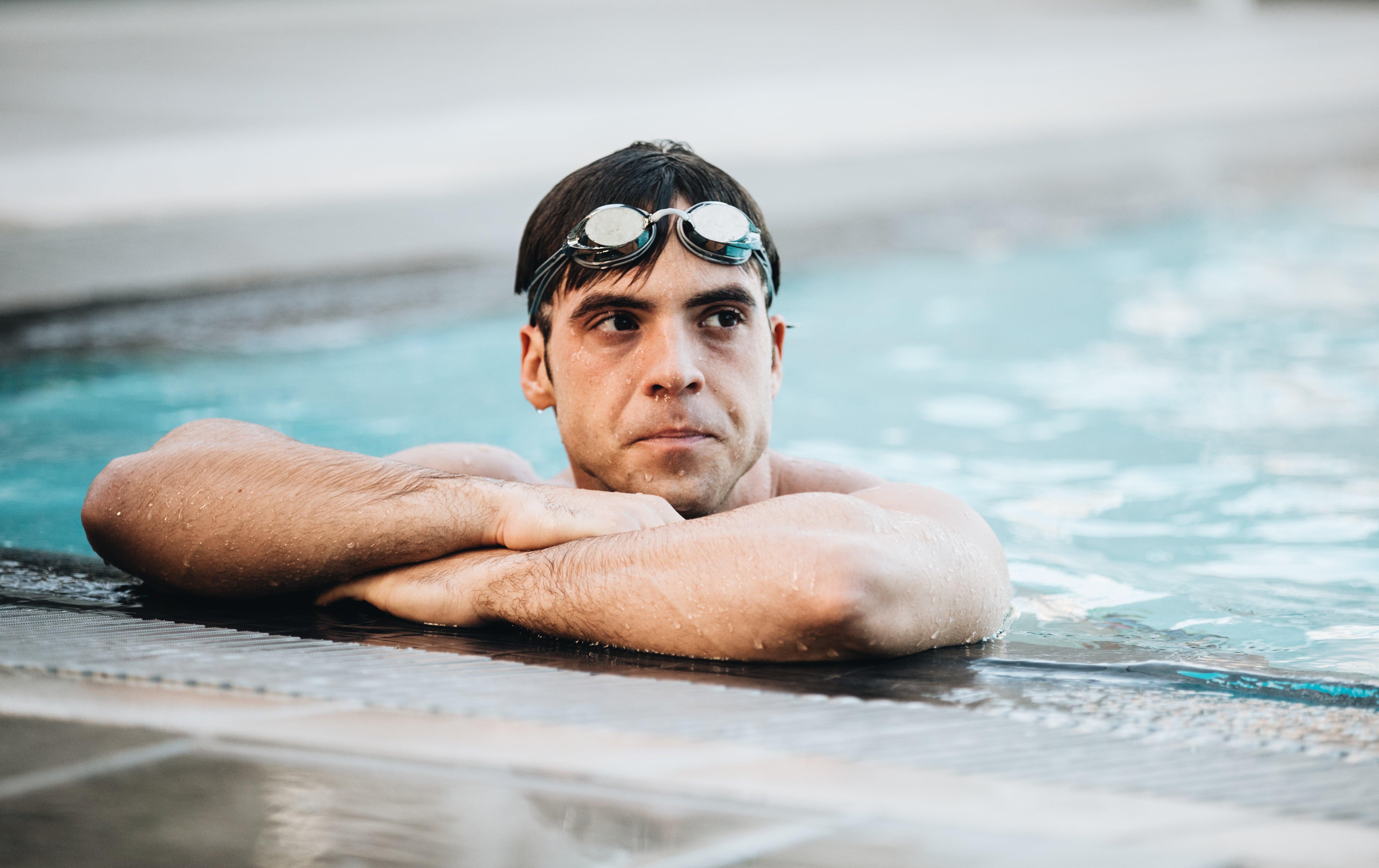
Pool Time: Swimming's great for recovery. The water supports you while you move, taking stress off your joints.
Dynamic Stretching: Focus on mobility exercises to keep your muscles loose and fight off stiffness.
Everyone's body works differently, and that advice hits the nail on the head for Hyrox athletes. Pay attention to how you feel and tweak your recovery activities as needed.
When to Get Started
Kick off your light movement the day after your event. Start small, just 10-15 minutes, and build up as you feel ready. Remember, the goal here is recovery, not pushing yourself beyond your limits.
Finding the Sweet Spot
Movement is beneficial, but don't go overboard. Your body still needs downtime to repair and rebuild. Aim for a mix of light activity and proper rest.
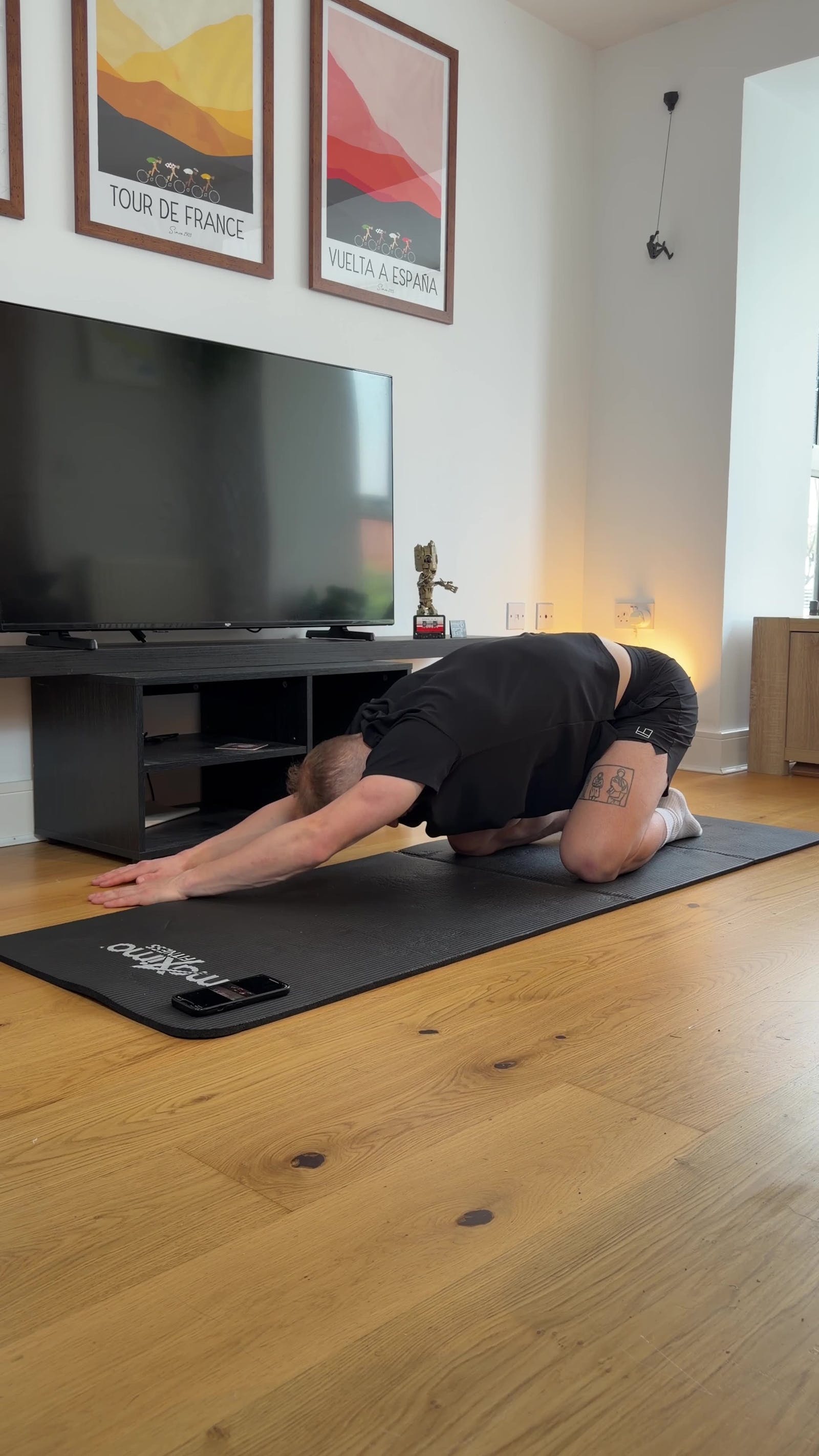
2. Mobility Work
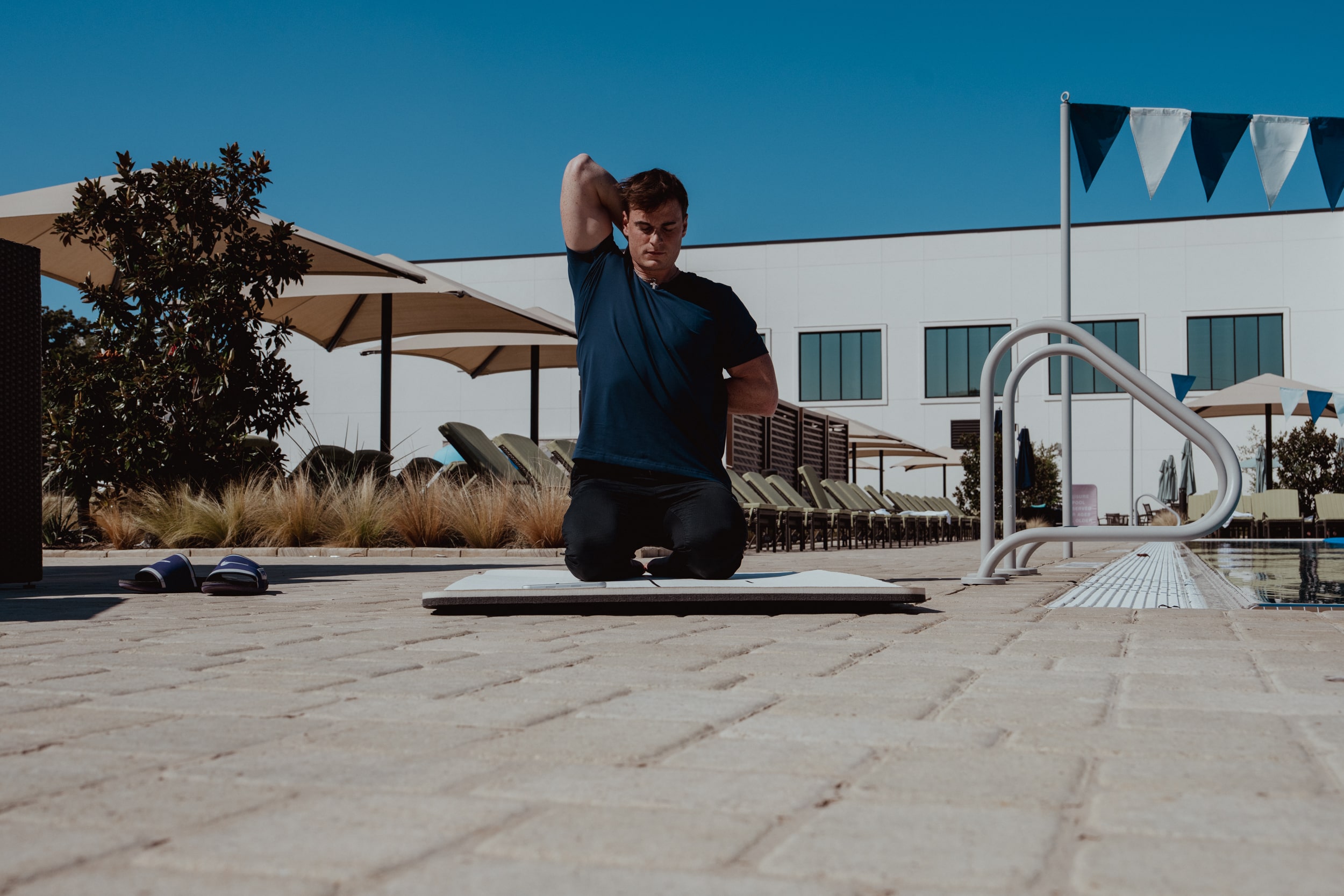
Incorporate stretching, foam rolling, and yoga into your routine to enhance flexibility and reduce muscle tightness. Stretching and foam rolling help alleviate muscle tension and improve range of motion, while yoga offers the added benefit of mental relaxation.
Stretching should include both static stretches (held for a specified period) and dynamic stretches (involving movement).
3. Muscle Care
After a Hyrox event, your muscles need some profound love. Here's how to take care of them and speed up recovery:
Massage: More Than Just Relaxation
Massage isn't just for spa days. It's a recovery powerhouse:
Fights muscle soreness and stiffness
Boosts blood flow, feeding tired muscles
Breaks down knots, improving flexibility
Using a foam roller can assist with your recovery rate from a tough training session. Hold pressure on tight spots for 30 to 90 seconds to trigger relaxation.
Foam Rolling: DIY Muscle Magic
No massage therapist? No problem.
Grab a foam roller:
Use it pre-workout to boost performance
Roll sore spots before bed for better sleep
Target trouble areas like:
Calves
Quads
Back
Pro tip: Try a hard plastic water bottle for deeper pressure if a foam roller isn't enough.
Timing Your Recovery
Post-Hyrox muscle care isn't one-size-fits-all:
Immediately after the event: Use light foam rolling to boost blood flow without causing further damage.
1-2 days later: This is the peak time for soreness. Step up your foam rolling and think about a sports massage.
3-5 days post-event: As you feel better, continue rolling and stretching to ease back into training.
Pro-Level Techniques
For the hardcore Hyrox athlete:
Active Release Technique (ART): Hands-on treatment for overused muscles.
Graston Technique: Uses special tools to break down scar tissue. Great for those stubborn knots from sled pushes and wall balls.
4. Rest
Prioritize adequate sleep (7-9 hours per night) for muscle repair and overall recovery. It is during sleep that your body undergoes most of its healing and repair processes. Extended sleep is one of the most commonly used and effective recovery methods among endurance athletes, who often prioritize long nights of sleep and daytime naps to enhance recovery.
5. Smart Hydration
Hydration can make or break your Hyrox performance. It's not just about chugging water; it's a game plan that starts days before you hit the start line.
Before the Race
Prepare your body 2-3 days in advance.
Increase your fluid and electrolyte intake slightly.
On race day, sip 500ml of electrolyte mix in the 3 hours leading up to the start.
This boosts your blood plasma, helping you work harder during the event.
During the Race
Hyrox events usually last about 90 minutes. Aim to drink 400-600ml per hour.
Good news: Hyrox sets up water stations in the Rox Zone. Use them!
After You Finish
Don't stop drinking when you cross the finish line: rehydrating jumpstarts recovery. Go for drinks with electrolytes to replace what you sweated out.
Electrolytes Matter
These minerals keep your fluids balanced and muscles firing. You lose a ton of sodium when you sweat. If you're a heavy sweater or prone to sweating, you might need extra. Hydrating before the start line matters just as much as during the race, given how tough the event is.
Your Personal Hydration Plan
Everyone's different. Your sweat rate, sodium loss, and race conditions all play a role. Practice your hydration strategy during training to nail it on race day.
Post-Race Nutrition
You've just crushed a Hyrox event. Now what? Let's talk about refueling your body.
Right After the Race
Your body's screaming for nutrients.
Within 30 minutes, grab:
A protein shake (20-30g).
A banana or some rice cakes.
500ml of water or an electrolyte drink.
This combo kicks off your recovery FAST.
The Big Meal (1-2 Hours Later)
Time for real food. Think protein, complex carbs, and healthy fats.
Try:
Salmon + sweet potato + veggies
Chicken stir-fry with brown rice
Greek yogurt parfait
Once you've finished, your muscles will be craving both protein and carbohydrates to repair and replenish, so don't skip refueling.
Next Few Days
Keep the good stuff coming. Aim for 1-1.3g of protein per pound of body weight daily. Load up on berries, greens, and nuts to fight inflammation.
Don't Forget to Drink
Water's great, but electrolytes matter too. Coconut water's a tasty option.
6. Massage Therapy
Regular massages reduce muscle soreness and improve circulation. Schedule professional sports massages or use a massage gun on sore areas to release muscle knots and improve blood flow.
Massages help to relax the muscles, break down scar tissue, and promote blood flow to the affected areas, speeding up the recovery process.
7. Supplements
Incorporating the right supplements can support faster recovery and boost overall HYROX performance:
Protein (Whey or Plant-Based): Helps repair and rebuild muscle tissue post-workout.
BCAAs (Leucine, Isoleucine, Valine): Can be taken before, during, or after training to reduce muscle soreness and support recovery.
Omega-3 Fatty Acids (e.g., Fish Oil): Help reduce inflammation and muscle soreness while supporting heart health.
Electrolytes (Sodium, Potassium, Magnesium, Calcium): Replenish minerals lost through sweat and support muscle function, hydration, and cramp prevention.
Creatine Monohydrate: Supports high-intensity performance, aids in muscle recovery, and replenishes ATP, the primary fuel for explosive movements.
Always consult a healthcare provider or sports nutritionist before introducing new supplements to your routine, especially if you have dietary restrictions or health conditions.
8. Better Sleep
After pushing yourself to the limit in a Hyrox event, sleep becomes your ultimate recovery tool.
Here's why it matters and how to maximize its benefits.
Sleep Isn't Just About Feeling Refreshed
During deep sleep, your body releases the majority of its growth hormone, which is what repairs the muscle you've pushed so hard.
Intense Exercise Can Mess With Your Sleep
However, here's the thing: intense exercise, such as Hyrox, can disrupt your sleep. The adrenaline rush and higher body temperature can make it harder to drift off.
So, How Can You Improve Your Sleep for Better Hyrox Recovery?
Get Enough Sleep: Aim for 7-9 hours of sleep per night, but listen to your body's needs. You might need more after tough events.
Set Up Your Bedroom: Keep it cool (60-70 degrees F), dark, and quiet. Blackout curtains can help.
Create a Bedtime Routine: Engage in gentle stretching, reading, or meditation to help your body relax.
Watch Your Caffeine: Cut it out by early to mid-afternoon. It can stay in your system for up to 6 hours.
Go Easy on Alcohol: A post-race beer might sound good, but it messes with your sleep. If you drink, limit it to one to two drinks at most, preferably earlier in the evening.
Cool Down: Take a warm bath 90 minutes before bed. When your body temperature drops afterward, it signals it's time to sleep.
Avoid Screens: Put away your devices at least an hour before bed. The blue light interferes with your sleep hormones.
If you're having trouble sleeping after Hyrox, cool down right after your event: use wet towels, ice packs, or a cool shower to lower your body temperature faster.
Need More Reasons to Prioritize Sleep?
Stanford University basketball players who slept 10 hours a night improved their free-throw accuracy by 9% and ran faster sprints. Swimmers who got extra sleep had quicker reaction times and better moods.
The best way to get deep sleep is being very active throughout the day. As a Hyrox athlete, you've got that covered; now make sure you're giving your body the recovery time it needs.
9. Hot and Cold Treatment
After a Hyrox event, temperature therapy can speed up your recovery. Let's explore how hot and cold treatments can help you recover more quickly.
Cold Therapy: Your Anti-Inflammation Ally
Cold therapy, also known as cryotherapy, helps alleviate inflammation and pain.
Here's why it works:
Shrinks blood vessels, cutting down swelling.
Numb pain receptors.
Helps flush out muscle waste.
Many Hyrox athletes swear by ice baths. Aim for 50-59 degrees F (10-15 degrees C) water and soak for 10-15 minutes. Not up for a complete ice bath? No problem. Apply ice packs to sore spots for 10-15 minutes.
Heat Therapy: Relaxation and Blood Flow Booster
Heat therapy is designed to relax muscles and improve circulation.
It works by:
Expanding blood vessels.
Loosening tight muscles.
Boosting healing with more oxygen and nutrients.
Saunas are great for Hyrox athletes. They typically range in temperature from 160-200 degrees F (71-93 degrees C). Start with 10 minutes and gradually work up to 20-30 minutes over time.
When to Use What
Here's a quick guide:
Right after your Hyrox event: Go cold to fight inflammation
24 hours later: Switch to heat for healing and relaxation
Before your next training: Use heat to warm up
Icy temperatures help reduce inflammation, while heat dilates blood vessels and promotes blood flow, which is why the two work well together across a recovery week.
Mix It Up: Hot and Cold Combo
Want to kick your recovery up a notch? Try alternating hot and cold. This contrast therapy can enhance blood flow and accelerate recovery.
Here's how:
Start with 3-5 minutes of heat (shower or sauna).
Switch to 1-2 minutes of cold therapy (such as a cold shower or an ice pack).
Repeat 3-5 times, always ending on a cold note.
Play It Safe
Keep these tips in mind:
Always wrap ice packs in a towel.
Stay hydrated, especially with heat therapy.
If something feels off, stop.
10. Getting Back to Training
After pushing hard in a Hyrox event, you need to be smart about getting back into training.
Here's how to do it right:
Take It Easy at First
For the first few days after the event, stick to gentle stuff. Try some yoga or Pilates to keep your muscles loose. It's all about moving without overdoing it.
Slowly Ramp Things Up
After about 4-7 days, start doing some dynamic stretches and foam rolling. Then, ease into light weights with exercises that work multiple muscle groups at once.
This helps you get back into the swing of things without shocking your system.
Pay Attention to Your Body
Once you reach the one-week mark, take a moment to check in with yourself. If you're feeling good, you can push harder. Remember that recovery is just as important as the training itself. HYROX is a relatively low-risk sport that can be performed very safely, but that safety depends on your training being smart, not just hard.
Mix in Some Hyrox-Specific Stuff
As you get back into your routine, consider adding exercises that are specific to Hyrox. This can help boost your overall fitness and make you a better runner. There is something to be said for stepping outside your comfort zone with strength work: it doesn't hurt to have a few more muscles, and if you can keep your running cadence up, that helps your running in the long term.
Find the Right Balance
Make sure you're taking adequate rest days so you can recover, get a positive training stimulus, and let your body repair enough to go again. Plan your week so that you've a good mix of strength training, conditioning, and running, and make sure you've got at least one day where you're not doing anything.
Don't Get Hurt
Be careful with how much running you're doing. Build it up slowly to avoid getting injured. And make sure your shoes are comfy for both running and pushing that sled. Test them out thoroughly in training.
Eat and Drink Right
Don't forget about fueling your recovery. Eating well and staying hydrated are key to getting back to your best.
11. Don't Overtrain
Pushing yourself too hard in training without allowing sufficient time for rest and recovery can lead to:
Fatigue
Decreased performance
Increased risk of injury
Days 1-3 Post-Event
The day after a competition, you may feel exhausted. Listen to what your body is telling you! If you can jump on a Bike Erg for 30 minutes to cycle out some lactic acid from your legs, then that’s a great activity to do, or a gentle jog, or even a walk.
But there is no need to do anything heavier than that, and in fact, it will have a detrimental effect on you. Emphasize gentle, restorative exercises like yoga or pilates that focus on flexibility and core strength.
Days 4-7 Post-Event
Incorporate dynamic stretching and foam rolling into your routine to aid muscle recovery further. If you're back in the gym, don’t expect any PRs; go lighter with the weights and just move to enjoy your healthy body.
After 1 Week
Check in with yourself and assess your body. If you’re feeling good, gradually resume the intensity of your training programme.
Consider incorporating new training techniques or routines to keep your body adapting and improving.
Recovery is as crucial as training itself.
Listening to your body and allowing adequate time for recovery will ensure you return to your training stronger and more resilient.
integrating HYROX recovery into your weekly routine

why recovery matters for HYROX training
Recovery for Hyrox training is just as important as the workouts themselves. Proper recovery helps you bounce back faster from the intense physical demands of Hyrox workouts, allowing you to return stronger for your next session.
Recovery also prevents injury by allowing your muscles to repair and rebuild before you stress them again.
sample weekly recovery schedule
To get the most out of these tools and techniques, it’s essential to build recovery into your overall training plan.
Here’s a sample schedule:
Monday: Post-Workout Recovery
Immediate Recovery: Cool down with static stretching and foam rolling (5–10 minutes).
Active Recovery: A light walk or gentle yoga session for 15 minutes later in the day.
Tuesday: Recovery Day
Focus: Use this day for deeper recovery. Consider a session that alternates between cold therapy (such as an ice bath or cold packs) and heat therapy (a warm shower).
Nutrition: Eat a balanced, nutrient-dense meal to aid muscle repair.
Wednesday: Post-Workout Recovery
Recovery Tools: Use your massage gun on sore muscles and follow up with a session of foam rolling and stretching.
Hydration: Continue to hydrate throughout the day and track your water intake.
Thursday: Active Recovery
Light Activity: Engage in a low-impact activity, such as swimming or a relaxed cycling session, to maintain blood flow.
Stretching: Incorporate static stretching with the help of stretching straps for 10–15 minutes.
Friday: Post-Workout Recovery
Tool Focus: Utilize compression garments post-workout to reduce inflammation and muscle vibration.
Recovery Techniques: End your session with a combination of active recovery and foam rolling.
Saturday: Mixed Recovery
Recovery Routine: Combine a session of yoga flow for flexibility with a brief session of cold therapy if needed.
Reflection: Keep a training journal, noting how your recovery felt and any improvements in flexibility or reduced soreness.
Sunday: Rest Day
Complete Rest: Allow your body to recover completely. Use this day for mental relaxation and preparing for the next week of training.
Sleep Focus: Ensure you get an extra hour of sleep to restore your energy levels fully.
building a recovery mindset
Recovery is as strategic as the workouts themselves.
Don't view recovery as a break from training; it's an essential part of the process. The right recovery tools and techniques will have you coming back stronger every time.
Invest in quality tools like foam rollers and compression gear. They might seem like small details, but over time, they make a real difference in performance and injury prevention.
Listen to your body. Track your recovery metrics and adjust your routine accordingly. If something feels off, tweak it before it becomes a problem.
The right approach is all about balance: pushing hard in your workouts while giving your body the tools it needs to repair and grow.
tracking your recovery progress
It’s essential to monitor the effectiveness of your recovery strategies so you can adjust and improve over time.
Here are some ways to track your recovery:
Use a Training Journal: Document how you feel after workouts, any muscle soreness, and your performance in subsequent sessions.
Leverage Technology: Utilize fitness trackers or recovery apps to track key metrics, including resting heart rate, sleep quality, and even muscle oxygen levels.
Set Benchmarks: Regularly perform a Hyrox simulation or specific recovery tests (such as flexibility tests) to determine the effectiveness of your recovery techniques.
recover like your next session depends on it

Hyrox races are demanding, and so is the training that gets you ready for one. pliability's Daily Sessions give you a guided mobility and recovery routine to run between hard training blocks, and the Rebuild hub offers structured programs when you're managing a specific issue like tight hips or a cranky lower back. Take the mobility assessment to find where your own recovery is falling short, then follow a personalized Path built around it, or use Build Your Program to design a routine around your own Hyrox training week.
Sign up today for a 7-day free trial on iPhone, iPad, Android, or the web, and make recovery as deliberate as your training.







Move better in 10 minutes a day.
10,000+ five-star reviews.