


LEARN
pliability

In mind-body performance and resilience exercises, the presence of mind links mindfulness and body awareness to steady attention and clear thinking under pressure. Have you ever missed a cue in a busy room, felt your concentration slip, or reacted before you could think? This article lays out simple routines for attention training, breathing, grounding, emotional regulation, and mental clarity so you can remain calm, focused, and in control of your thoughts, and make clearer decisions even under stress.
To support those practices, pliability's mobility app offers short guided routines that build breath control, body awareness, and focus so you stay steady and make better choices when it counts.
summary
Presence of mind steadies judgment under pressure; people who practice mindfulness regularly report clearer thinking and lower reactivity to stress.
Short, consistent attention training lowers reactivity over time more reliably than occasional, unstructured relaxation.
Small, repeatable habits drive real change, so pick two to three practices from this list and test them for four weeks.
Intentional movement anchors attention; research links consistent physical activity to better concentration in both children and adults.
Practical tactics restore focus quickly, for example, box breathing for 1 to 3 minutes, journaling for 2 to 10 minutes, and taking microbreaks every 45 to 90 minutes to prevent attention decay.
Making presence trainable requires measurable checkpoints, so track a few simple markers, such as task completion and reaction time, week by week, so gains are reproducible instead of accidental.
why is presence of mind important?

Presence of mind is staying aware and mentally steady in the moment, so you think clearly rather than react. It steadies judgment under pressure, improves how you speak and listen, and keeps emotions from hijacking decisions when things get confusing or sudden.
why does presence of mind change outcomes so fast?
This matters because clarity buys options. When your attention is present, you notice small cues others miss, you pause long enough to choose a better response, and you avoid the reflex that creates bigger problems.
Anchored Access Shifts Stalemate
For example, a well-timed reframe can turn an awkward exchange into a harmless joke, and a calm, creative counteroffer in a tense negotiation can shift a stalemate into agreement. Those moments are not luck; they are the result of attention that is anchored and accessible when you need it.
where does presence of mind help most in everyday life?
This pattern appears across exams, competition, and challenging conversations: being present reduces simple mistakes, speeds accurate reads, and keeps tone constructive. In an exam, presence prevents careless errors that cost whole grades. On the field, it lets you read an opponent and choose the right pass instead of flailing.
In a relationship or a heated meeting, it keeps responses measured so the exchange stays productive rather than escalating. Over time, those small wins compound into steadier performance and fewer regrets.
how does this affect stress and mental clarity?
Short, consistent attention training changes baseline reactivity: repeated attention exercises sharpen cognitive control and reduce mental fog for most people who practice them regularly.
Because the body and mind are closely linked, regular somatic work also lowers physiological tension, showing that predictable routines can measurably influence how stressed you feel.
why short somatic practice works better than scattered breathwork
Most people try to center themselves with occasional breathing or a web article because it feels simple and takes no effort. That familiar approach keeps moments of calm fleeting; when stress returns, so does the old reflex to react.
Movement Anchors Attention
Guided, no-equipment movement sessions anchor attention through movement, not just instruction, giving your practice a predictable structure instead of relying on willpower alone.
Teams find that measurable, short somatic practice gives attention a predictable place to land, so presence is reproducible instead of accidental.
what changes when you make presence trainable?
The failure mode I see is this: people treat presence as a moral habit you either have or you do not, and they wait for a crisis to test it. That approach fails because stress rewires attention in seconds. When you make presence a repeatable skill through brief daily movement and objective feedback, you convert random calm into a capacity you can call on under load.
Practically, that means fewer reactive outbursts, clearer decisions, and more constructive conversations, driven by a steady internal baseline rather than willpower alone.
a short image to hold onto
Think of presence of mind as the shock absorber for your judgment, not the engine; it soaks up the hit and keeps direction intact.
how to increase presence of mind and improve daily decision-making

Short daily habits, not heroic willpower, build presence of mind: brief somatic practices, simple boundaries, and targeted attention skills give you clearer thinking, steadier concentration, and better emotional balance. Start small, repeat daily, and treat progress like training data: steady, measurable, and cumulative.
move your body
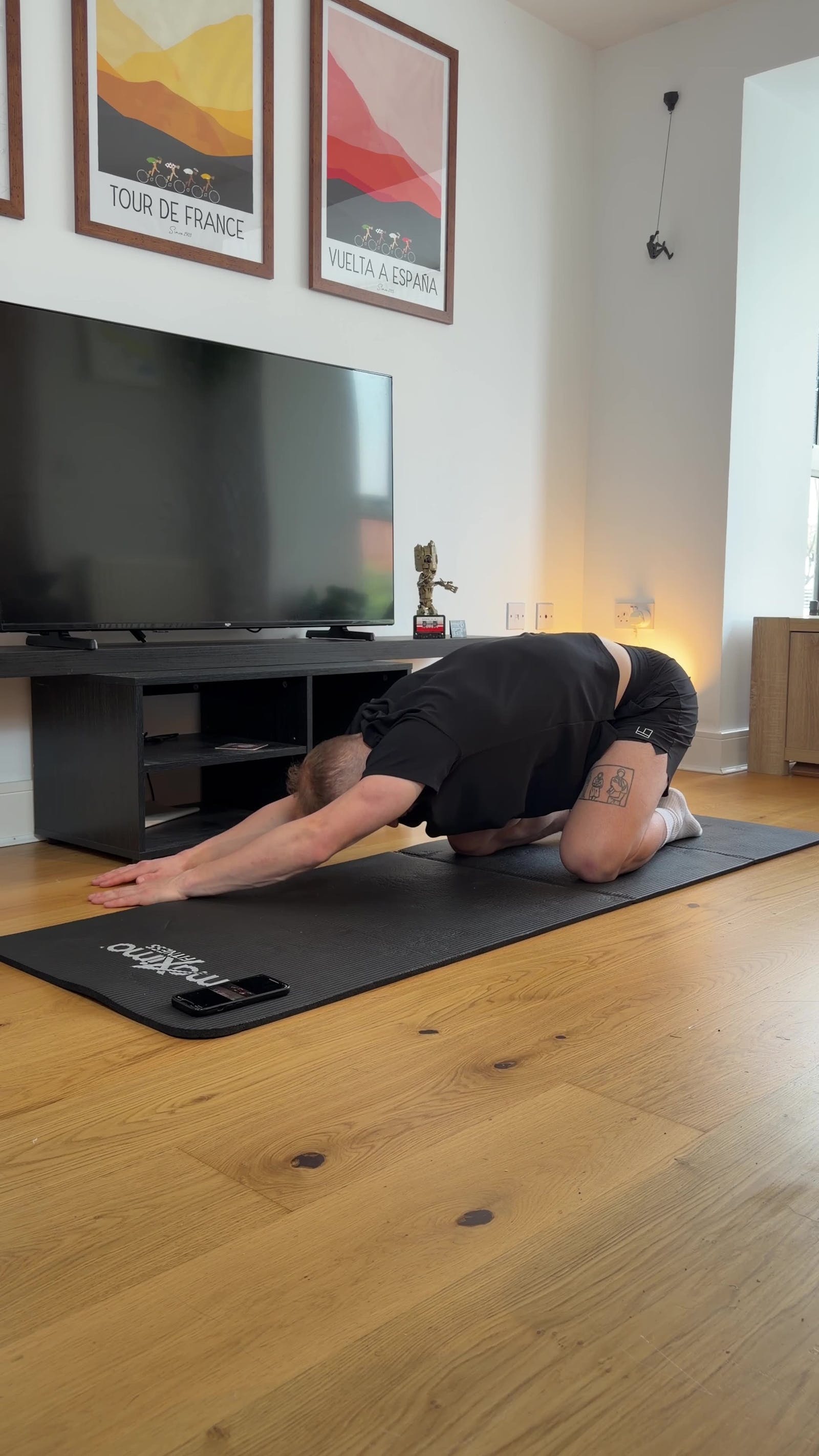
When you move with intention, you release stored tension and give attention a physical anchor, clearing mental noise and tightening focus. Movement that expresses emotion, even a short walk or a couple of minutes of swinging your arms, quiets reflexive thought and leaves you able to think more clearly.
Activity Benefits All Ages
Better concentration is one documented benefit of daily physical activity in children, and similar research in adults over 45 links staying active to less reported cognitive decline.
Regular exercise also tends to lower blood glucose, reduce dementia risk, prevent heart disease and diabetes, and improve mood. Consistency matters more than perfect sessions; start with small, repeatable movement windows and build from there.
explore breathing exercises
Use the breath as a simple anchor, especially when attention splinters; paced breathing pulls thought back to the body and shortens the time it takes to steady judgment. Try box breathing (4-4-4) or a few slow, diaphragmatic inhales and exhales for 1 to 3 minutes before a high-stakes call.
These practices interrupt spirals of worry and return you to action with less reactivity. Keep practicing; steady gains arrive after many short reps.
reduce screen time
Set clear windows for notifications and device use, so your attention is not perpetually yanked away by pings, which fragment work and relationships. If you find yourself slipping into the habit of scrolling to avoid difficult emotions, swap the phone for a book, a five-minute walk, or a short mobility routine instead.
This creates predictable, protected pockets of presence without moralizing your choices; consistency beats perfection.
practice mindful movement
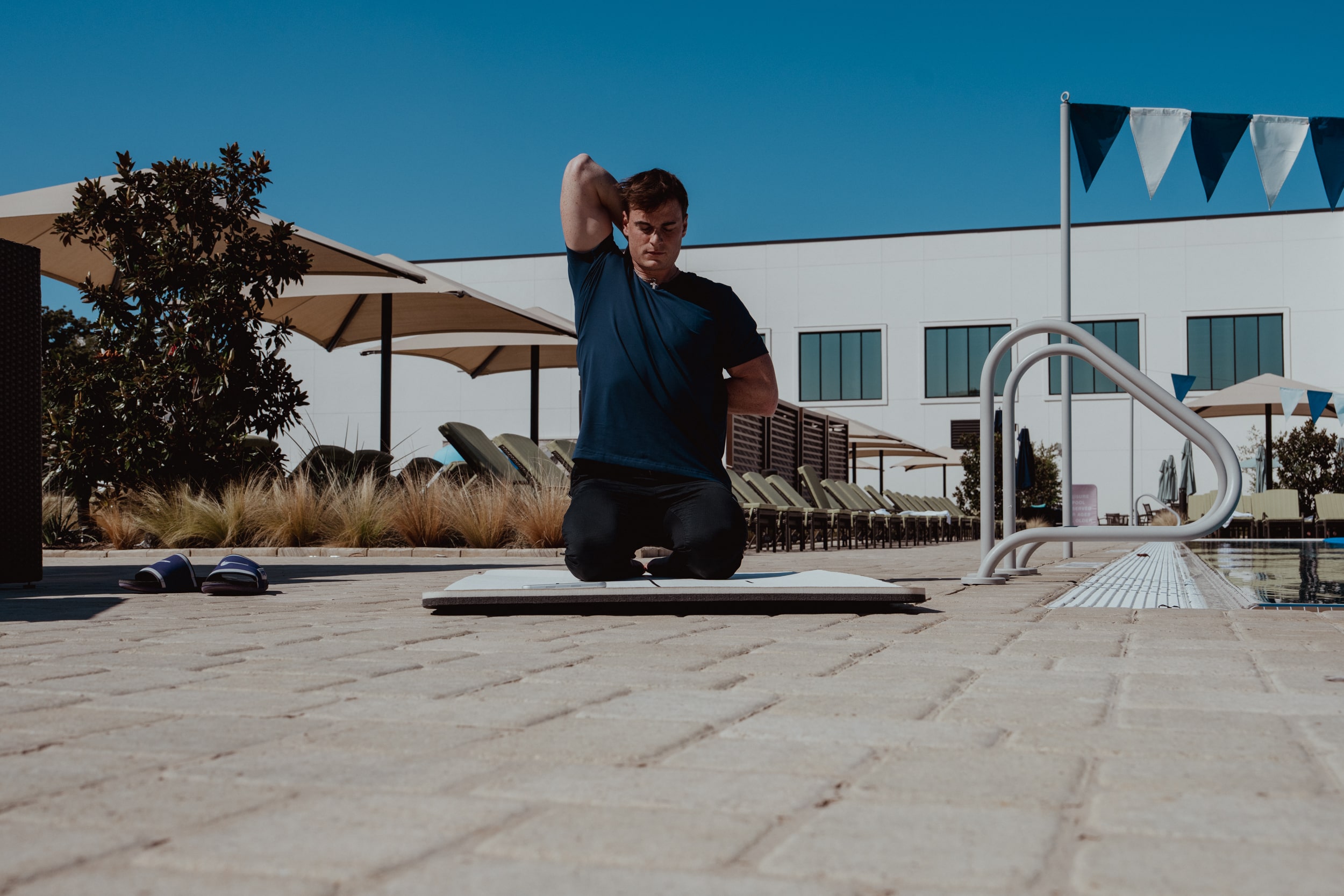
Move with attention rather than on autopilot, whether you do yoga, run, or dance, so each sensation becomes information rather than a distraction. Being in tune with joint position and breath makes concentration more accessible off the mat and during stressful moments. If you want guided options, look for short, focused movement sessions that link movement to attention. Small daily doses compound faster than occasional long sessions.
take up journaling
Write for two to ten minutes to offload looping thoughts and map emotional friction into a format you can manage. Capturing what's nagging you reduces cognitive load and improves decision clarity for the rest of the day. Start with a single question, like what's taking up most attention, and be gentle; regular entries sharpen perspective over time.
practice meditation
Short, regular meditation trains the decision-making circuits that get hijacked under stress, so you respond with choice rather than impulse. This matters directly in workplaces, where clearer thinking and steadier judgment tend to improve team performance. Treat sessions like reps for attention: imperfect, brief, and regular; gains pile up when you make the practice predictable.
try a grounding technique
Use the 5-4-3-2-1 exercise to move attention out of worry and into the present by naming five things you see, four you can touch, three you hear, two you smell, and one you taste. This stepwise naming forces sensory detail and short-circuits rumination. If you prefer guided cues, use a short recorded meditation to make the first few repetitions easier. Repetition builds reliability; do it whenever you feel scattered.
spend time in nature
Even brief exposure to natural settings reduces cognitive load and restores attention capacity by giving the brain low-effort sensory input to process. If getting outside is hard, use imagery or natural soundscapes while you stretch or walk in place. Small, repeatable nature breaks act like resets across the day.
schedule creative time
Block undisturbed slots for creative work, whether sketching, playing an instrument, or freewriting, to train deep attention without outcome pressure. Creativity requires presence, and a short scheduled habit teaches your brain that focused, playful attention is allowed.
listen carefully
Slow your pace and listen as if what you hear matters more than being right, then respond only after you've absorbed the whole message. That habit protects relationships and reduces reactive escalation. People who practice deliberate listening for a couple of weeks often report fewer heated exchanges and clearer task handoffs.
observe
Watch actions without jumping to immediate fixes, because accurate observation is the raw material of sound decisions; when you try to solve too soon, you miss necessary detail. Pause, note, then act.
avoid multitasking
Do one task at a time when accuracy matters; multitasking scatters attention and lengthens total completion time. If a task demands deep focus, close other tabs and schedule short, low-attention work for later.
prioritize your tasks
Work from a short list of three things that matter that day, so urgent items don't hijack sustained attention. When you clear the high-priority item first, your mind stops nagging you about it, and you get more presence for what follows.
switch between high and low attention tasks
Alternate intense focus work with brief, lower-attention activities to let your brain recover without losing momentum. Shifting for five to ten minutes refreshes concentration and prevents the fatigue that builds over a straight two-hour stretch.
take short breaks
Breaks are not laziness; they are a performance tool. Microbreaks every 45 to 90 minutes preserve attention and prevent errors. Try standing, stretching, or doing a 60-second mobility drill, then return; your work will be cleaner. When focus degrades mid-task, that same simple permission to step away for a few minutes and come back often restores clarity faster than grinding through.
be comfortable
Arrange your environment to remove physical distractions, because discomfort steals mental bandwidth. Minor adjustments, such as chair height, lighting, or reducing background noise, create more consistent attention windows.
keep moving
When thinking stalls, movement restarts it; pacing while rehearsing, or doing a short set of mobility drills, often sharpens recall and reduces rumination. Movement is a practical tool for returning to calm focus.
emotional balance
If personal hurt or exclusion follows you into work, set a small boundary: one short somatic practice or journal check before a meeting to re-center. Emotional noise is normal, and simple rituals limit how much it spills into decisions.
solve puzzles and play games
Work puzzles and situation-based games that require pattern matching and flexible thinking to strengthen working memory and presence. Interactive problems, where multiple answers are plausible, teach you to tolerate ambiguity and make better calls under uncertainty.
practice being in this moment
Several times a day, pause and take a sensory inventory, noticing how your body feels and what your five senses report. These "being here now" breaks are training reps for attention muscles; short and regular is the point.
eliminate distractions
Create a specific place and time for deep work, and ask that it be respected, because external interruptions and internal worries both erode presence. If interruptions are frequent, schedule multiple brief focused windows rather than a single long block.
keep practicing
The presence of mind grows slowly with repeated, predictable practice; treat it like mobility training, where consistency matters more than intensity. Small daily habits beat occasional heroic efforts.
Loose Approach Lacks Feedback and Fails
Most teams manage pre-work warmups and ad hoc stretching because they are familiar and feel like self-care, which is understandable, but those routines often lack feedback and consistency. Over time, that loose approach fails because the gains from attention are fleeting and sessions are easy to skip.
Structured, guided practice with a way to track your consistency turns those flickers of attention into something repeatable instead of accidental.
Better Decisions Under Less Reactivity
That structure matters in daily life and at work, because focused attention enhances decision quality and performance. Small, repeatable habits tied to measurable progress provide a reliable path to clearer thinking.
Track Change with Consistency, Not Perfection
Keep expectations realistic: progress is gradual and uneven, small wins compound, and consistency beats perfection. Pick two or three habits from this list, practice them for four weeks, and use simple measures like task completion, calmer reactions, and shorter decision times to track real change.
build presence of mind into your daily routine
When stiffness or a scattered mind steals your focus, pliability turns the practices above into a guided daily habit instead of something you have to build from scratch. Daily Sessions give you a short, guided mobility routine every day that doubles as attention training, and Paths string sessions together into a multi-week progression if you're working toward a specific goal. Take the mobility assessment to see where you're most restricted, then use Build Your Program to build a routine around it.
Try pliability free for 7 days on iPhone, iPad, Android, or the web.
Related Reading







Move better in 10 minutes a day.
10,000+ five-star reviews.