


LEARN
pliability

Muscle tightness is uncomfortable and can make physical activities much more challenging. Stretching can help relieve tightness, but how frequently should flexibility exercises be performed for best results? Most people see the best results from dedicated flexibility work two to three times a week, though the right frequency for you depends on your goals, from general mobility to something as demanding as a full split or contortion-level range. This article explores how often flexibility exercises should be performed to help you achieve goals like improved range of motion and better performance. An effective, sustainable stretching routine can help you build greater flexibility, reduce stiffness, and improve mobility. pliability's mobility app can help you get there by building a personalized routine to improve mobility and relieve tightness.
how frequently should flexibility exercises be performed for best results?

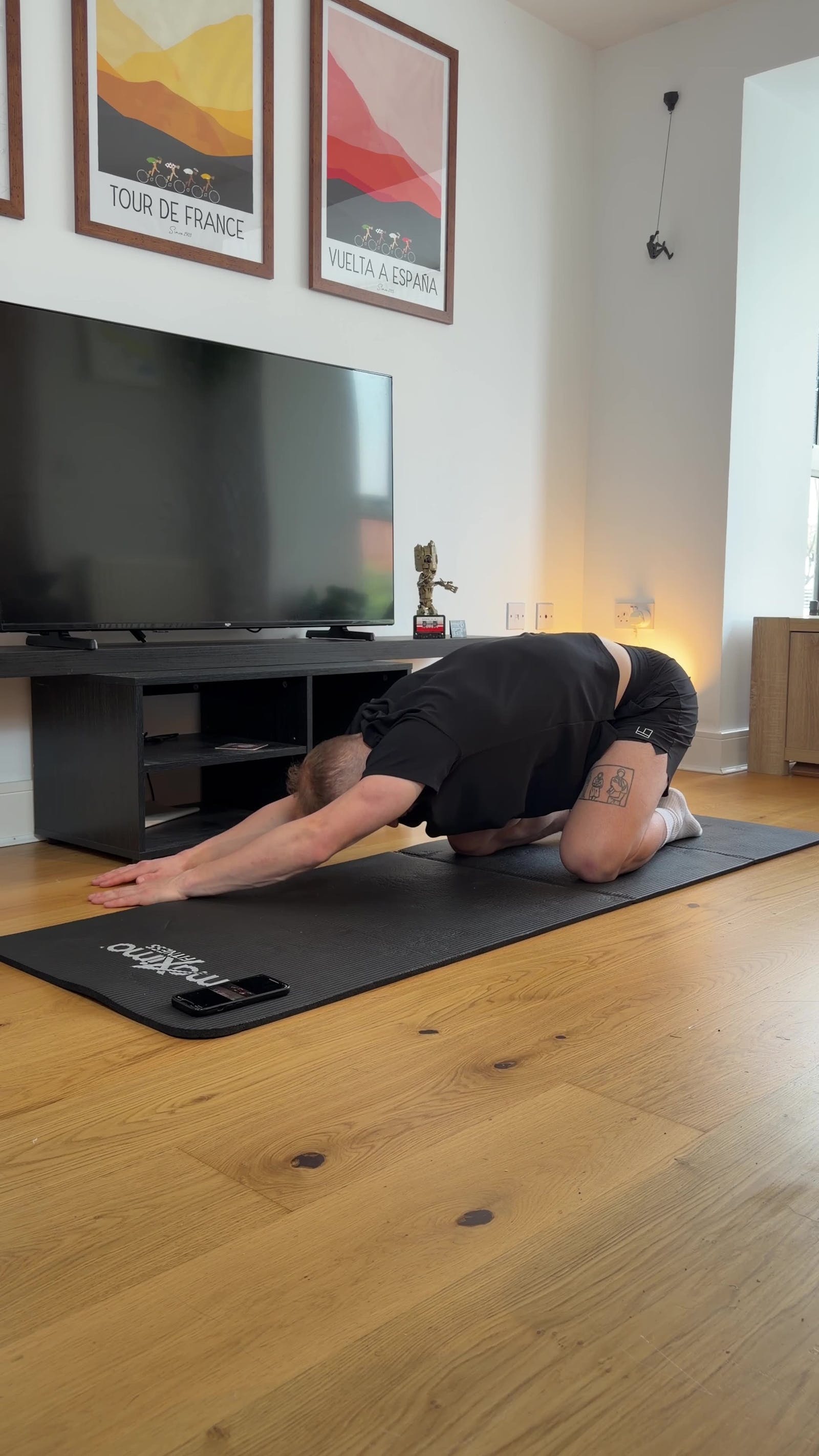
Bending forward to touch your toes can reveal how tight your hamstrings are. When it's challenging to move and bend easily, that can be a sign you need to stretch more often to improve your flexibility.
why flexibility is key to an active lifestyle
Flexibility refers to the mobility of your muscles and joints. If you're flexible, you'll have a good range of motion, meaning you can bend, stoop, and twist with ease. If you aren't flexible, some regions of your body will likely feel stiff to the point where it prevents you from getting down, quite literally.
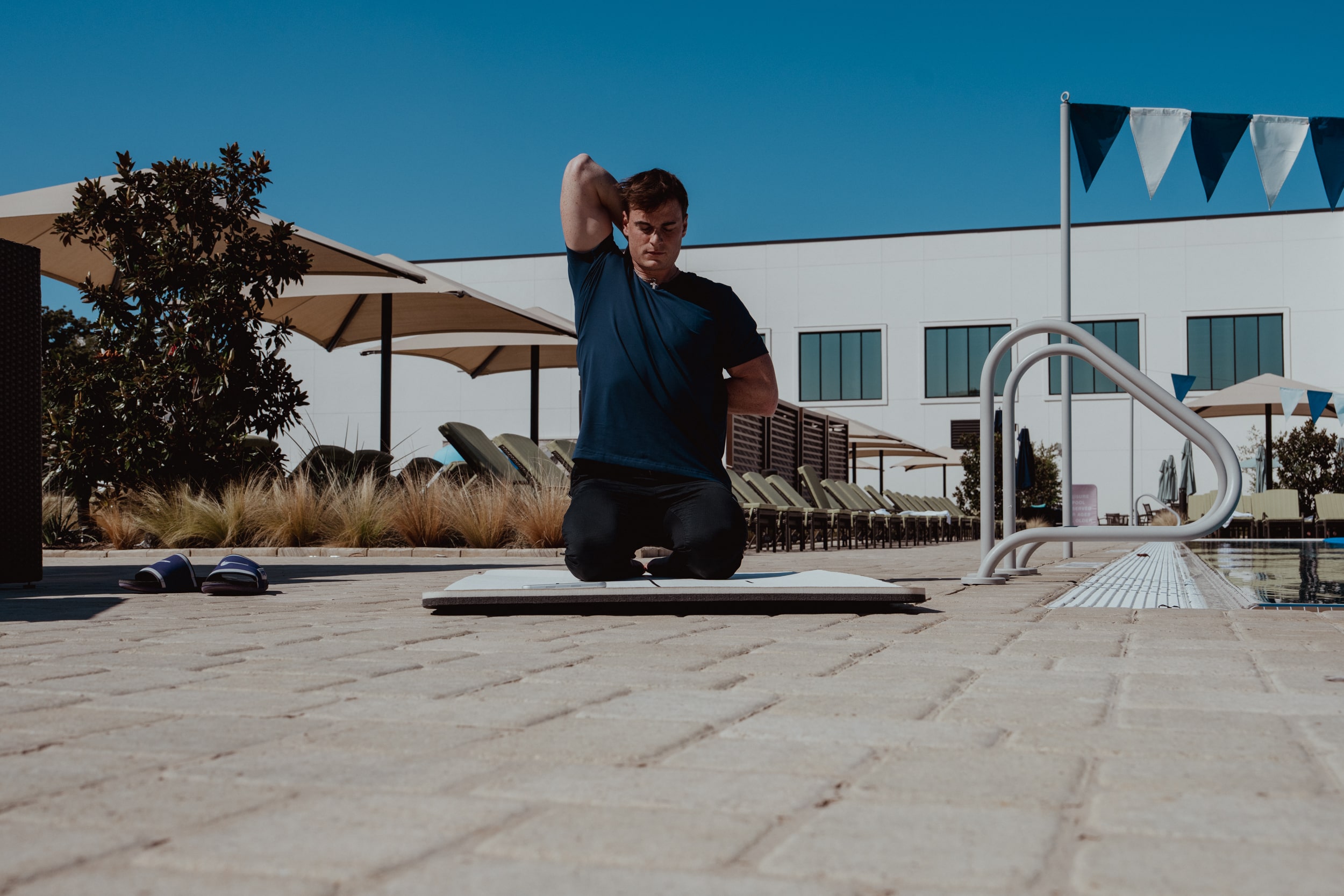
When you lack flexibility, you'll probably feel it most in your shoulders and hips, since these are the areas we use most during daily activities like walking, sitting, and reaching for objects, so tension builds up over time. Pain or stiffness in these spots, or anywhere else, usually means you need to stretch more often.
Simple Tests to Gauge Your Range of Motion
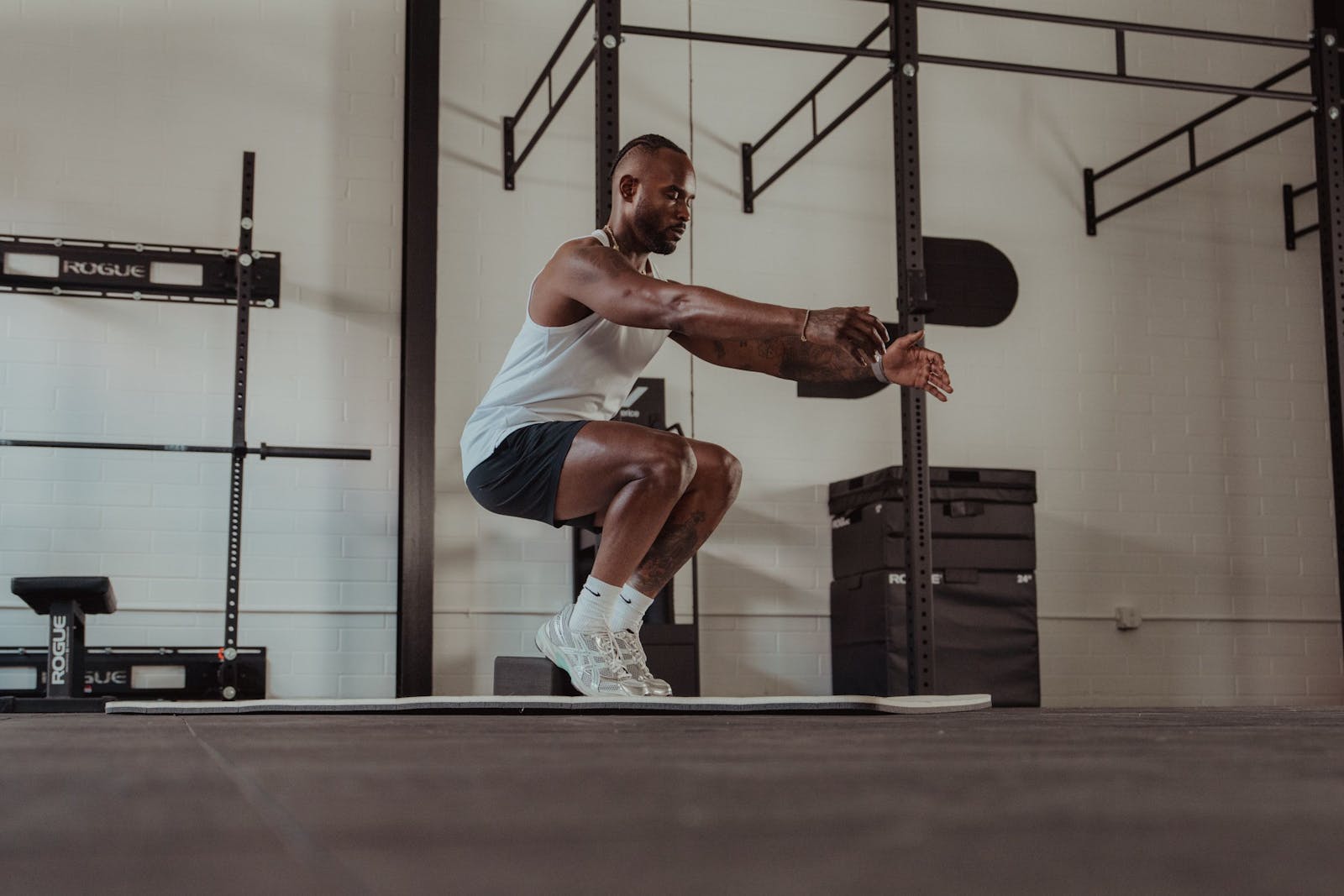
You can do a quick at-home test to see how flexible you are. Start with a squat or lunge to see how your hips feel. Being able to touch your toes or position yourself correctly for a deadlift can also help indicate if your hamstrings are flexible, and you can check your shoulder flexibility by lifting your arms directly over your head. Notice any tightness? Here's how often you should stretch to improve flexibility.
The Benefits of Flexibility
Your entire body is connected, so a lack of flexibility in one area can start to affect a seemingly unrelated area. Tight hips, for example, can lead to lower back discomfort, while tight shoulders that aren't stretched out can become a pain in the neck as tension spreads until your whole body feels like one stiff board.
Beyond Yoga Poses, Enhanced Everyday Movement
Being flexible doesn't just mean you can do all the bendiest poses in yoga class. It also helps you out in everyday life. Improved flexibility gives you a greater range of motion, so you can reach up to high shelves, bend down to pick things up, and even tie your shoes without issue. Flexibility also reduces your risk of injury, especially while exercising, and it can improve your performance in physical activities like sports or fitness routines, since your muscles work better and get more blood flow when you use your full range of motion.
Flexibility's Role in Upright Living
Flexibility also plays a role in good posture. You need flexibility in your shoulders to sit up straight, and that extra mobility also helps combat the adverse side effects of sitting, especially if you do it all day for work.
how often should you stretch to improve flexibility?
Aim to stretch at least two to three times weekly to increase your flexibility. As you stretch, your connective tissues should become less restrictive and more stable; if you don't practice often enough, you may start to lose mobility again. Hold your stretches for at least 30 seconds each for best results. This can help improve the plasticity in your connective tissues and result in real improvement, rather than just a feeling of release, but don't push so hard or hold so long that you experience pain.
Of course, how often you stretch depends on what you're trying to achieve. If your goal is something like a full split or contortion-level flexibility, that's something you need to work on daily. Two to three times a week is enough to improve your overall joint health and flexibility, and a session doesn't need to be long: even five or ten minutes helps, though some people prefer to stretch for closer to 30 minutes. You don't have to spend hours stretching to see a change. What matters more is finding a routine that fits your training program and that you can actually stick to, forming it into a habit.
Patience and Consistency Are Key to Progress
You won't be fully limber after one stretching session. The results of your flexibility training depend on your unique body, current mobility, and stretching routine. If you stretch two to three times per week, you may start noticing an increase in your flexibility within the first week or two, or it may take a little longer. Be patient with yourself, and if you're worried that you're not stretching properly, consult an expert for guidance.
the do's and don'ts of flexibility training

Most people think stretching is the only way to enhance flexibility. Self-myofascial release to address tissue density is also effective and should be incorporated into your exercise routine.
prepping for movement
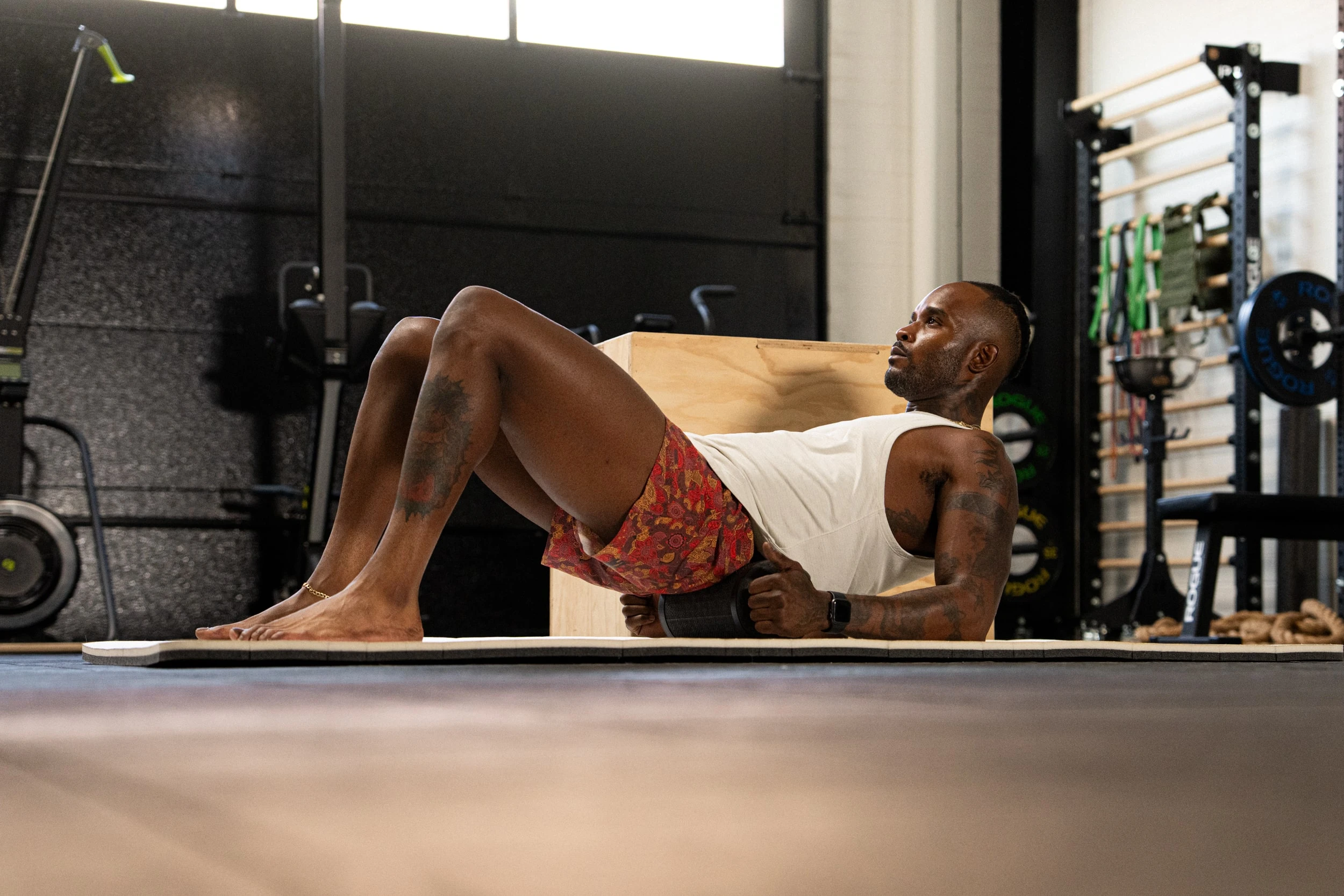
Beginning your warm-up using tools such as a foam roller or tennis ball to decrease trigger points, or "knots," within the muscles by applying pressure to commonly tight body areas can help relieve tension and increase blood flow. In turn, this helps enhance mobility and improve overall movement quality.
Interestingly, self-myofascial release can also be incorporated into the cool-down to offer even more flexibility-related benefits, since first focusing on tissue density will then help address tissue length through the completion of static stretching.
warm up: get the blood flowing before stretching
Flexibility exercise tends to be most effective when the muscles are warm. Engaging in light aerobic activity, such as jogging, jumping rope, or brisk walking, to get the blood flowing to the tissues can prove beneficial before performing static stretches.
get mobile: joint mobility is key for injury prevention
When it comes to injury prevention, ensuring adequate joint mobility is essential. The body comprises joints that favor stability, such as the knees and lumbar spine, and joints that favor mobility, including:
Ankles
Hips
Thoracic spine
Shoulders
To get more out of your movements, your workouts should include a dynamic warm-up to enhance the range of motion in these four areas.
Priming Your Body
This should include movements that mimic the five primary movement patterns: bend-and-lift movements (squatting), single-leg movements (lunging), pushing, pulling, and rotational or twisting movements. The warm-up should serve as a dress rehearsal for specific exercises within a given workout, activity, or sport, and should:
Increase core body temperature
Address movement deficiencies
Improve joint range of motion
Reduce the risk of injuries in the gym and everyday life
mix it up: don't be a one-track mind in your flexibility training
Flexibility training, like resistance training, is joint-specific, meaning there's no single exercise or stretch that improves your overall flexibility. Instead, incorporate various movements and stretching techniques into your training to target the significant muscle-tendon units of the:
Neck
Chest
Shoulder girdle
Trunk
Lower back
Hips
Legs
Ankles
spice it up: explore different approaches to flexibility training
From proprioceptive neuromuscular facilitation (PNF) with a partner to static stretching in mind-body modalities like yoga, mixing up your approach to flexibility will not only improve range of motion around the joints, it will also keep this part of your workout routine exciting and more enjoyable.
don't overdo it: flexibility training should never be painful
As with any aspect of fitness, you want to feel challenged when it comes to flexibility training. Still, there's a big difference between slight discomfort and extreme pain. When performing static stretching, stretch only to the point of feeling mild tightness or slight discomfort to keep things both safe and effective.
make it a priority: consistency is key for flexibility training
Studies have shown that while range of motion around a joint improves immediately following flexibility exercises, chronic improvements are seen after three to four weeks of regularly stretching at least two to three times per week. For the biggest benefit, perform your flexibility training after your resistance-training workouts and stay committed to stretching regularly.
don't skimp on static stretching: flexibility training takes time
For best results, aim to hold each static stretch for 15 to 30 seconds and repeat each one two to four times, completing 60 seconds per joint.
stretch on a schedule with pliability
Knowing how often to stretch only helps if you actually do it. pliability's Daily Sessions give you a new guided mobility routine every day, so the two-to-three-times-a-week habit builds itself instead of relying on willpower, and Paths string sessions together into a structured progression toward a specific goal. Take the mobility assessment to see where you're most restricted, then use Build Your Program to build a routine around those areas. If you're working around an injury or a persistent limitation, the Rebuild hub offers programming built for that.
Try pliability free for 7 days on iPhone, iPad, or Android.
Related Reading







Move better in 10 minutes a day.
10,000+ five-star reviews.